
Dough hydration, a seemingly simple metric in sourdough bread baking, unfurls into one of the most intricate and crucial elements for achieving exceptional loaves. For many home bakers, the journey begins with a recipe’s specified percentage, only to discover that this number is merely a starting point in a complex interplay of environmental factors, flour characteristics, and the baker’s own evolving understanding. This comprehensive guide delves into the science and practice of dough hydration, drawing from years of hands-on experience to equip bakers with the knowledge to navigate its subtleties and troubleshoot common challenges, from sticky dough dilemmas to dense, uninspired crumb structures. This exploration expands upon the foundational concepts of hydration, often touched upon in more advanced sourdough literature, offering practical insights and theoretical grounding for bakers of all levels.
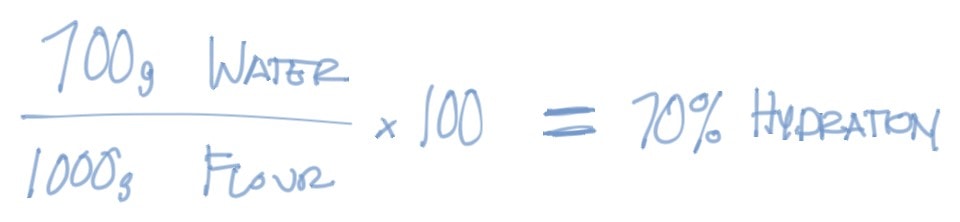
At its core, dough hydration is a quantitative measure of the water content within a bread recipe, expressed as a percentage relative to the total weight of flour used. The calculation is straightforward: divide the weight of the water by the total weight of the flour and multiply by 100. For instance, a recipe calling for 1,000 grams of flour and 700 grams of water yields a hydration level of 70% (700g water / 1000g flour * 100 = 70%). This percentage serves as an initial benchmark, providing bakers with an anticipatory understanding of the dough’s potential behavior even before the mixing process begins.
However, the seasoned baker quickly learns that this percentage is not an immutable law but rather a flexible guideline. Flour, the foundational ingredient, is inherently variable. Its absorption capabilities differ significantly based on its type, the mill from which it originates, and even the specific batch or bag. This variability means that a recipe designed for a particular flour might yield a drastically different dough consistency with another, even if the hydration percentage remains constant.
Environmental conditions also play a role, though their impact can be less pronounced unless there are extreme shifts in atmospheric moisture. While a dough mixed to a smooth, elastic consistency on a dry day might require adjustments on a subsequent, humid day, the flour’s inherent properties often exert a more significant influence. Understanding these external and internal factors is paramount to mastering dough hydration.
The Fundamental Importance of Hydration
The significance of dough hydration lies in its profound impact on the final characteristics of the bread. Water is the transformative agent that converts inert flour into a dynamic, fermentable dough capable of capturing and expanding with the gases produced during leavening. Insufficient water results in a dough that is tight, resistant to manipulation, and often leads to a dense, compact crumb. Conversely, an excess of water can render the dough unmanageable, soupy, and prone to collapsing, hindering proper structure development.
The spectrum between these extremes allows for a vast array of bread styles. Lower-hydration doughs (typically 60-68%) tend to produce loaves with a more substantial crust, a chewier texture, and greater ease of handling during shaping. These are often favored for certain artisan breads, bagels, pretzels, and pizza crusts where a firmer structure is desired.
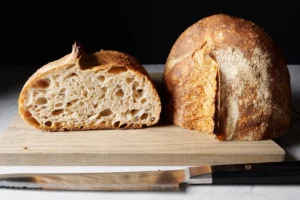
In contrast, higher-hydration doughs (ranging from 75% to 85% and beyond) are known for their potential to yield loaves with incredibly tender, open, and custardy crumbs, often accompanied by a delicate, brittle crust. Recipes like ciabatta and focaccia exemplify the benefits of this approach, showcasing a more ethereal texture. However, pushing hydration too high carries its own set of challenges. An excessively wet dough can result in a gummy interior, a lack of structural integrity that leads to post-baking collapse, and a faster staling rate if not stored properly. The art of high-hydration baking lies in finding the sweet spot where the desired textural qualities are achieved without compromising the loaf’s volume, overall texture, or eating experience.
Understanding Hydration Levels: A Practical Spectrum
To better illustrate the effects of hydration, consider these general characteristics observed across different ranges:
Lower-Hydration Bread (60-68%):
- Texture: Denser crumb, chewier texture, often a thicker, more robust crust.
- Handling: Dough is typically easier to manage, less sticky, and holds its shape well during shaping.
- Fermentation: Can be more forgiving during bulk fermentation.
- Ideal For: Bagels, pretzels, pizza dough, certain pan loaves where a defined structure is key.
Moderate-Hydration Bread (68-75%):
- Texture: A balanced crumb with a good balance of chewiness and tenderness, and a moderately open structure. Crust thickness is generally moderate.
- Handling: Dough becomes stickier but remains manageable with practice and proper techniques.
- Fermentation: Offers a good window for bulk fermentation.
- Ideal For: Classic country loaves, baguettes, and many beginner-friendly sourdough recipes. This range often provides a good starting point for those new to sourdough.
Higher-Hydration Bread (75-85%+):
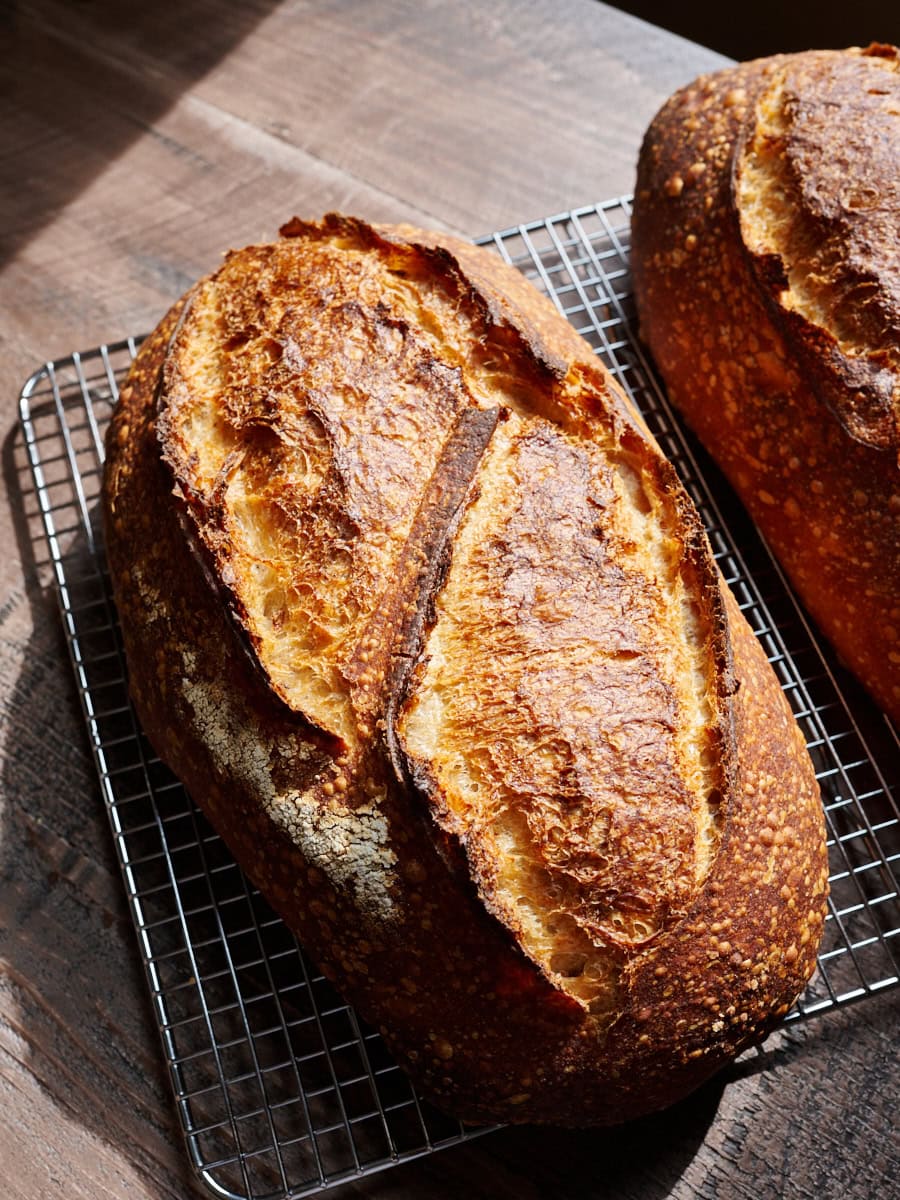
- Texture: Characterized by a very open, tender, and often custardy crumb with a thin, delicate crust.
- Handling: Dough is noticeably slack, sticky, and requires more advanced handling techniques to shape and maintain structure.
- Fermentation: Demands careful monitoring to prevent over-fermentation, as the weaker gluten network can be more sensitive.
- Ideal For: Ciabatta, focaccia, highly open-crumbed loaves, and sandwich loaves where a soft interior is desired.
The preference for a particular hydration level is subjective and deeply personal. Some bakers gravitate towards the airy, almost melt-in-your-mouth quality of high-hydration loaves, while others prefer the satisfying chew and robust crust of lower-hydration counterparts. The ultimate goal is to achieve a hydration level that complements the chosen flour and delivers the desired eating experience.
The Art of Bassinage: Gradual Water Incorporation
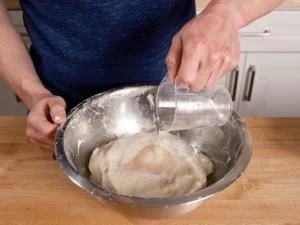
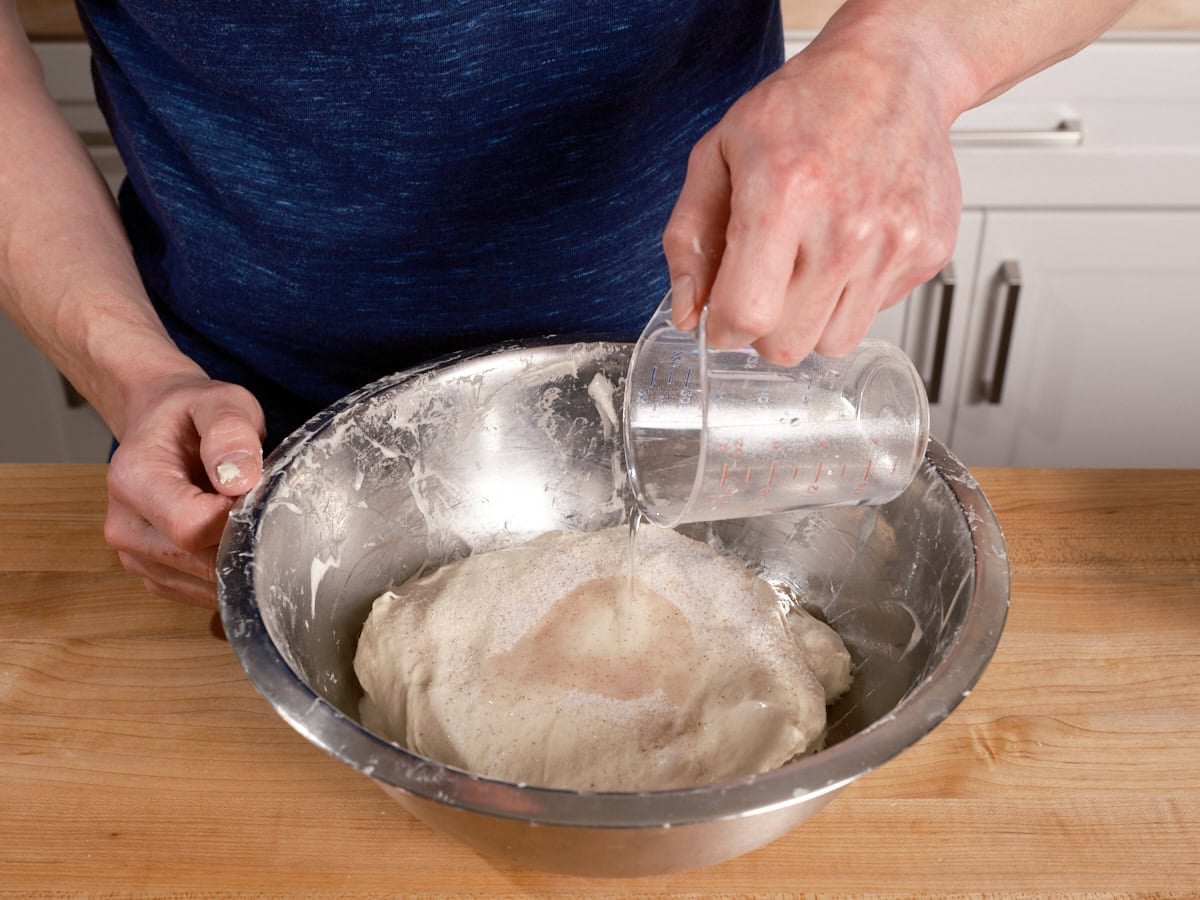
A technique that has revolutionized the approach to high-hydration baking for many is bassinage, also known as "double hydration." This method involves holding back a portion of the total water and adding it incrementally during the later stages of mixing, after the flour has begun to absorb water and the gluten network has started to develop.
The benefits of this phased approach are manifold:
-
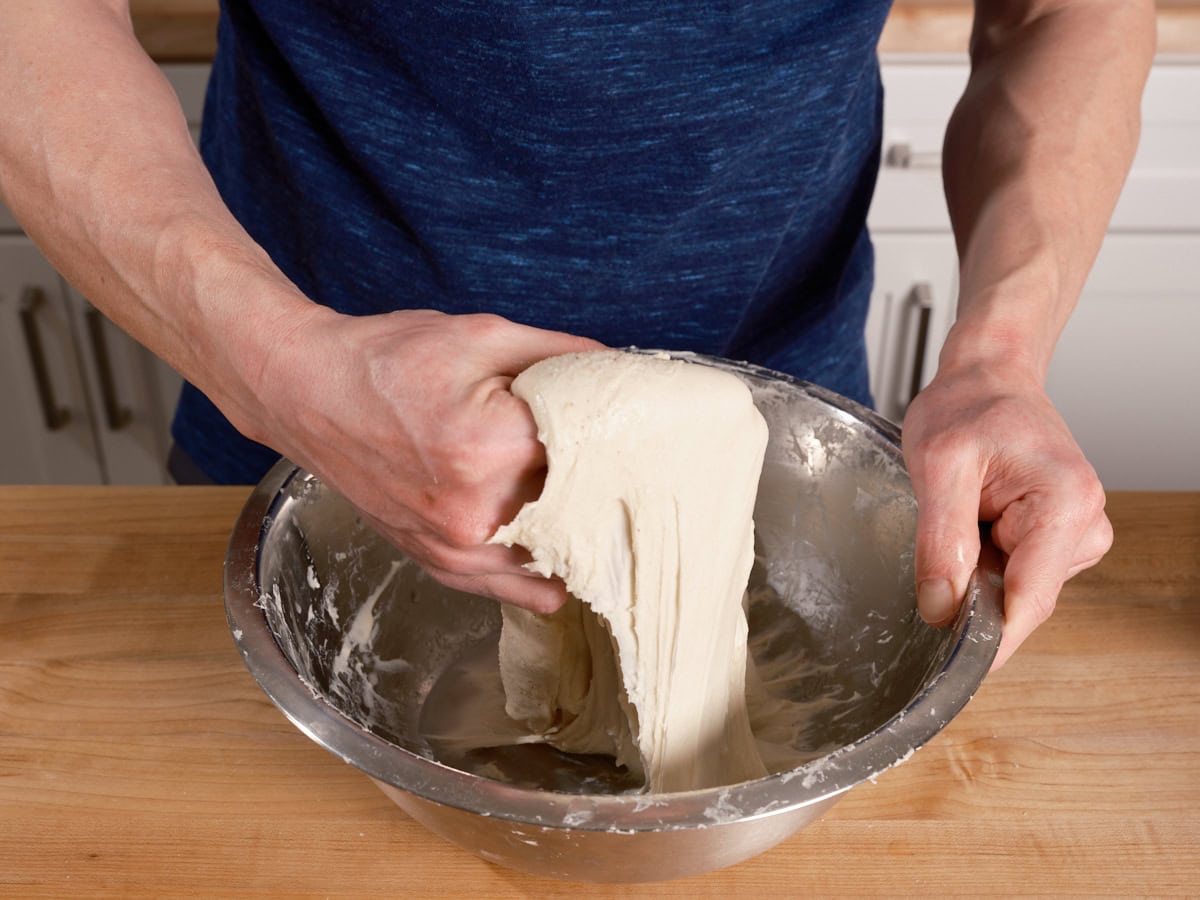
Facilitated Gluten Development: Incorporating all the water at the outset of a high-hydration dough can make it exceedingly difficult to develop a strong gluten network. A high water-to-flour ratio before significant gluten formation can hinder the necessary friction for effective gluten strengthening. By adding the majority of the water initially (typically 80-90%) and then gradually introducing the remaining water, bakers can achieve higher hydration levels without excessively long mixing times or risking underdeveloped dough. This allows the gluten to form a more robust matrix capable of holding the increased moisture.
-
Dynamic Assessment of Dough Strength: The practice of reserving water provides a crucial opportunity to assess the dough’s strength and consistency as mixing progresses. Near the end of the mixing cycle, the baker can make an informed decision on whether to incorporate the reserved water or omit it entirely, based on the dough’s feel and behavior. This adaptability is essential for managing variable doughs. For instance, if a dough feels overly wet and slack after the initial water addition, the reserved water might be withheld. Conversely, if the dough exhibits good strength and appears capable of incorporating more moisture, the reserved water can be added slowly while mixing. This iterative process allows for precise control over the final dough consistency.
Factors Influencing Water Absorption
Several critical factors dictate how much water a particular flour blend will absorb and what hydration level is appropriate:
Flour Type and Protein Content
Flours with higher protein content (generally 12-14% in American bread flours) possess a greater capacity to absorb and retain water. The proteins within the flour, specifically glutenin and gliadin, form the gluten network when hydrated and agitated. A stronger gluten network can support a higher water content without becoming unmanageable, leading to a more tender crumb. Conversely, lower-protein flours, common in many European regions, are "softer" and may require reduced hydration to prevent the dough from becoming overly sticky and difficult to handle. While these softer flours can produce exceptional textures, they necessitate a more conservative approach to hydration.
Whole Grain Flours
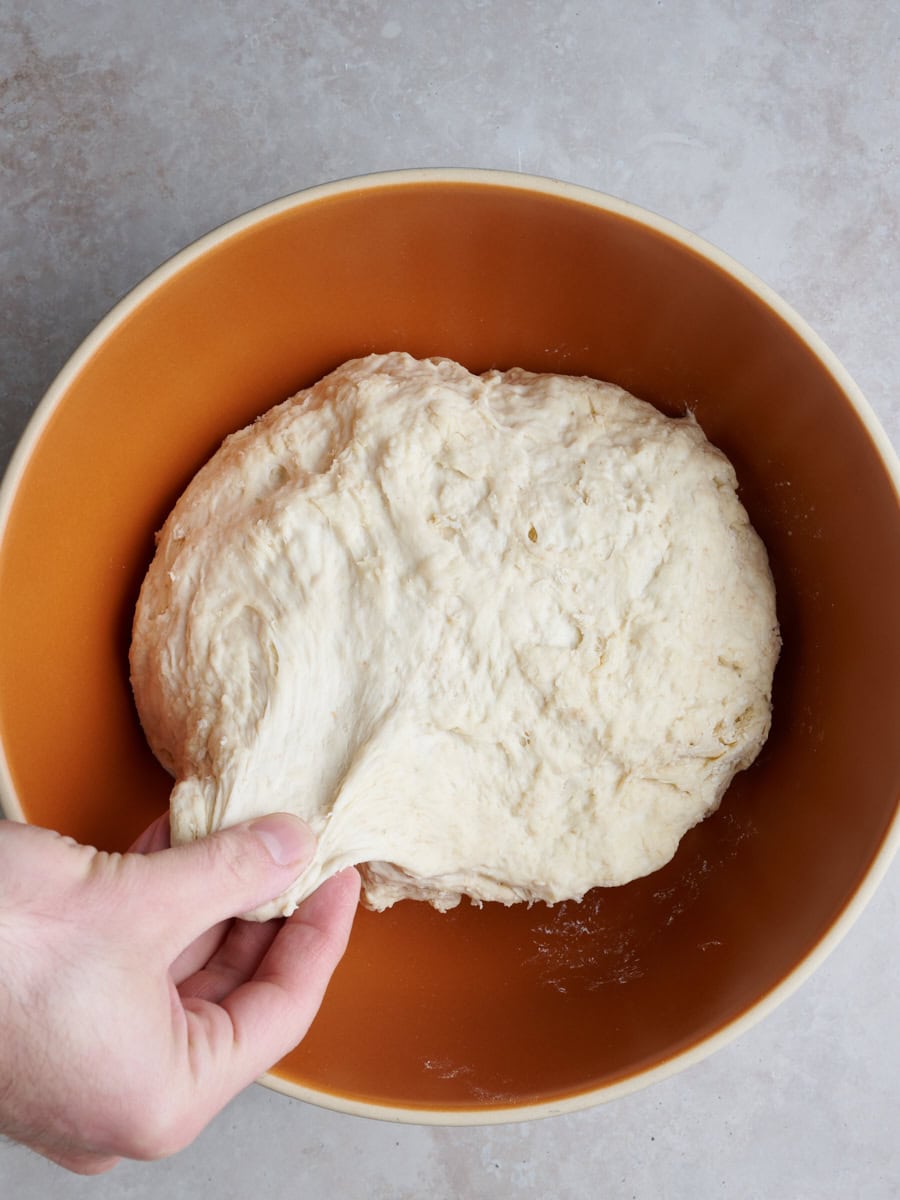
The inclusion of whole grain flours, such as whole wheat, rye, or spelt, significantly increases a dough’s water absorption needs. The bran and germ present in whole grains are highly absorbent and require more moisture to hydrate properly. For example, a sourdough recipe incorporating 50% whole wheat flour might comfortably accommodate a hydration level of 82%, a figure that could prove challenging with 100% white flour. When working with substantial amounts of whole grains, the bassinage technique is particularly beneficial for integrating the necessary water effectively.
Freshly Milled Flour
Flour that has been freshly milled, even if sifted to remove some bran and germ, often requires a higher hydration level compared to commercially aged flour. The inherent properties of freshly milled grains tend to demand more moisture for optimal dough consistency.
Climate and Environmental Conditions
Geographic location and ambient conditions play a notable role. Bakers in arid, high-altitude regions, such as New Mexico, often find they need higher hydration percentages due to the dry air. Conversely, in more humid environments, the flour may already absorb some moisture from the atmosphere, potentially requiring a slight reduction in added water. While the impact of daily humidity fluctuations might be minimal, significant shifts can influence dough behavior.
Troubleshooting Sticky Dough and Handling High-Hydration Doughs
Sticky dough is a pervasive concern for many bakers, often stemming from issues with hydration, dough strength, or both. The most common reasons for excessively sticky dough include:
- Too Much Water: The most direct cause, often resulting from miscalculation or an inaccurate understanding of the flour’s absorption.
- Insufficient Gluten Development: If the gluten network is not adequately formed, the dough will struggle to hold its structure and will appear slack and sticky.
- Flour Variability: Using a flour with lower absorption than anticipated can lead to a dough that feels wetter than expected.
- Under-fermentation: A dough that hasn’t undergone sufficient bulk fermentation may appear sticky because the gluten hasn’t fully developed its elastic properties.
Working with high-hydration doughs, while rewarding, demands specific strategies to maintain control and achieve optimal results:

- Develop a Strong Gluten Network: Prioritize thorough gluten development through techniques like stretch-and-folds, coil folds, or autolyse, especially when employing bassinage.
- Utilize Wet Hands and Tools: Keeping hands and baking tools slightly damp can prevent dough from adhering excessively.
- Employ Bench Scrapers: These invaluable tools are essential for manipulating and shaping sticky doughs without excessive sticking.
- Incorporate Folding Techniques: Techniques like stretch-and-folds or coil folds are crucial for building dough strength and structure, making it more manageable.
- Allow for Autolyse: A period of rest after mixing flour and water allows the flour to fully hydrate and enzymes to begin breaking down starches and proteins, aiding gluten development.
- Mindful Shaping: Gentle yet firm shaping techniques are necessary to build tension and prevent the delicate gluten structure from tearing.
- Consider a High-Proofing Basket (Banneton): A well-floured banneton provides support during the final proofing stage, helping the dough maintain its shape.
Hydration Quick Reference Chart
| Hydration Level | Characteristics | Best For |
|---|---|---|
| 60-65% | Stiff, easy to handle, potentially thicker crust | Bagels, pretzels, pizza, some pan loaves |
| 65-70% | Balanced, manageable, good structure | Classic breads, beginner-friendly sourdough |
| 70-75% | Moderately open crumb, thin crust | Classic country loaves, baguettes |
| 75-80% | Requires longer mixing, tender crumb, requires skill when handling | Ciabatta, focaccia, open-crumb loaves, sandwich loaves |
| 80%+ | Requires longer mixing, typically more open crumb, custard-like, challenging | High-hydration loaves |
Addressing Common Questions on Dough Hydration
Why can’t I just add more flour if my dough is too wet?
Adjusting flour significantly alters the fundamental ratios of a recipe, impacting salt, levain, and other ingredients that are calculated based on the total flour weight using baker’s percentages. Changing the flour weight necessitates recalculating all other components. In contrast, adjusting water primarily affects hydration in isolation. However, in extreme cases where a dough is entirely unmanageable, adding a small amount of flour as a last resort can help bring it together. It is advisable to record such adjustments for future reference.
Does higher hydration automatically mean a more open crumb?
Not necessarily. While hydration is a significant factor, crumb structure is influenced by a confluence of elements including proper fermentation, effective shaping techniques, and appropriate baking conditions. Beautifully open crumbs can be achieved at moderate hydration levels, just as tight crumbs can occur with very high hydration if other factors are not optimized. A holistic approach to mastering all baking fundamentals is more effective than solely focusing on increasing water content.
What hydration level should a beginner start with?
For beginners, a hydration level of approximately 68-70% using a quality bread flour is highly recommended. This offers a dough that is forgiving and manageable, yet capable of producing excellent results. As bakers gain experience and develop an intuitive understanding of dough consistency, they can gradually increase hydration.
What is the ideal hydration for bread dough?
There is no single "ideal" hydration level. The optimal percentage is contingent upon the specific flour being used and the desired characteristics of the final bread. Generally, bread doughs fall within the 60%-80% hydration range, although variations outside this spectrum are also employed.
Cultivating Baker’s Intuition
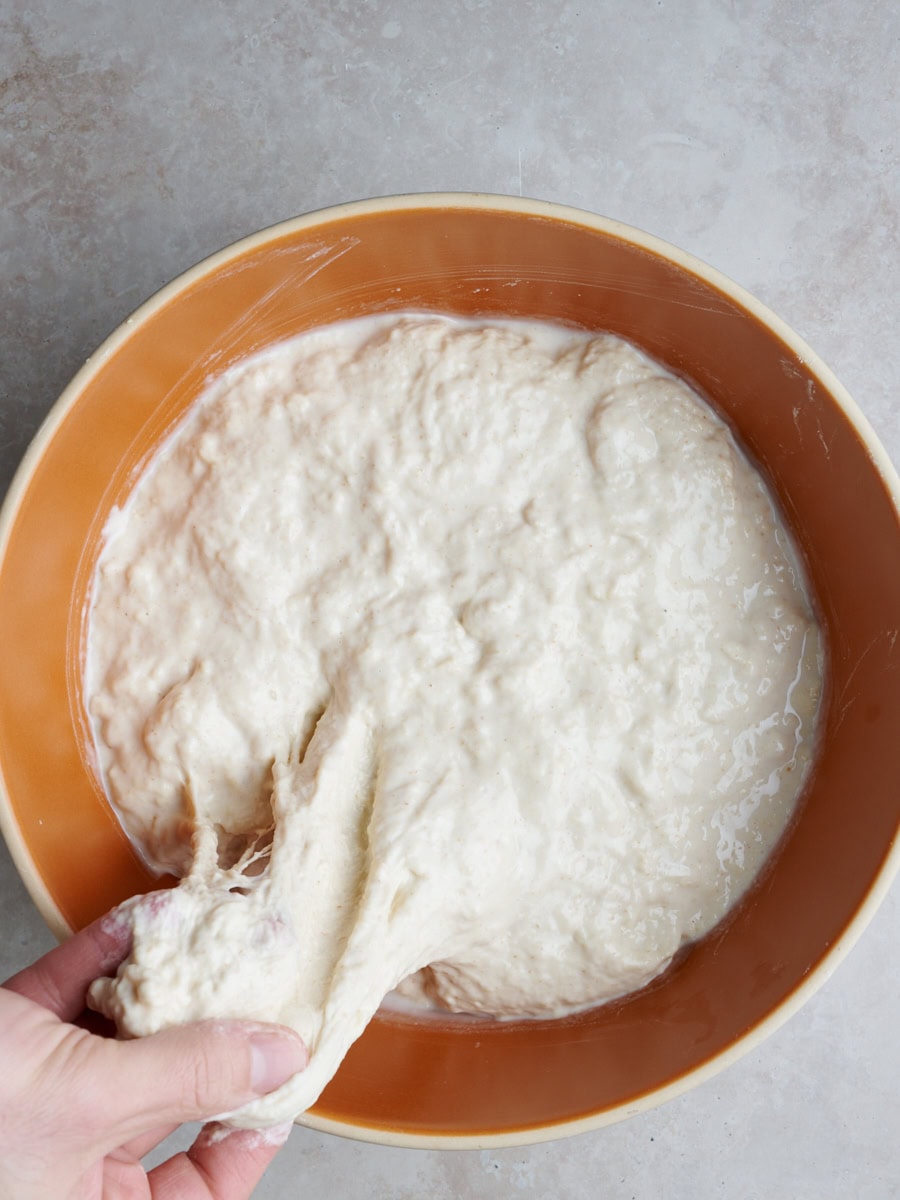
Ultimately, mastering dough hydration transcends mere adherence to numbers. It involves cultivating a nuanced sensitivity – what seasoned bakers often refer to as "baker’s intuition." This means developing the ability to interpret visual cues and tactile sensations from the dough, rather than rigidly following recipe instructions. Each bag of flour, each day’s ambient conditions, presents a unique scenario. The most accomplished bakers view recipes not as rigid directives, but as starting points for a collaborative dialogue with their ingredients.
The practice of meticulous record-keeping is invaluable in this process. Documenting the hydration percentage used, the dough’s texture and behavior throughout mixing and fermentation, prevailing weather conditions, and the final outcome of the loaf will, over time, foster an intuitive understanding that transcends any written guide. This journey of learning and adaptation is what transforms a recipe follower into a true artisan baker.