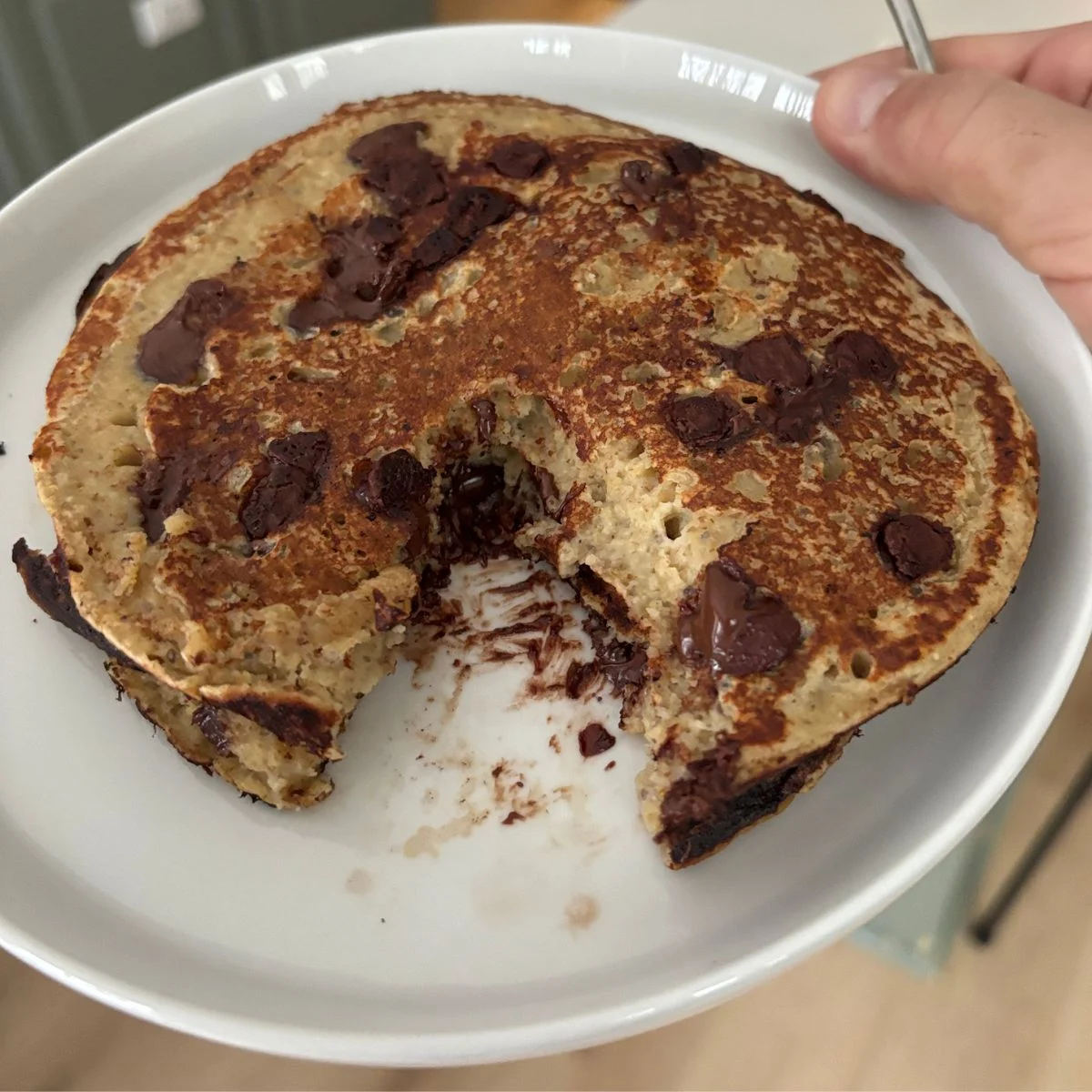

For many consumers seeking healthier breakfast alternatives, the quest for the perfect "protein pancake" has often led to disappointment. The common pitfalls include recipes yielding rubbery, dry, or unpalatably chalky results, primarily due to an overreliance on concentrated protein powders. However, a new approach leveraging cottage cheese and collagen peptides is emerging as a highly effective and palatable solution, offering a balanced, satisfying, and practical option for those prioritizing protein intake without compromising on taste or texture. This innovative recipe, designed for ease of preparation and meal-prepping convenience, delivers approximately 26 grams of protein per serving and reheats exceptionally well, making it a valuable addition to any fitness-conscious individual’s diet.
The development of this refined recipe stems from extensive experimentation with various high-protein pancake formulations. The core challenge identified in many existing recipes is the excessive use of whey protein, which, while effective for macro targets, often contributes to an undesirable dry and chalky mouthfeel. This particular recipe distinguishes itself by strategically incorporating collagen peptides. Collagen, unlike whey, blends more smoothly into batters, contributing to a softer, less dense pancake texture. This deliberate ingredient choice is crucial in achieving a product that is not only nutritionally sound but also genuinely enjoyable to consume regularly.
This high-protein, gluten-free cottage cheese pancake recipe is designed to be adaptable to various dietary goals, including muscle building, weight maintenance, or moderate calorie deficits. It eschews extreme dietary approaches like strict keto, focusing instead on practicality and balance. The recipe’s success lies not just in its ingredient list but in its structural approach to creating a satisfying and texturally pleasing pancake.
The Science Behind the Texture: Why This Recipe Succeeds
The key differentiator in this cottage cheese pancake recipe lies in its thoughtful combination of ingredients and their interaction during the cooking process. Traditional high-protein pancakes often falter due to an imbalance in protein sources.
- Collagen Peptides for Softness: The intentional use of collagen peptides is a cornerstone of this recipe’s success. Unlike whey protein isolates, which can coagulate and create a tough, rubbery texture when heated, collagen peptides contribute to a smoother, more tender crumb. This makes the pancakes less dense and more akin to traditional, flour-based versions.
- Cottage Cheese as a Binder and Protein Source: Cottage cheese provides a significant protein boost while also acting as a moistening agent and binder. Its creamy texture, when blended, contributes to the overall softness of the pancake. Furthermore, cottage cheese offers a complete protein profile, complementing the amino acids provided by the collagen and eggs.
- Gluten-Free Oats for Structure: Utilizing finely ground gluten-free oats (oat flour) provides essential structure without the gluten. Oats are a complex carbohydrate source, contributing to satiety and providing sustained energy release. Ensuring they are certified gluten-free is vital for individuals with celiac disease or gluten sensitivities.
- Banana for Natural Sweetness and Moisture: The inclusion of ripe banana serves multiple purposes. It adds natural sweetness, reducing the need for added sugars, and contributes essential moisture, further enhancing the tender texture of the pancakes.
This recipe is positioned as a practical component of a high-protein breakfast rotation, suitable for individuals at various stages of their fitness journey. It provides a substantial protein intake, crucial for muscle repair and growth, while offering a satisfying start to the day.
Recipe Breakdown: Ingredients and Estimated Nutrition
This recipe is designed to yield two servings, with each serving containing approximately 26 grams of protein.
Yields: 2 servings
Prep time: 2 minutes
Cook time: 3 minutes
Total time: 5 minutes
Ingredients:
- 1 ripe banana, mashed
- 1 cup (227g) full-fat cottage cheese
- 2 large eggs
- 1 teaspoon vanilla extract
- 1/2 cup (45g) gluten-free rolled oats, processed into flour
- 1 scoop (approximately 10-15g) unflavored collagen peptides
- 1 teaspoon baking powder
- 1/4 teaspoon salt
- Optional: 1-2 tablespoons maple syrup (for added sweetness and browning)
- Optional: 1/4 cup chocolate chips or berries
Estimated Nutrition (Per Serving – approximately 1 pancake):
- Calories: 356 kcal
- Protein: 26g
- Carbohydrates: 42g
- Fat: 9g
Note: These nutritional values are estimates and can vary slightly based on specific brands and ingredient choices.

For those aiming for precise macronutrient targets, a personal macro calculator can provide more tailored information.
The Method: Simple Steps to Delicious Pancakes
The preparation of these high-protein pancakes is straightforward, emphasizing minimal effort for maximum reward.
Instructions:
- Blend Wet Ingredients: In a blender, combine the mashed banana, cottage cheese, eggs, and vanilla extract. Blend until smooth and well incorporated.
- Add Dry Ingredients: Add the oat flour, collagen peptides, baking powder, salt, and optional maple syrup to the blender. Pulse until just combined. Be careful not to overmix. If adding chocolate chips or berries, gently fold them in by hand after blending.
- Cook the Pancakes: Heat a lightly greased non-stick skillet or griddle over medium-low heat.
- Portion the Batter: For each pancake, pour approximately 1/4 cup of batter onto the hot skillet.
- Cook Until Bubbles Appear: Cook for about 2-3 minutes per side, or until golden brown and cooked through. Bubbles forming on the surface indicate it’s time to flip.
- Serve: Serve immediately with your favorite toppings such as fresh fruit, a drizzle of nut butter, or a sprinkle of cinnamon.
Important Cooking Note: Due to the natural sugars from the banana and optional maple syrup, these pancakes can brown more quickly than traditional ones. Maintaining a moderate heat is crucial to ensure the center cooks thoroughly without burning the exterior.
Gluten-Free Integrity: Ensuring Inclusivity
The designation of this recipe as gluten-free is a key feature for a significant portion of the population. Oats themselves are naturally gluten-free. However, to ensure the recipe is safe for individuals with celiac disease or severe gluten sensitivities, it is imperative to use certified gluten-free oats. This certification guarantees that the oats have been processed in facilities that prevent cross-contamination with wheat, barley, or rye. All other ingredients in this recipe are naturally gluten-free, making this a reliable option for those managing gluten restrictions.
Storage and Meal Prep Strategies
The practical nature of this recipe extends to its storage capabilities, making it an ideal candidate for meal prepping.
Refrigerator Storage:
Cooled pancakes can be stored in an airtight container in the refrigerator for up to 4 days. To prevent sticking, it is recommended to place a piece of parchment paper between layers of pancakes.
Freezer Storage:
For longer-term storage, these pancakes freeze exceptionally well. Once cooled, place them in a single layer on a baking sheet and freeze until solid. Then, transfer the frozen pancakes to a freezer-safe bag or container. They can be stored in the freezer for up to 2 months. This method makes them a convenient grab-and-go breakfast option for busy weekdays.
These pancakes are particularly well-suited for Sunday meal prep, ensuring a nutritious breakfast is readily available throughout the week. The ability to freeze and reheat them without significant degradation in texture is a major advantage for time-strapped individuals.
Reheating for Optimal Texture
Proper reheating is essential to maintain the desired soft texture of these pancakes.
Best Reheating Options:
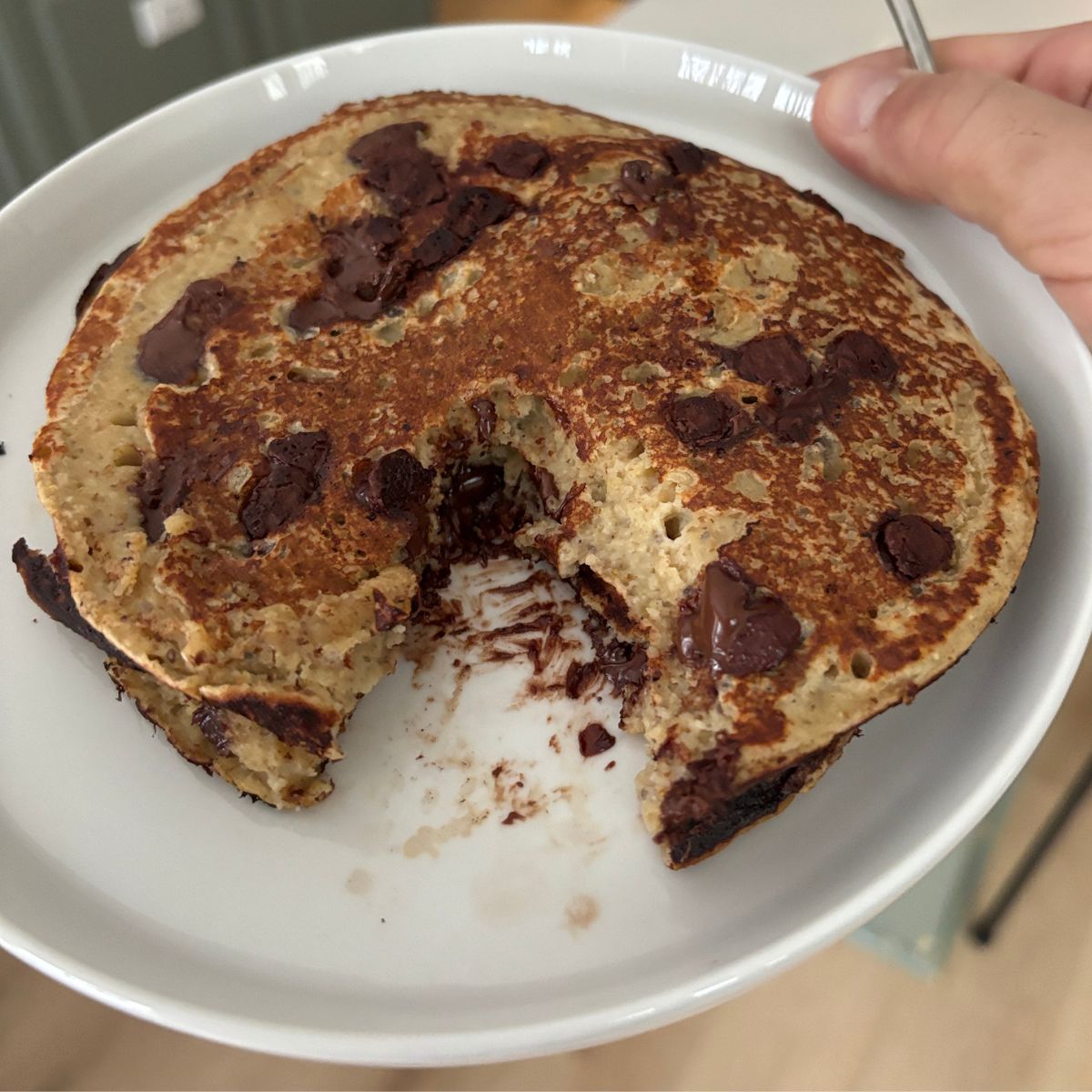
- Toaster Oven or Oven: Reheat at 350°F (175°C) for 5-7 minutes, or until warmed through. This method often yields the crispiest exterior.
- Skillet: Reheat over medium-low heat for 2-3 minutes per side.
- Microwave: Reheat on medium power for 30-60 seconds, or until warmed through. While convenient, this method may result in a slightly softer texture.
Reheating from Frozen:
When reheating directly from frozen, the microwave is often the most efficient method. Place frozen pancakes on a microwave-safe plate and heat on medium power in 30-second intervals until warmed through. Alternatively, they can be placed in a toaster oven or regular oven at a slightly higher temperature or for a longer duration to ensure they cook through completely. The benefit of this recipe is that, unlike egg-white-only pancakes, they do not tend to become dry and tough upon reheating.
Adaptations and Substitutions for Dietary Needs
The versatility of this recipe allows for several adjustments to cater to specific dietary requirements or preferences.
To Lower Carbohydrates:
- Oat Flour Alternative: Replace the oat flour with almond flour or coconut flour. Note that coconut flour is highly absorbent, so you may need to adjust the liquid content accordingly.
- Sweetener: Omit the banana and maple syrup and use a sugar-free sweetener (e.g., erythritol, stevia) to taste.
To Increase Protein:
- Additional Protein Powder: Incorporate an additional 1/2 to 1 scoop of unflavored or vanilla-flavored protein powder into the dry ingredients.
- Egg Whites: Add an extra egg white to the batter.
To Increase Calories:
- Nut Butters: Add a tablespoon or two of almond butter, peanut butter, or cashew butter to the batter.
- Seeds: Incorporate chia seeds or flax seeds into the batter.
- Toppings: Opt for higher-calorie toppings like full-fat Greek yogurt, avocado, or a generous drizzle of nut butter.
To Make Dairy-Free:
- Cottage Cheese Substitute: Replace the cottage cheese with a thick, unsweetened dairy-free yogurt (e.g., coconut or soy-based) or silken tofu blended until smooth.
- Milk Alternative: If the batter is too thick after substituting the cottage cheese, add a splash of unsweetened dairy-free milk (almond, soy, oat).
It is important to note that substitutions may slightly alter the final texture and consistency of the pancakes.
When This Recipe Fits Best
This high-protein cottage cheese pancake recipe is a strategic choice for various nutritional and lifestyle goals:
- Post-Workout Recovery: The high protein content aids in muscle repair and glycogen replenishment after exercise.
- Weight Management: The protein and fiber contribute to satiety, helping to control appetite and reduce overall calorie intake.
- Muscle Building: Adequate protein intake is fundamental for synthesizing muscle tissue.
- Balanced Breakfast Rotation: It offers a nutritious and flavorful alternative to less protein-dense breakfast options.
- Busy Weekday Mornings: The ease of preparation and meal-prepping capabilities make it ideal for time-constrained individuals.
This recipe is not optimized for strict ketogenic or very low-carbohydrate diets due to the presence of banana and oats. For individuals adhering to such diets, exploring dedicated keto recipes is recommended.
Frequently Asked Questions
Can I use quick oats instead of rolled oats?
Yes, quick oats can be used. However, they will result in a slightly softer texture compared to rolled oats processed into flour. Ensure they are still pulsed into a flour-like consistency before adding them to the wet ingredients.
Can I skip the banana?
Yes. The banana can be omitted and replaced with 1/4 cup of unsweetened pumpkin puree or unsweetened applesauce. You may need to add a touch more sweetener, such as maple syrup, to compensate for the reduced sweetness.
Is collagen a complete protein?
No, collagen is not considered a complete protein because it lacks certain essential amino acids. However, this recipe includes eggs and cottage cheese, which are complete protein sources. The combination of these ingredients provides a well-rounded amino acid profile.
Can I make this without maple syrup?
Yes. The ripe banana provides natural sweetness. The maple syrup is primarily for enhancing flavor and promoting browning. If you prefer to omit it, the pancakes will still be palatable.
Can I meal prep this for the whole week?
Absolutely. Doubling the recipe and freezing half is a highly recommended strategy. This ensures a quick and high-protein breakfast option is always on hand, significantly simplifying weekly meal planning.
This high-protein, gluten-free cottage cheese pancake recipe represents a significant advancement in the realm of healthy breakfast options. By addressing the common textural issues associated with protein pancakes and offering a balanced nutritional profile, it provides a practical and enjoyable solution for a wide range of dietary needs and lifestyle goals. Its ease of preparation, storage versatility, and adaptability make it an invaluable tool for anyone looking to enhance their breakfast routine with a protein-rich, satisfying, and delicious meal.