
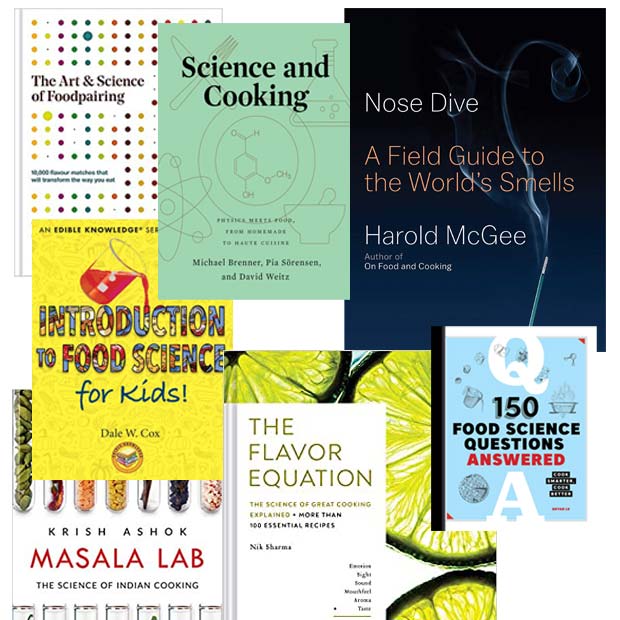
Copenhagen, Denmark – Khymos, a prominent online platform dedicated to exploring the scientific underpinnings of food and cooking, has re-engaged its readership with a comprehensive list of recommended books published in 2020. This curated selection marks a significant return to regular content, following an extended hiatus in book recommendations since 2013. The resurgence of these recommendations highlights a sustained and growing global interest in the intersection of culinary arts and scientific principles, catering to a diverse audience from home cooks to professional chefs and educators.
A Renewed Focus on Culinary Science
The Khymos platform has historically served as a valuable resource for enthusiasts of molecular gastronomy and food science, regularly featuring insights into the chemical and physical transformations that occur during cooking. Its last comprehensive book recommendation list was published in 2013, making the 2020 compilation a much-anticipated update. This seven-year gap underscores the dynamic evolution of the food science literary landscape, with the new list reflecting contemporary trends and the broadening scope of the field. The platform’s re-engagement comes at a time when consumer curiosity about the ‘why’ behind culinary techniques is at an all-time high, fueled by popular media, educational programs, and a general drive towards informed cooking.
The Rise of Food Science in Mainstream Culture
Over the past decade, food science has transitioned from a niche academic discipline to a subject of widespread public fascination. Concepts once confined to professional kitchens or university laboratories, such as fermentation, emulsification, and the Maillard reaction, are now commonly discussed among home cooks. This cultural shift is partly attributed to pioneering authors and educators who have successfully translated complex scientific theories into accessible and practical knowledge. The books recommended by Khymos in 2020 exemplify this trend, offering both foundational insights and advanced explorations for various levels of expertise.
Key Recommendations from 2020: A Detailed Overview
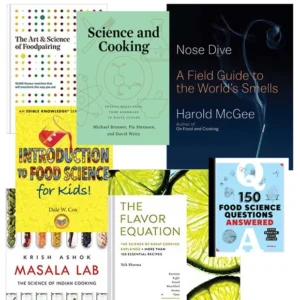
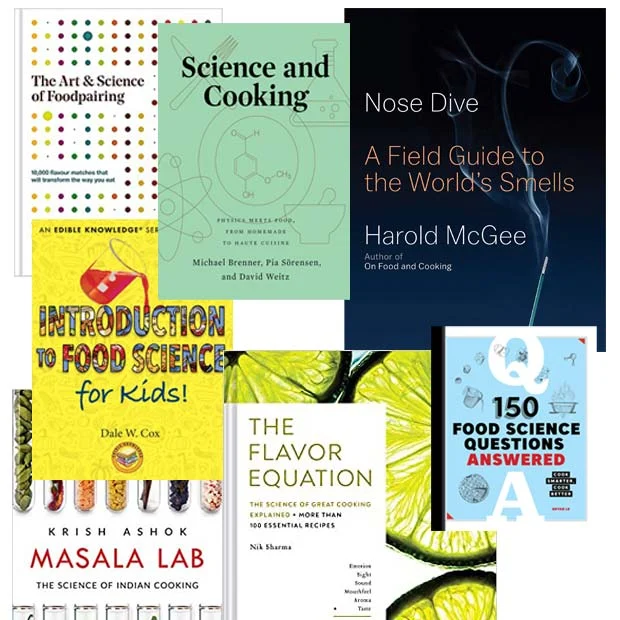
The 2020 list from Khymos features seven distinct titles, each contributing uniquely to the understanding of food science. These selections collectively showcase the breadth and depth of current research and popular interest in the field.
The Flavor Equation by Nik Sharma
Author: Nik Sharma
Pages: 352
Publication Year: 2020
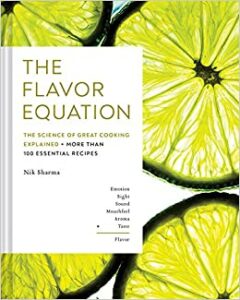
Nik Sharma’s "The Flavor Equation" stands out for its innovative approach to integrating scientific principles directly into culinary practice. Sharma, a celebrated food writer, photographer, and recipe developer, meticulously breaks down flavor into its constituent elements: brightness, bitterness, umami, saltiness, sweetness, and heat. The book features approximately 100 recipes, each accompanied by a section titled "The Flavor Approach," which provides concise scientific explanations relevant to the dish. This method empowers readers to understand not just how to cook, but why certain combinations and techniques yield specific flavor profiles. The inclusion of metric units is a significant bonus, catering to a global audience and reinforcing the precision inherent in scientific cooking. Industry experts often praise Sharma’s ability to bridge the gap between abstract scientific concepts and tangible culinary results, making complex ideas digestible for the everyday cook. The book’s comprehensive exploration of flavor, extending beyond just recipes to theoretical discussions, makes it a highly recommended resource for those seeking to deepen their understanding of sensory perception in food.
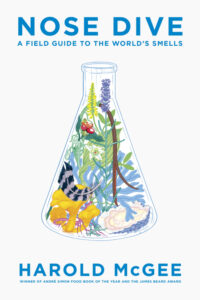
Nose Dive: A Field Guide to the World’s Smells by Harold McGee
Author: Harold McGee
Pages: 688
Publication Year: 2020
Harold McGee is widely regarded as a titan in the field of food science, primarily for his seminal work, "On Food and Cooking: The Science and Lore of the Kitchen," which ignited widespread interest in culinary science. His latest offering, "Nose Dive," shifts focus entirely to the intricate world of smells. This expansive volume is not limited to the aromas of food but delves into the volatile molecules that define scents across all aspects of our environment. McGee’s meticulous research and engaging prose ensure that while complex chemical compounds are named and discussed, the scientific content remains approachable for the interested layperson. The book serves as an exhaustive field guide, inviting readers to explore the unseen chemical landscape that shapes their sensory experiences. The publication of "Nose Dive" was met with critical acclaim, reinforcing McGee’s status as a master explainer. Its in-depth exploration of olfaction is crucial for anyone looking to understand the profound impact of smell on taste perception and overall enjoyment of food, proving indispensable for both culinary professionals and curious minds.
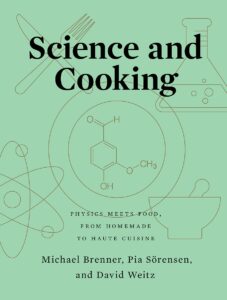
Science and Cooking: Physics Meets Food, From Homemade to Haute Cuisine by Michael Brenner, Pia Sørensen, and David Weitz
Authors: Michael Brenner, Pia Sørensen, and David Weitz
Pages: 320
Publication Year: 2020
This book is a direct outgrowth of the highly successful "Science and Cooking" course first launched at Harvard University a decade prior to the book’s publication. Taught by professors from diverse scientific backgrounds—applied mathematics, chemistry, and physics—the course, and consequently the book, masterfully integrates rigorous scientific principles with practical culinary applications. The authors leverage their expertise to explain phenomena like heat transfer, emulsion stability, and fluid dynamics through the lens of cooking. Many of the original lectures from the Harvard course are publicly available on YouTube, featuring guest appearances by renowned chefs and scientists who share a common passion for the interdisciplinary nature of food. The book effectively translates these academic insights into a format accessible to a broader audience, with scientific explanations interwoven with practical recipes. The use of metric units further underscores its scientific precision and global appeal. This work serves as an excellent resource for those who appreciate a structured, academic approach to culinary science, offering a bridge between the laboratory and the kitchen.
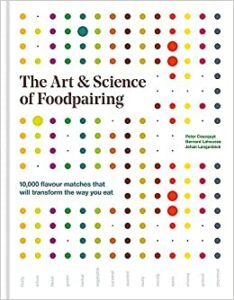
The Art and Science of Foodpairing by Peter Coucquyt, Bernard Lahousse, and Johan Langenbick
Authors: Peter Coucquyt, Bernard Lahousse, and Johan Langenbick
Pages: 388
Publication Year: 2020
"The Art and Science of Foodpairing" delves into the intriguing concept of combining ingredients based on shared aroma compounds. The authors, associated with the pioneering Foodpairing company, have significantly advanced this field, transforming it from a theoretical idea into a practical tool for culinary innovation. The concept, while sometimes considered controversial by purists who emphasize traditional taste harmonies, offers a data-driven approach to ingredient combination. Khymos itself has previously highlighted this area, including an interview with Bernard Lahousse and reports from "The Flemish Primitives" conferences, indicating a long-standing interest in this avant-garde culinary methodology. The book compiles years of research and application, presenting a framework where scientific analysis informs creative pairings. It demonstrates how understanding molecular similarities can inspire unexpected yet harmonious flavor combinations, pushing the boundaries of culinary creativity. Regardless of one’s stance on the scientific rigor of food pairing, the book undeniably provides a wealth of inspiration for chefs and home cooks seeking novel flavor experiences.
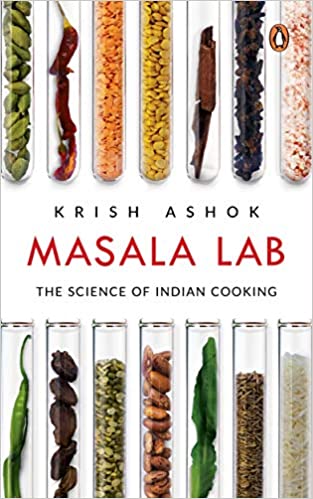
Masala Lab by Krish Ashok
Author: Krish Ashok
Pages: 280
Publication Year: 2020
"Masala Lab" represents a crucial development in the food science literature: the application of scientific methodology to specific regional cuisines. Krish Ashok, an electronic/software engineer by profession, brings a systematic and analytical mind to the intricacies of Indian cooking. This book demystifies traditional Indian culinary practices by explaining the underlying chemical and physical principles behind techniques like tempering spices, making perfect chapatis, or achieving the ideal texture in curries. The enthusiasm for this book, despite its initial limited availability primarily through Amazon India, underscores a significant demand for scientific explanations tailored to diverse culinary traditions. "Masala Lab" is lauded for its fresh perspective, offering both a deeper appreciation for the science of Indian food and practical advice for optimizing traditional recipes. Its success signals a growing trend of applying scientific inquiry to a broader spectrum of global cuisines, moving beyond the traditionally Western-centric focus of much food science literature.
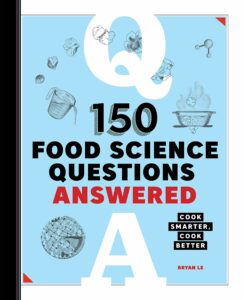
150 Food Science Questions Answered: Cook Smarter, Cook Better by Bryan Le
Author: Bryan Le
Pages: 198
Publication Year: 2020
Bryan Le’s "150 Food Science Questions Answered" is structured as a highly accessible Q&A guide, designed to introduce readers to the scientific mindset in the kitchen. The book covers fundamental topics such as cooking basics, flavor principles, main ingredient groups, and crucial food safety and storage guidelines. Its format makes it an ideal reference for quick look-ups, but its engaging content also encourages casual browsing, where readers are likely to discover intriguing facts and practical tips. This book is particularly recommended for those new to food science or seeking a straightforward, digestible explanation for common culinary queries. It empowers readers to "cook smarter" by understanding the ‘why’ behind their actions, thereby improving their culinary outcomes. The clear, concise answers make complex scientific ideas approachable, serving as an excellent entry point into the vast world of culinary science.
Introduction to Food Science for Kids!: A Kitchen-Based Workbook by Dale W Cox
Author: Dale W Cox
Pages: 112
Publication Year: 2020
Dale W Cox’s "Introduction to Food Science for Kids!" is a testament to the belief that the kitchen is an ideal laboratory for introducing children to fundamental scientific concepts. This workbook is specifically designed to make chemistry and physics engaging and comprehensible for younger audiences through hands-on, kitchen-based experiments. By transforming everyday cooking activities into scientific explorations, the book fosters curiosity and develops critical thinking skills from an early age. It highlights how seemingly simple tasks like baking a cake or making ice cream involve complex chemical reactions and physical changes. This initiative aligns with broader educational goals of promoting STEM (Science, Technology, Engineering, and Mathematics) literacy through relatable and enjoyable activities, ensuring that the next generation develops a foundational understanding and appreciation for the science that surrounds them, even in their food.
Broader Implications and Future Outlook
The comprehensive nature of Khymos’s 2020 recommendations—ranging from foundational texts and deep dives into specific sensory experiences to practical guides and children’s workbooks—underscores the pervasive and growing influence of food science. This diverse selection reflects a maturation of the field, moving beyond a niche interest to a mainstream phenomenon that impacts home cooks, culinary students, and professional chefs alike.
The consistent quality and innovative approaches seen in these 2020 publications suggest a vibrant future for food science literature. Platforms like Khymos play a crucial role in curating and disseminating this knowledge, acting as trusted guides in a rapidly expanding intellectual landscape. The re-emergence of these recommendations also implies a renewed commitment from the platform to maintain its position as a leading voice in the scientific culinary community.
While the specific highlights from 2014-2019 were not detailed in the latest Khymos post, the mention of their existence implies a continuous stream of notable publications during that period, further reinforcing the sustained momentum of the food science movement. It is reasonable to infer that those years also saw significant contributions to molecular gastronomy, fermentation science, and specialized ingredient analyses, reflecting the ongoing evolution of culinary techniques and scientific understanding.
The increasing availability of resources that blend scientific rigor with culinary practicality empowers individuals to not only follow recipes but to truly understand the principles at play, fostering greater creativity, problem-solving abilities, and overall enjoyment in the kitchen. As the scientific understanding of food continues to advance, so too will the depth and breadth of educational resources available, ensuring that the fascinating world where physics meets food remains accessible and inspiring for all.