
Dough hydration, a seemingly simple metric in sourdough bread baking, reveals itself as one of the most complex and critical factors influencing the final loaf. This foundational element, representing the ratio of water to flour, is not merely a number in a recipe but a dynamic interaction that responds to a multitude of environmental and ingredient variables. For bakers, understanding and mastering hydration is paramount to achieving desired textures, crumb structures, and overall quality in their sourdough creations.
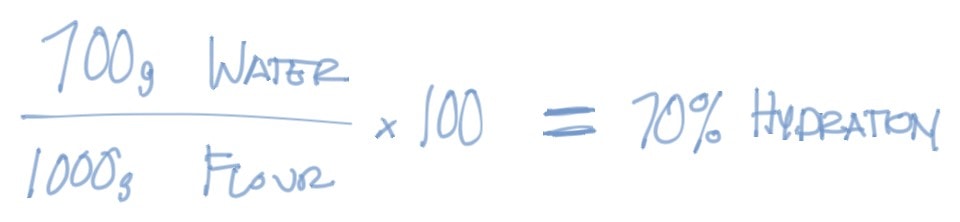
At its core, dough hydration is calculated as a percentage of the total flour weight. The formula is straightforward: divide the weight of water by the total weight of flour and multiply by 100. For instance, a recipe calling for 1,000 grams of flour and 700 grams of water results in a 70% hydration level (700 ÷ 1,000 × 100 = 70%). This percentage serves as an initial indicator for bakers, offering a predictive glimpse into the dough’s behavior before the mixing process begins.
However, experienced bakers emphasize that this percentage is a guideline, not an absolute rule. Flour, the primary ingredient, is inherently variable. Its absorption capabilities can differ significantly based on its type, the mill it comes from, and even the batch or bag. Beyond the flour itself, environmental conditions play a role. While minor fluctuations in humidity might have a subtle impact, significant shifts, such as a transition from a dry to a very humid atmosphere, can necessitate adjustments. A dough that develops perfectly one day might require a different water content the next if the kitchen’s humidity has changed.
The Critical Importance of Hydration in Bread Making
The significance of hydration lies in its profound effect on the final bread’s characteristics. Water is the transformative agent that converts dry flour into a pliable dough, enabling it to capture and retain the gases produced during fermentation. An insufficient amount of water results in a tight, resistant dough, hindering proper development and leading to a dense loaf. Conversely, an excessive amount of water can create a slack, unmanageable dough that struggles to hold its shape, often resulting in a gummy texture and poor oven spring.
The spectrum between these extremes allows for a wide array of bread styles. Lower-hydration doughs, typically ranging from 60% to 68%, tend to produce loaves with a more substantial crust and a chewier texture. These are often easier for novice bakers to handle due to their relative stiffness.
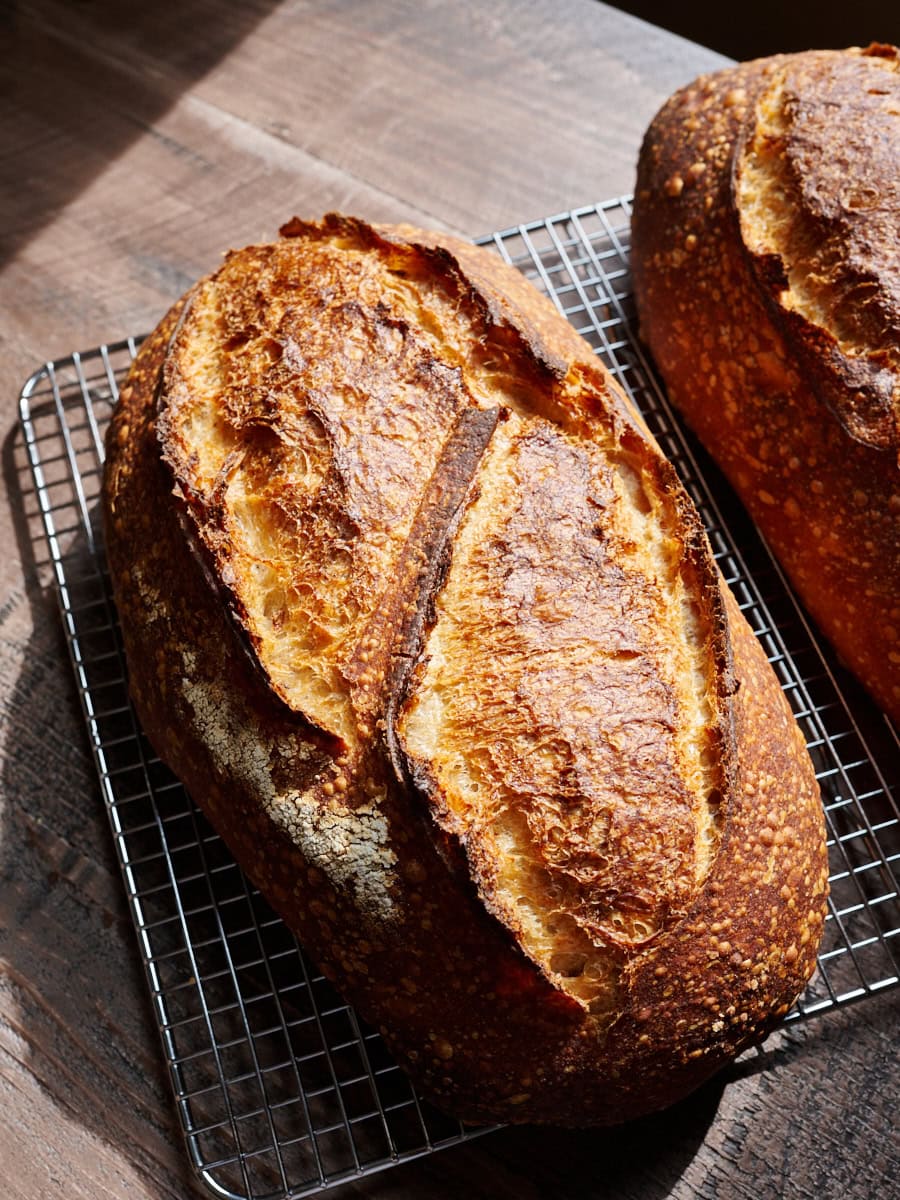
Conversely, higher-hydration doughs, often in the 75% to 85% or even higher range, can yield loaves with a notably thinner, more brittle crust and a tender, custardy interior. These are the hallmarks of styles like ciabatta and focaccia, and some artisan country loaves. While the pursuit of high hydration can be rewarding, pushing water content too far can lead to undesirable outcomes. Overly hydrated doughs may exhibit an excessively soft texture, lose their structural integrity soon after baking, and stale more rapidly if not stored correctly. The goal for many bakers is to find a hydration level that maximizes desired characteristics like volume and texture without compromising the loaf’s overall quality and edibility.
Understanding Hydration Extremes: A Comparative Look
Lower-Hydration Bread (Approximately 60-68%):
Breads produced with lower hydration levels typically exhibit a tighter crumb structure. The crust tends to be thicker and more robust, offering a satisfying chew. Handling these doughs is generally more forgiving, making them an excellent starting point for beginner sourdough bakers. The reduced water content means less potential for stickiness, and the dough is more amenable to shaping without excessive flour dusting.
Higher-Hydration Bread (Approximately 75-85%+):
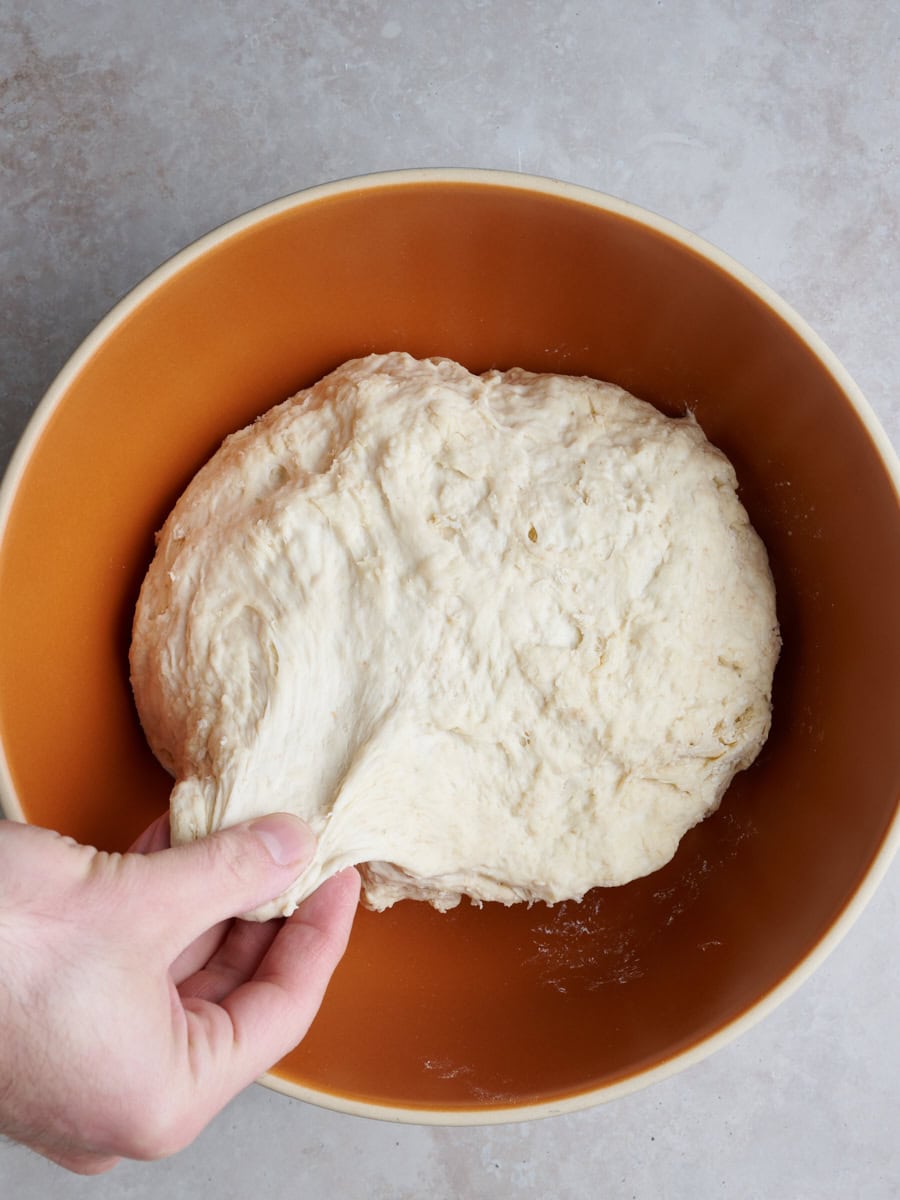
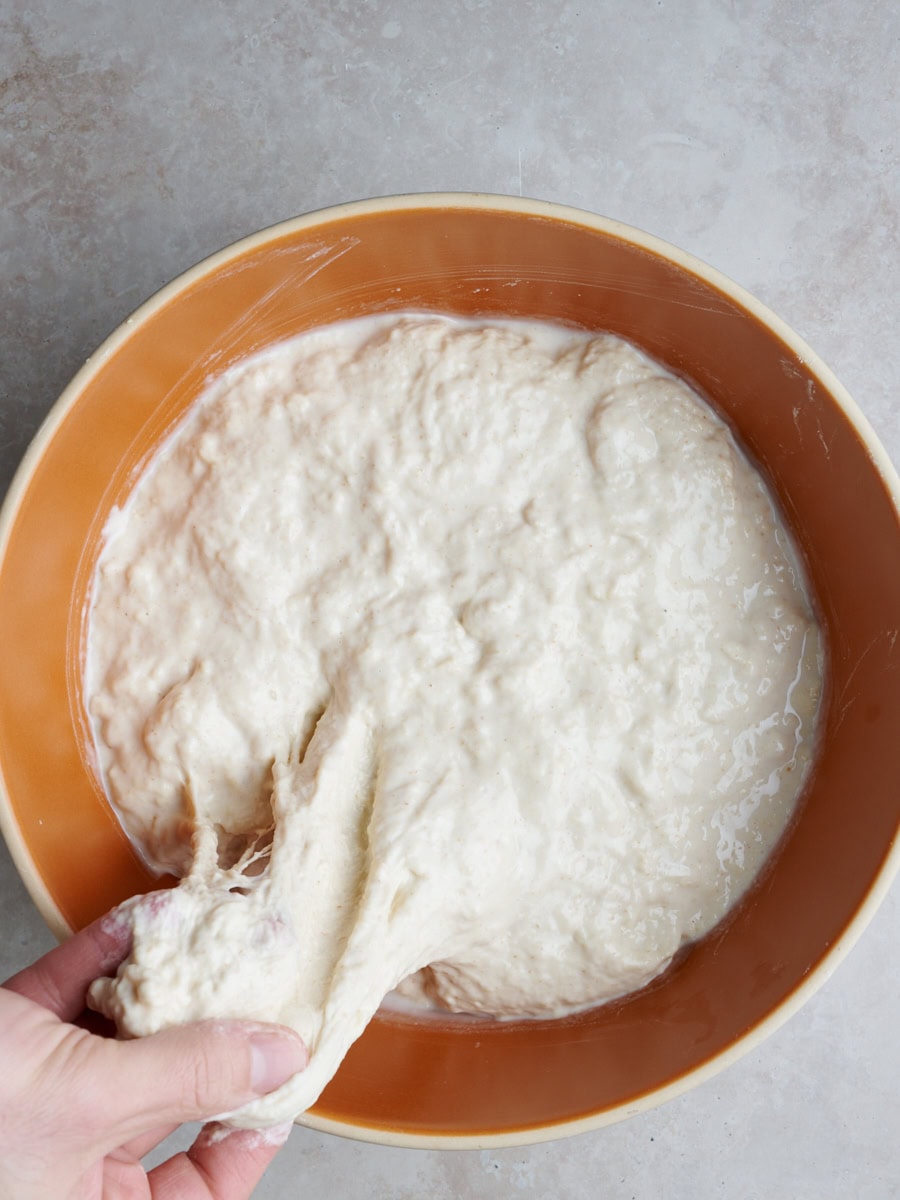
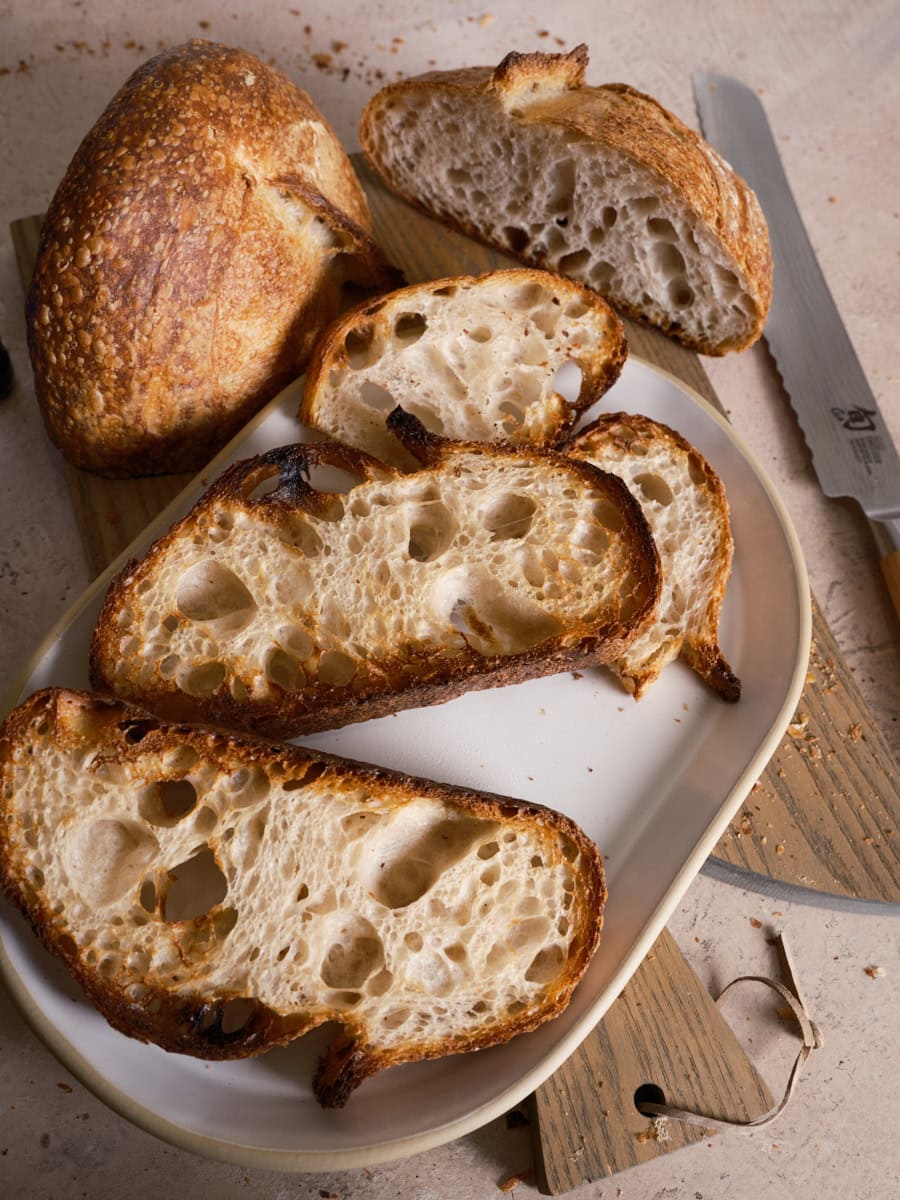
In contrast, pushing hydration significantly higher often results in a more open, airy crumb with a delicate, almost gelatinous interior. The crust, while potentially thinner, can be crisper. Working with these doughs presents a greater challenge. They are stickier and require more advanced techniques for handling, folding, and shaping to maintain their structure. Achieving a well-formed loaf with high hydration demands a deeper understanding of gluten development and dough fermentation.
The "Bassinage" Technique: A Strategic Approach to Hydration
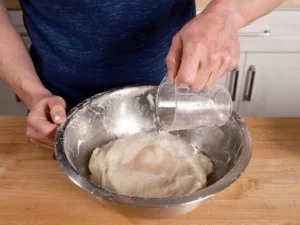
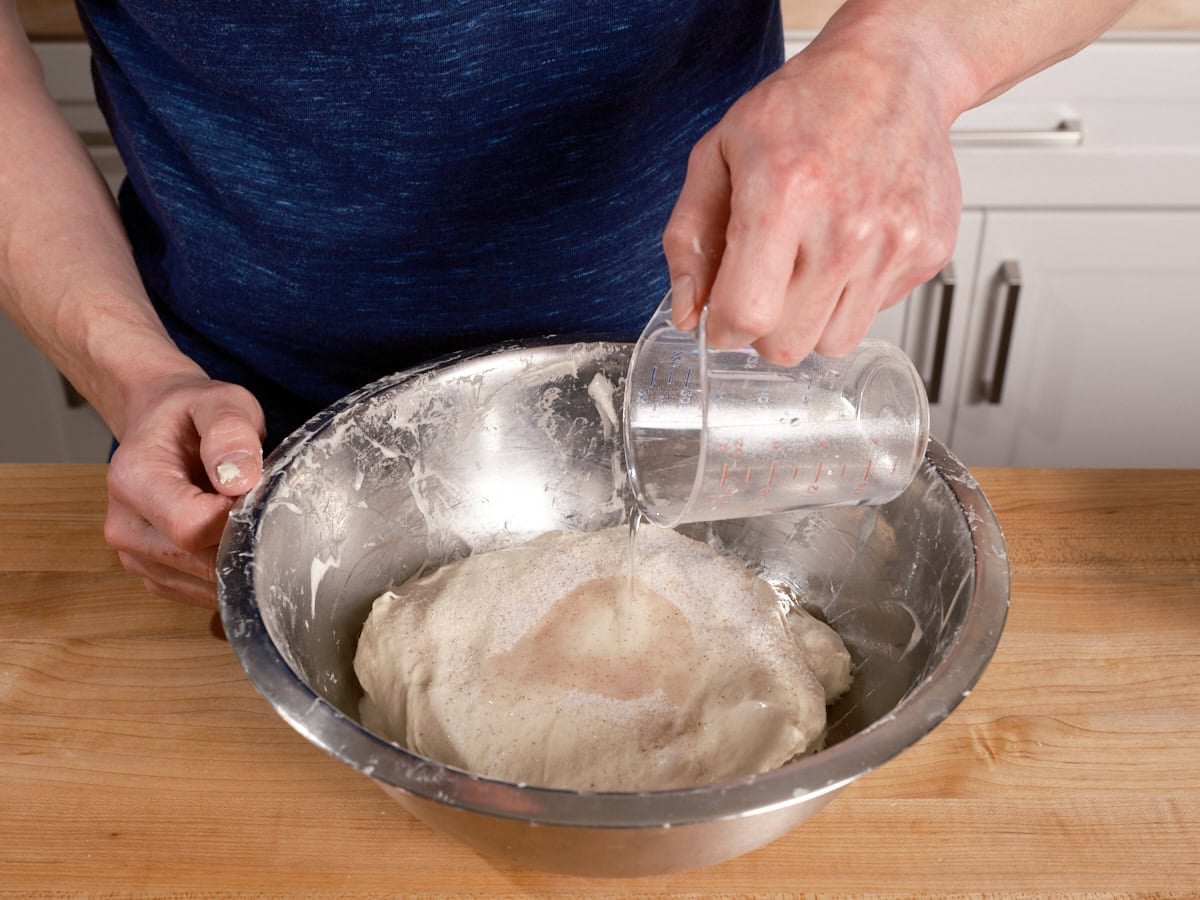
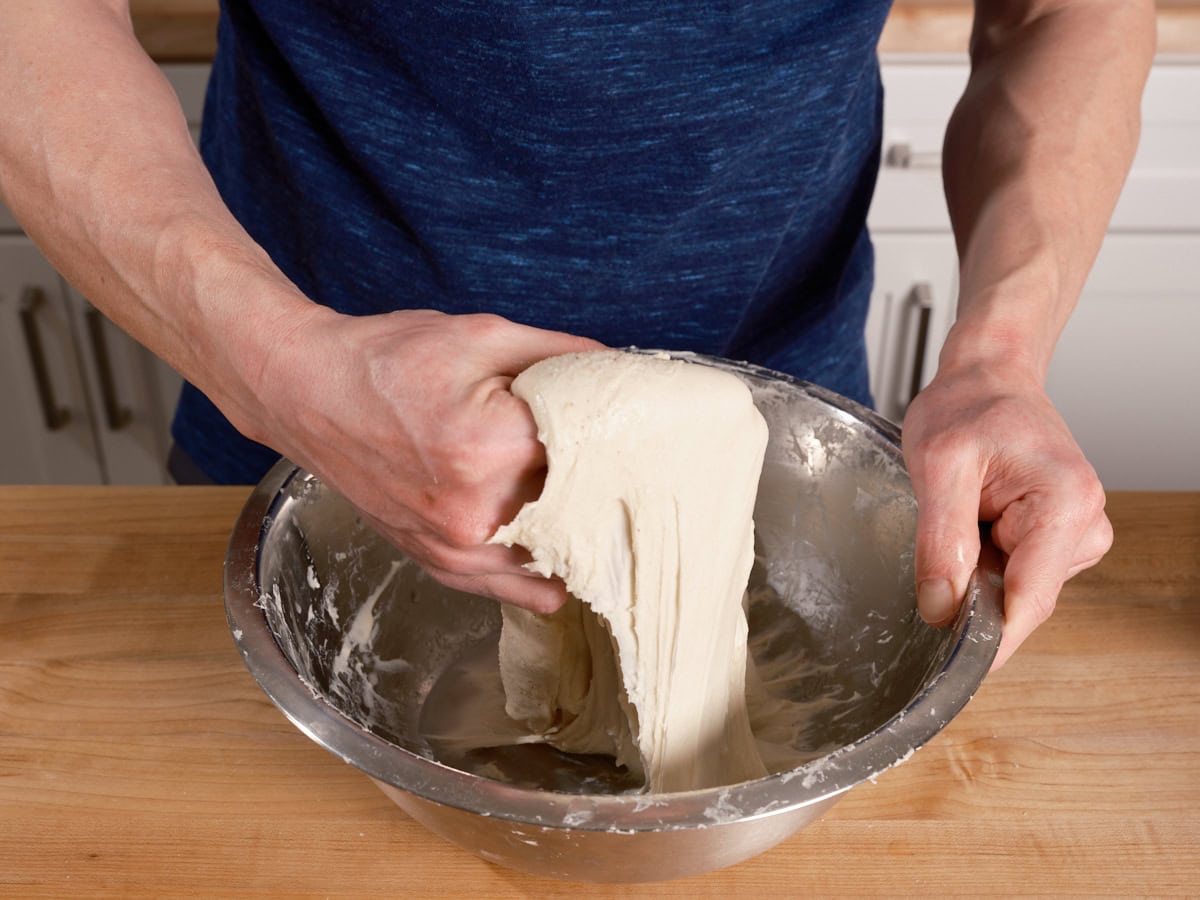
A technique that has revolutionized the approach to high-hydration doughs for many bakers is "bassinage," also known as double hydration. This method involves holding back a portion of the total water and incorporating it gradually during the later stages of mixing, after the initial absorption of water by the flour and the preliminary development of the gluten network.
This phased addition of water offers several key advantages. Firstly, it simplifies gluten development. By not introducing all the water at the outset, especially in high-hydration recipes, bakers can more effectively strengthen the dough. Sufficient friction and gluten development are harder to achieve when the water content is excessively high from the start. Adding the majority of the water initially (around 80-90%) and then gradually incorporating the remainder allows bakers to push hydration levels higher without requiring exceptionally long mixing times or risking under-developed gluten.
Secondly, bassinage provides a valuable opportunity to assess dough strength. By holding back a portion of the water, bakers can gauge the dough’s consistency and structural integrity towards the end of the mixing process. This allows them to make an informed decision about whether to incorporate the reserved water or omit it entirely, depending on how the dough is behaving. Many advanced recipes explicitly detail this by separating water into "Water 1" (for the initial mix and autolyse) and "Water 2" (the reserved amount for fine-tuning the dough’s consistency during the final mix). A practical application of this is: if the dough feels excessively slack and unmanageable after the initial water addition, the reserved water might be omitted. Conversely, if the dough feels strong and capable of incorporating more moisture, Water 2 can be added slowly while mixing.
Factors Influencing Dough Water Absorption
Several key factors dictate how much water a particular flour blend will absorb and how that translates to optimal dough hydration:
Flour Type and Protein Content
The protein content of flour is a primary determinant of its water absorption capacity. Flours with higher protein percentages, commonly found in American "bread flour" (typically 12-14% protein), can absorb more water and often require it to achieve a desirable texture, preventing gumminess. The proteins in flour form the gluten network, which is the structural backbone of the dough, capable of trapping more water. In contrast, flours from other regions, such as those in the UK, South America, or Europe, often have lower protein percentages and are considered "softer." While these flours can yield excellent bread, they may necessitate lower hydration levels to prevent the dough from becoming overly sticky and difficult to manage.
Whole Grain Content
The inclusion of whole grain flours, such as whole wheat, rye, or spelt, significantly increases a dough’s water requirements. The bran and germ particles within these flours are highly absorbent, drawing in substantial amounts of moisture. For example, a sourdough recipe incorporating 50% whole wheat flour might require a hydration level of around 82% to achieve a similar consistency to a 100% white flour dough. When working with recipes high in whole grains, bakers are encouraged to increase hydration, utilizing techniques like bassinage to effectively incorporate the additional water.
Freshly Milled Flour
Flour that has been freshly milled often exhibits a greater thirst for water compared to aged flour. Even after sifting to remove some or all of the bran and germ, freshly milled flour typically necessitates an increase in hydration to achieve the correct dough consistency. This is a common observation among bakers who mill their own grains.
Climate and Environmental Conditions
Geographic location and ambient conditions play a notable role in dough hydration. Bakers in arid, high-altitude regions, such as New Mexico, may find themselves needing higher hydration percentages to compensate for the dry air. Conversely, bakers in more humid climates might need to reduce hydration slightly, as the flour may have already absorbed some moisture from the atmosphere. While the impact of daily humidity fluctuations might be minimal, significant shifts can influence dough behavior and the amount of water required.
Addressing Sticky Dough: Common Causes and Solutions
Sticky dough is a frequent source of frustration for sourdough bakers, often stemming from issues related to hydration levels, dough strength, or a combination of both. Understanding the potential causes is the first step to rectifying the problem:

- Excessive Hydration: The most straightforward cause is simply too much water in the recipe. If the hydration percentage is pushed too high for the specific flour being used, the dough will inevitably become sticky.
- Under-developed Gluten: The gluten network provides the dough with its structure and elasticity. If the gluten has not been sufficiently developed through kneading or folding, it will not be strong enough to hold the water effectively, leading to a sticky consistency.
- Flour Variability: As mentioned, different flours absorb water differently. A flour that is less absorbent than anticipated can result in a sticky dough even at a seemingly moderate hydration level.
- Temperature: Dough temperature can affect its viscosity. Warmer doughs tend to be stickier than cooler ones.
- Over-fermentation: While less common as a primary cause of initial stickiness, an over-fermented dough can lose some of its structural integrity, potentially leading to a slack and sticky feel.
Mastering High-Hydration Doughs: Essential Tips
As hydration levels increase, the stability of the dough diminishes. Raising the water content essentially stretches the gluten matrix to its limits. Managing these more challenging doughs requires specific strategies:
- Embrace Stickiness: Accept that higher hydration doughs will be stickier. Resist the urge to add excessive amounts of flour, which can alter the recipe’s balance. Instead, use damp hands or a dough scraper when handling.
- Develop Gluten Strength: Focus on techniques that build a strong gluten network, such as stretch-and-folds, coil folds, or gentle kneading. A robust gluten structure is crucial for containing the higher water content.
- Utilize the "Bassinage" Technique: As previously discussed, gradually adding water allows for better control over hydration and gluten development.
- Strategic Folding: Perform folds at appropriate intervals during bulk fermentation to build structure and tension.
- Careful Shaping: Shape high-hydration doughs with a gentle but firm hand, aiming to create surface tension without degassing the dough excessively. Using a well-floured surface or bench scraper can be invaluable.
- Cold Fermentation: A period of cold fermentation in the refrigerator can help to firm up high-hydration doughs, making them easier to handle and score before baking.
- Baking Environment: Ensure your oven is sufficiently hot to provide good oven spring. A steam-rich environment during the initial baking phase is also critical for maximizing volume and crust development.
Hydration Quick Reference Chart
A general guideline for hydration levels can be helpful for bakers:
| Hydration Level | Characteristics | Best For |
|---|---|---|
| 60-65% | Stiff, easy to handle, potentially thicker crust | Bagels, pretzels, pizza, some pan loaves |
| 65-70% | Balanced, manageable, good structure | Classic breads, beginner-friendly sourdough |
| 70-75% | Moderately open crumb, thin crust | Classic country loaves, baguettes |
| 75-80% | Requires longer mixing, tender crumb, requires skill when handling | Ciabatta, focaccia, open-crumb loaves, sandwich loaves |
| 80%+ | Requires longer mixing, typically more open crumb, custard-like crumb, challenging to shape | High-hydration loaves, specialty breads requiring extreme openness and tenderness |
Frequently Asked Questions About Dough Hydration
Why can’t I just add more flour if my dough is too wet?
Adjusting flour or water in a recipe directly impacts the balance of ingredients. When using baker’s percentages, all components (salt, levain, etc.) are calculated relative to the total flour weight. Altering the flour weight necessitates recalculating all other percentages and weights to maintain the intended recipe ratios. In contrast, adjusting water solely affects the hydration level without disrupting the relationships between other ingredients. While it’s generally advisable to stick to the recipe’s hydration, in extreme cases where a dough is completely unmanageable due to an error, adding a small amount of flour until it comes together can be a last resort, but this deviation should be noted for future reference.
Does higher hydration necessarily mean a more open crumb?
Not exclusively. While hydration is a significant factor, it is not the sole determinant of crumb structure. Proper fermentation, effective shaping techniques, and appropriate baking conditions are equally crucial. It is possible to achieve a beautifully open crumb with a moderate hydration level (e.g., 68%) and a dense, tight crumb with a higher hydration level (e.g., 80%) if other factors are not optimized. Bakers should focus on mastering all the fundamental elements of sourdough baking rather than solely pursuing higher hydration as a means to achieve an open crumb.
What hydration level should a beginner start with?
For novice sourdough bakers, a hydration level of approximately 68% to 70% using a quality bread flour is highly recommended. This range offers a dough that is forgiving and manageable, allowing for successful development and shaping while still yielding an attractive loaf. As bakers gain experience and develop a better feel for dough consistency at various stages, they can gradually experiment with higher hydration levels.
What is the ideal hydration for bread dough?
There is no single "ideal" hydration level that applies to all bread doughs. The optimal hydration is contingent upon the specific flour being used, its absorption properties, and the desired characteristics of the final bread. While most bread doughs fall within the 60% to 80% hydration range, some artisan styles may extend beyond these limits. The key is to understand how hydration interacts with the chosen flour and the intended outcome.
Cultivating Baker’s Intuition: The Ultimate Goal
Ultimately, mastering dough hydration is less about rigidly adhering to numbers and more about developing "baker’s intuition"—a finely tuned sensitivity to the dough’s needs. This involves learning to observe and feel what the dough communicates at each stage, rather than blindly following a recipe. Each bag of flour possesses unique characteristics, and daily environmental conditions vary. The most accomplished bakers are those who view recipes as starting points for a dialogue with their ingredients.
The practice of keeping detailed baking notes is invaluable in this process. Recording the hydration percentage used, the dough’s tactile feel during mixing and fermentation, the prevailing weather conditions, and the characteristics of the final loaf builds a repository of knowledge. Over time, this iterative process fosters an intuitive understanding of hydration that surpasses any written guide. By embracing this journey of observation and adaptation, bakers can unlock their full potential in the art of sourdough bread making.