
Las Vegas, NV – The Consumer Electronics Show (CES) 2026, often a bellwether for technological advancements, may well be remembered as the year the humanoid robot made a significant splash across the exhibition floor. From meticulously folding laundry and precisely boxing products to engaging in simulated games and delivering marketing pitches with uncanny fluency, these advanced automatons captured the imagination of tens of thousands of attendees. Amidst this surge of robotic innovation, a pivotal discussion unfolded on the food tech stage, probing the profound question: will artificial intelligence and robotics fundamentally alter the landscape of culinary creation, or will they serve as mere assistants to the human cook?
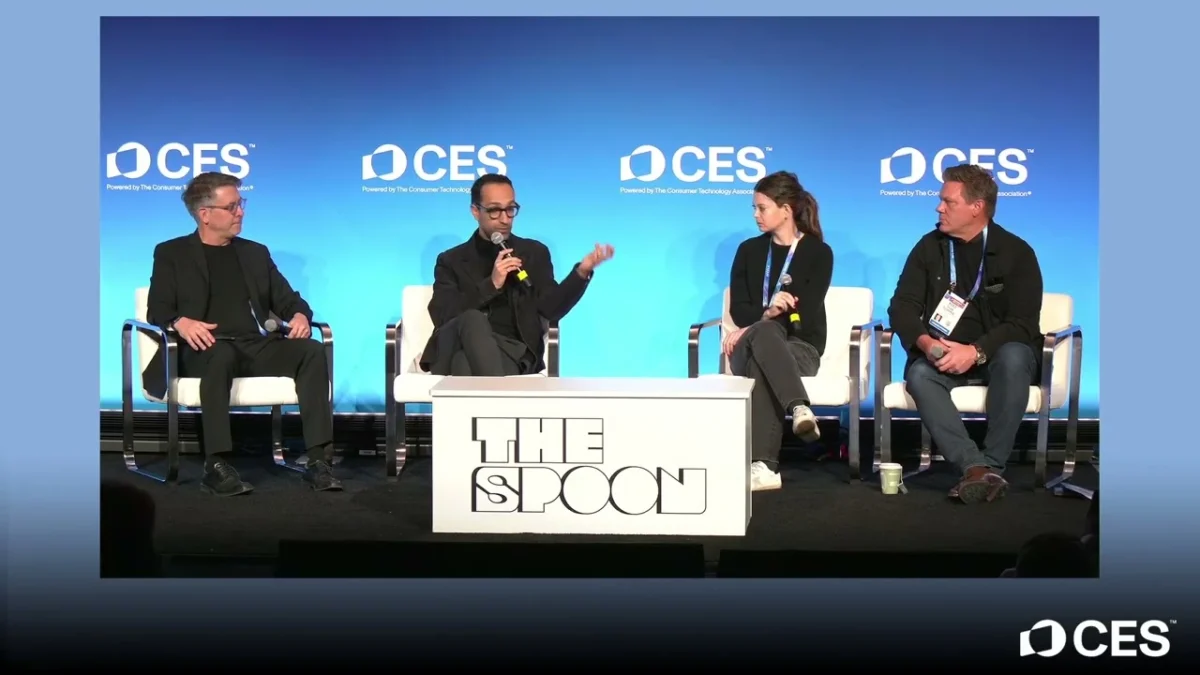
The session, aptly titled "Robot vs. Chef: Will AI Augment or Replace the Cook?", brought together a distinguished panel to dissect this complex issue. Moderated by the author, the discussion featured renowned television chef Tyler Florence, a proponent of hands-on culinary artistry, alongside two leading figures in robotics development: Nicole Maffeo of Gambit Robotics, a company focusing on specialized robotic solutions, and Ali Kashani of Serve Robotics, known for its autonomous delivery robots. The ensuing dialogue, far from being a simple debate, evolved into a collaborative exploration of the future of food preparation, revealing a surprising consensus among the experts regarding the optimal roles for robots in both domestic and professional kitchens, though with nuanced perspectives.
The Rise of the Helper Bot: Augmentation Over Automation
While the CES show floor buzzed with the theoretical capabilities of a multitude of robots, the panel’s focus quickly shifted to the practical, real-world applications of these technologies in the culinary domain. From the outset, a strong rejection of the notion that AI or robotics would render human chefs obsolete permeated the conversation. Chef Tyler Florence articulated this sentiment by characterizing AI not as an independent creative entity, but rather as a highly responsive tool, its output entirely contingent on human direction and input.
"As great as AI is right now," Florence stated, emphasizing the crucial role of human guidance, "it’s really all about the prompts. It’s not going to do anything if it’s just sitting there by itself." This assertion highlights a fundamental understanding of AI’s current limitations: it is a powerful amplifier of human intent, not a self-sufficient innovator.
This perspective was echoed by both Maffeo and Kashani, who concurred that the most effective deployment of AI and robotics in kitchens would be in collaboration with human chefs, rather than in direct competition. Their vision centers on robots taking on the repetitive, physically demanding, and often unglamorous tasks that can significantly detract from a chef’s creative energy and overall efficiency. This division of labor, they argued, is not about replacing the cook but about empowering them.
Addressing the Unsung Tasks: Efficiency, Safety, and the Human Element
The conversation delved deeper into the types of tasks that are ripe for automation. The panelists acknowledged that not all jobs are inherently fulfilling or even desirable for human workers. The performance of such tasks, particularly those that are repetitive or pose a risk of injury, can lead to decreased morale and increased workplace accidents.
Ali Kashani, drawing from his experience in robotics, pointed out that automating these specific types of tasks is already a reality. "If you have that job, like coring an avocado, that’s not a great job," he explained. "It’s actually dangerous. People cut their fingers." By delegating such hazardous and monotonous duties to robots, Kashani posited, companies can not only mitigate workplace injuries but also liberate their human workforce to concentrate on more complex, creative, and guest-facing aspects of their roles. This sentiment underscores a key principle in the evolving human-robot dynamic: leveraging technology to enhance human capabilities and well-being.
The Humanoid Debate: Form Follows Function
The prevalence of humanoid robots on the CES floor, with their near-human form factors and anthropomorphic behaviors, stood in stark contrast to the panelists’ vision for kitchen robotics. When directly questioned about the utility of a humanoid design in culinary settings, all three experts expressed skepticism, agreeing that such robots are unlikely to be a common sight in restaurants or home kitchens in the foreseeable future.
Kashani humorously illustrated this point: "No one wants a man coming out of their closet to come and cook them dinner and then going back in." This lighthearted, yet pointed, remark highlights the potential for unease and the lack of practical necessity for human-like robots performing kitchen duties.
Nicole Maffeo further elaborated on this sentiment, emphasizing practicality and cost-effectiveness. "We don’t need someone coming out and doing all these things for us," she stated. "Just help us solve these simple pain points that waste so much of our time." Maffeo’s perspective strongly favors the development of distributed, specialized robots designed for single, well-defined tasks. She believes this approach is not only more economical but also significantly more practical for the next decade, offering targeted solutions to specific kitchen challenges. This focus on task-specific automation aligns with the current trajectory of industrial robotics, where precision and efficiency in narrow domains often outweigh the versatility of generalized humanoid forms.

The Evolving Value of Human Craftsmanship
Despite the rapid advancements in robotics and AI across the food system, the role of individuals like Tyler Florence, who have built their careers on human-centric culinary artistry, remains a critical consideration. Florence offered a prescient observation: as robotics become increasingly pervasive, the perceived value of human craftsmanship will likely intensify. In a world where machines can execute tasks with remarkable efficiency and at a lower cost, the unique qualities of human judgment, nuanced taste, and personal presence in food preparation will become increasingly cherished and sought after.
"Human-made will become the new luxury item," Florence predicted. "Things that feel like this is made by a human being, thought of by a human being, produced by a human being." This assertion suggests a potential market bifurcation, where efficiency and convenience are met by automation, while authenticity and artistry command a premium. In high-end dining, Florence anticipated that automation would largely operate behind the scenes, ensuring seamless operations, while human interaction and the artistry of the chef would be elevated as a premium experience, one for which discerning consumers would be willing to pay.
The Future of the Home Kitchen: Intelligent Appliances and Assisted Living
The discussion then pivoted to the domestic sphere, where the vast majority of meals are prepared and consumed. The panelists explored the potential impact of automation and AI on the home kitchen of the future. Kashani envisioned a significant integration of intelligent technologies into everyday appliances. He foresees computer vision, the Internet of Things (IoT), and automation working in concert within refrigerators, ovens, and other kitchen tools to assist individuals with meal planning, significantly reduce food waste, and simplify the food preparation process.
"Every step of that process, we can be assisting people with the help of AI and robots," Kashani affirmed, painting a picture of a more intuitive and supportive home cooking environment.
Both Kashani and Maffeo highlighted the potential for these technologies to be particularly beneficial in supporting aging-in-place scenarios. As populations age, the ability for individuals to maintain independence in their homes becomes a significant societal goal. AI-powered kitchen assistants could provide crucial support, from reminding individuals about medication schedules to assisting with meal preparation and ensuring nutritional needs are met. Maffeo specifically noted the likely integration of such technologies into pantries and refrigerators, enabling smarter inventory management and more effective meal planning for individuals of all ages and capabilities.
Societal Implications: Jobs, Culture, and the Human Touch
As the panel drew to a close, the conversation broadened to encompass the long-term societal implications of the increasing presence of robots and AI in the food industry, touching upon culture, employment, and the very fabric of society. To the author’s surprise, a prevailing sense of cautious optimism emerged among the panelists.
Kashani, referencing historical precedents, argued that technological advancements, while disruptive in the short term, have historically led to the creation of new job categories rather than outright job elimination. "Every such prediction in the past has been wrong," he stated, pointing to the consistent growth in employment alongside technological evolution throughout history.
While the author acknowledged this historical trend, they also raised the point that job displacement remains a significant concern, suggesting that deeper conversations about economic safety nets, such as universal basic income, would be necessary to address the potential fallout.
Chef Florence, however, introduced a profound cultural consideration, emphasizing the deeply personal and communal nature of food. "Food is memory and identity, something passed down through families and communities," he articulated. "We’re all defined by what our grandparents cooked. And that really defines us as people." This sentiment underscores the enduring human connection to food, suggesting that while technology may transform how we prepare meals, the emotional and cultural significance of cooking and sharing food will likely remain a uniquely human domain.
The session concluded as a thought-provoking exploration of a future where the lines between human and artificial intelligence in the kitchen are increasingly blurred. The insights gleaned from the panel offer a nuanced perspective on the evolving relationship between technology and culinary arts, suggesting a future where augmentation, efficiency, and the preservation of human craftsmanship will likely define the culinary landscape for years to come.
The full session can be viewed here (Note: Placeholder for actual video link).