
The seemingly innocuous comment from a highly competent law professional, identified here as Anna, recently highlighted a pervasive challenge in public health: the tendency to seek niche, often peripheral, solutions to fundamental lifestyle issues. Despite her sharp critical thinking skills and professional acumen, Anna found herself exploring specialized health products while grappling with more foundational inconsistencies in her daily routine, a pattern observed widely across various demographics.
Anna’s aspiration to lose approximately 15 pounds led her to investigate the potential impact of microplastics on hormonal balance and weight gain, an increasingly discussed topic in wellness circles. Her focus on a BPA-free tupperware set stemmed from reading about these concerns. However, this exploration occurred against a backdrop of admitted struggles with consistent gym attendance, frequent reliance on takeout meals, and sacrificing sleep for digital engagement. When prompted about more conventional strategies—such as regular workouts and home-cooked meals—Anna expressed a common sentiment: "Yeah, but I’ve tried that a thousand times. If it were that simple, it would have worked already." This response encapsulates a widespread skepticism towards basic health advice, often born from repeated unsuccessful attempts and a yearning for novel, more potent solutions.
The Allure of the "Magic Bullet" in Modern Wellness
The human inclination to bypass difficult, consistent habit changes in favor of an ultra-specific, seemingly transformative "magic bullet" is a well-documented psychological phenomenon. This quest manifests in various forms: hours spent researching the "optimal" workout regimen instead of simply performing a known basic routine, or delaying action until a mythical "right time" arrives. The appeal of such distractions is potent. Acquiring new fitness gear or popular supplements provides an immediate, tangible sense of progress. Consuming a constant stream of YouTube videos or articles about cutting-edge health trends offers the illusion of proactive engagement. And deferring action until conditions are "perfect" provides temporary comfort and avoids immediate discomfort.
However, genuine, sustainable change invariably hinges on consistent, actionable effort. Humans, with their complex cognitive biases, often devise sophisticated methods to sidestep the unglamorous, often difficult actions that truly drive transformation. This dynamic is exacerbated by a wellness industry that frequently markets quick fixes and revolutionary breakthroughs, inadvertently diverting attention from the time-tested principles of health.
Understanding the Fundamentals: What We Know But Don’t Always Do
The core tenets of good health are remarkably consistent and widely understood by public health bodies and medical professionals. These fundamental habits include:
- Regular Physical Activity: Aiming for at least 30 minutes of moderate-to-vigorous exercise most days of the week, incorporating a mix of aerobic and resistance training. The World Health Organization (WHO) recommends 150-300 minutes of moderate-intensity aerobic activity or 75-150 minutes of vigorous-intensity aerobic activity per week for adults, alongside muscle-strengthening activities.
- Nutrient-Dense Diet: Consuming primarily whole, minimally-processed foods. A common guideline suggests that if 80% of one’s diet consists of such foods, significant health benefits can be accrued. This approach acknowledges that dietary perfection is neither necessary nor sustainable, allowing for occasional treats as part of a balanced intake.
- Adequate Protein Intake: Ensuring sufficient protein to support muscle mass, regulate appetite, and facilitate body recomposition goals. Recommendations typically range from 1.2 to 2.2 grams of protein per kilogram of body weight, translating to approximately 4-6 palm-sized portions of lean protein daily for most individuals.
- Prioritizing Quality Sleep: Consistently achieving seven to eight hours of quality sleep per night. While sleep quality can be influenced by many factors, establishing a consistent sleep schedule and a relaxing wind-down routine can significantly improve outcomes. The Centers for Disease Control and Prevention (CDC) highlights sleep deprivation as a public health problem linked to chronic diseases.
- Minimizing Harmful Substances: Avoiding or substantially reducing excessive consumption of alcohol, recreational drugs, and tobacco products. These substances are well-established risk factors for numerous chronic diseases and premature mortality.
While other crucial factors like fostering positive social relationships and effective stress management could be added to this list, consistent adherence to even these five basic behaviors remains remarkably low. A notable statistic reveals that only six percent of Americans consistently perform all five of these fundamental health behaviors. This implies that nearly 94 percent of the population struggles with the basics, despite their proven efficacy in achieving common goals such as weight management, improved athletic performance, and extended healthy lifespans. The disparity between knowledge and consistent action forms the crux of the public health challenge.
Psychological Barriers to Fundamental Health Practices
Several psychological barriers often impede individuals from consistently adopting these basic, yet profoundly impactful, health habits.
1. Ambition Overload and the Planning Fallacy:
Many individuals, when frustrated with their current health status, embark on ambitious plans to overhaul their lives. This might involve declaring an intention to exercise for an hour daily, "eat clean" at every meal, and sleep eight hours nightly, even if their current habits are far removed from these ideals. This "all-or-nothing" approach is often fueled by cognitive biases, such as the planning fallacy, which leads people to underestimate the time, resources, and effort required to complete future tasks, believing they will have more time and motivation than they realistically will. The immediate comfort derived from creating an idealistic, future-oriented plan can be powerful, but these complex plans frequently fail to integrate into already busy lives. When these ambitious goals prove unattainable, individuals often blame themselves, attributing failure to a lack of willpower or discipline, thereby reinforcing a self-defeating narrative about their inability to maintain consistency.
2. The Appeal of Novelty: Seeking "Hardcore" or "Cutting-Edge" Solutions:
A common belief is that if simple health practices like eating vegetables, getting enough sleep, and staying active were truly effective, everyone would be healthy. This overlooks the fact that widespread knowledge does not equate to widespread application. The aforementioned statistic that only six percent of Americans consistently engage in basic health behaviors underscores this point. The "simplicity" of these actions often renders them "boring" in a society constantly seeking excitement and innovation. New diets, "magical" supplements, and "biohacking" trends offer novelty and the alluring promise of a new outcome, a "new us."
However, most extreme, proprietary, or "cutting-edge" strategies are often unsustainable, inaccessible, or lack scientific validation. They demand significant investment of time, effort, and money with little return, all while diverting focus from the proven methods that actually yield results. The persistent media portrayal of rapid transformations and "secret" celebrity regimens further fuels this cycle, perpetuating the myth that profound change requires extraordinary, rather than consistent, effort.
3. The Illusion of Perfectionism:
The health and fitness industry often propagates an unrealistic ideal of "perfect" health—an image of organic-only diets, marathon-running capabilities, and disciplined morning routines. This creates a pervasive belief that one must achieve absolute flawlessness to be truly healthy. While the idea of striving for one’s "best self" is commendable, the pursuit of an unattainable "perfect" self can be detrimental.

The reality is that human beings, even exceptionally healthy ones, experience illness, discomfort, slumps, and bad days. Accepting this vulnerability can be challenging, as it confronts the comfortable illusion that a specific routine or supplement can render one immune to life’s inevitable challenges. True, realistic self-improvement often necessitates accommodating one’s "worst self"—the part that prefers instant gratification over delayed rewards. Life is inherently unpredictable, filled with obstacles, distractions, and competing demands that make sustained perfection impossible. Letting go of the illusion of a perfect self—one always possessing ideal energy, willpower, and optimal choices—and instead supporting the needs of one’s real self, with its imperfections and fluctuating capacities, is crucial for long-term health and well-being.
Strategies for Effective and Realistic Action
Overcoming these barriers requires a shift in perspective and the adoption of practical, sustainable strategies.
1. Explore the "Why" Before the "How":
Before embarking on any change, a deeper understanding of one’s motivations is essential. Asking probing questions such as "Why is this change important to me?" "What are the long-term consequences of not taking action?" or "How will my life be different if I achieve this goal?" can uncover intrinsic drivers. Exercises like "The 5 Whys" (repeatedly asking "why" to delve deeper into a stated reason) can help articulate core values and create a more enduring commitment. When the fundamental "why" is clear, individuals are more likely to sustain effort, even when faced with challenges.
2. Prioritize the Most Effective Actions:
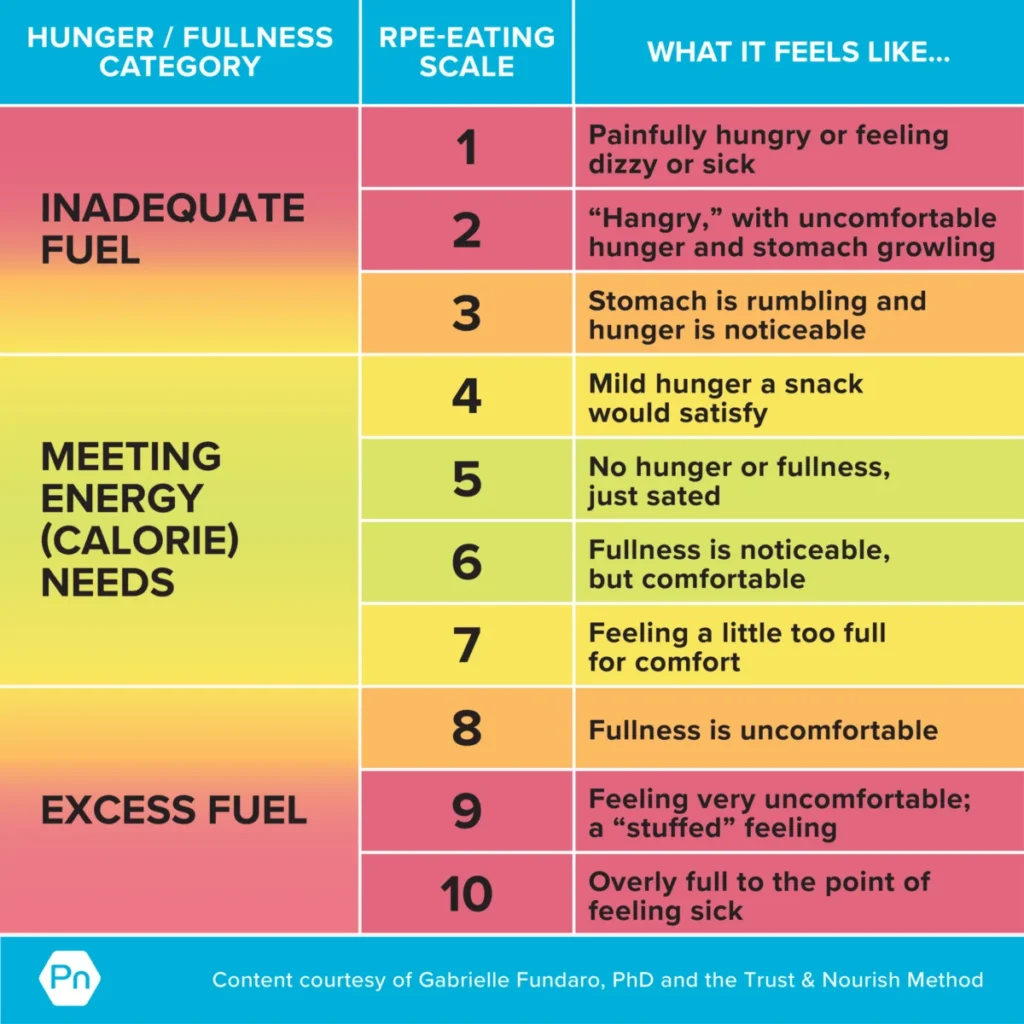
Effective change involves realistic prioritization. It means identifying the most impactful behaviors relative to one’s goals, focusing on actions that are genuinely achievable, consistently repeatable, and adaptable to changing circumstances. For most health goals, these essentials typically revolve around movement, nutrition, and recovery practices. Utilizing structured guidance, such as a "Skills, Practices, and Daily Actions Cheat Sheet" (as used by Precision Nutrition), can help individuals break down broad domains (e.g., "Nutrition") into specific skills (e.g., "Eat well intuitively"), then into practical daily actions (e.g., "Record hunger and fullness levels at the start and end of meals"). This systematic approach helps distill complex goals into manageable, measurable steps.
3. Implement the "Dial" Concept: Flexible Consistency Over Rigid Perfection:
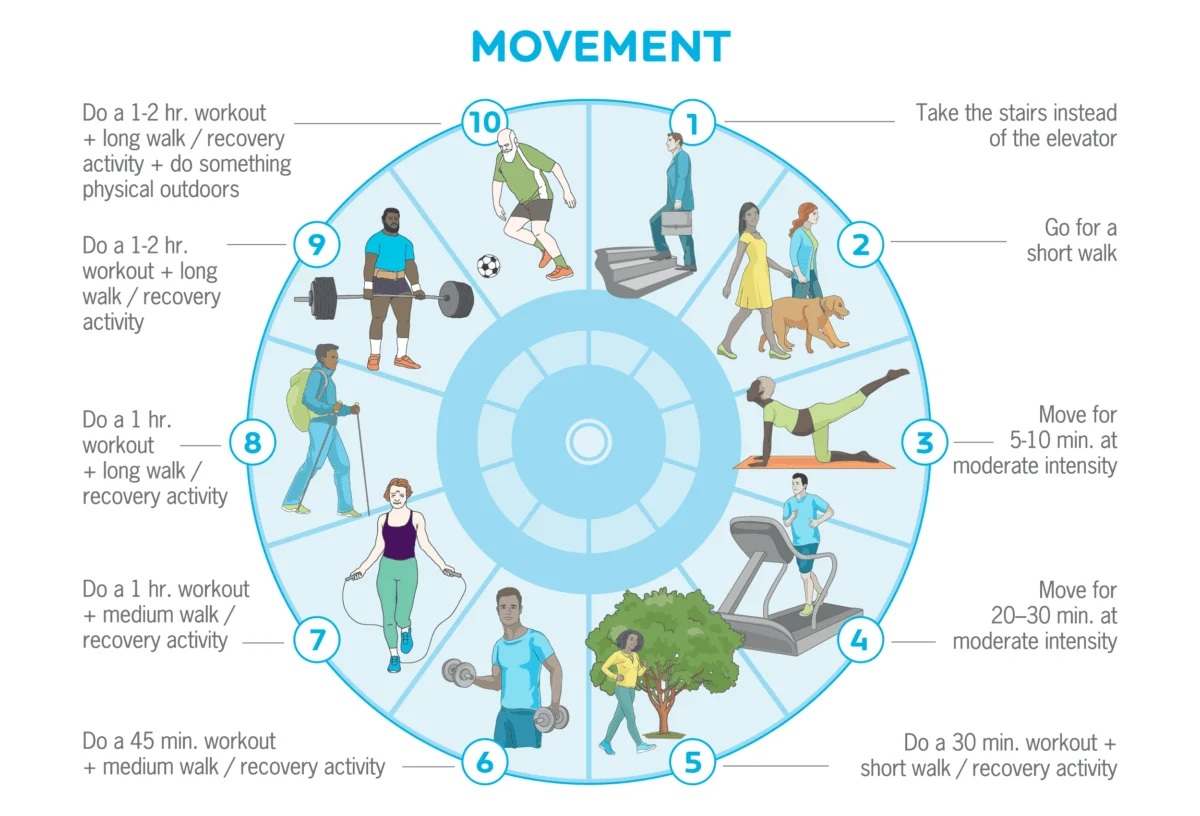
A critical strategy for long-term adherence is to embrace flexibility. Instead of an "on" or "off" switch for health habits, envision them as being on a "dial." This involves defining a "floor" (the absolute minimum action you can take, even on your worst day) and a "ceiling" (your ideal, maximum effort). For instance, a "floor" for exercise might be a five-minute walk, while the "ceiling" could be an hour-long, intense gym session.
This framework acknowledges that life is unpredictable. On days when energy, time, or motivation are abundant, one can "turn the dial up," striving for higher levels of engagement. On challenging days, instead of abandoning efforts entirely, one "turns the dial down" to the predetermined minimum. The crucial insight is that doing the bare minimum still "counts." It is not a failure; it is a success within the context of a real, messy life. This approach fosters consistency, prevents the "all-or-nothing" cycle, and builds resilience by ensuring that healthy habits are never fully abandoned.
4. Create a Supportive Ecosystem:
Intentions and willpower alone are often insufficient for sustained behavioral change. The environment plays a profound role in shaping behaviors. As noted in a review from Nature Reviews Psychology, access is a primary influencer of behavior—individuals with easy access to healthy food options or gyms are more likely to adopt related habits. While not everyone can change their neighborhood, most individuals have considerable control over their immediate environments.
Building an "ecosystem that makes failing nearly impossible" involves strategically modifying one’s surroundings to make desired actions the "obvious" or easiest choice. This could involve a "kitchen makeover" where nutritious foods are prepped and prominently displayed, while less healthy options are removed or made difficult to access. Other environmental modifications include:
- Removing obstacles: Laying out workout clothes the night before, or keeping gym shoes by the door.
- Adding prompts: Setting alarms for hydration breaks, or placing a meditation cushion in a visible spot.
- Cultivating supportive relationships: Surrounding oneself with individuals who share similar health goals and offer encouragement.
Investing effort in designing a supportive environment on the front end significantly reduces the need for constant willpower and makes desired behaviors more automatic and sustainable in the long run.
Embracing "C+ Effort" for Sustainable Health
For many, particularly those with perfectionist tendencies, the idea of "C+ effort" can be challenging. However, this concept is central to navigating the inherent imperfections of life and maintaining long-term health. It acknowledges that none of us are perfect, and expecting perfection inevitably leads to cycles of intense effort followed by burnout and self-reproach.
Adopting an attitude of self-compassion and acceptance towards one’s human vulnerabilities allows for a more sustainable approach. It means working with one’s limitations rather than constantly struggling against them. There will be times when one excels, achieving "A" level performance in fitness and nutrition, and those moments should be celebrated. But equally important is the ability to dial down effort without self-condemnation when life demands it.
Living a healthy, meaningful life is a continuous journey of striving for one’s best, balanced with the flexibility to accommodate mistakes, bad days, and fluctuating life circumstances. The surprising truth is that "good enough," consistently applied over time, yields far greater and more sustainable results than sporadic bursts of "perfect" effort. It is in this embrace of consistent, flexible, and realistic action that true and lasting health transformations are forged.