
The modern dietary landscape has become increasingly polarized, with "seed oils"—a term encompassing oils derived from crops like soybeans, corn, canola, and sunflower—at the center of an intense health debate. Once heralded as heart-healthy replacements for saturated fats in the mid-20th century, these industrial oils are now being labeled as "toxic sludge" or "the hateful eight" by proponents of ancestral, carnivore, and paleo-style diets. This shift in public perception, fueled by viral social media trends and a growing skepticism toward processed food manufacturing, has forced nutrition scientists and health organizations to revisit the data. To understand the actual impact of these oils on human health, one must look beyond the rhetoric and examine the complex intersection of food chemistry, industrial processing, and long-term epidemiological outcomes.
The historical context of this debate dates back to the early 1900s, when technological advancements in chemistry enabled the extraction of oil from seeds that were previously considered difficult to process. Before this, human diets were primarily composed of fats from animal sources—such as lard, tallow, and butter—or from naturally oily fruits like olives and coconuts. As industrial food production expanded, companies began utilizing high-heat extraction, chemical solvents like hexane, and deodorization processes to render oils from corn, soy, and rapeseed. This transition was heavily promoted by health organizations in the 1970s and 80s, which advised the public to move away from saturated animal fats in favor of polyunsaturated vegetable oils to lower cholesterol levels and mitigate the risk of cardiovascular disease.
However, the current backlash is rooted in the argument that this industrial processing creates a product that is evolutionarily mismatched with human biology. Unlike olive oil, which can be extracted through simple mechanical pressing, seed oils require a rigorous, multi-stage refining process. This process can involve temperatures exceeding 400 degrees Fahrenheit, bleaching, and chemical degumming. Critics argue that these steps strip away natural antioxidants and vitamins while potentially creating trans fatty acids and lipid oxidation products that may contribute to systemic inflammation, oxidative stress, and chronic diseases such as obesity, depression, and inflammatory bowel conditions.

The scientific community’s response has been nuanced. While the "toxic" label is widely considered an exaggeration by mainstream nutritionists, the concerns regarding the ubiquity of refined oils in the modern diet are valid. The primary issue is not necessarily the oils themselves in isolation, but their overwhelming presence in the ultra-processed food supply. According to data from the Centers for Disease Control and Prevention (CDC), ultra-processed foods account for nearly 60 percent of the average American’s caloric intake. These products—ranging from crackers and salad dressings to frozen dinners and snacks—are almost universally formulated with cheap, refined seed oils.
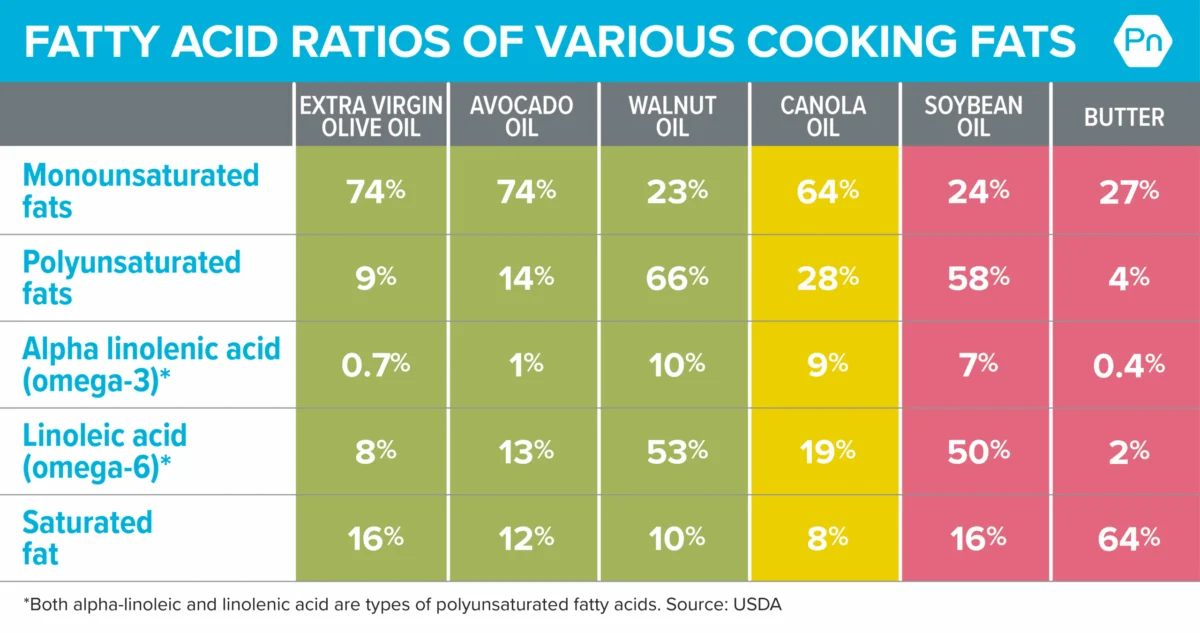
When examining the health implications, researchers often distinguish between the fatty acid profile of the oil and the health of the food matrix. Polyunsaturated fatty acids (PUFAs), which are abundant in seed oils, are essential for human health, but they are chemically unstable. They are prone to oxidation when exposed to light, heat, and air. This is why the industry relies on heavy processing to ensure a long shelf life. Conversely, fats like extra virgin olive oil (EVOO) are rich in monounsaturated fats and polyphenols—plant compounds that act as natural stabilizers and offer anti-inflammatory benefits. Large-scale studies, such as the PREDIMED trial, have consistently demonstrated that diets rich in extra virgin olive oil are associated with a significant reduction in major cardiovascular events.
The argument regarding omega-6 versus omega-3 fatty acids further complicates the discourse. Some health influencers maintain that the high omega-6 content in seed oils triggers chronic inflammation, citing the historical shift in the human diet from a 1:1 ratio of omega-6 to omega-3 to the current Western ratio, which can exceed 20:1. While an imbalance is theoretically problematic, the American Heart Association and other major health bodies note that the evidence linking dietary omega-6 intake to systemic inflammation in healthy populations remains inconsistent. Indeed, several large meta-analyses have found that replacing saturated fats with polyunsaturated fats is associated with a lower, rather than higher, risk of coronary heart disease. The critical distinction is that the benefits of omega-6s are typically observed in the context of whole-food sources, such as raw nuts and seeds, which come packaged with fiber, protein, and minerals.
When evaluating the risk-benefit profile, the contrast between refined seed oils and butter provides a case study in trade-offs. Butter, while a natural product, is high in saturated fat. Current dietary guidelines, including those from the U.S. Department of Agriculture (USDA), recommend limiting saturated fat intake to less than 10 percent of daily calories due to its potential to raise LDL cholesterol. Critics of the "anti-seed oil" movement point out that replacing these oils with butter may inadvertently increase saturated fat intake to levels that are counterproductive for heart health. However, refined vegetable oils are not nutrient-dense; they are calorie-dense, energy-poor commodities. The consensus among many nutritionists is that both butter and refined seed oils should be consumed in moderation, and that neither serves as a "health food" in the same category as olive or avocado oil.

The broader implication of this debate is a growing public demand for transparency in food labeling and processing. The rise of "cold-pressed" and "expeller-pressed" marketing reflects a consumer shift away from chemically refined products. Expeller-pressed oils, which are produced without the use of high heat or chemical solvents, retain more of their original nutritional profile. While more expensive, these products are increasingly viewed as a middle-ground solution for home cooks who desire the neutral flavor of canola or sunflower oil without the industrial processing footprint.
Ultimately, the most robust scientific consensus centers on the concept of the "food matrix." A serving of refined soybean oil consumed in a highly processed, nutrient-poor cookie is functionally different from the same fat consumed as part of a complex, whole-food meal. The adverse health outcomes linked to seed oils are inextricably tied to their status as a staple of the ultra-processed food industry. As the 2018 FDA ban on partially hydrogenated oils—a major source of trans fats—demonstrated, the government acknowledges that the refining process can introduce harmful components into the food supply.
For the average consumer, navigating this controversy requires a shift in priorities. Rather than focusing on a singular "demonized" ingredient, nutrition experts suggest a "whole-diet" approach. Prioritizing minimally processed, whole-food sources of fat—such as avocados, olives, nuts, and seeds—provides the body with essential fatty acids in a stable, nutrient-dense format. Capping the intake of ultra-processed foods, which are the primary delivery vehicles for refined seed oils, naturally reduces the risk of excessive omega-6 consumption and exposure to oxidized lipids.
In conclusion, while the social media narrative surrounding "toxic" seed oils often relies on oversimplified fear-mongering, the underlying concern about the industrialization of the modern diet is grounded in reality. The over-reliance on highly refined, heat-processed vegetable oils is a symptom of a food system that prioritizes shelf stability and low cost over nutritional integrity. As the evidence base continues to evolve, the most prudent strategy remains the moderation of refined oils in favor of heart-healthy, minimally processed alternatives, complemented by a diet that emphasizes whole, intact foods. The debate serves as a necessary reminder that in the complex field of human nutrition, the context of the food—how it is grown, how it is processed, and what it is consumed with—is just as important as the individual fatty acids it contains.