
Home food preservation has experienced a steady resurgence among culinary enthusiasts, homesteaders, and budget-conscious households looking to secure shelf-stable provisions. Among the myriad staples suitable for home processing, dry legumes hold a prominent place due to their exceptional nutritional profile, long storage life, and versatility. Specifically, home-canning cannellini beans—often referred to as white kidney beans—offers a reliable method for stocking pantries with ready-to-eat pulses. However, because legumes are classified as low-acid foods, safely preserving them requires strict adherence to scientifically validated protocols, primarily utilizing a pressure canner to eliminate the risk of dangerous pathogens such as Clostridium botulinum.
The practice of preserving food at home is rooted in centuries of agricultural necessity, evolving from simple drying and salting techniques to modern thermal processing methods. In the early 19th century, the invention of heat sterilization in sealed containers revolutionized food storage. By the mid-20th century, government and academic agricultural extensions—most notably the United States Department of Agriculture (USDA)—began rigorously testing and standardizing thermal processing parameters for domestic use. The foundational standards established in publications like the USDA Complete Guide to Home Canning continue to serve as the definitive benchmark for home economists and food safety experts today.
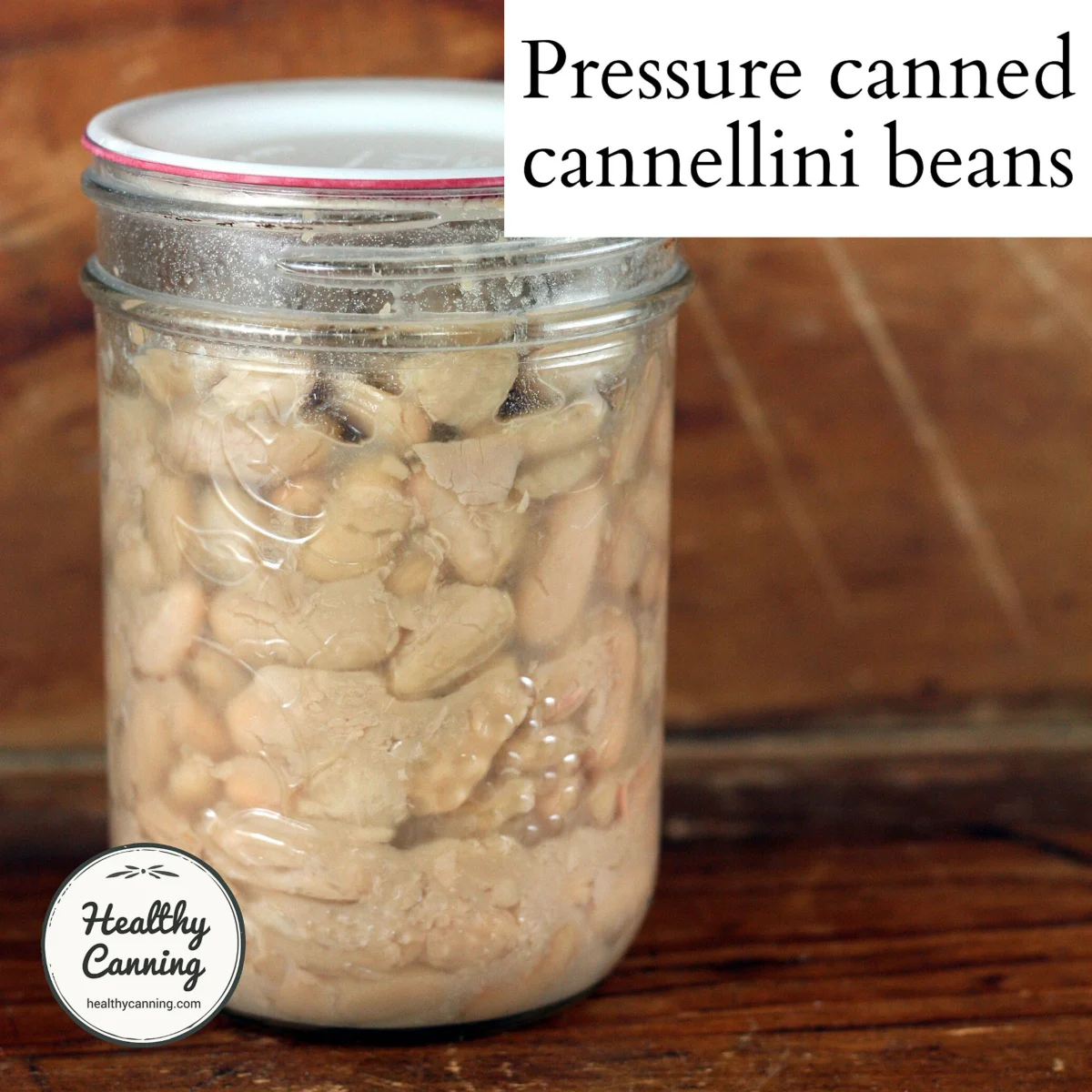
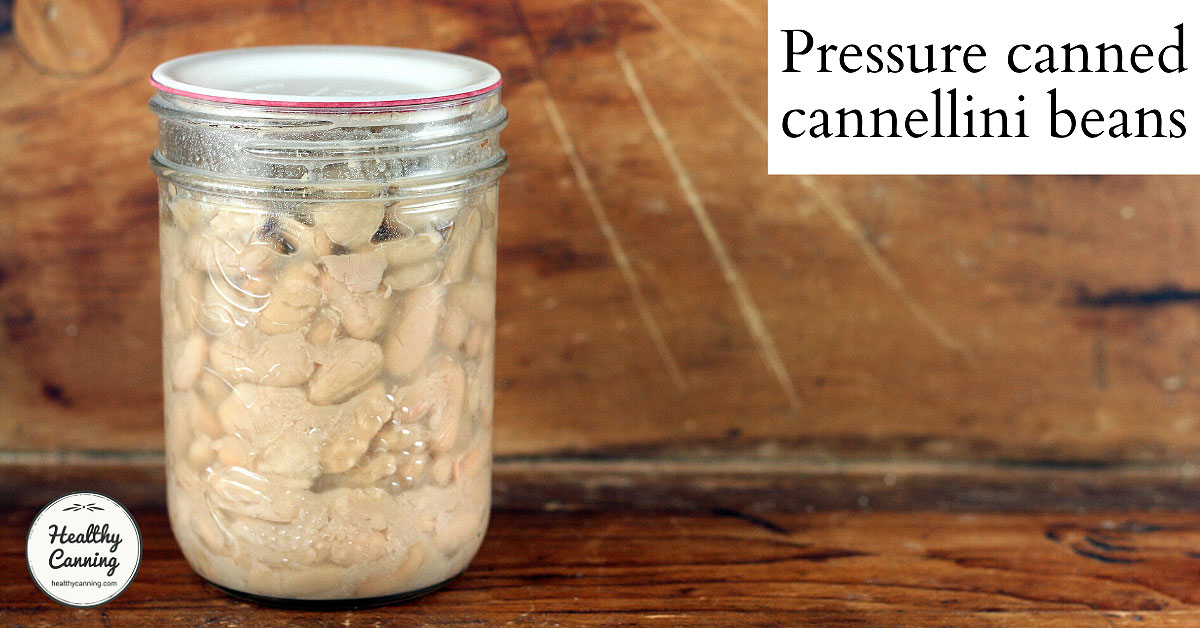
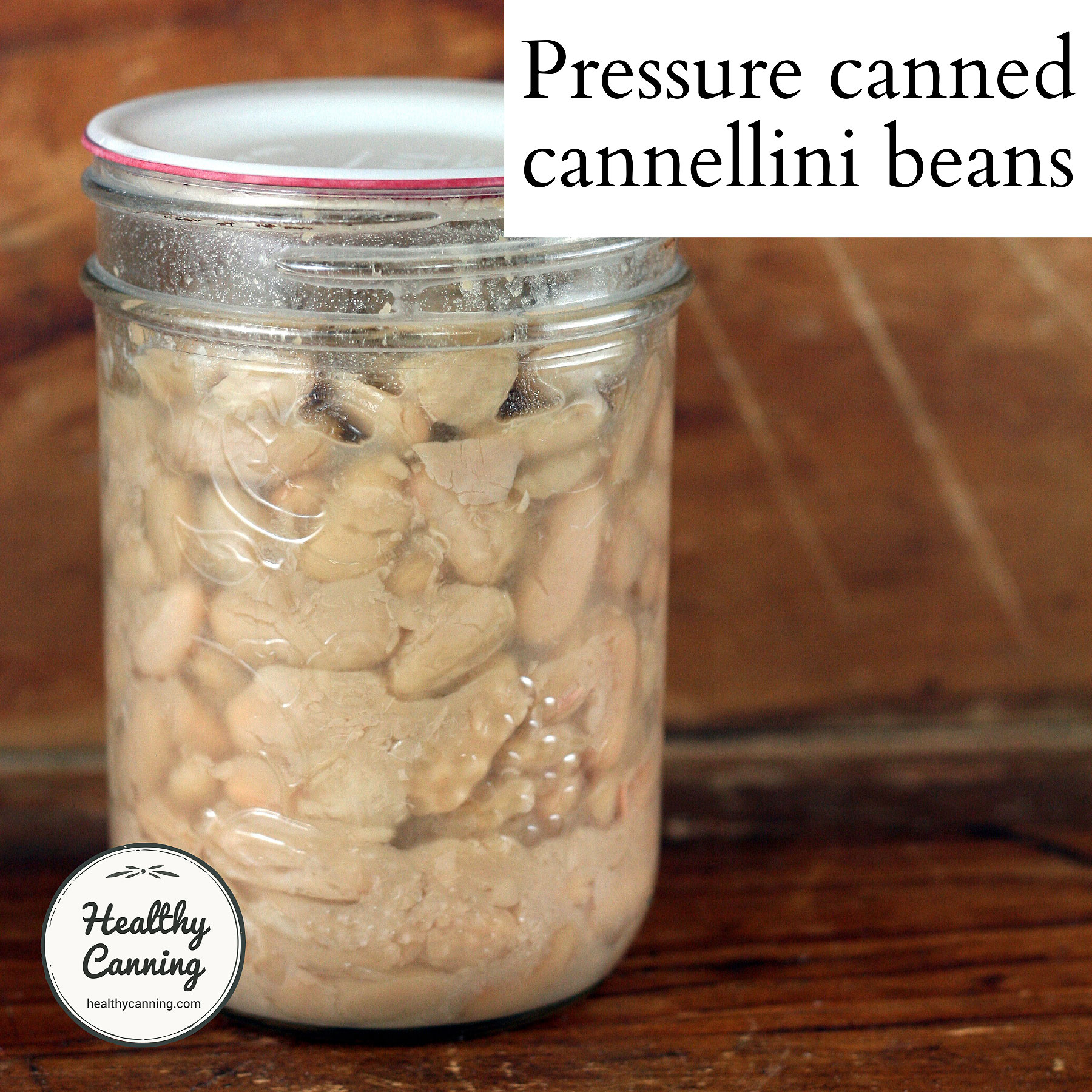
Understanding the unique characteristics of cannellini beans is essential for successful home processing. When subjected to the high temperatures and pressures required to safely preserve low-acid items, white kidney beans undergo significant textural changes. Unlike commercially produced canned beans, which often utilize specific firming agents or industrial processing methods, home-canned cannellini beans turn out exceptionally soft. Consequently, culinary applications must be tailored to their texture; they are poorly suited for crisp bean salads where individual structure must be maintained. Instead, their tender consistency makes them ideal for incorporation into hearty soups, smooth bean purées, savory dips, and rustic spreads.
Detailed Processing Guidelines and Parameters
Executing a safe canning run requires precise preparation, accurate equipment calibration, and careful attention to processing times and pressures. The process begins with selecting high-quality dried cannellini beans, sorting them to remove debris or damaged pulses, and thoroughly washing them. Standard USDA processing protocols dictate specific parameters depending on the chosen jar size and local geographical elevation.
Jar size choices for pressure-canned cannellini beans include quarter-litre (half-US-pint), half-litre (one-US-pint), and one-litre (one-US-quart) containers. Regardless of the container size selected, the processing method must exclusively involve a pressure canner; boiling water bath canning is entirely ineffective and dangerously unsafe for low-acid legumes. Maintaining a precise headspace of 3 centimeters (1 inch) is critical to ensure proper seal formation during thermal expansion.
Processing pressures vary depending on the type of gauge utilized on the pressure canner. For weighted-gauge canners operating at altitudes between 0 and 300 meters (0 to 1,000 feet), the required pressure is 10 lbs (69 kPa). For dial-gauge canners in the same altitude bracket, the target is 11 lbs (76 kPa). Processors residing at elevations above 300 meters (1,000 feet) must make mandatory upward adjustments to guarantee food safety: weighted gauges must be increased to 15 lbs, while dial gauges require recalibration according to established regional altitude charts.
Processing durations are strictly dictated by container volume to ensure heat penetrates thoroughly to the center of the jar. Quarter-litre and half-litre jars require a processing time of 75 minutes at the correct pressure. Larger one-litre jars demand an extended processing duration of 90 minutes.
Nutritional Profile and Dietary Implications
From a nutritional standpoint, incorporating home-canned cannellini beans into a regular diet offers substantial health benefits, particularly for individuals monitoring sodium intake or seeking plant-based protein sources. According to nutritional data compiled from standard prepared legume metrics—assuming no salt is added during the canning process—a standard half-cup serving weighing approximately 130 grams delivers roughly 100 kilocalories.
The macronutrient breakdown per serving includes approximately 17 grams of complex carbohydrates, 6 grams of quality plant protein, and a minimal 1 gram of total fat. Furthermore, these legumes are an exceptional source of dietary fiber, contributing roughly 5 grams per serving to support digestive health. Micronutrient profiles are equally impressive, featuring approximately 250 milligrams of potassium, 40 milligrams of calcium, and 1.8 milligrams of iron, all while maintaining a remarkably low sodium content of around 30 milligrams naturally present in the food.
The ability to control sodium content represents a primary advantage of home preservation over commercial alternatives. While mass-produced canned beans often contain elevated sodium levels used for flavor enhancement and preservation, home canners can choose to omit salt entirely or add it strictly to personal taste preferences. This customization is particularly advantageous for consumers managing hypertension, cardiovascular concerns, or dietary restrictions.
Expert Guidance and Resources for Home Canners
Navigating the complexities of pressure canning requires continuous education and adherence to verified scientific literature. Food safety extension agents consistently emphasize that guesswork or old family traditions that deviate from modern scientific consensus can introduce severe health risks. Agricultural universities and governmental bodies maintain comprehensive guides detailing the precise mechanics of operating weighted and dial-gauge canners, managing altitude adjustments, and understanding the role of various additives in food preservation.
For individuals seeking immediate assistance or real-time troubleshooting during a canning session, numerous agricultural extension services and certified volunteer networks operate dedicated support channels. Master Food Preserver groups, often affiliated with state university extension programs, offer expert guidance, educational workshops, and seasonal telephone hotlines to assist the public in executing safe preservation practices.
Ultimately, home-canning cannellini beans bridges traditional culinary self-reliance with modern food safety science. By respecting the parameters of thermal processing times, pressure thresholds, and sanitation standards, home cooks can successfully build a shelf-stable pantry that emphasizes nutrition, economic efficiency, and culinary creativity.