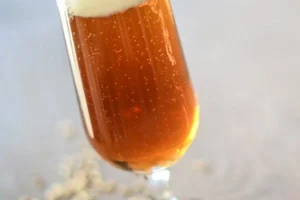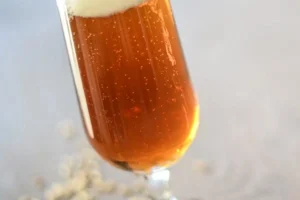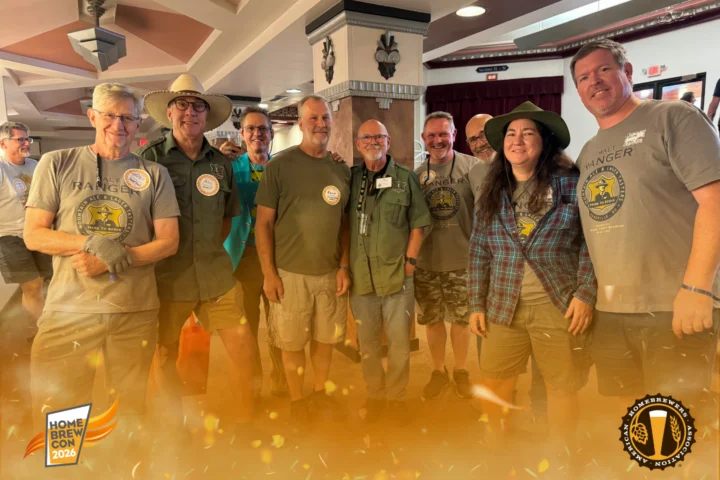

The craft brewing community in the American Midwest is celebrating a monumental victory following the conclusion of the 2026 National Homebrew Competition Final Round. Jamye and Cody Naramore, dedicated homebrewers hailing from the small rural community of Quenemo, Kansas, and active members of the prestigious Kansas City Bier Meisters club, have captured the coveted gold medal in Category 12: American Pale Ale. Competing against an intensely competitive pool of 71 exceptionally crafted entries from across the globe, the Naramores’ meticulously balanced brew stood out to a rigorous panel of certified judges, cementing their status among the elite tier of international homebrewers.
This high-profile victory not only highlights the dedication and technical precision required to master traditional and modern beer styles but also underscores the burgeoning reputation of Kansas as a growing hub for artisanal beverage craftsmanship. As the hobby of homebrewing continues to evolve from a kitchen-counter pastime into a sophisticated culinary science, achievements at the national level carry immense prestige for local brewing chapters and individual artisans alike.
The Path to the Podium: Chronology of the 2026 Competition
The journey to the national podium is neither short nor simple, requiring months of recipe formulation, precise brewing execution, and successful navigation through preliminary evaluation tiers. The National Homebrew Competition, organized annually by the American Homebrewers Association (AHA), represents the world’s largest international small-scale beer competition.
The competitive cycle typically begins in the early spring, when thousands of hopefuls across North America and beyond submit their bottled or canned creations to regional first-round judging sites. For Jamye and Cody Naramore, the 2026 season required rigorous testing of their American Pale Ale recipe, ensuring that every batch hit the precise specifications required by the Beer Judge Certification Program (BJCP) style guidelines.
After advancing through the fiercely contested regional evaluations, the Naramores’ brew earned its place in the final round, which culminated in the summer of 2026. During this final phase, advanced judges—including professional brewmasters, cicerones, and master-ranked sensory analysts—evaluated the top entries based on aroma, appearance, flavor, mouthfeel, and overall impression. When the final scores were tallied, the Naramore entry emerged at the very top of Category 12, securing the gold medal and outscoring dozens of rival recipes that had also survived the preliminary cuts.
Anatomy of a Gold-Standard American Pale Ale
Winning gold in the American Pale Ale category is notoriously difficult. Unlike heavy stouts or high-alcohol imperial IPAs, where robust flavors can easily mask minor fermentation flaws, the American Pale Ale is a style that offers zero margin for error. It requires a delicate, harmonious balance between hop bitterness, flavor, aroma, and a clean malt backbone.
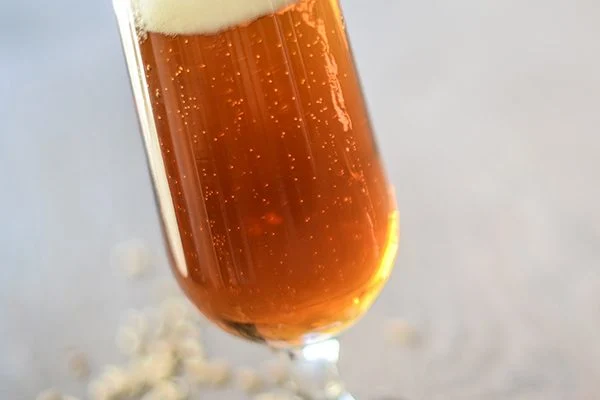
According to BJCP standards, an American Pale Ale should showcase moderate-to-high hop aroma with citrus, floral, piney, or fruity characteristics derived from modern hop varieties. The malt profile should be supportive rather than dominant, featuring low-to-medium caramel or toasty sweetness that prevents the beer from tasting thin or overly aggressive. Furthermore, clarity, carbonation levels, and a clean yeast profile are heavily scrutinized.
While the exact proprietary recipe remains a closely guarded secret shared primarily among members of the brewing community, the Naramores’ success points to exceptional command over water chemistry, precise fermentation temperature control, and expert hop-timing strategies. Achieving the crisp, refreshing finish characteristic of a world-class pale ale demands state-of-the-art home-lab discipline, attributes that the Kansas City Bier Meisters frequently foster among their membership.

The Kansas City Bier Meisters and Regional Brewing Culture
The triumph of Jamye and Cody Naramore shines a well-deserved spotlight on the Kansas City Bier Meisters, one of the most active and respected homebrewing organizations in the United States. Founded decades ago to promote the education, appreciation, and advancement of home-brewed beer, the club has long served as an incubator for brewing talent in the Kansas-Missouri metropolitan area.
Clubs like the Bier Meisters play a vital, multifaceted role in the broader craft beverage ecosystem. They provide constructive peer review through regular club meetings, organize internal competitions, and offer shared access to specialized equipment that individual brewers might not otherwise be able to afford. For rural participants like the Naramores, who commute from Quenemo—a town with a population of fewer than 400 residents—maintaining a connection with an urban, highly engaged club provides access to a vital network of shared knowledge, mentorship, and collective passion.
Local brewing advocates note that victories of this caliber ripple outward, inspiring novice brewers in the region to elevate their craft, study brewing science more deeply, and submit their own creations to sanctioned competitions.
Broader Impact and Implications for the Homebrewing Community
The success of the Naramores arrives at a fascinating time for the wider fermentation community. In recent years, the homebrewing hobby has experienced a digital renaissance, driven by advanced online recipe calculators, accessible water-profiling software, and high-quality commercial ingredients available directly to consumers. However, rising ingredient costs and economic pressures have also challenged hobbyists to maintain their engagement.
High-profile national competitions serve as a powerful catalyst for the hobby, demonstrating that world-class beverages can still be crafted in residential kitchens, basements, and garages. The visibility generated by medal-winning recipes drives traffic to educational platforms such as the American Homebrewers Association, where enthusiasts seek out validated formulas, troubleshooting guides, and technical literature.
From an economic perspective, successful homebrewers frequently serve as the intellectual R&D wing of the commercial craft beer industry. Many of today’s most successful commercial craft breweries—ranging from small neighborhood taprooms to massive regional production facilities—were founded by homebrewers who cut their teeth entering competitions like the National Homebrew Competition. While Jamye and Cody Naramore have not announced any immediate commercial aspirations, their victory places them among an elite group of creators whose recipes are studied, replicated, and deeply admired by peers across the country.
Conclusion: A Milestone Achievement in Quenemo
As the dust settles on the 2026 National Homebrew Competition Final Round, the craft beer community in Kansas continues to toast the remarkable accomplishment of Jamye and Cody Naramore. Earning gold against a massive field of 71 top-tier American Pale Ales is a testament to countless hours of iteration, patience, and unwavering commitment to quality.
For Quenemo, Kansas, this national title places the small community firmly on the map of the international brewing landscape. As the Naramores return home with their hard-earned hardware, their success serves as an enduring reminder that passion, precision, and community support remain the core ingredients of true brewing excellence.