
The rise of the "no-cook" lunch trend is supported by a growing body of research from the American Academy of Pediatrics, which emphasizes the necessity of nutrient-dense lunches to maintain stable blood glucose levels throughout the school day. According to national health statistics, children who consume balanced meals containing a mix of fiber, lean protein, and complex carbohydrates demonstrate improved cognitive performance and higher levels of classroom engagement. The shift toward "lunch cubes"—modular, compartment-based containers—has provided a scalable solution to the logistical challenges of packing daily meals.
The Evolution of the School Lunch
The landscape of school-age nutrition has undergone significant changes over the past decade. Historically, the dichotomy of school nutrition rested on either school-provided cafeteria programs or traditional brown-bag sandwiches. However, the emergence of the "bento-style" or "cube" container movement has introduced a third option: the deconstructed meal.
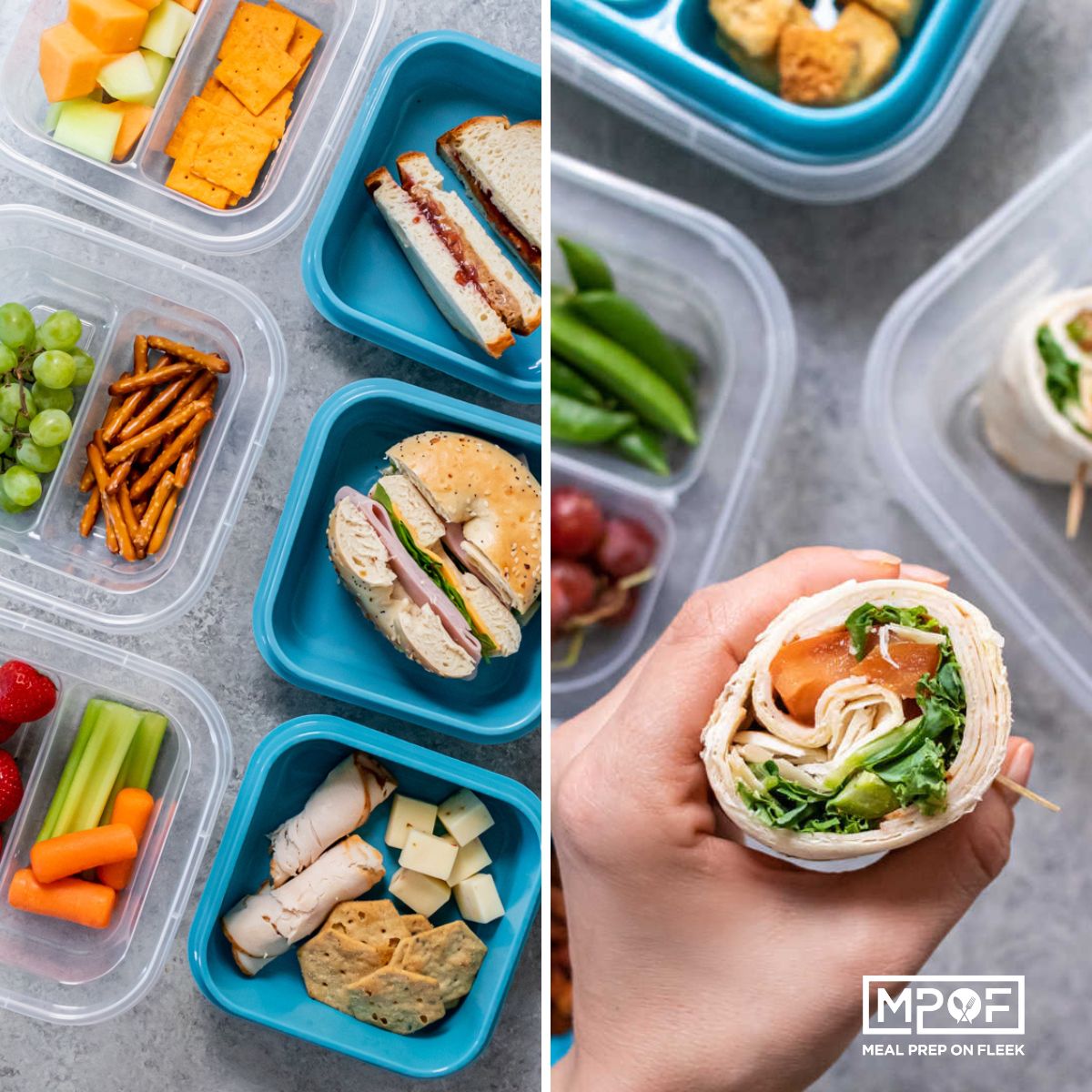
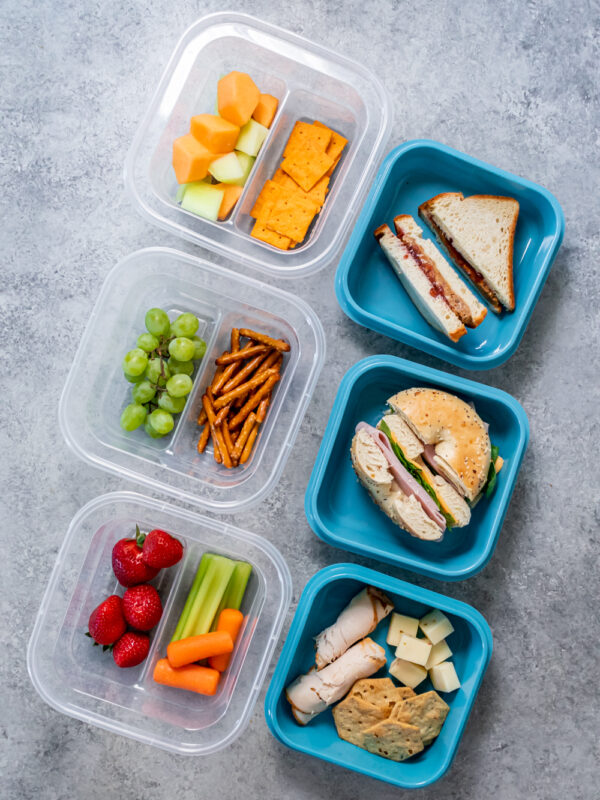
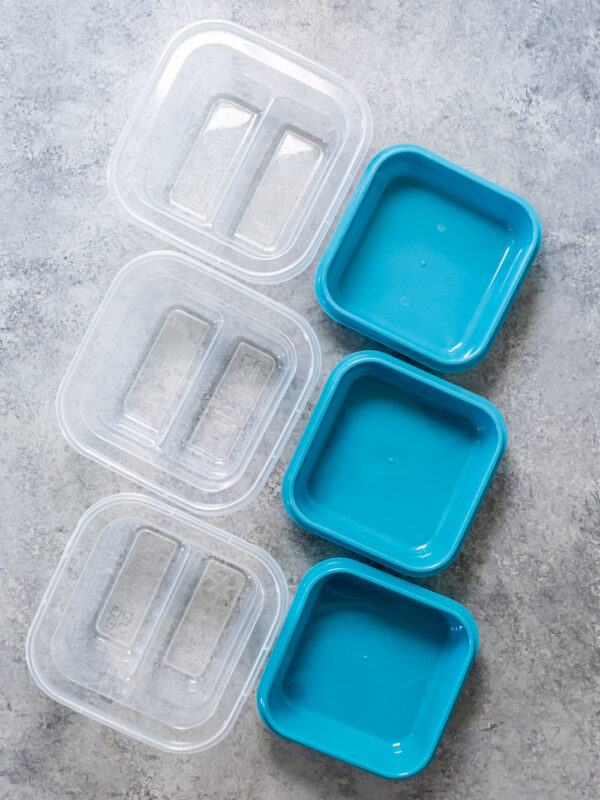
This method relies on the "pick-and-pack" philosophy, which encourages the inclusion of diverse food groups in individual, portion-controlled segments. By utilizing standardized containers, such as the GoodCook Lunch Cubes, parents can effectively manage portion sizes while ensuring that a variety of macronutrients are present. This format has been widely adopted by nutritionists as a tool to combat "lunchbox fatigue," a common phenomenon where children refuse to eat their packed meals due to repetitive or unappealing food choices.
Chronology of Morning Efficiency
For many working parents, the window for morning preparation is less than 30 minutes. The shift toward nightly or weekly "prep-caching" has become a necessary evolution in household management.
- Pre-Planning Phase (Sunday): Parents curate a "grab-and-pack" station in the refrigerator, stocking pre-washed fruits, portioned deli meats, and single-serve dairy or plant-based proteins.
- Assembly Phase (Nightly): By assembling the containers the evening before, families avoid the "decision fatigue" that often leads to last-minute, less-healthy choices during the busy morning rush.
- Execution Phase (Lunchtime): The modular nature of the cubes allows for temperature-sensitive items to be kept in the appropriate compartments, maintaining food safety and quality until the lunch period.
Nutritional Implications and Data
The nutritional value of a packed lunch is highly dependent on the variety of ingredients provided. Nutritionists advise that a balanced lunchbox should aim for a "color spectrum," incorporating at least two servings of produce, one serving of lean protein, and a complex carbohydrate source.
Data from the Centers for Disease Control and Prevention (CDC) indicates that school-aged children consume nearly 40% of their daily caloric intake while at school. When that intake consists primarily of processed snacks, the likelihood of energy crashes in the afternoon increases significantly. By transitioning to no-cook, fresh-ingredient cubes, parents can control sodium levels and eliminate unnecessary additives often found in store-bought lunch kits.
The Role of Student Agency
A critical component of this trend is the active involvement of the child in the meal-selection process. Child psychologists have long noted that when children participate in the selection and assembly of their food, they are statistically more likely to consume the meal in its entirety. This "autonomy-building" approach serves a dual purpose: it reduces household food waste and encourages children to develop an early understanding of dietary balance.
Retail experts note that the market for children’s food storage has expanded by roughly 15% annually, driven by the demand for containers that are both child-accessible—featuring easy-open lids—and durable enough to withstand the daily rigors of a school backpack.
Strategic Meal Assembly
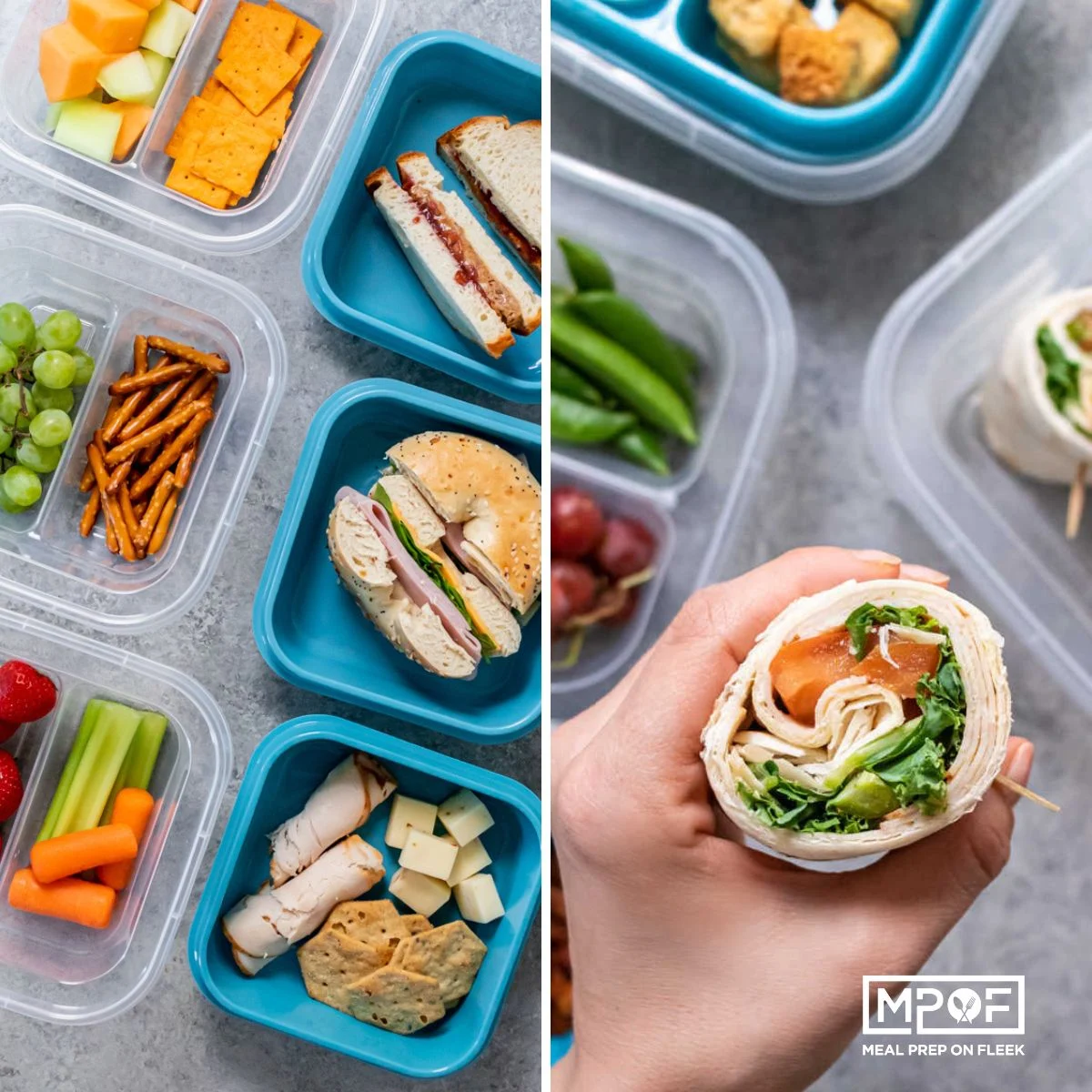
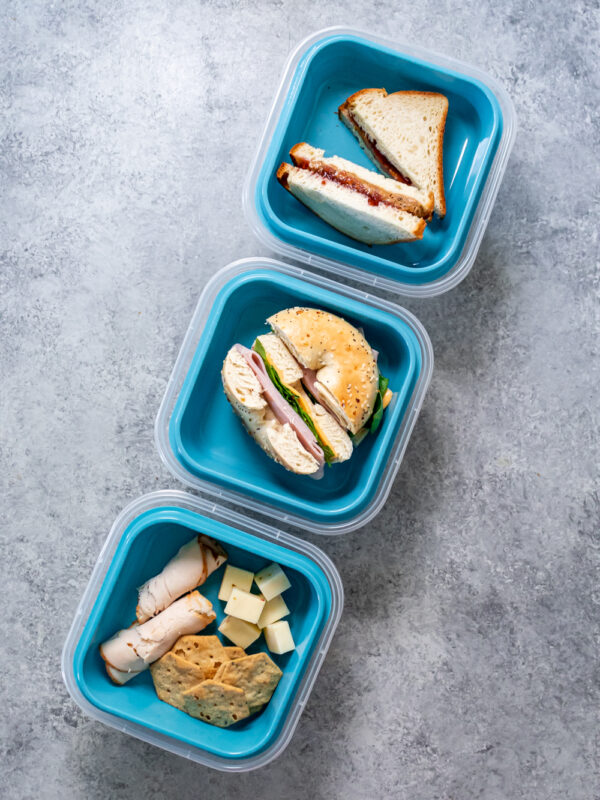
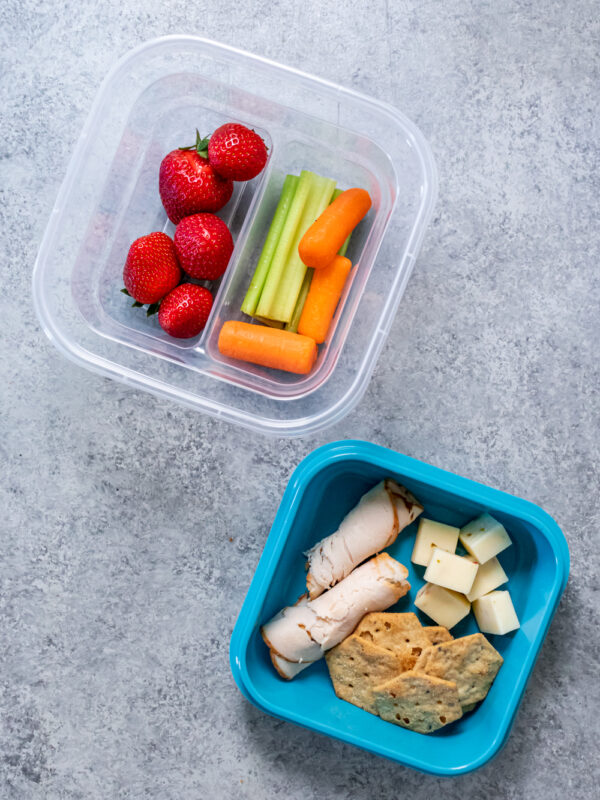
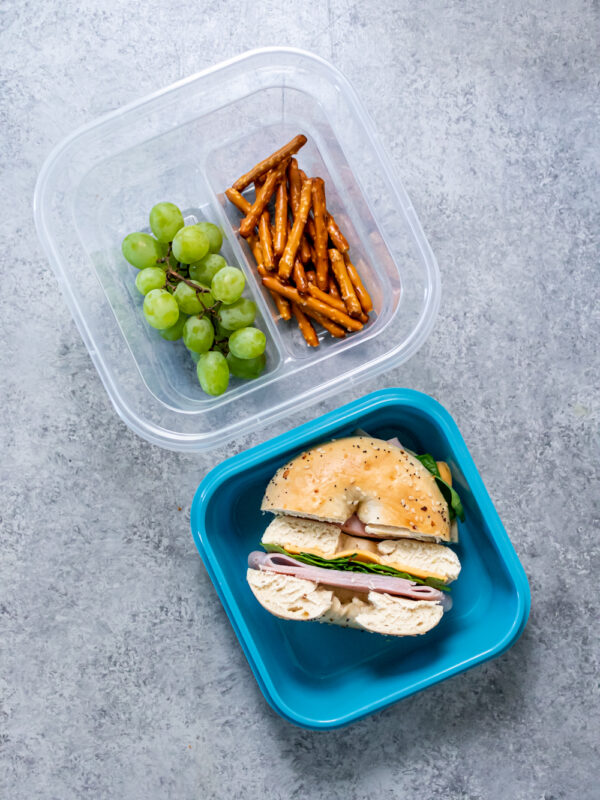
To optimize the effectiveness of these lunch cubes, experts recommend a standard three-cube strategy:
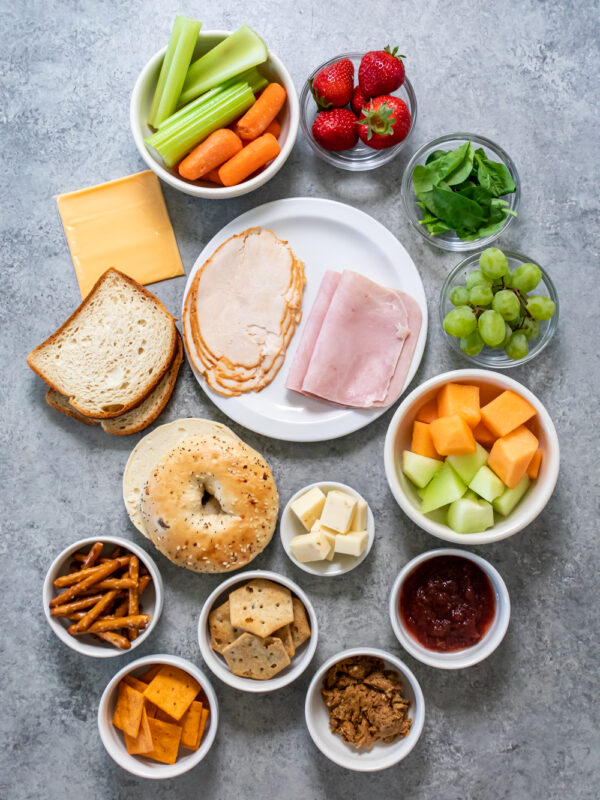
- The Snack-Focused Cube: A combination of finger foods, such as berries, baby carrots, cubed cheese, and crackers. This format is ideal for children who prefer frequent, smaller bites over a singular, large sandwich.
- The Traditional Mainstay: A classic sandwich or wrap, accompanied by a side of fresh fruit and a crunchy element like pretzels or vegetable sticks. This remains the gold standard for familiarity and comfort.
- The Allergen-Conscious Box: A variation of the classic peanut butter and jelly, utilizing seed butters or alternative nut butters, paired with seasonal vegetables. This ensures that students with common allergies are not excluded from the convenience of a "snack-box" style meal.
Broader Implications for Education and Families
The burden of meal preparation often falls disproportionately on primary caregivers, and for those working in the education sector, this is compounded by professional responsibilities. Teachers and administrators, who often balance classroom management with their own meal planning, are increasingly turning to streamlined prep systems to maintain their energy throughout the day.
Educational institutions have observed that the quality of lunch directly correlates with student behavior. Schools that encourage independent, healthy eating habits during the lunch period report fewer instances of mid-afternoon behavioral disruptions. Furthermore, the reduction in single-use plastic wrappers associated with traditional pre-packaged lunches aligns with the sustainability goals of many modern educational facilities.
Economic and Practical Considerations
From a financial perspective, the transition to at-home, no-cook meal prep often results in significant long-term savings. While the initial investment in high-quality, reusable containers may be higher than single-use plastic bags, the cost-per-use drops significantly over the course of a 180-day school year. Additionally, buying in bulk for these containers—such as purchasing large bags of produce or family-sized blocks of cheese—is consistently more cost-effective than purchasing individual, pre-packaged portions.
As schools move toward more integrated wellness policies, the home-school connection regarding nutrition is becoming increasingly vital. Parents who adopt these flexible, no-cook methods are not merely solving a daily logistical problem; they are fostering a long-term habit of nutritional mindfulness that can serve a child well into adulthood.
In conclusion, the movement toward simplified, customizable, and child-involved lunch preparation represents a convergence of nutritional science, logistical necessity, and developmental psychology. By utilizing the right tools and fostering an environment where children are empowered to make their own food choices, parents can ensure that the school day begins and continues with the fuel necessary for success. Whether through the use of modular lunch cubes or the implementation of a dedicated "grab-and-pack" refrigerator basket, the focus remains on reducing the friction of daily life while maximizing the health outcomes of the next generation.