
The transition from standard residential cooking appliances to dedicated, high-capacity baking equipment represents a significant milestone for dedicated home bakers, culinary enthusiasts, and emerging nano-bakery operators. As production scales beyond the limitations of standard kitchen ranges—which typically accommodate one or two loaves at a time—bakers increasingly seek out specialized machinery designed to optimize thermal efficiency, consistency, and volume. Among the most sought-after commercial-grade units tailored for domestic or micro-scale operations is the Belgian-engineered Rofco stone hearth oven, a compact yet formidable workhorse that has transformed the landscape of small-batch artisan bread production.
Understanding the Anatomy and Engineering of the Rofco Bread Oven
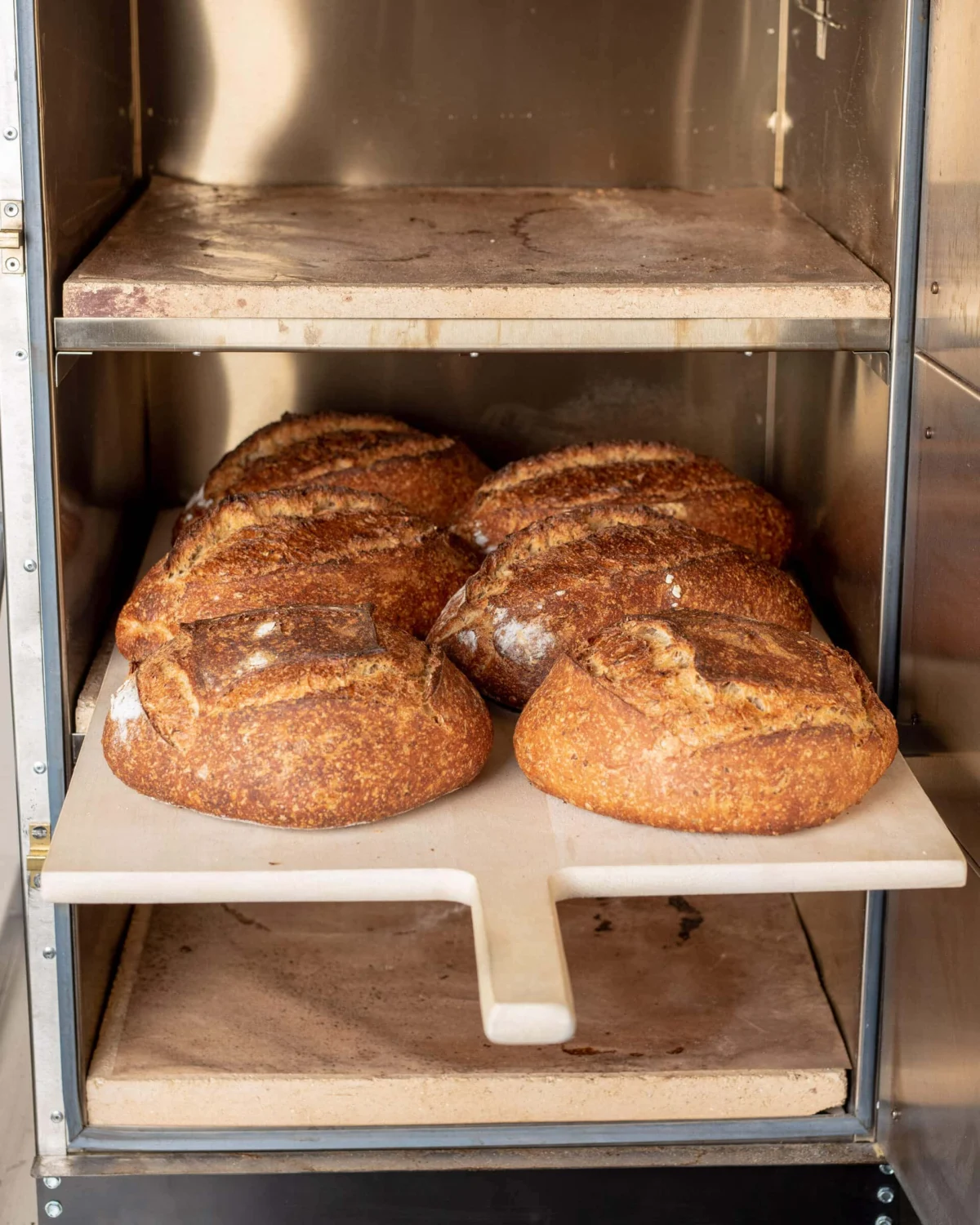
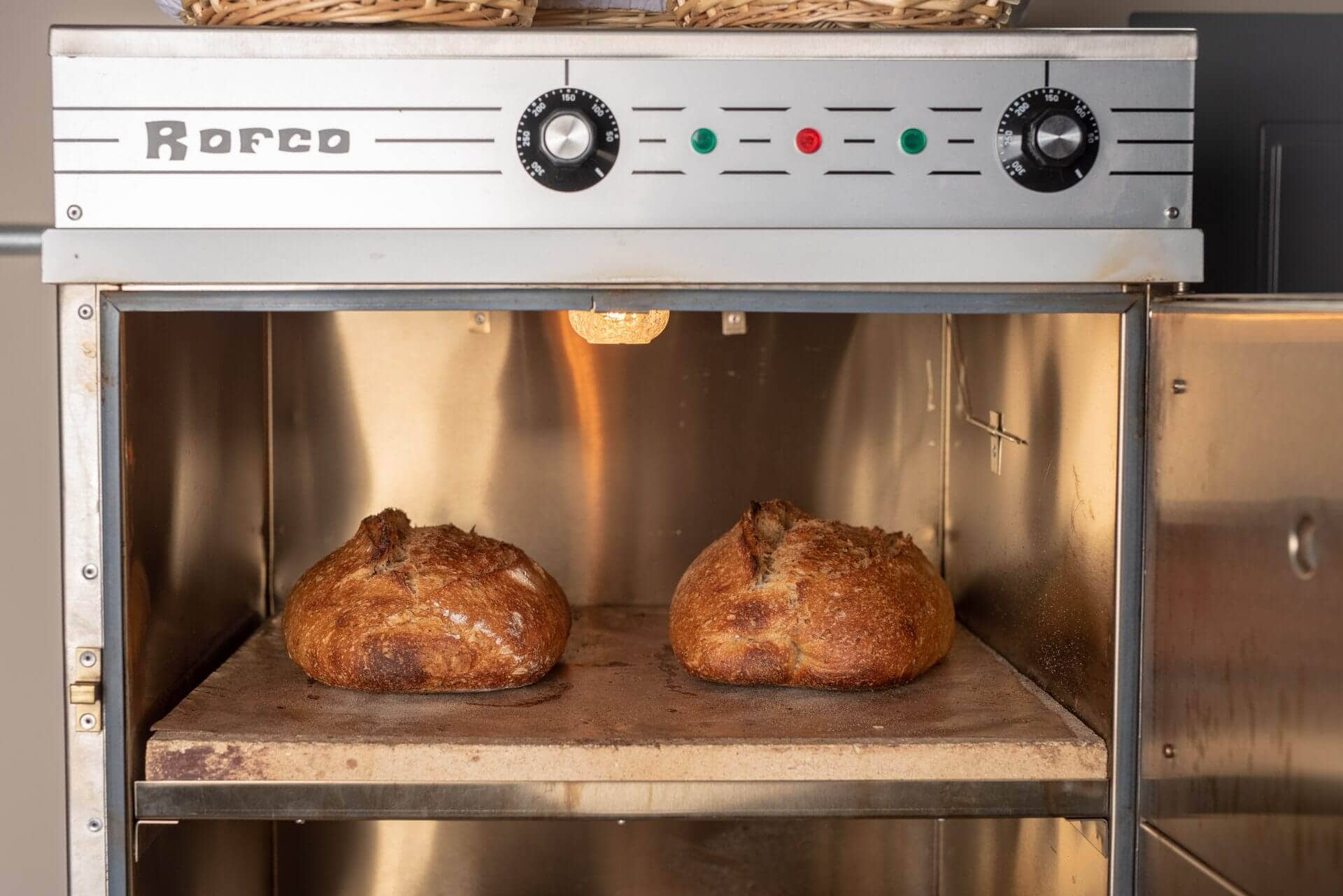
Manufactured in Belgium, the Rofco electric stone oven is specifically engineered for the rigorous demands of bread baking. Available in various configurations, the flagship models—such as the B40—feature multiple independent square baking decks constructed from thick chamotte refractory bricks. These specialized ceramic stones are designed to absorb, retain, and evenly distribute high thermal energy across the baking surface.
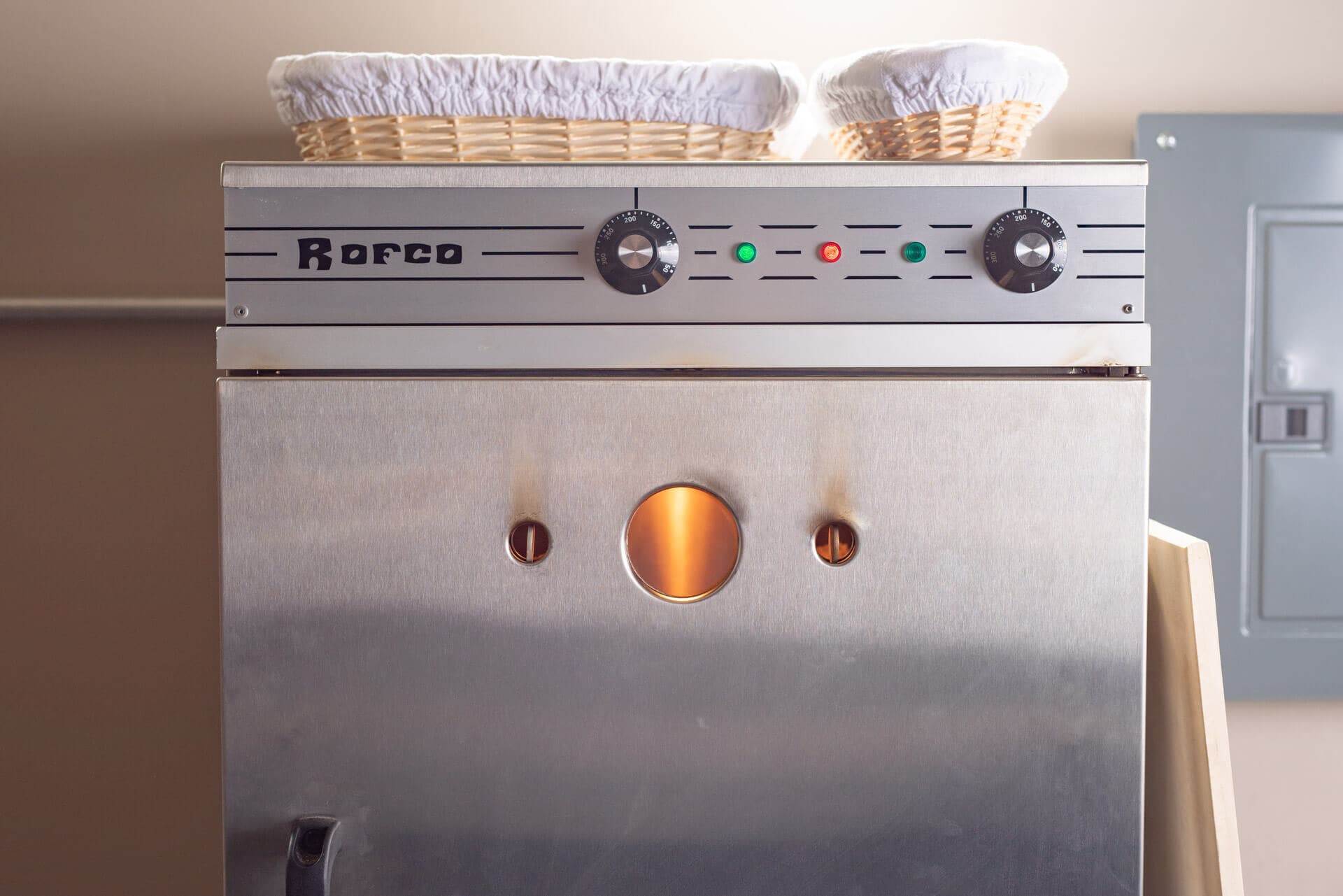
Unlike standard convection ovens that rely heavily on circulating hot air, which can prematurely dry out developing dough, the Rofco operates as a tightly sealed chamber. This minimal-exhaust design traps ambient moisture during the initial phases of the bake, closely mimicking the performance of traditional masonry brick ovens. Furthermore, the robust thermal mass of the chamotte decks ensures rapid temperature recovery between successive batches, allowing bakers to execute multiple back-to-back bakes without experiencing significant heat loss.
From an infrastructural standpoint, units like the B40 typically require standard single-phase 220V AC electrical service, necessitating professional installation by a licensed electrician to accommodate the specific amperage draw and receptacle requirements. Despite its considerable internal thermal output, the oven’s exterior insulation effectively minimizes radiant heat emission, permitting placement in close proximity to walls or ancillary kitchen workstations without compromising surrounding cabinetry or safety standards.
Chronology of Scaling Up: From Domestic Kitchen to Micro-Bakery
The trajectory toward acquiring a specialized deck oven usually follows a predictable behavioral and operational evolution. Initially, home bakers encounter the physical constraints of standard kitchen appliances when attempting to produce breads for larger gatherings, community events, or local farmers’ markets.
Phase One: The Exploration of Capacity
During the initial phase, bakers attempt to maximize standard ovens using heavy cast-iron Dutch ovens or baking steels. However, managing thermal retention and accommodating more than two large boules or batards simultaneously becomes mathematically and physically impractical.
Phase Two: Infrastructure Investment and Facility Preparation
Recognizing the bottleneck in production efficiency, bakers advance to acquiring dedicated hardware. This stage involves sourcing specialized equipment—frequently imported through distributors such as Pleasant Hill Grain in the United States—and undertaking necessary home infrastructure modifications, including electrical upgrades and the installation of heavy-duty stainless steel equipment stands.
Phase Three: Process Calibration and Workflow Optimization
Transitioning to a professional deck oven requires a comprehensive recalibration of established baking parameters. Because heating dynamics, steam injection methods, and thermal radiation differ vastly from residential ovens, operators must undergo an adaptation period. Industry data suggests that bakers typically require several weeks of test batches to standardize hydration levels, proofing schedules, and thermal recovery timings for specific formulations.
Technical Specifications and Baking Parameters

Operating a multi-deck stone oven requires strict adherence to standardized thermal profiles to achieve optimal oven spring, crust coloration, and interior crumb structure. Below is the empirically derived operational timeline utilized by experienced operators for standard artisan sourdough production:
Step 1: Thermal Saturation (Preheating)
The oven chamber must remain entirely clear of synthetic accessories or non-heat-resistant materials. Both upper and lower heating elements are set to approximately 240°C. A sustained preheating duration of 90 minutes is strictly required to fully saturate the chamotte refractory stones with thermal energy.
Step 2: Initial Baking Phase (Steam Injection)
Loaded via a specialized wooden peel onto non-stick silicone baking mats, the dough is introduced to the decks. The chamber is manually injected with high-pressure moisture using a commercial-grade electric sprayer to generate immediate steam, preventing premature crust setting. Baking proceeds at 150°C for 20 minutes under sealed conditions.
Step 3: Steam Evacuation and Crust Development
To transition from steam-induced expansion to crust caramelization, operators briefly open the access door to discharge residual moisture and manually swivel the circular exhaust vents to the open position. The temperature is elevated to 220°C for a 10-minute duration.

Step 4: Final Dehydration and Finish
The heating parameters are adjusted back to 150°C for an additional 20 to 30 minutes. During this window, loaves may be repositioned across decks to ensure uniform browning before final extraction and cooling on wire racks.
Comparative Analysis of Equipment Performance
| Feature / Parameter | Standard Residential Range | Commercial-Grade Rofco Oven |
|---|---|---|
| Baking Capacity | 1–2 loaves (standard Dutch oven) | 4–6 large loaves (distributed across 3 decks) |
| Thermal Retention Surface | Variable (cast iron or thin baking steel) | Thick chamotte refractory brick decks |
| Moisture Management | Requires enclosed vessels (Dutch ovens) | Sealed chamber with manual high-pressure injection |
| Electrical Requirements | Standard 110V/120V household circuit | Dedicated 220V AC single-phase circuit |
| Workflow Efficiency | Single-batch limitation | Multi-deck back-to-back baking capability |
Essential Auxiliary Tooling and Workflow Integration
Optimizing a high-capacity baking setup necessitates specialized accessory integration to ensure ergonomic efficiency and operator safety:
- High-Pressure Electric Sprayers: Replacing traditional hand-pump units, commercial electric micro-sprayers deliver a fine, pressurized mist capable of saturating the sealed chamber within seconds, maximizing gelatinization on the dough surface.
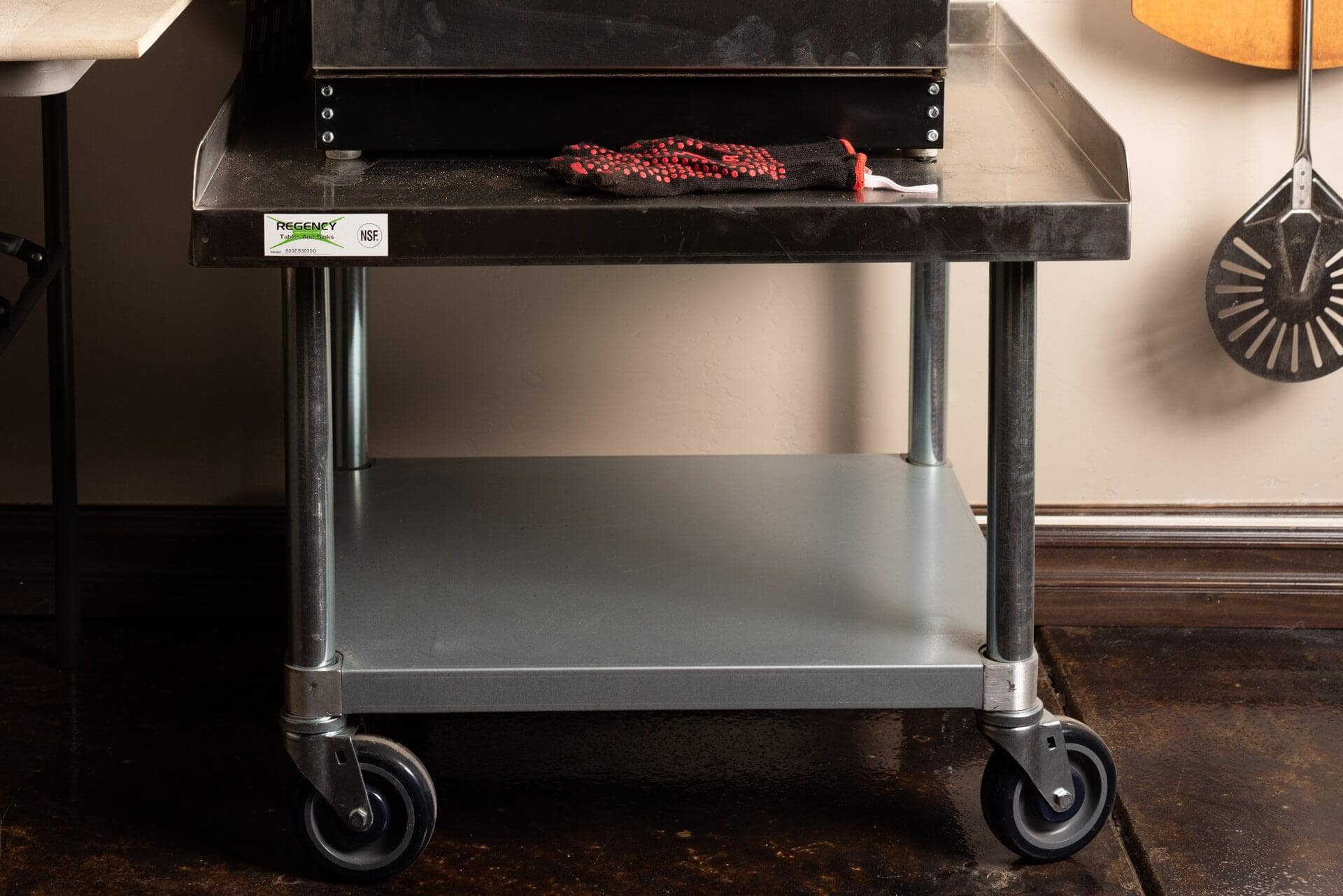
- Stainless Steel Equipment Stands: Because commercial deck ovens are exceptionally heavy and thermally dense, raising the unit via reinforced, custom-height stainless steel stands (such as 16-gauge commercial units equipped with locking casters) ensures safe loading heights and facilitates facility maintenance.
- Precision Wooden Peels: Utilizing custom-width wooden peels matching the exact interior dimensions of the baking decks allows for the rapid, simultaneous transfer of multiple dough pieces without destabilizing the structural integrity of proofed loaves.
- Integrated Post-Bake Thermal Utilization: Resourceful operators utilize the residual thermal energy radiating from the oven post-bake to rapidly dry damp canvas bannetons and proofing baskets, successfully mitigating microbial growth and mold formation in high-humidity baking environments.
Broader Economic Implications for Micro-Bakeries
The adoption of compact stone hearth ovens marks a significant structural shift in contemporary cottage food industries and independent micro-bakery economics. By bridging the gap between domestic kitchen constraints and industrial bakery installations, units like the Rofco enable small-scale entrepreneurs to scale output exponentially without incurring commercial real estate overhead.
Industry analysts note that the rise of high-performance residential baking technology directly supports the decentralization of food production, allowing artisan bakers to service local subscription models, farmers’ markets, and specialized community distribution networks with commercial-grade quality. As consumer demand for authentic, long-ferment artisan bread continues to rise, the refinement of accessible professional equipment remains a vital catalyst for the growth of independent culinary entrepreneurship.