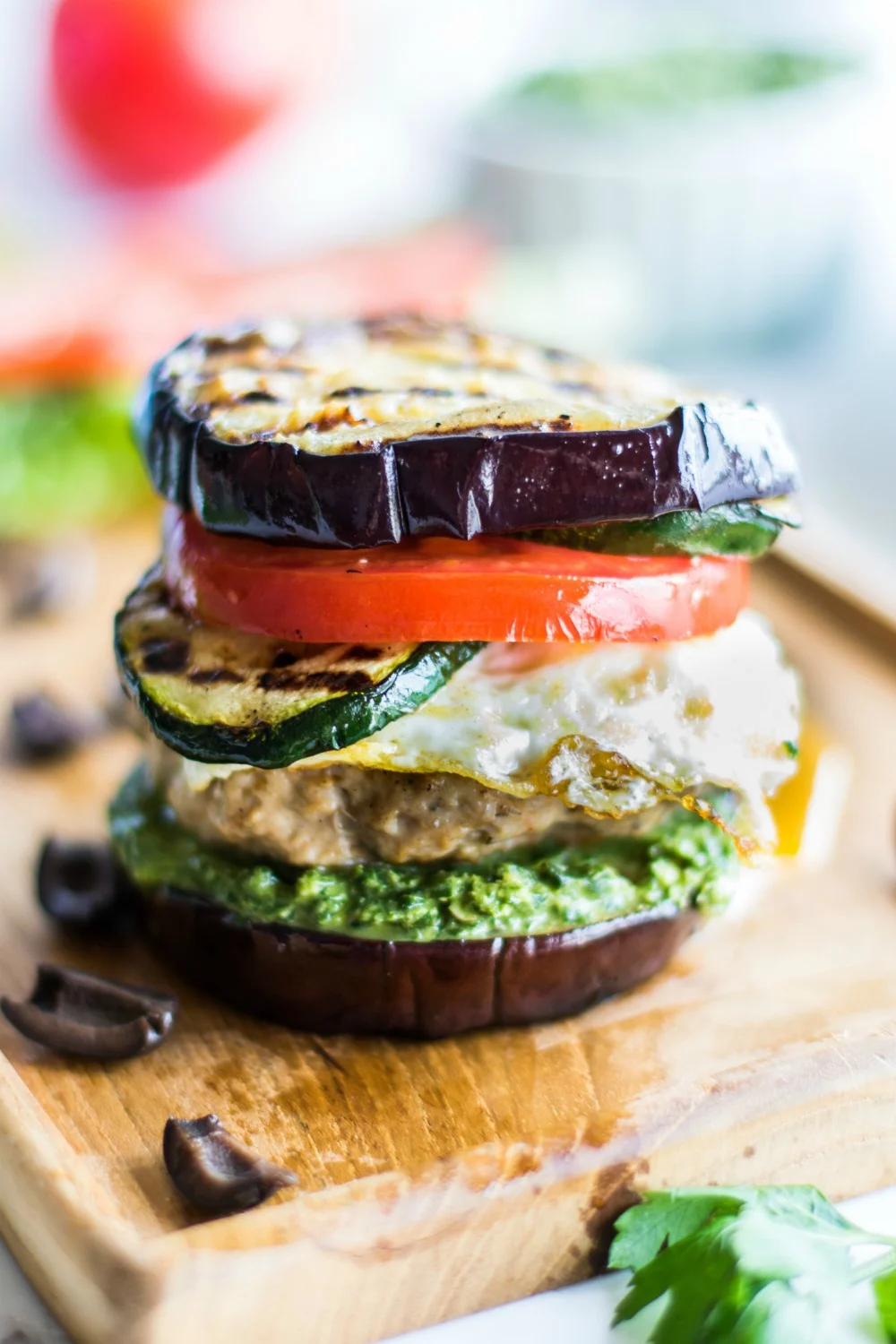

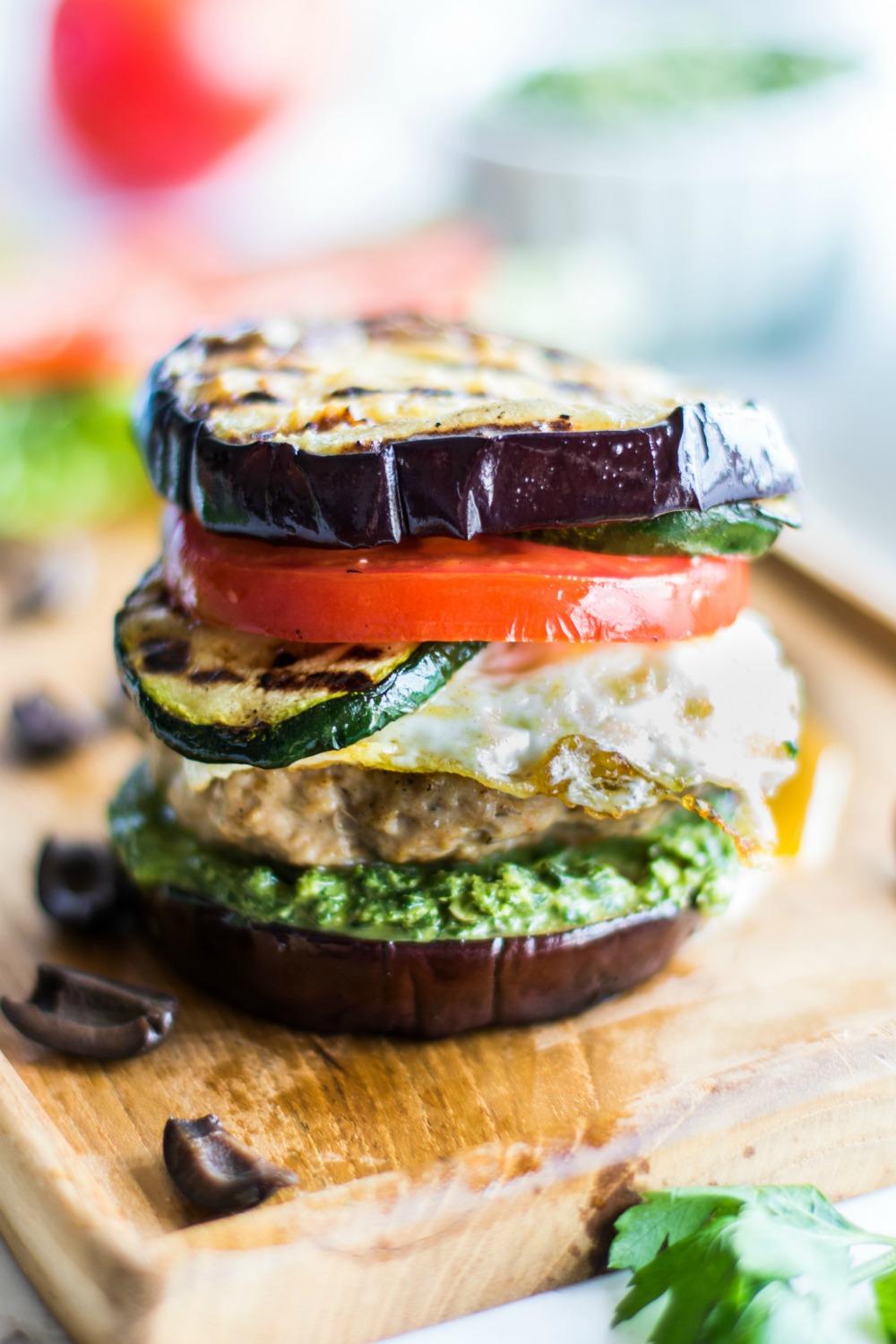
The rising demand for health-conscious meal preparation has shifted culinary focus toward nutrient-dense, allergen-friendly, and versatile home-cooked meals. Among the most popular iterations of this trend is the Whole30 and keto-compliant pork burger meal prep—a dish designed to provide a high-protein, low-carbohydrate alternative to traditional fast-casual dining. By substituting refined flour buns with grilled eggplant rounds and incorporating fresh, vegetable-forward toppings, this dish serves as a case study in how dietary restrictions can foster innovation in home kitchen management.
The Nutritional Landscape and Dietary Context
The shift away from traditional bread-based burgers is largely driven by consumers seeking to adhere to specific dietary frameworks, such as the Whole30, paleo, and ketogenic diets. Nutritionists note that the primary challenge in such diets is the maintenance of satiety without relying on processed carbohydrates.
The Whole30 Pork Burger, which averages approximately 603 calories per serving, provides a substantial macronutrient profile consisting of 39g of protein, 45g of fat, and 10.8g of carbohydrates. This distribution is particularly effective for blood glucose regulation, as it minimizes insulin spikes associated with refined grains. By prioritizing healthy fats—largely sourced from olive oil and walnuts in the accompanying pesto—and fiber-rich vegetables, the meal fulfills both energy and satiety requirements for active individuals.
Chronology of Preparation and Implementation
Effective meal prep requires a systematic approach to workflow, often referred to by industry experts as "component cooking." The assembly of this dish follows a strict chronological order to ensure both food safety and texture preservation.
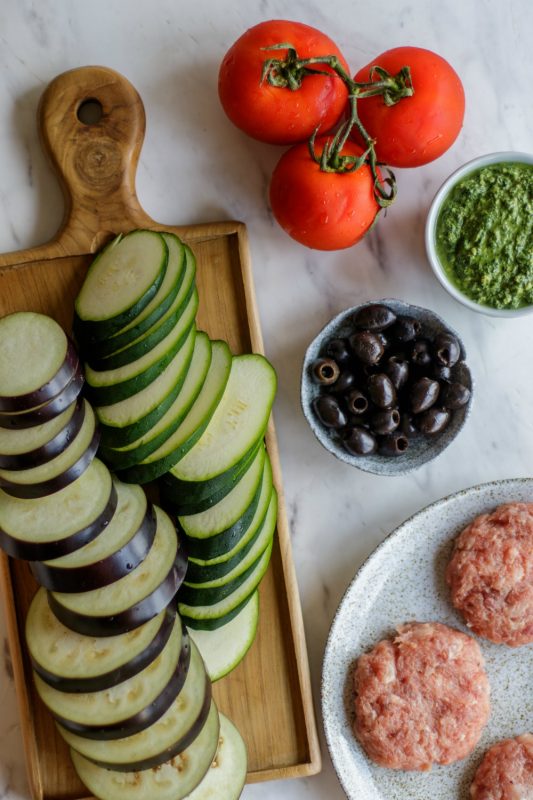
- Phase One: Emulsification and Flavor Development. The preparation begins with the creation of a dairy-free pesto. Utilizing fresh basil, high-quality olive oil, lemon juice, toasted walnuts, and garlic, the pesto acts as the primary flavor profile. Because it contains no preservatives, it is recommended that this be stored in a separate, airtight container until the moment of consumption to maintain the integrity of the herbs.
- Phase Two: Protein Seasoning and Searing. The ground pork is seasoned with a blend of sea salt, thyme, paprika, and cracked black pepper. Dividing the meat into four uniform patties ensures consistent cooking times. The patties are seared until reaching an internal temperature of 160°F (71°C), the food safety standard for ground pork.
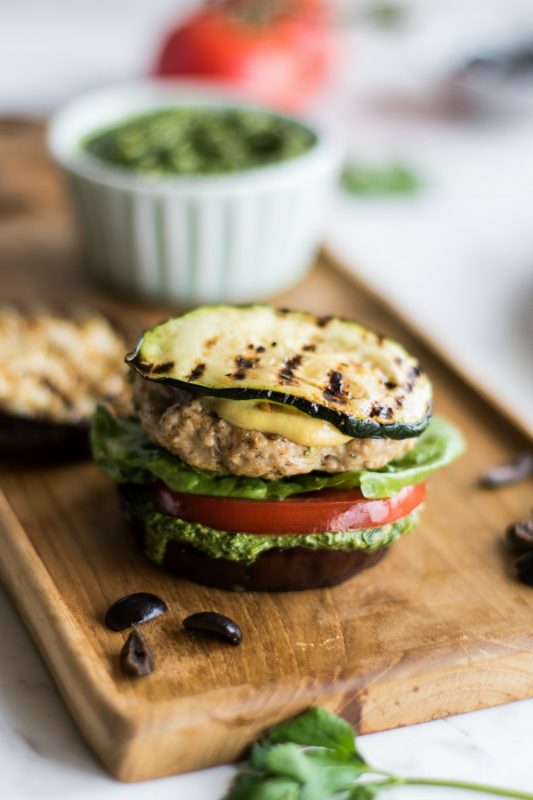
- Phase Three: Vegetable Grilling. Eggplant and zucchini are sliced into uniform rounds. The eggplant serves a dual purpose: it provides the structural "bun" of the burger and adds significant volume. The vegetables are lightly coated in olive oil and grilled to a tender-yet-sturdy consistency.
- Phase Four: Egg Preparation. To maximize shelf life, health professionals advise that eggs used in multi-day meal prep should be cooked through. While soft-boiled or sunny-side-up eggs offer a desirable texture, they are prone to rapid oxidation and color changes when refrigerated for more than 24 hours.
Technical Challenges in Cold Storage
A recurring issue in meal preparation is the degradation of produce over time. The primary variable in this specific recipe is the grilled eggplant, which tends to lose its structural integrity after 72 hours of refrigeration.

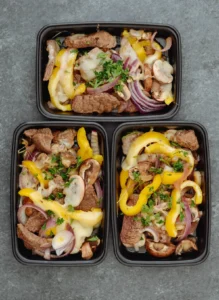
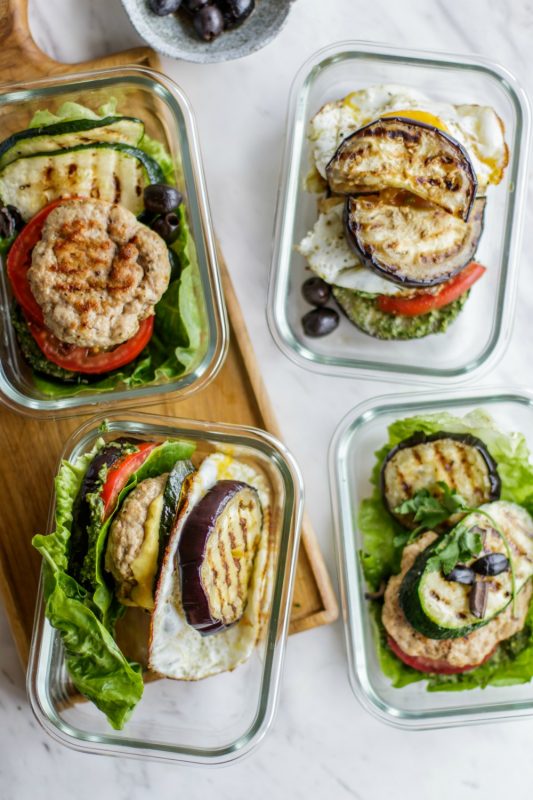
Food safety analysts suggest that for a four-day meal plan, consumers should consider a hybrid approach. Using grilled eggplant for the first three days and transitioning to fresh, crisp lettuce leaves for the final day is a common strategy to mitigate moisture loss and texture decay. Furthermore, maintaining the distinction between "wet" ingredients (pesto, sliced tomatoes) and "dry" components (the burger patty and grilled vegetables) is essential. Placing these in separate compartments within a glass or BPA-free plastic container prevents the bread-substitute from becoming saturated, a phenomenon known in the catering industry as "soggy substrate."
Implications for Modern Meal Systems
The adoption of such recipes reflects a broader cultural shift in labor-saving cooking. The "batch cooking" philosophy, which involves preparing multiple portions simultaneously, is supported by time-management studies that suggest that reducing daily decision-making fatigue leads to higher compliance with health goals.
By moving away from the "chicken and rice" monotony that previously dominated the fitness industry, the pork burger meal prep demonstrates how dietary compliance can be maintained through variety. The inclusion of seasonal vegetables—such as zucchini and heirloom tomatoes—allows for local sourcing, further aligning the practice with sustainable food consumption trends.
Analysis of Expert Recommendations
Culinary professionals emphasize the importance of customization. The recipe allows for significant modularity:
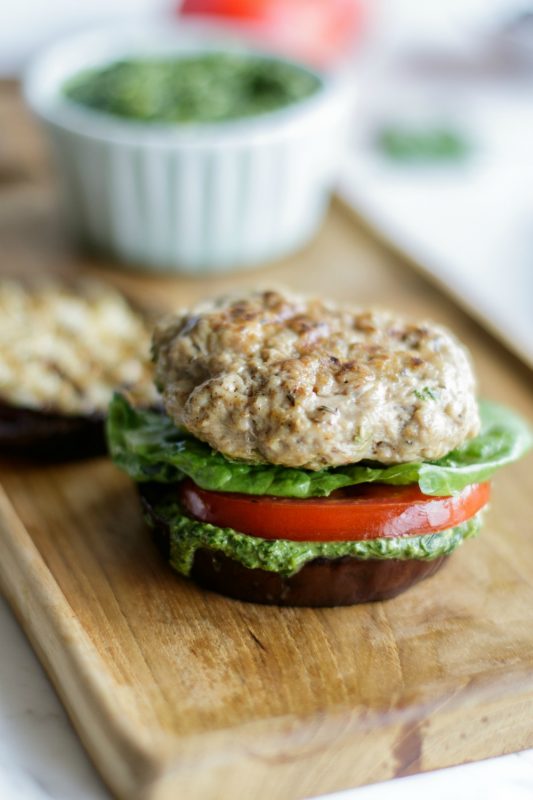
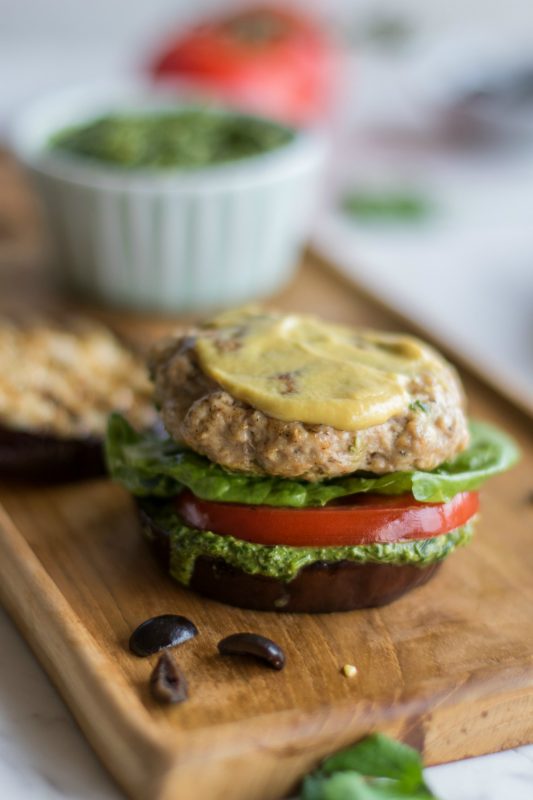
- Condiment Control: While traditional burger toppings like mustard are common, participants are advised to verify that all store-bought condiments are free of hidden sugars or non-compliant additives, which is a common failure point for those strictly adhering to Whole30 protocols.
- Reheating Protocols: To restore the "freshly prepared" quality, the best methodology involves a partial reheat. Consumers are encouraged to remove the cold, raw vegetables (lettuce, tomato) before warming the patty and eggplant in either a conventional oven or microwave. This thermal separation ensures the lettuce remains crisp and the tomatoes retain their acidity rather than turning mushy.
Broader Impact on Dietary Habits
The sustained popularity of this meal prep method highlights the evolution of home dining. In the past, the burger was considered a "cheat meal" or a fast-food staple. By re-engineering the composition of the burger, the culinary community has effectively reclaimed the dish as a viable, health-positive meal.
Furthermore, the emphasis on "repeatability" over "perfection" is a significant departure from rigid diet plans of the 1990s and 2000s. The focus has shifted toward building a system that can be adjusted based on the week’s schedule—using the grilled eggplant when time allows, and shifting to lettuce wraps when storage requirements demand more durability. This flexibility is the hallmark of modern, sustainable nutrition.
As consumers continue to seek efficient, high-protein, and allergen-conscious meals, the integration of these sophisticated, restaurant-style components into the domestic kitchen will likely continue to grow. This pork burger meal prep is not merely a recipe; it is a template for a sustainable lifestyle, proving that with strategic planning, one can maintain rigorous nutritional standards without sacrificing the culinary enjoyment associated with traditional comfort foods.
Summary of Best Practices
For those intending to adopt this regimen, the following protocols are recommended:
- Storage Duration: Aim for a maximum of four days for refrigerated storage, prioritizing the consumption of eggplant-based meals within the first three days.
- Ingredient Integrity: Use high-quality, cold-pressed olive oil for the pesto to ensure stable shelf life and optimal flavor.
- Safety First: Ensure all pork is cooked to proper internal temperatures and that eggs are fully set to prevent bacterial growth during the storage cycle.
- Customization: Do not feel beholden to a single serving method. Adapting the meal to suit individual preferences—such as adding olives or varying the vegetable content—encourages long-term consistency in one’s dietary habits.
Ultimately, the Whole30 Pork Burger Meal Prep serves as a testament to the fact that when nutritional requirements are met with culinary creativity, the result is a system that supports both physical health and psychological satisfaction. Through careful preparation and an understanding of food chemistry, the modern home cook can replicate the experience of a high-quality meal throughout the work week, effectively removing the barriers that often lead to the consumption of processed, nutrient-poor alternatives.