
The Evolution of the Cobb Salad
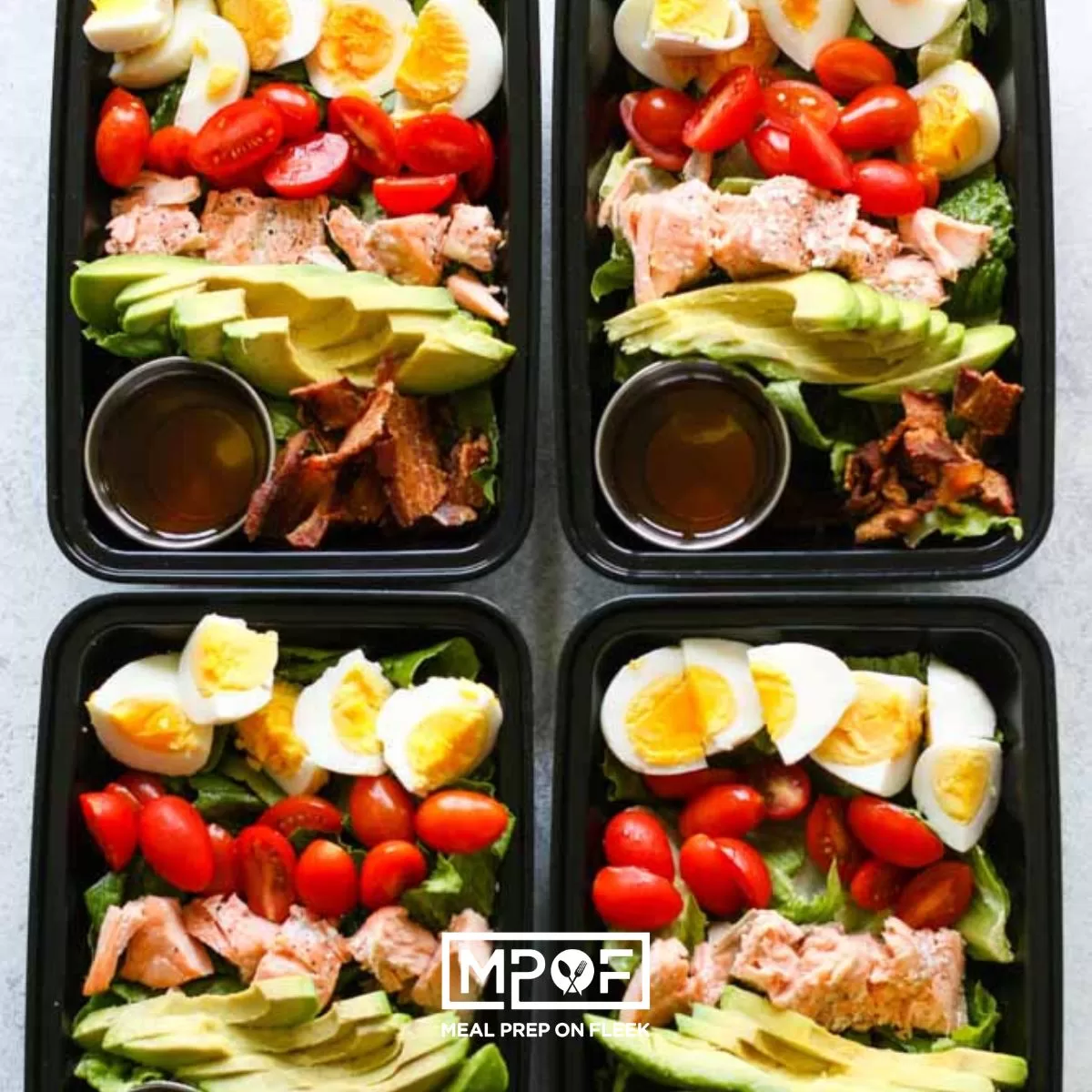
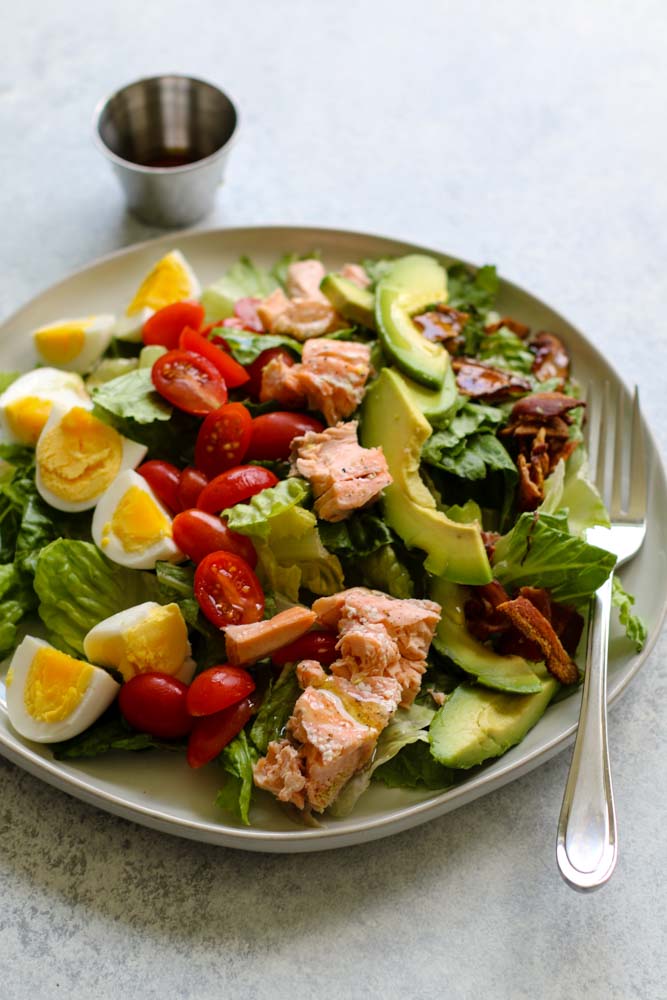
The original Cobb salad, attributed to Robert Howard Cobb in the late 1930s at the Brown Derby restaurant in Los Angeles, was designed as a "kitchen sink" salad intended to utilize leftover ingredients. Traditionally featuring lettuce, tomato, crisp bacon, hard-boiled eggs, avocado, chives, and Roquefort cheese, the dish became a staple of American dining.
In recent years, the fitness industry has sought to optimize this classic for modern dietary needs, specifically targeting the Paleo and gluten-free demographics. The shift toward salmon as a primary protein source reflects a broader nutritional trend—the prioritization of anti-inflammatory fats. According to the American Heart Association, incorporating omega-3 fatty acids twice weekly is associated with a reduced risk of coronary heart disease. By utilizing salmon in a meal prep format, individuals are able to consistently meet these dietary recommendations without the time-intensive labor of daily cooking.
Chronology of Preparation
To ensure both food safety and texture retention, the assembly of the Salmon Cobb Salad requires a structured, multi-phase approach. The process is categorized into three distinct operational phases: component preparation, ingredient cooling, and final assembly.
Phase I: Protein and Lipid Preparation
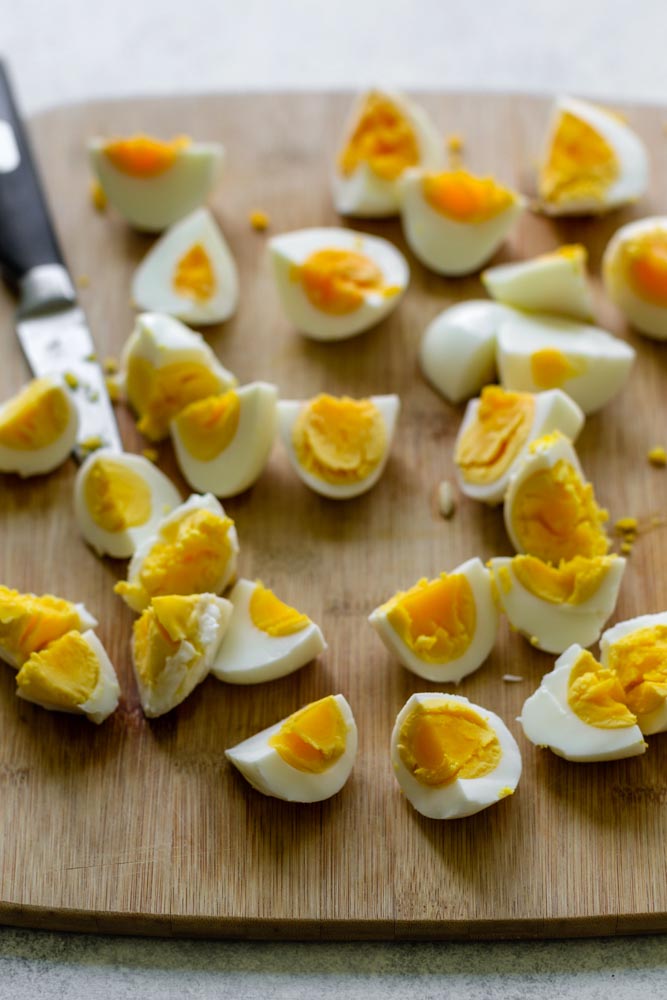
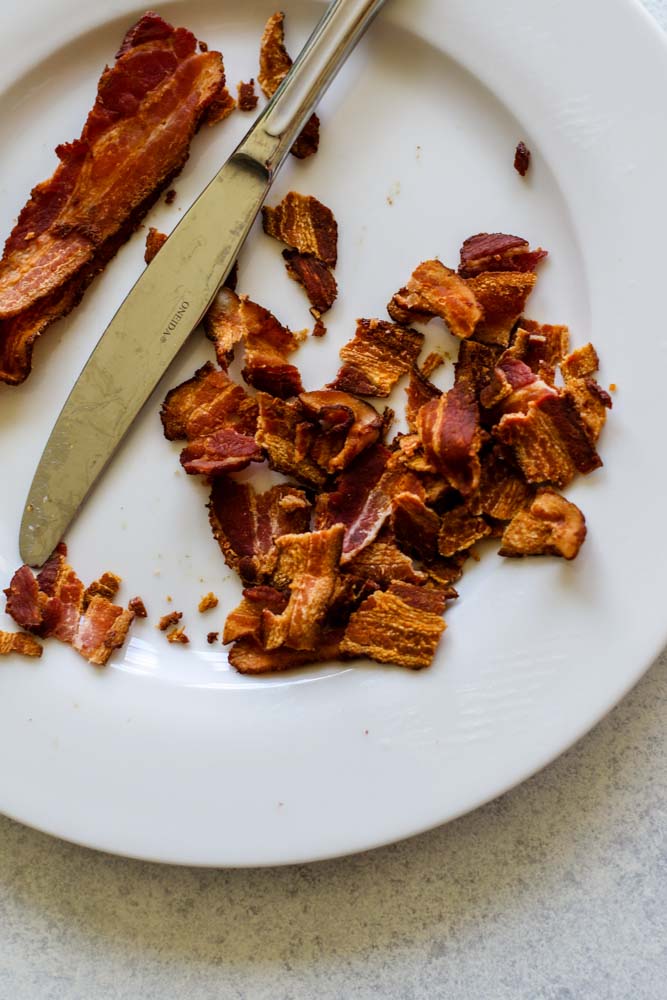
The procedure commences with the hard-boiling of eggs. Industry-standard safety guidelines dictate that eggs should be boiled until the yolk and white are fully set, then cooled in an ice bath to arrest the cooking process. Simultaneously, the salmon fillets—seasoned with minimal sodium and cracked black pepper—are baked at 350°F (177°C). The objective is to achieve a internal temperature of 145°F (63°C), ensuring the flesh is opaque and flakes easily. Bacon is prepared separately, with culinary experts recommending a "crisp-dry" finish to ensure the texture remains stable during the duration of refrigeration.
Phase II: Botanical and Dressing Prep
The vegetable component consists primarily of Romaine lettuce, which must be washed and dehydrated thoroughly. Excess moisture is the leading cause of premature spoilage in cold-storage salads. Once the lettuce is dried, it is segmented into uniform, bite-sized pieces. Tomatoes and avocados are portioned last to maintain their structural integrity. The vinaigrette, a mixture of red wine vinegar and olive oil, is kept in a separate, airtight container to prevent the degradation of the greens through osmotic pressure.
Phase III: Assembly and Cold-Chain Storage
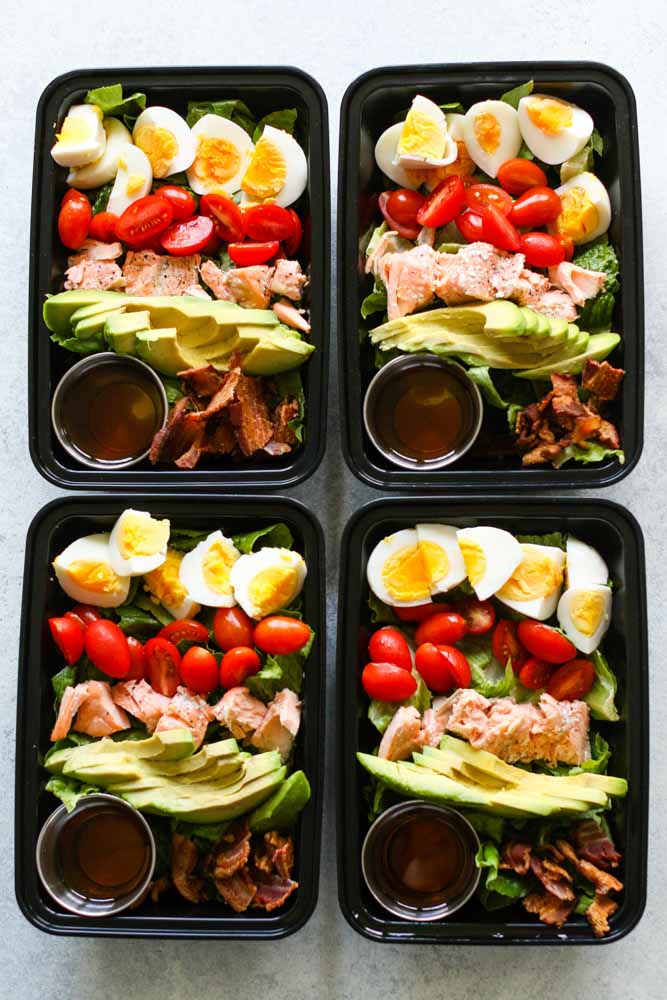
The assembly follows a modular format. The lettuce serves as the base layer, followed by the compartmentalization of the salmon, eggs, bacon, and vegetables. By maintaining a strict separation of components, the meal remains viable for up to 96 hours.
Nutritional Profile and Analytical Breakdown
The Salmon Cobb Salad offers a macronutrient profile that aligns with low-carbohydrate and ketogenic dietary protocols. A single serving provides approximately 427 calories, featuring 24.8 grams of protein and 29.6 grams of fat.
From a nutritional analysis perspective, the inclusion of salmon significantly elevates the B-vitamin content, specifically B6 and B12, which are essential for energy metabolism. Furthermore, the 5.2 grams of dietary fiber—sourced from the romaine, avocado, and tomatoes—aids in glycemic control, preventing the post-prandial energy "crash" frequently associated with carbohydrate-heavy lunches. The use of bacon adds sodium and satiety, though practitioners are advised to utilize nitrate-free, sugar-free varieties to align with Paleo-certified standards.
Market Implications and Culinary Trends
The rise of specialized meal prep reflects a fundamental shift in consumer behavior. With the global meal kit and pre-prepared food industry projected to continue its expansion, the move toward "component prep" represents a pragmatic solution for time-constrained demographics. Unlike monolithic meal prep, where a single dish is consumed repeatedly, the component-based model—such as that utilized in the Salmon Cobb Salad—allows for ingredient versatility.
Dietitians and nutritionists often advocate for this methodology, citing the psychological benefits of dietary variety. By preparing the base components on a weekend, the consumer is not bound to a rigid eating schedule but retains the flexibility to alter their intake based on daily caloric needs. This method reduces food waste and decreases the reliance on processed, pre-packaged convenience foods that often contain hidden additives and preservatives.
Storage Protocols and Food Safety
Adherence to food safety standards is paramount when storing fish-based meals. The primary challenge in storing a salad containing salmon is the oxidation of the avocado and the potential for the greens to wilt.
The industry consensus for maintaining freshness involves three key variables:
- Moisture Control: Ensuring the lettuce is dry before assembly prevents bacterial growth and texture degradation.
- Temperature Management: The refrigerator must remain at or below 40°F (4°C). The use of glass or high-grade BPA-free plastic containers is recommended to minimize chemical leaching and ensure an airtight seal.
- Dressing Separation: The acidity of the vinaigrette will break down the cellular structure of the romaine leaves if added during the storage phase. Keeping the dressing separate until the moment of consumption is non-negotiable for quality control.
Expert Perspectives on High-Protein Meal Planning
Industry experts in the sports nutrition sector frequently cite the Salmon Cobb Salad as a "gold standard" for sustainable lunch planning. "The key to long-term diet adherence is not discipline, but systemization," notes a consultant in the field of nutritional performance. By automating the lunchtime meal, individuals reduce decision fatigue, which is a major contributor to poor dietary choices during the work week.
Furthermore, the integration of salmon—a nutrient-dense, fatty fish—provides a satiety factor that lean chicken breast often lacks. This prolonged satiety reduces the incidence of snacking between lunch and dinner, further stabilizing blood glucose levels throughout the afternoon.
Broader Impact: The Shift Toward Whole Foods
The popularity of recipes like the Salmon Cobb Salad indicates a broader societal shift toward ingredient-conscious eating. Consumers are increasingly scrutinizing labels, opting for raw, whole ingredients that can be prepared at home. This movement toward "clean eating" is not merely a trend but a response to the increasing availability of data regarding the long-term health consequences of ultra-processed food consumption.
As the data continues to support the benefits of anti-inflammatory diets, the adoption of structured, nutrient-dense meal prep will likely continue to grow. This specific iteration of the Cobb salad serves as a template for how traditional American fare can be re-engineered to meet the rigorous nutritional demands of the 21st century.
Conclusion
The Salmon Cobb Salad Meal Prep is a testament to the intersection of culinary tradition and nutritional science. By leveraging the health benefits of wild-caught salmon and the convenience of modern storage systems, this meal prep strategy offers a reliable, sustainable, and highly effective way to manage daily nutrition. Through careful preparation, adherence to food safety protocols, and a focus on high-quality, whole ingredients, the modern professional can ensure that their dietary needs are met without sacrificing the variety and flavor that make a meal enjoyable. Whether the goal is weight management, muscle recovery, or general health optimization, this salad provides a robust framework for success.