
The modern morning routine is increasingly characterized by time-sensitive constraints that often lead to the abandonment of the first meal of the day. Nutritional experts and health analysts have long documented the correlation between skipping breakfast and decreased cognitive function, lower metabolic efficiency, and an increased reliance on high-sugar, ultra-processed convenience foods by mid-morning. As consumer behavior shifts toward efficiency, the emergence of the "sheet pan" culinary method—a technique that utilizes a single baking vessel to cook multiple components simultaneously—has gained significant traction as a viable solution for household meal preparation.
The Evolution of Batch Cooking and Nutritional Efficiency
The practice of "meal prepping" has evolved from a niche fitness-community trend into a mainstream strategy for busy professionals and families. Data from recent food industry surveys indicate that nearly 40% of working adults in urban centers cite a lack of time as the primary barrier to maintaining a balanced diet. The sheet pan breakfast wrap represents a refinement of this practice, leveraging industrial-standard kitchen efficiency to minimize active preparation time.
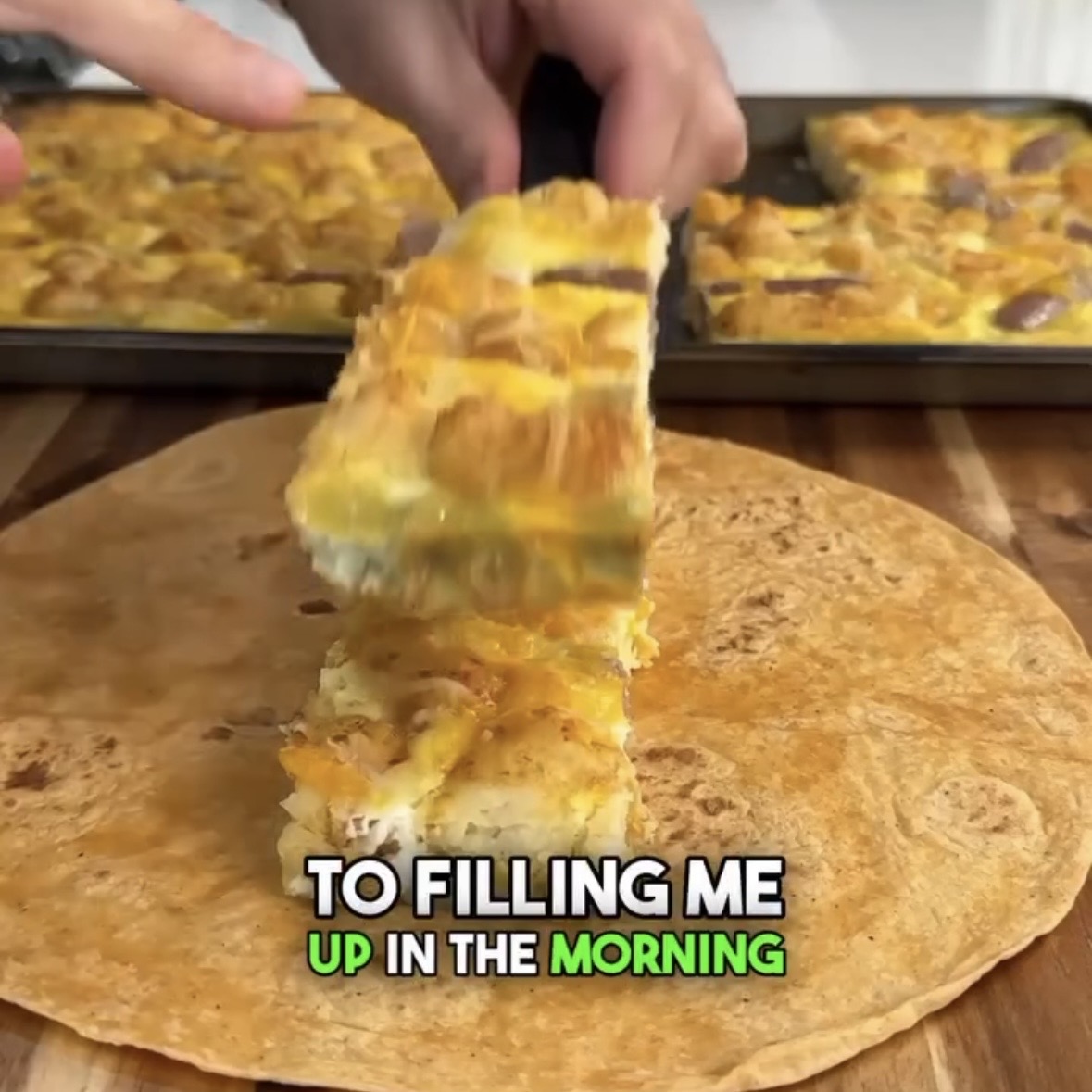
By consolidating protein (eggs, sausage), carbohydrates (tater tots or potatoes), and fats (cheese) onto a single surface, home cooks can achieve a uniform cook time that optimizes the Maillard reaction—the chemical process that creates flavor in browned foods—while reducing the cleanup burden that often discourages consistent meal prep.
Methodology and Chronology of Preparation
The implementation of a sheet pan breakfast strategy typically follows a standardized temporal framework designed to maximize output. A typical batch production cycle spans approximately 45 to 60 minutes:
- Preparation Phase (10 minutes): The oven is preheated to 400°F (200°C). Ingredients are organized to ensure consistent distribution across the surface area of a standard rimmed baking sheet.
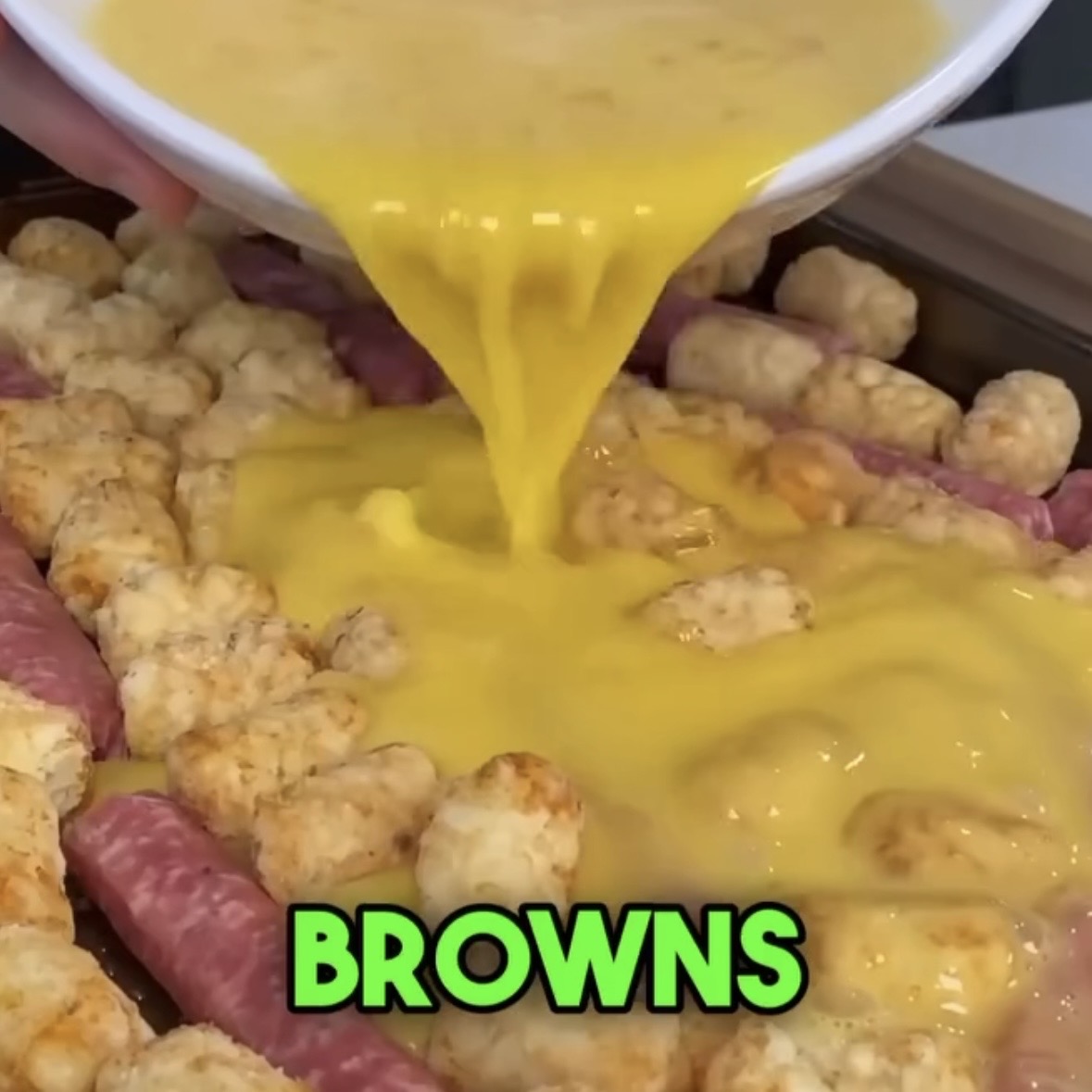
- Cooking Phase (25-30 minutes): Components such as pre-cooked sausage or crumbled breakfast meats, seasoned egg mixtures, and potato-based sides are introduced to the tray. The thermal mass of the sheet pan ensures even heat distribution, allowing the proteins to set while the potatoes achieve a crisp texture.
- Assembly Phase (10 minutes): Once the cooked components reach a safe internal temperature, they are portioned onto flour or corn tortillas. The structural integrity of the wrap is maintained by adding binding elements, such as shredded cheese or mild sauces, which help stabilize the contents.
- Preservation Phase (5 minutes): Each wrap is individually sealed in moisture-resistant materials—parchment paper or heavy-duty aluminum foil—and placed into airtight containment units for the freezer.
Nutritional Implications and Data Analysis
From a dietary perspective, the incorporation of eggs and lean proteins provides a necessary intake of amino acids that support muscle maintenance and satiety. According to the American Society for Nutrition, high-protein breakfasts are linked to improved glycemic control throughout the day. By replacing high-glycemic, drive-thru-style breakfast sandwiches with controlled-portion wraps, individuals can significantly reduce their intake of sodium, preservatives, and saturated fats often found in commercial fast-food offerings.
An average sheet pan breakfast wrap contains approximately 350 to 500 calories, depending on the specific ingredients used. When frozen at peak freshness, these wraps maintain their nutritional profile for up to 90 days, provided the cold chain—the temperature-controlled supply chain—is maintained. The use of airtight packaging prevents freezer burn, which occurs when moisture evaporates from the food surface, leading to oxidation and degradation of texture.
Industrial Perspectives on Convenience and Health
Health advocates and culinary professionals suggest that the transition toward home-prepared convenience meals has profound implications for public health. By removing the "decision fatigue" associated with choosing breakfast each morning, individuals are statistically more likely to adhere to consistent dietary patterns.

"The fundamental challenge of modern nutrition is not the lack of knowledge, but the lack of time," says Dr. Aris Thorne, a researcher in food systems. "When we look at the rise of ‘grab-and-go’ culture, it is clear that consumers require solutions that mirror the convenience of fast food but offer the transparency and nutritional density of home-cooked meals. Techniques like sheet pan meal prep are essentially decentralizing the commercial food production model, bringing that efficiency into the residential kitchen."
Broader Impact: Sustainability and Economic Efficiency
Beyond personal health, the shift toward batch-prepared breakfast items offers a reduction in food waste. By purchasing ingredients in larger quantities and utilizing them in a singular, planned cooking event, households can mitigate the "spoilage rate" of fresh produce and proteins. This economic efficiency is further underscored by the rising cost of living, where the price-per-meal of home-prepped wraps is estimated to be 60% to 75% lower than comparable commercial breakfast sandwiches.
Challenges in Preservation and Reheating
While the methodology is straightforward, the primary challenge remains the maintenance of texture during the reheating process. Professional food scientists emphasize that the "soggy tortilla" phenomenon is typically caused by the accumulation of steam within the packaging. To mitigate this, the following standards are recommended:
- Cooling Period: Allowing the cooked components to reach room temperature before assembly prevents the buildup of condensation inside the freezer wrap.
- The Reheating Protocol: For optimal results, the wraps should be transferred from the freezer to a refrigerator overnight. If reheating from a frozen state, utilizing a combination of microwave (for internal heating) and a secondary heat source (such as a toaster oven or air fryer) helps restore the crispness of the exterior wrap.
Future Outlook for Home Meal Solutions
As consumer interest in personalized nutrition grows, the integration of digital tools—such as automated meal planners and smart kitchen technology—will likely further refine the sheet pan method. The ability to track caloric intake and macronutrient distribution via smartphone applications has already created a data-driven environment for the home chef.
The sheet pan breakfast wrap is not merely a convenience hack; it is a manifestation of a broader movement toward self-reliance in food systems. By reclaiming the preparation of the most important meal of the day, individuals are regaining control over the ingredients they consume and the resources they expend. As this trend matures, it is expected that manufacturers will continue to cater to this demographic by providing better-quality freezer-safe materials and pre-portioned ingredient kits, further lowering the barrier to entry for those seeking a more organized and health-conscious morning routine.
Whether one is a busy parent, a student, or a professional, the data consistently suggests that planning and pre-preparation are the most reliable predictors of dietary success. The sheet pan breakfast wrap stands as a testament to the fact that when nutritional needs are met with logistical foresight, the hectic nature of the morning can be transformed into a manageable, and even nourishing, start to the day.