
The debate surrounding the health implications of vegetable and seed oils has reached a fever pitch in recent years, fueled by the rise of niche nutritional movements like the carnivore diet and the rapid dissemination of viral content on platforms such as TikTok. Often dismissed by proponents of ancestral diets as "toxic sludge," "motor oil," or "the hateful eight," these oils—which include corn, soybean, canola, sunflower, and safflower oils—have become the center of a polarized nutritional discourse. While some influencers claim these oils are the primary drivers of modern chronic diseases, including obesity, depression, and autoimmune conditions, mainstream medical organizations maintain a more measured stance. To understand the reality behind these claims, it is necessary to examine the history of oil production, the chemistry of fat processing, and the current consensus among lipid researchers.
A Historical Context of Industrial Oil Production
The industrial production of vegetable oils is a relatively modern phenomenon, gaining significant momentum in the early 20th century. Before this era, human diets were primarily composed of animal fats, such as lard, tallow, and butter, alongside traditional plant-based fats like olive and coconut oil. The shift toward seed oils was initially driven by the need for shelf-stable, inexpensive, and readily available alternatives to butter and lard.
In the 1900s, food chemists developed methods to extract oil from seeds that contain very little fat compared to fleshy fruits like olives or avocados. This necessitated a rigorous, multi-stage industrial process involving mechanical pressing, chemical solvent extraction—typically using hexane—and high-heat refining, bleaching, and deodorization. This process was designed to ensure safety and stability, yet critics argue that these industrial interventions strip the final product of its natural, health-promoting phytonutrients and antioxidants.
The Chemistry of Processing and Oxidation
The primary scientific concern regarding refined seed oils centers on the chemical structure of polyunsaturated fatty acids (PUFAs). Unlike saturated fats, which are chemically stable, PUFAs are highly susceptible to oxidation. When these oils are exposed to light, heat, or oxygen during the intensive extraction and refining process, they can begin to degrade.

This issue is exacerbated by the culinary use of these oils in commercial deep-frying. In restaurant environments, oil is often reused over extended periods at high temperatures, a process that can lead to the formation of trans fatty acids and lipid oxidation products. While the U.S. Food and Drug Administration (FDA) implemented a ban on the addition of industrially produced trans fats in processed foods in 2018, concerns remain about the quality of oils used in the food service industry and the consumption of ultra-processed foods that contain them as primary ingredients.
Evaluating the Evidence: Omega-6 Fatty Acids and Inflammation
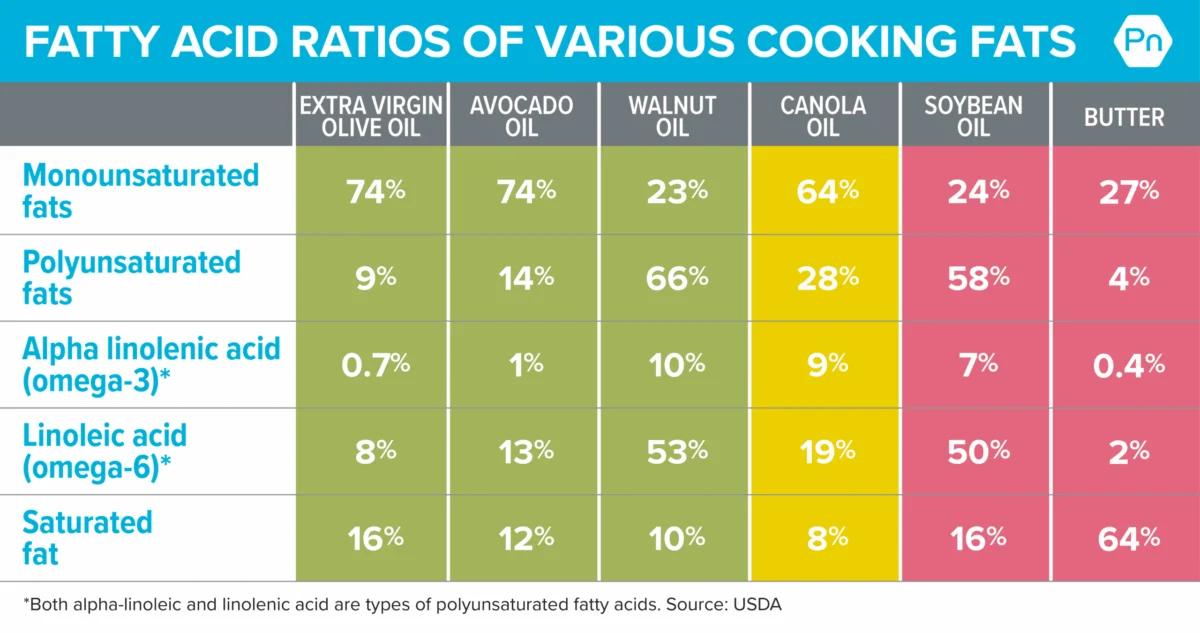
A central argument against seed oils is their high concentration of omega-6 fatty acids, specifically linoleic acid. Some researchers hypothesize that the modern diet’s skew toward a high ratio of omega-6 to omega-3 fatty acids contributes to systemic inflammation. Historically, human diets were believed to maintain a ratio closer to 1:1, whereas the current Western diet often exceeds 16:1.
However, the scientific community is increasingly divided on this theory. Recent studies published in journals such as Circulation have suggested that there is no consistent evidence linking the consumption of omega-6 fats to increased inflammation or chronic disease. In fact, many clinical trials indicate that replacing saturated fats with polyunsaturated fats—the type found in seed oils—can lower LDL cholesterol levels and reduce the risk of cardiovascular events. The discrepancy often lies in the food source: eating whole walnuts or seeds provides beneficial fiber and nutrients alongside omega-6s, whereas consuming refined soybean oil in a pre-packaged snack offers only the oil, devoid of protective compounds.
The Case for Extra Virgin Olive Oil
When comparing oils, the scientific consensus heavily favors extra virgin olive oil (EVOO). Unlike seed oils, which undergo chemical refinement, EVOO is produced through simple mechanical pressing, preserving its rich profile of monounsaturated fatty acids and polyphenols.
Epidemiological studies, including long-term research conducted in Mediterranean regions, have consistently associated high EVOO consumption with reduced mortality and lower risks of heart disease and metabolic syndrome. Contrary to older culinary advice that suggested EVOO should not be heated, modern research indicates that the oil’s high polyphenol content makes it remarkably stable, even at temperatures used for sautéing and roasting.

The Role of Ultra-Processed Foods
Perhaps the most significant nuance in the seed oil debate is the distinction between cooking with a small amount of oil at home and the widespread consumption of ultra-processed foods. Seed oils are a ubiquitous ingredient in modern commercial snacks, salad dressings, and frozen meals. These foods are generally energy-dense, hyper-palatable, and low in essential nutrients.
The association between the consumption of ultra-processed foods and adverse health outcomes is robust. However, it remains difficult for researchers to isolate the specific harm caused by the oil itself versus the harm caused by the excess sodium, refined sugars, and lack of fiber present in these foods. Experts suggest that if an individual limits ultra-processed foods to 20 percent of their total caloric intake, the impact of the refined oils they encounter is likely mitigated by the overall quality of their diet.
Practical Recommendations for Consumers
For individuals seeking to optimize their intake, the strategy is less about eliminating "toxic" substances and more about prioritizing high-quality sources of fat.
- Prioritize Whole Foods: The most effective way to manage fat intake is to source it from whole foods such as avocados, olives, nuts, and fatty fish. These sources provide a complex matrix of nutrients that isolated oils cannot replicate.
- Select Stable Cooking Fats: For home cooking, EVOO remains the gold standard due to its proven health benefits and chemical stability. For those on a budget or looking for a neutral flavor, expeller-pressed canola oil serves as a viable, albeit less nutrient-dense, alternative.
- Limit High-Heat Processing: Deep-fried foods, regardless of the type of oil used, should be considered occasional treats rather than dietary staples due to the risk of oxidation and the generally low nutritional quality of fried foods.
- Moderate Saturated Fat: While the vilification of butter has been overblown, excessive intake of saturated fats remains linked to elevated cholesterol. A balanced approach that limits butter consumption in favor of plant-derived monounsaturated fats is supported by current dietary guidelines.
Conclusion: Navigating the Noise
The characterization of vegetable oils as "toxic" is a significant exaggeration that overlooks decades of nutritional research and the distinction between whole-food sources and highly refined industrial products. While the processing of seed oils is far from ideal, and the reliance on them in ultra-processed food environments is a valid public health concern, they are not inherently "poisonous."
The healthiest approach for the average consumer involves a shift toward minimally processed ingredients and a return to home cooking. By focusing on the quality of the entire diet—rather than demonizing a single ingredient—individuals can make sustainable, evidence-based choices that support long-term health. The current debate serves as a reminder that nutritional science is rarely binary; it is a complex field that requires looking beyond memes and viral social media trends to understand the underlying mechanics of human metabolism. As the scientific community continues to refine its understanding of fatty acids, the recommendation to prioritize whole, minimally processed foods remains the most reliable path to wellness.