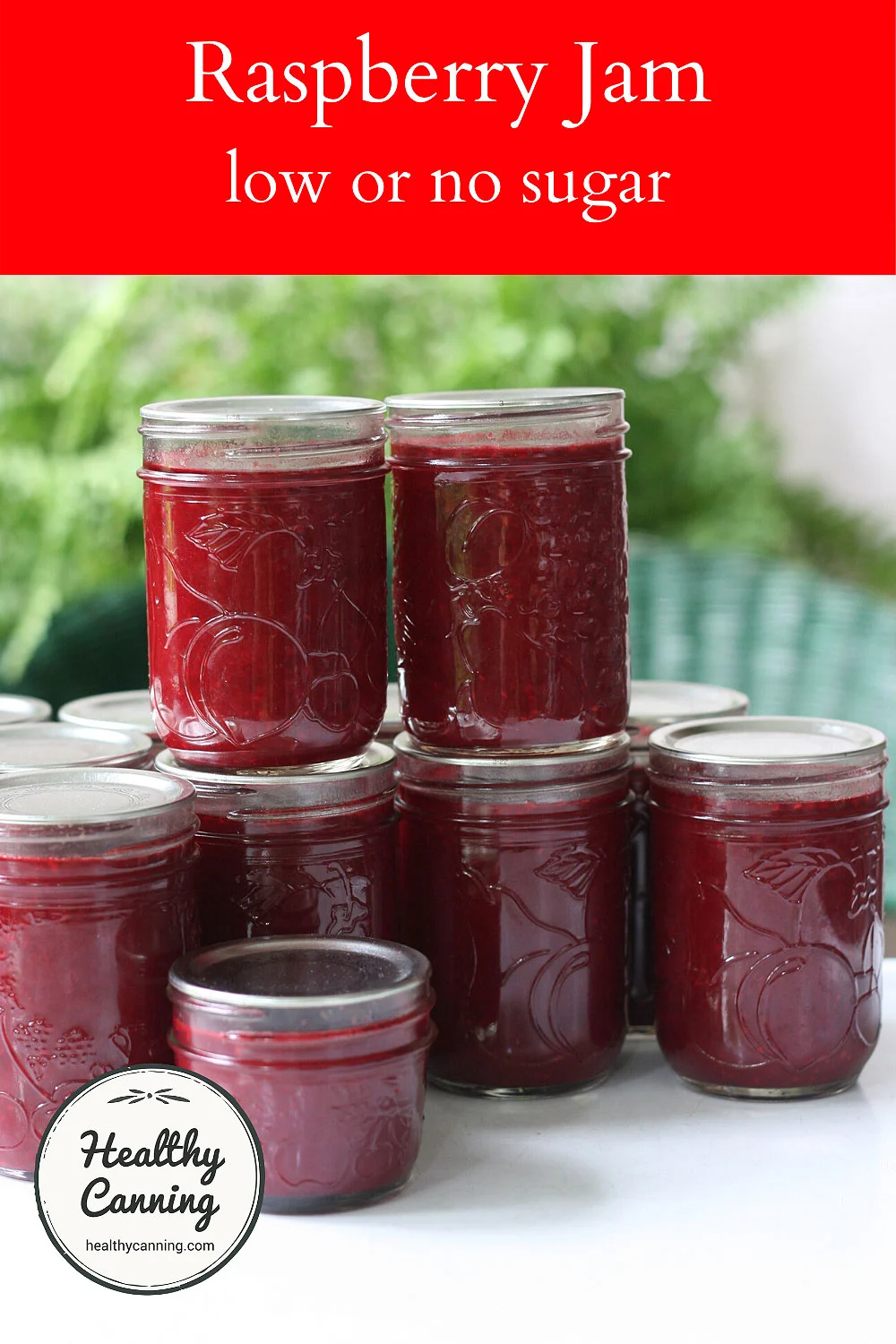

The preservation of seasonal fruit has long been a staple of domestic culinary practice, combining food science with the desire to extend the shelf life of perishable agricultural goods. In contemporary home-canning communities, recent culinary guidelines and recipe adaptations have increasingly focused on versatility, dietary flexibility, and reliable food safety standards. A prime example of this evolution is the standardized formulation for home-canned raspberry jam utilizing Pomona’s universal pectin, a product that allows home preservers to craft stable preserves using drastically reduced sugar quantities, alternative sweeteners, or frozen fruit reserves.
Background Context of Low-Sugar and Pectin Preservation
Traditional jam-making relies on high concentrations of sugar—often equal parts fruit and sugar by weight—to achieve the gel set necessary for a spreadable consistency, while simultaneously acting as a chemical preservative. However, modern consumer preferences and health considerations have driven a significant shift toward lower-sugar alternatives. Traditional commercial pectins require substantial amounts of sugar to activate their gelling properties, making it difficult for home cooks to reduce sugar content without yielding a runny, unmanageable syrup.
Pomona’s pectin, introduced to address these limitations, operates differently. It is a citrus-derived pectin activated by calcium rather than sugar. By separating the gelling mechanism from sugar concentration, this formulation permits home cooks to use anywhere from zero added sugar to traditional levels, or to substitute alternative sweetening agents such as honey, concentrated fruit juices, or non-nutritive sweeteners like granulated Splenda and liquid stevia. This flexibility has transformed home canning for diabetics, individuals monitoring caloric intake, and those seeking to highlight the natural flavor profiles of seasonal fruits rather than masking them with excessive sweetness.
Chronology and Recipe Development
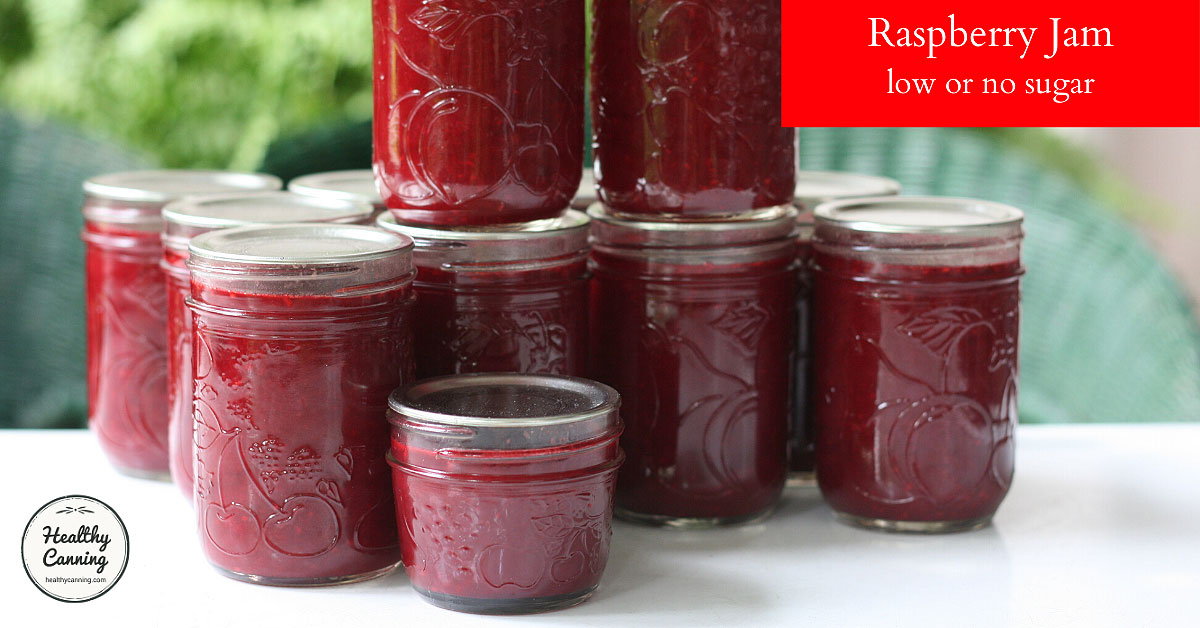
The historical adaptation of low-sugar raspberry preserves traces its roots through decades of cooperative extension service publications and specialized preserving guides. The specific variant utilizing Pomona pectin with optional seed-straining and varied sweeteners was adapted from foundational recipes popularized by Pomona’s Pectin developers, notably drawing from archival formulations such as the Seedless Raspberry-Honey-Vanilla Jam.
Over the years, culinary researchers and Master Food Preservers modified these foundational blueprints to improve adaptability. Adjustments included introducing methods for utilizing frozen raspberries—thereby decoupling jam production from the strict constraints of the mid-summer harvest window—and establishing precise parameters for seed removal during periods of fruit abundance. Further chronological refinements involved integrating safety guidelines for both water-bath and atmospheric steam canning, ensuring that home preservers possess standardized processing times regardless of whether they are working with fresh garden gluts or thawed winter fruit reserves.
Technical Specifications and Processing Parameters
Adhering to scientifically validated processing guidelines is critical for ensuring the microbiological safety of home-canned goods. According to current preservation standards, low-sugar raspberry jam utilizing Pomona pectin requires meticulous adherence to specific volumetric and thermal parameters.
The designated jar size choices for this recipe are strictly limited to small-format containers: either 125-milliliter (one-half cup / 4-ounce) jars or quarter-liter (one-half US pint / 8-ounce) jars. Utilizing larger containers compromises the heat penetration calculations established for water-bath and steam-canning methods, potentially leading to under-processing and microbial survival.
Preparation and cooking timelines are relatively concise. Preparation generally requires approximately 15 minutes, which encompasses washing, destemming, optional seed straining, and calcium-water preparation. Active cooking time spans roughly 20 minutes, bringing the total time investment to approximately 35 minutes. The standard yield for the baseline recipe is four quarter-liter jars, maintaining a consistent headspace of one centimeter (one-quarter inch) to allow for proper thermal expansion and seal formation during processing.
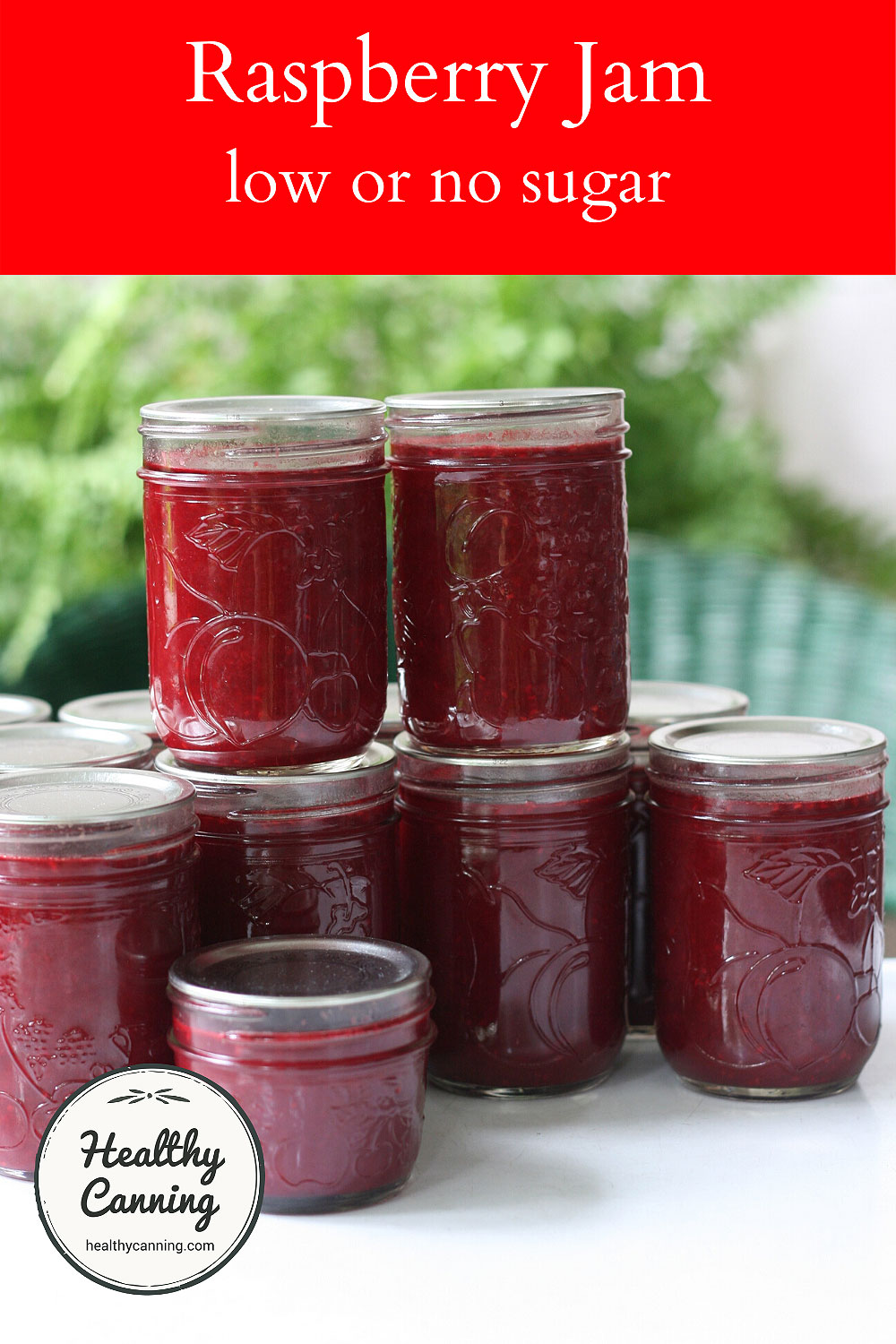
Processing must be executed via boiling water-bath canning or approved atmospheric steam canning for a duration of exactly 10 minutes at sea level. Preservers residing at higher elevations must consult standardized altitude adjustment charts to increase processing times accordingly, as atmospheric pressure variations alter boiling points and heat transfer efficiency.
Nutritional Profiles and Sweetener Variations
The nutritional content of the finished raspberry jam varies significantly depending on the sweetening agent employed. When prepared using the standard formulation incorporating one cup (200 grams) of granulated sugar, a standard one-tablespoon serving yields approximately 21 calories, 5 grams of carbohydrates, 4 grams of sugar, 1 gram of dietary fiber, and trace amounts of protein, sodium, and potassium.
Alternatively, utilizing granulated Splenda reduces the caloric load to approximately 10 calories per tablespoon, with carbohydrates dropping to 2 grams. Other approved sweetening alternatives include one-half to one cup of honey (125 to 250 milliliters) or two teaspoons of liquid stevia, each altering the viscosity, flavor depth, and glycemic impact of the final preserve. Because Pomona pectin does not rely on sugar for structural integrity, the gel set remains stable across all tested sweetener variations.
Official Responses and Expert Guidance on Food Preservation
Agricultural extension services and food safety authorities continually emphasize the importance of relying on scientifically tested recipes rather than traditional kitchen estimations, particularly when altering sugar and acid ratios in home canning.
Master Food Preservers, operating through cooperative extension networks and seasonal telephone hotlines, stress that low-sugar jams have a different chemical environment than high-sugar preserves. Because sugar acts as a humectant that binds free water and inhibits microbial growth, reducing sugar increases water activity within the jar. Consequently, maintaining proper acidity levels, using verified pectin brands like Pomona, and strictly adhering to recommended processing times are mandatory safety protocols rather than optional recommendations. Food safety experts advise home canners seeking immediate troubleshooting assistance to consult certified Master Food Preserver groups, which maintain rigorous training standards to guide the public through safe canning practices.
Broader Impact and Economic Implications
The resurgence of interest in home canning and low-sugar preserving reflects broader cultural shifts toward food self-sufficiency, waste reduction, and health-conscious consumption. By accommodating frozen berries, recipes utilizing flexible pectins allow households to mitigate food waste during peak harvest gluts and utilize preserved ingredients year-round without incurring the high costs associated with commercial specialty jams.
Furthermore, the economic impact of home food preservation extends to local agricultural markets, where consumers purchasing fresh berries at farmers’ markets can extend the economic value of their purchases. From a public health perspective, the widespread availability of scientifically vetted low-sugar canning recipes empowers consumers to control their dietary intake of refined sugars without sacrificing traditional culinary arts. As food preservation technology continues to balance historical techniques with modern nutritional science, standardized recipes such as the Pomona-pectin raspberry jam ensure that home canning remains a safe, accessible, and adaptable practice for modern households.