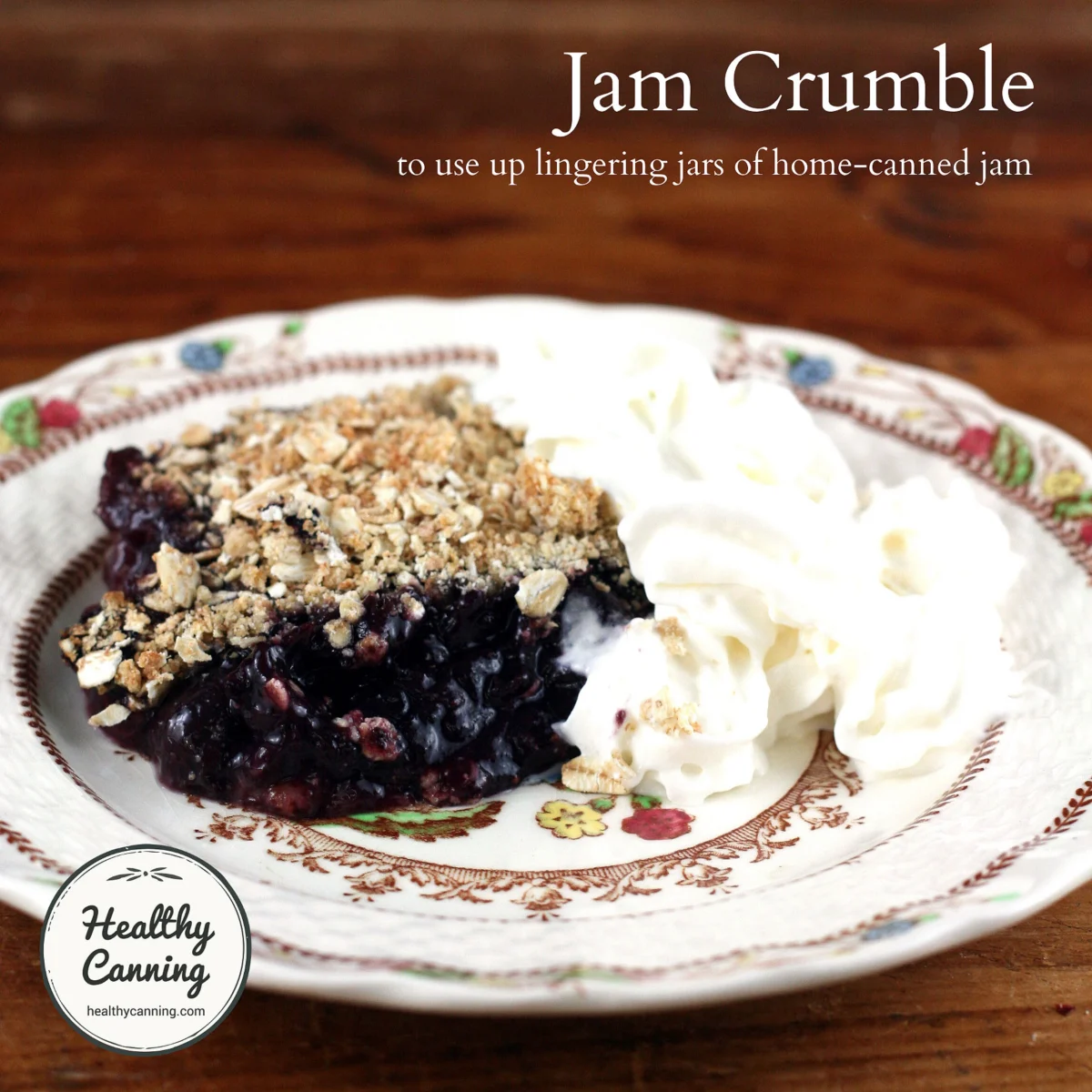

In kitchens across North America and Europe, a quiet culinary revolution is transforming how home cooks deal with one of the pantry’s most persistent leftovers: aged or forgotten homemade preserves. Culinary experts and food waste reduction advocates are increasingly championing the "jam crumble," a versatile, near-instant dessert concept designed to rescue lingering jars of home-canned fruit from the back of the pantry. Driven by a combination of post-pandemic frugality, heightened awareness of household food waste, and the enduring popularity of home canning, this simple baking technique has gained significant traction among domestic cooks looking for low-stress, high-reward dessert solutions.
The Phenomenon of Pantry Accumulation
The genesis of the jam crumble lies in a common domestic paradox. During the summer and autumn harvest seasons, home gardeners and canning enthusiasts often experience a significant fruit windfall. Whether through successful foraging, bumper crops of backyard berries, or farmers’ market bargains, individuals frequently process more fruit than their households can consume in a typical year. This surplus is traditionally preserved in mason jars as jams, jellies, and preserves.

However, consumption patterns rarely match production rates. While a household might enthusiastically spread strawberry, blackberry, or peach jam on morning toast for a few weeks, the novelty eventually wears off. Families inevitably fall out of the breakfast jam habit, leaving rows of sealed jars to sit gathering dust on pantry shelves. Over time, these forgotten preserves risk being discarded—not because they have spoiled, given the high sugar content and proper vacuum sealing of home-canned goods, but simply because cooks run out of creative ways to use them.
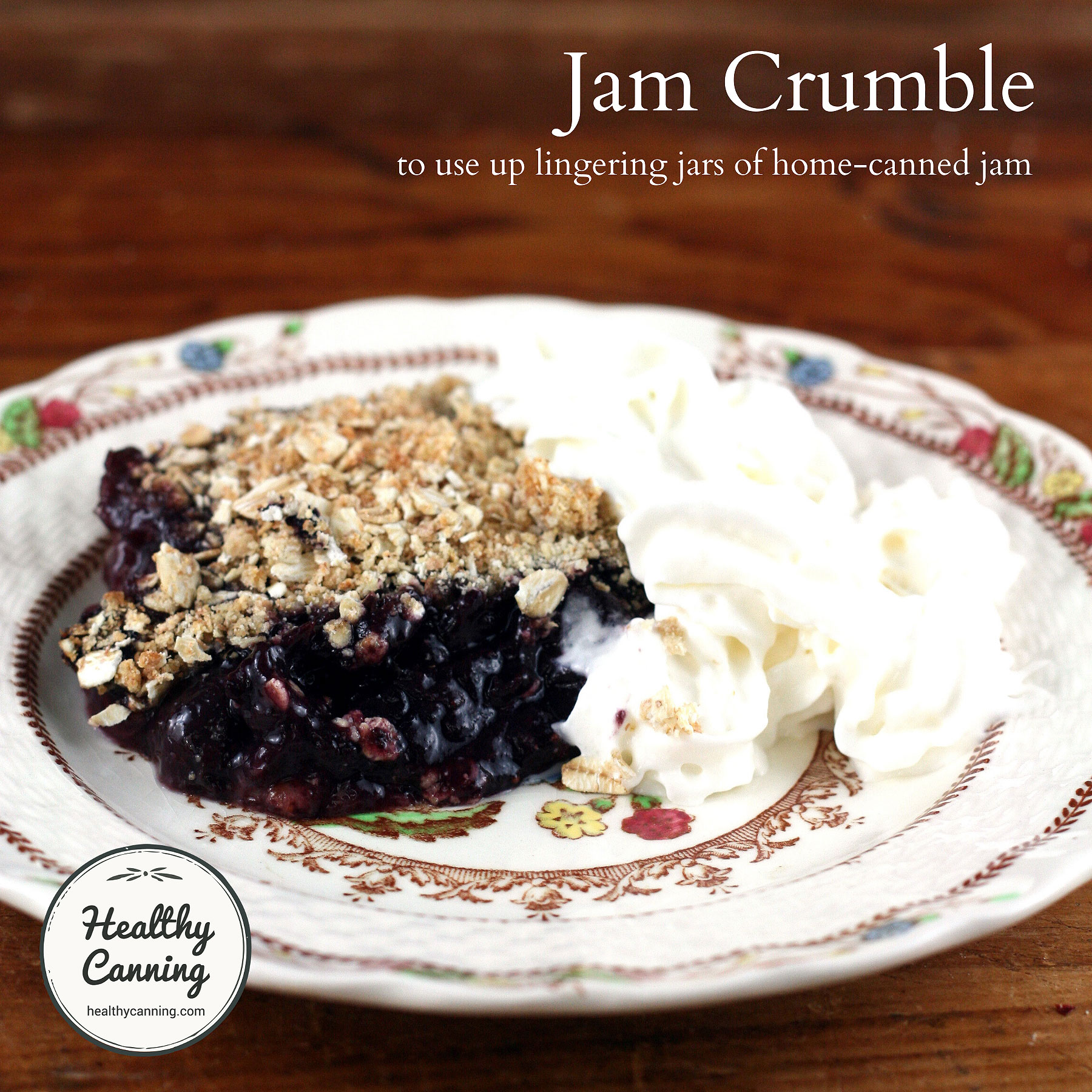
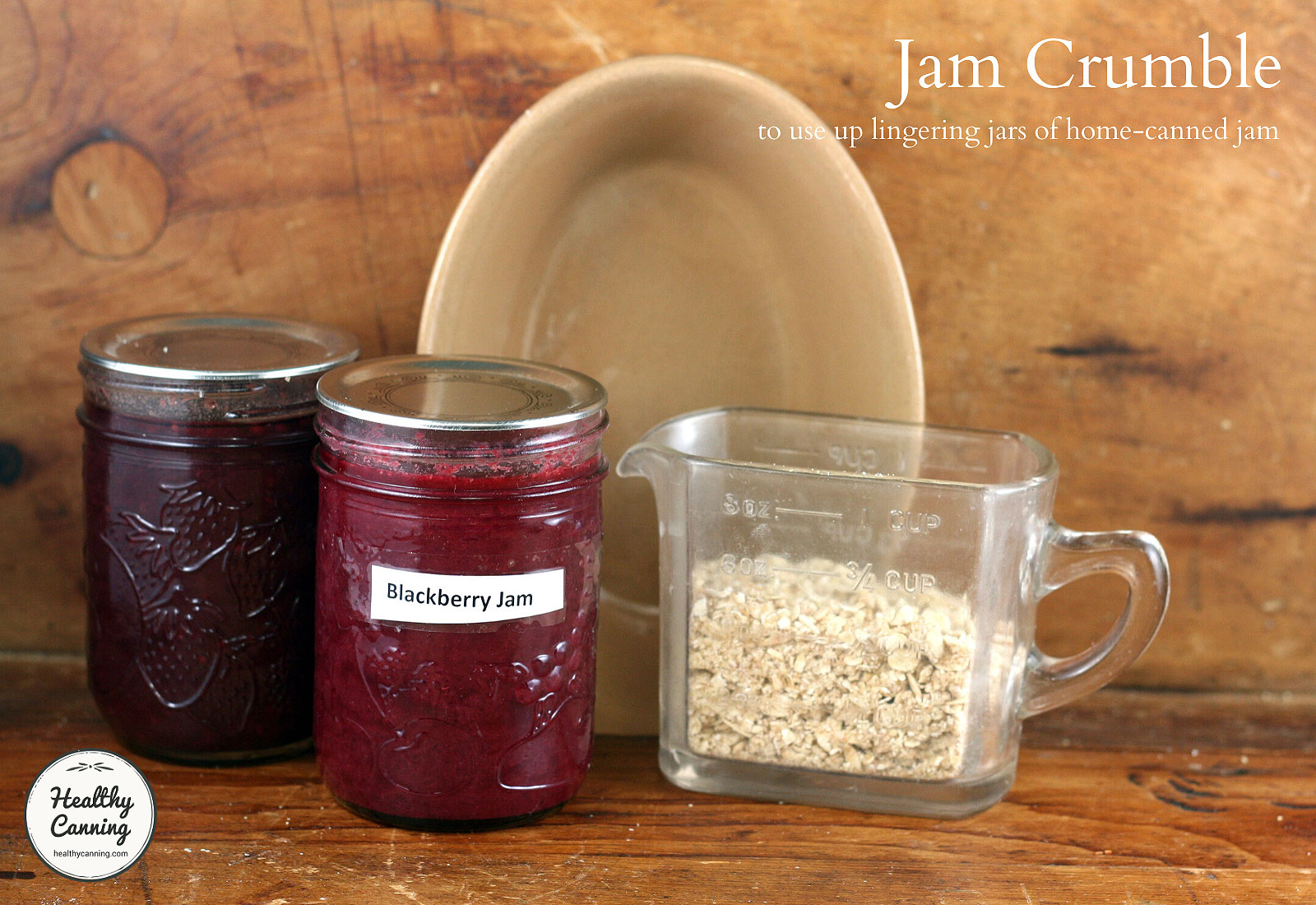
The jam crumble directly addresses this issue by pivoting the ingredient from a breakfast spread to a core baking component. By utilizing approximately two cups of jam—equivalent to two standard half-pint jars or one large pint jar—cooks can rapidly assemble a warm, bubbling dessert with a prep time of just ten minutes and a baking time of approximately 35 minutes at 175°C (350°F).
Culinary Mechanics and Flavor Profiles
From a culinary standpoint, baked jam acts as a concentrated fruit filling, bypassing the need to wash, peel, chop, and pre-cook fresh fruit. Because home-canned preserves already possess the ideal sugar-to-fruit ratio and natural pectin set, they transition seamlessly into the base of a traditional fruit crisp or crumble.
Professional and home bakers have expanded upon the basic concept by experimenting with flavor layering. Rather than utilizing a single jar of uniform flavor, culinary guides recommend combining two contrasting or complementary fruit preserves in the baking dish. For instance, layering a tart red currant or raspberry jam beneath a sweeter peach or apricot preserve creates a complex, multi-dimensional flavor profile once baked.
The topping mechanics are similarly flexible. While traditional recipes often utilize a standard oatmeal-and-flour mixture cut with butter, pantry-conscious cooks frequently adapt whatever dry ingredients are readily available. In the absence of a pre-made baking mix, a standard crumble topping can be rapidly manufactured using one-half cup of rolled oats, two tablespoons of flour, one tablespoon of sugar, a pinch of salt, and two tablespoons of cold butter rubbed into the mixture. Bakers can further elevate the dish by incorporating warming spices such as cinnamon or nutmeg, or by adjusting the sweetness level depending on whether the original jam was prepared using traditional high-sugar methods or modern low-sugar and sugar-free alternatives.
Economic and Environmental Implications
The growing popularity of quick-assembly desserts like the jam crumble intersects with broader socioeconomic trends regarding food inflation and sustainability. According to data from environmental agencies and food waste reduction organizations, household food waste remains a critical contributor to municipal landfill volume and greenhouse gas emissions. While much attention is focused on perishable items like fresh produce and dairy, dry goods and home-canned preserves frequently account for "pantry spoilage"—items that are pushed to the back of cupboards and forgotten until they are past their theoretical prime.
By reframing preserved goods as flexible baking ingredients, home cooks can extend the lifecycle of their preserved harvests. Furthermore, in an economic climate marked by fluctuating grocery prices, utilizing ingredients already paid for and stored at home offers immediate financial relief. Culinary economists note that utilizing pantry inventory for impromptu baking reduces the impulse to purchase commercial convenience desserts or specialized baking ingredients.
Nutritional Flexibility and Dietary Adaptation
Another driving factor behind the adoption of the jam crumble concept is its adaptability to various nutritional frameworks. Because the recipe acts as a structural blueprint rather than a rigid formula, the nutritional content varies wildly depending on the ingredients chosen by the cook.
For individuals managing caloric intake or adhering to specialized dietary programs such as Weight Watchers, substituting traditional high-sugar preserves with low-sugar, fruit-juice-sweetened, or sugar-free home-canned jams drastically reduces the overall caloric load of the dessert. Similarly, gluten-free diners can easily substitute the standard flour and oat topping with certified gluten-free oats or alternative grain blends, ensuring the dessert remains inclusive for guests with dietary restrictions.
Food safety organizations and home preservation experts, such as those operating through agricultural extension offices and Master Food Preserver networks, have noted an increase in inquiries regarding the secondary use of older home-canned goods. While home-canned jams stored in a cool, dark place remain safe indefinitely as long as the vacuum seal is intact and there are no signs of spoilage, their quality—particularly color and bright flavor—can slowly degrade after 12 to 18 months. Transforming these older jars into baked crumbles masks minor degradations in color or texture, as the heat of the oven caramelizes the sugars and concentrates the fruit flavors.
Future Outlook for Pantry Utilization
As modern consumers continue to seek efficient, budget-friendly ways to manage household provisions, the integration of traditional preserving skills with quick-assembly baking is expected to remain popular. Food writers and recipe developers anticipate further innovations in pantry-clearing techniques, as the home cooking community places a premium on resourcefulness and culinary improvisation.
For the average household, the message from food waste advocates and culinary instructors is clear: a crowded pantry shelf filled with forgotten jars of jam is not a sign of culinary failure, but rather an untapped resource for a warm, comforting dessert just ten minutes of preparation away. Whether served warm with a dollop of whipped cream, a scoop of vanilla ice cream, or enjoyed plain, the humble jam crumble demonstrates that traditional preservation and modern convenience can successfully intersect on the dining table.