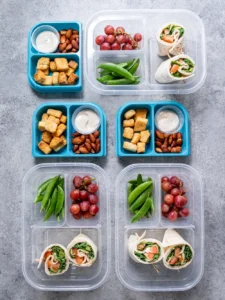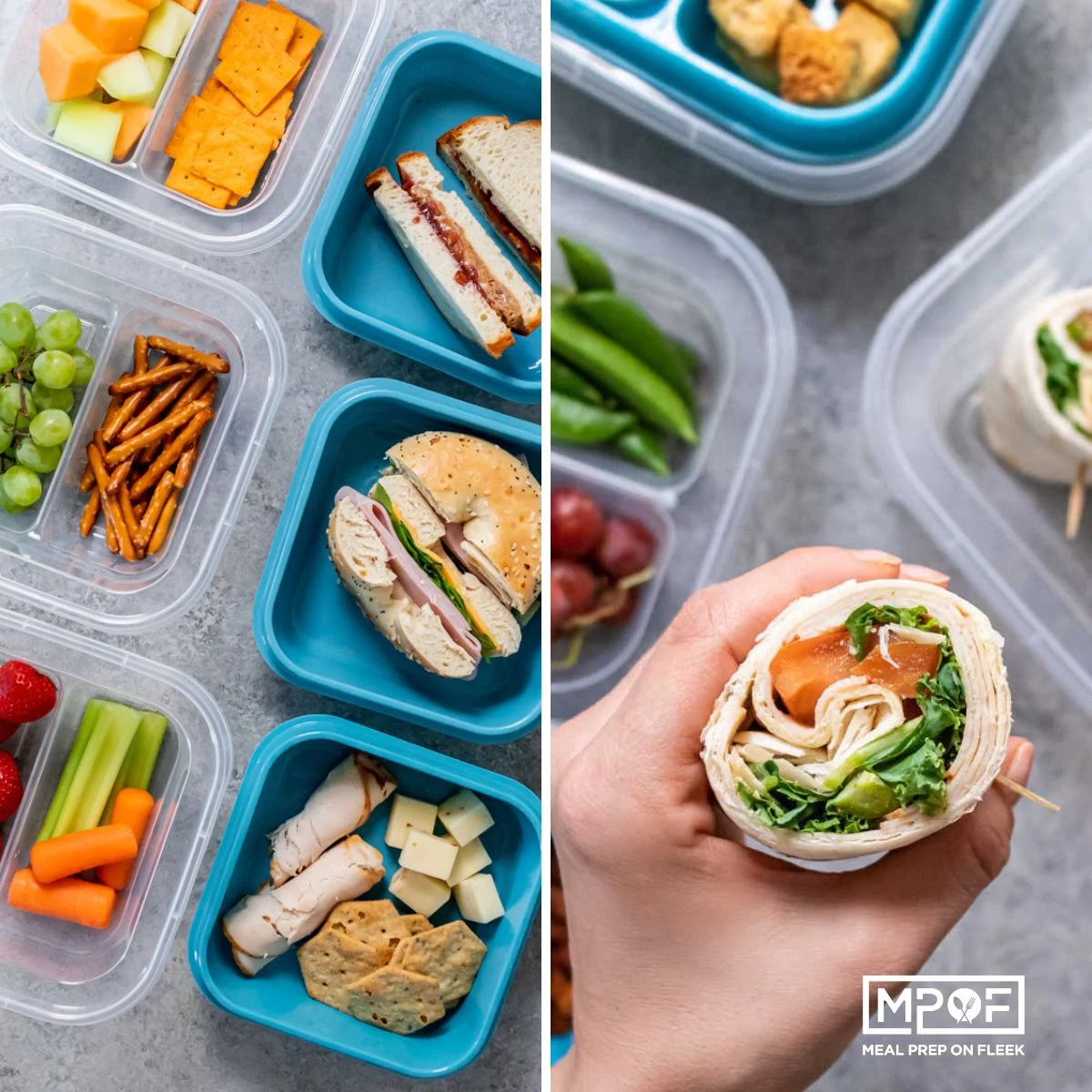

The annual transition into the academic year presents a recurring logistical challenge for parents: balancing nutritional requirements with the constraints of a hectic morning schedule. As students return to classrooms, the demand for efficient, shelf-stable, and appetizing lunch solutions has surged, leading to a shift toward "no-cook" meal preparation strategies. This method emphasizes the use of compartmentalized storage solutions—such as the GoodCook Lunch Cubes—to streamline the process of packing nutrient-dense meals that require minimal assembly time.
The Evolution of School Lunch Preparation
Historically, school lunches have been defined by either the reliance on institutional cafeteria offerings or the preparation of traditional sandwiches. However, recent data from consumer advocacy groups and nutritionists indicate a pivot toward "bento-style" meals. These meals, characterized by smaller, varied portions, are increasingly popular because they provide children with sensory variety while reducing the likelihood of food waste.
The "no-cook" philosophy is rooted in the efficiency of utilizing raw, whole ingredients—such as fresh fruits, vegetables, lean deli meats, and cheeses—that do not require thermal processing. By utilizing modular containers, parents can create a standardized system for lunch assembly that functions as a "snack box" format, which research suggests is more appealing to younger students who may be overwhelmed by single, large entrees.
Chronology of the Modern Lunch Prep Movement
The shift toward organized, modular lunch prep gained significant momentum in the late 2010s, fueled by social media trends that highlighted the aesthetic and functional benefits of organized food storage. By 2022, the emphasis moved from mere presentation to functionality. The current landscape is defined by:
- Pre-planning phase (Sunday/Monday): The purchase and organization of "grab-and-pack" items such as baby carrots, hummus cups, and fruit, which remain stable in the refrigerator throughout the work week.
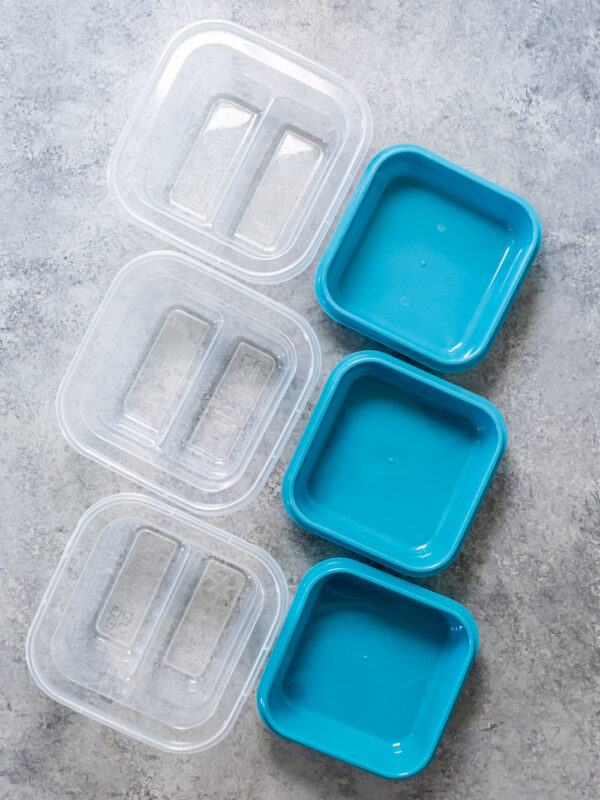
- The Assembly phase (Nightly or Weekly): The utilization of multi-compartment containers to separate wet and dry ingredients, preventing cross-contamination and maintaining the texture of crackers and bread.
- The Consumption phase (Lunchtime): A focus on "no-reheat" meals, which eliminates the logistical hurdle of finding a microwave during short school lunch periods.
Data-Driven Nutritional Considerations
Nutritionists often emphasize that a successful school lunch must balance three primary macronutrients: proteins, complex carbohydrates, and fats. A standard, no-cook lunch cube designed for a primary school student typically contains approximately 400–450 calories.
According to guidelines from the USDA, a balanced lunch should include a fruit or vegetable, a whole grain, and a lean protein source. The modular approach excels here, as it allows for the integration of:
- Protein: Deli turkey, ham, or plant-based alternatives provide the sustained energy necessary for afternoon cognitive tasks.
- Fiber: Fresh berries, apple slices, or raw broccoli/carrots contribute to satiety and gut health.
- Crunch: Whole-grain crackers or pretzels provide the necessary texture to maintain student engagement with the meal.
Strategic Implementation: Three Core Models
To simplify the morning routine, industry experts recommend adopting three distinct "lunch cube" templates. These models are designed to be fully customizable based on individual dietary restrictions, such as nut allergies or gluten sensitivities.
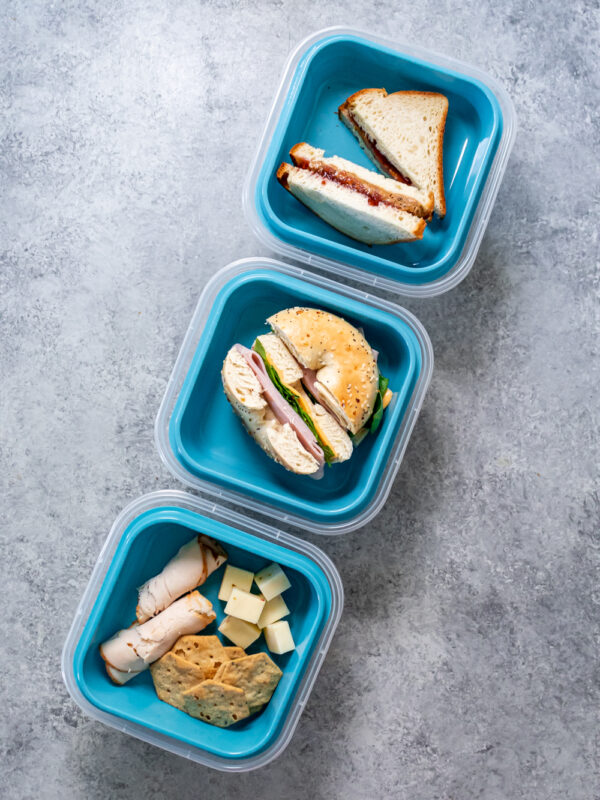
Model 1: The Protein-Rich Snack Box
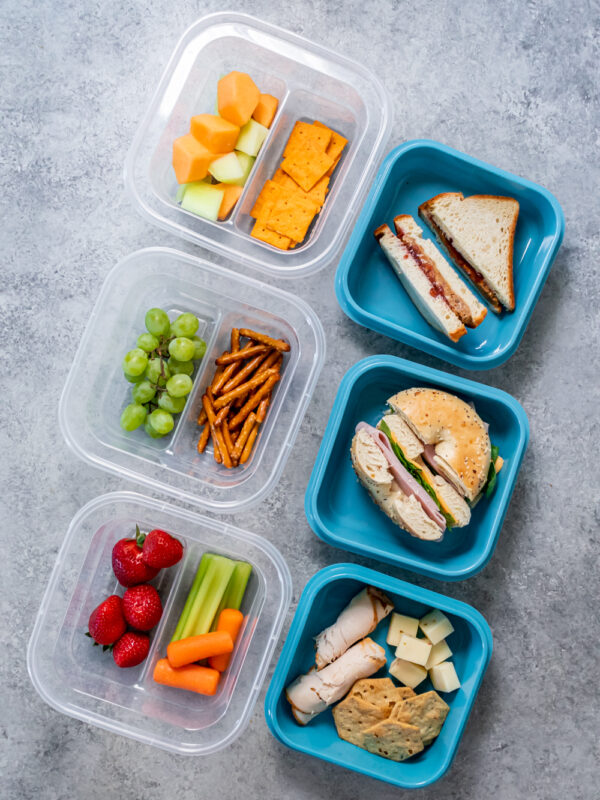
This model focuses on small, individual servings of diverse foods. It typically features cubed deli meat, a variety of cheeses, crackers, and a selection of fresh fruit. This format is particularly effective for students who prefer "grazing" rather than consuming a single large item.
Model 2: The Modern Traditionalist
A contemporary take on the standard sandwich lunch. By substituting traditional bread with bagel thins, pita pockets, or lettuce wraps, parents can reduce the carbohydrate load while keeping the familiar flavors students enjoy. The inclusion of a crunchy side, such as pretzels or chips, provides a familiar sensory experience.
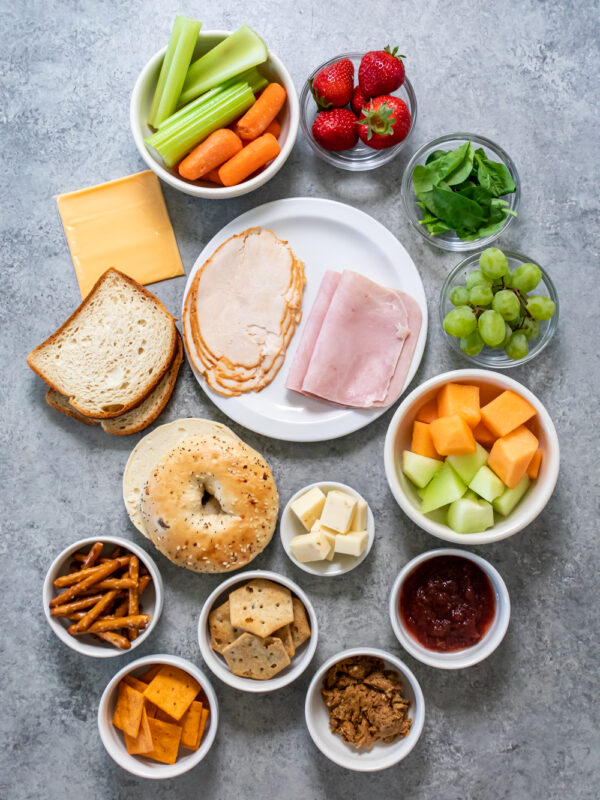
Model 3: The Allergen-Aware Classic
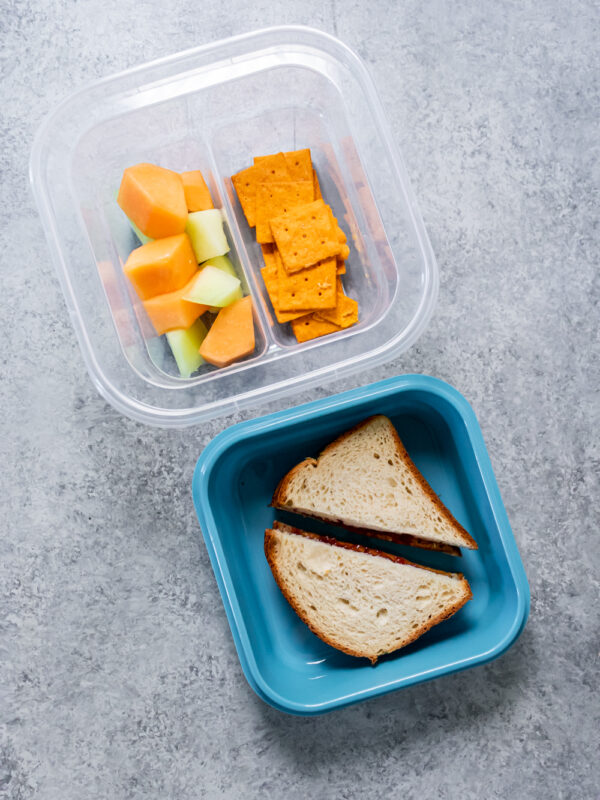
The peanut butter and jelly sandwich remains a staple of the American school experience. To manage school-wide allergen policies, many parents are successfully substituting peanut butter with sunflower seed butter or other nut-free spreads. This is paired with seasonal, affordable produce to ensure economic efficiency.
Implications for Child Development and Independence
One of the most significant, yet overlooked, benefits of the no-cook lunch movement is the opportunity for child participation. When students are involved in the selection and assembly of their meals, behavioral studies suggest an increase in their willingness to consume fruits and vegetables.
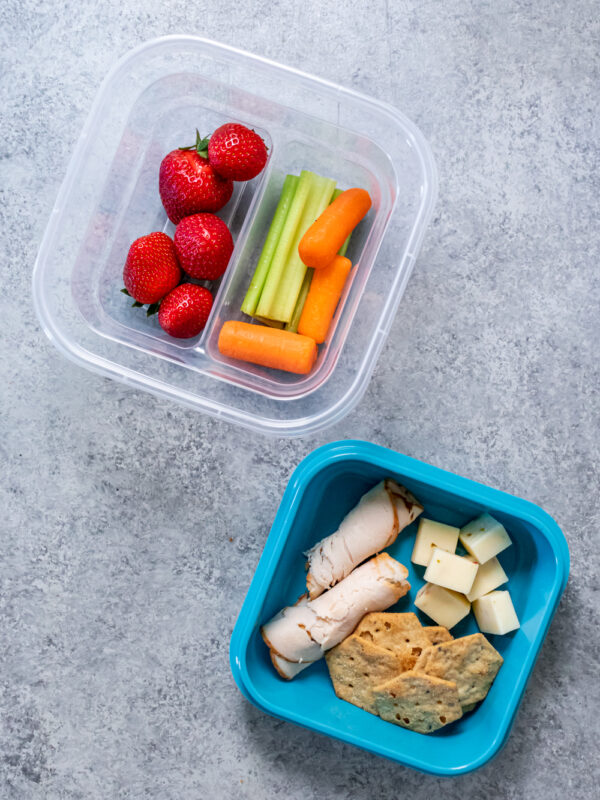
By allowing children to assist in the grocery store—choosing their own preferred produce or helping to stack items into containers—parents foster a sense of autonomy. This "ownership" of their nutrition is a foundational step in developing healthy eating habits that persist into adolescence. The use of a "grab-and-pack" pantry basket ensures that children can contribute to their own lunch assembly, which serves as an early lesson in time management and personal responsibility.
Professional Perspectives on Meal Planning
The logistical burden of daily meal preparation is not limited to parents; it is a point of concern for educators and professionals as well. The rise of dedicated meal planning services for teachers reflects a broader societal acknowledgment that meal preparation is a significant cognitive load.
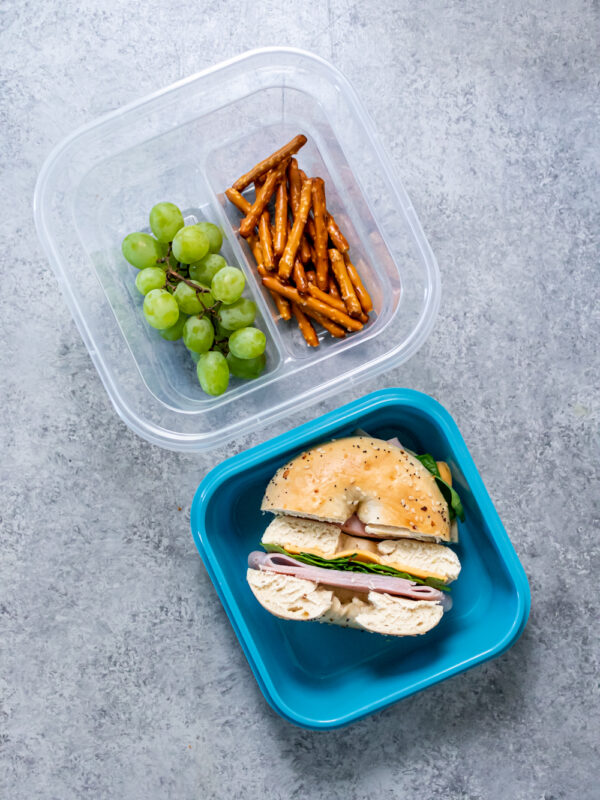
"The objective of a streamlined lunch system is to remove the ‘decision fatigue’ that occurs at 7:00 AM," says one industry analyst. "When the containers are prepared and the ingredients are organized in a dedicated refrigerator zone, the friction of the morning routine is significantly reduced. This allows for a more focused start to the school day for both the student and the parent."
Broader Societal Impact
The transition toward pre-portioned, no-cook lunches also has implications for food waste reduction. By utilizing containers that precisely fit the amount of food a child is likely to consume, families can better track intake and adjust portions accordingly. This leads to a more sustainable household model that emphasizes quality over quantity.
Furthermore, the normalization of "no-reheat" lunches reflects a practical response to the realities of the modern school environment. As schools become more crowded and lunch periods remain static, the ability to consume a nutritious meal without the need for queuing at a microwave is an advantage that cannot be understated.
Conclusion: Sustaining the Momentum
As the school year progresses, the consistency of these lunch-packing strategies will be the primary factor in their success. By leveraging the modularity of modern storage containers and maintaining a stock of diverse, healthy "grab-and-pack" items, parents can ensure that their children remain fueled and focused throughout the day.

The strategy is not merely about convenience; it is about providing a reliable, nutritionally sound, and psychologically satisfying meal that bridges the gap between home and the classroom. As data continues to support the benefits of balanced, consistent nutrition, the "no-cook" model stands as a pragmatic, effective solution for the modern family. Whether through the implementation of dedicated meal plans for time-strapped professionals or the simple act of letting a child pack their own lunch box, the focus remains clear: effective, stress-free, and healthy eating is an achievable goal for every household.