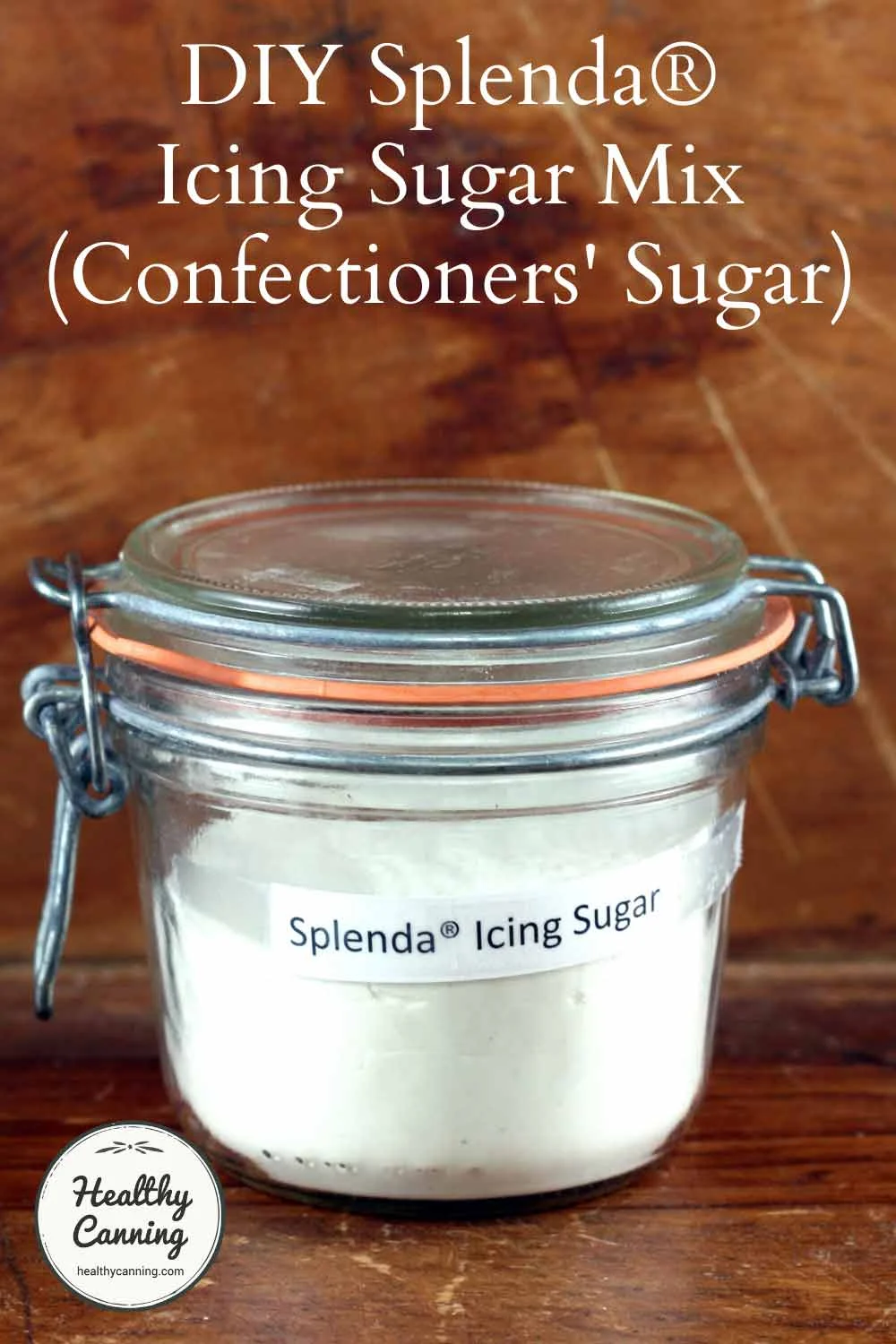

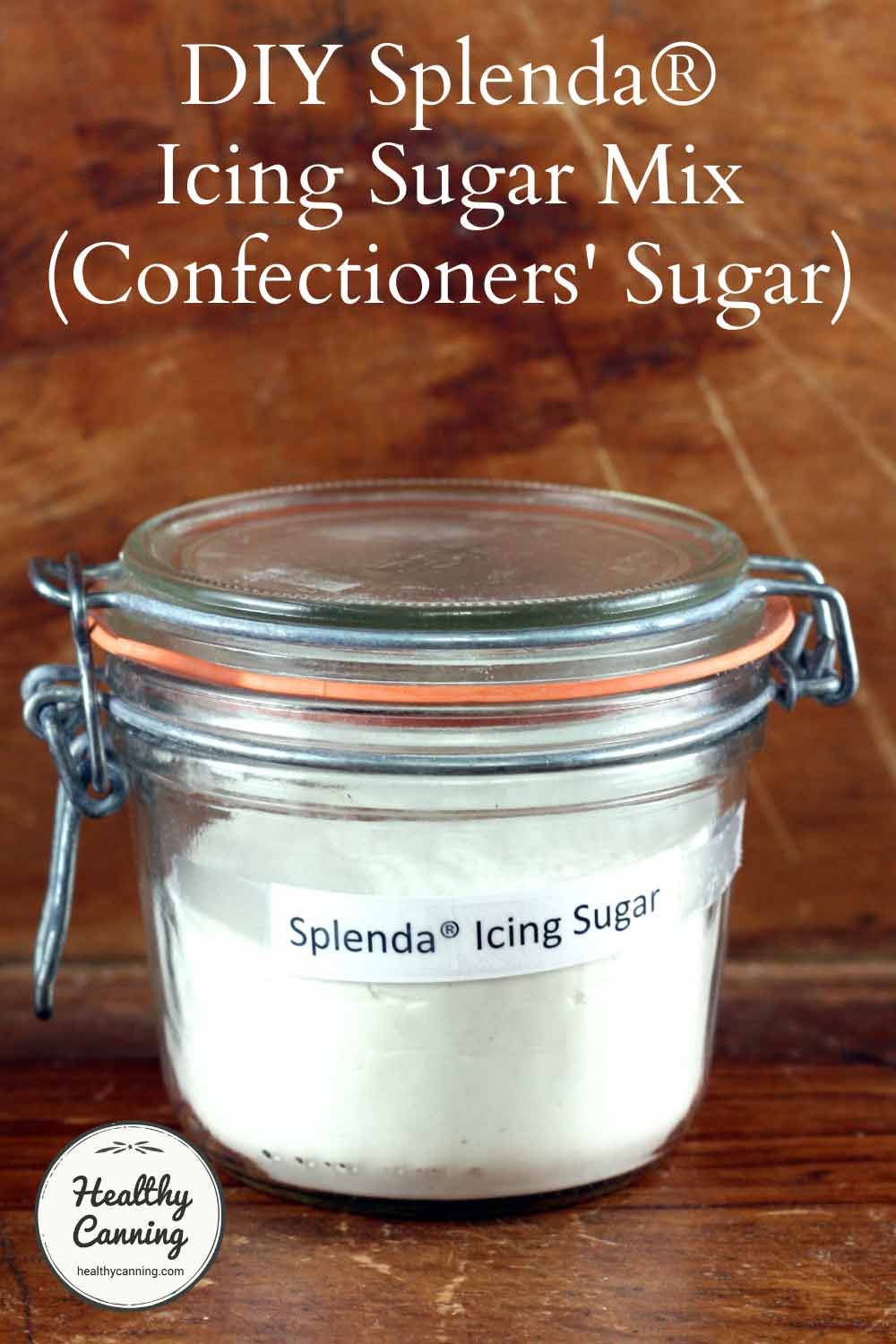
The modern culinary landscape is witnessing a profound shift toward health-conscious baking, driven largely by the rising prevalence of diabetes, obesity, and dietary restrictions. For home bakers managing blood glucose levels or monitoring caloric intake, traditional desserts often present significant dietary hurdles. Among the most challenging ingredients to substitute is confectioner’s sugar—commonly known as icing sugar or powdered sugar—which provides the quintessential smooth finish, delicate glaze, and structural sweetness for cakes, cupcakes, brownies, and pastries. To address this culinary gap, home economics and nutritional researchers have developed a straightforward, cost-effective method for creating a DIY Splenda icing sugar mix using readily available sugar substitutes.
This alternative formulation allows bakers to significantly reduce the carbohydrate load and calorie count of their favorite baked goods without sacrificing the aesthetic and textural appeal of a classic glaze. By utilizing sucralose-based sweeteners or powdered stevia alternatives, home bakers can produce a versatile pantry staple that opens up new possibilities for diabetic-friendly and low-calorie desserts.
The Nutritional Implications of Traditional Confectioner’s Sugar
Traditional confectioner’s sugar consists of granulated white sugar ground into an ultra-fine powder and mixed with a small amount of anti-caking agent, usually cornstarch. While essential for achieving a smooth, lump-free icing, standard powdered sugar delivers a rapid spike in blood glucose levels due to its high glycemic index. For the millions of individuals diagnosed with type 1 or type 2 diabetes, consuming traditional frosted desserts requires careful insulin management or complete dietary abstention.
Furthermore, standard buttercream frostings and heavy sugar glazes contribute significantly to the daily caloric intake of average consumers. A standard cup of white confectioner’s sugar contains approximately 385 calories and nearly 100 grams of carbohydrates, predominantly simple sugars. By transitioning to a sucralose-based or stevia-based powdered alternative, bakers can reduce the calorie count of an entire batch of icing to as low as 35 calories—depending on the choice of fat base—and drastically lower the glycemic impact.
Culinary Mechanics: How to Produce Powdered Sweeteners at Home

Creating a DIY icing sugar mix utilizing brand-name Splenda or generic sucralose involves transforming granular artificial sweeteners into a fine, powdery consistency that mimics the physical properties of traditional confectioner’s sugar. Granulated sucralose products are typically designed to measure cup-for-cup like regular sugar, but their crystalline structure is too coarse to create a smooth glaze directly.
To achieve the desired consistency, culinary experts recommend utilizing a high-powered blender or a clean coffee grinder. Blending granular sweetener in controlled batches—typically one to two cups at a time—ensures an even pulverization of the crystals into a light, airy powder. Attempting to process overly large quantities at once often results in uneven texture, leaving behind coarse granules that create a grainy mouthfeel in the final icing.
Step-by-Step Formulation for the DIY Splenda Icing Mix
For home bakers looking to prepare a larger quantity of dry mix for future use, the formulation can be easily scaled.
Yield and Storage
The standard master batch yields approximately 2 cups (or 150 grams) of plain DIY icing sugar mix, which provides sufficient dry material for four standard batches of icing. The dry mix can be stored indefinitely in an airtight container in a cool, dry pantry alongside other baking supplies.
Processing Guidelines
- Measure out 1 to 2 cups of granular Splenda or generic sucralose. (Alternatively, a powdered stevia product that measures one-to-one by volume may be utilized).
- Transfer the sweetener to a clean blender or food processor.
- Pulse and blend on high speed until the granules transform into an ultra-fine, dust-like powder. Allow the dust to settle inside the container for a few moments before opening to avoid inhaling the fine particles.
- Store the resulting powder in a sealed jar until ready for use.
Preparing the Icing: Techniques and Variations
While traditional confectioner’s sugar is frequently whipped with butter and shortening to create thick, fluffy buttercream frostings, low-calorie sucralose powders interact differently with fats and liquids. The DIY Splenda icing mix is specifically formulated to create a smooth, pourable glaze rather than a heavy, voluminous frosting.
Basic Icing Preparation
To prepare a single batch of glaze from the DIY mix, bakers require only a small quantity of liquid and fat. Electric beaters are generally unnecessary for this application; a simple handheld fork or small whisk is entirely sufficient to achieve a smooth, homogenous consistency.
- Combine the DIY icing sugar mix with a measured amount of liquid (such as water or skim milk) and a low-fat fat source.
- For an ultra-low-calorie profile, culinary tests show that using a light, low-fat margarine (such as light spreadable alternatives) keeps the total calorie count for an entire batch of icing down to approximately 35 calories.
- Utilizing traditional dairy butter increases the caloric value to roughly 102 calories per batch due to the higher fat content, though it imparts a richer flavor profile.
- Adjust the consistency by adding up to an additional teaspoon of water or milk, depending on whether a thin drizzle or a thicker coating is desired.
Flavor Enhancements and Customization
The neutral flavor profile of sucralose allows bakers to experiment with a wide array of extracts and natural colorings.
- Chocolate Glaze: Incorporate one teaspoon of unsweetened cocoa powder directly into the liquid, fat, and powder mixture.
- Alternative Extracts: Enhance the glaze by substituting standard vanilla extract with lemon, almond, or butterscotch extract.
- Visual Appeal: Food-grade coloring can be added drop-by-drop to match seasonal themes or specific dessert designs.
Market Context and Accessibility for Dietary Restrictions
The development and sharing of accessible DIY kitchen hacks reflect a broader consumer demand for transparency, affordability, and customization in dietary management. Commercial diabetic-friendly baking products are frequently sold at a premium price point in specialized health food aisles, placing financial burdens on consumers who require strict dietary modifications.
By utilizing standard, widely available commercial sweeteners to manufacture custom baking staples at home, consumers can bypass expensive specialty products. Public health advocates and diabetic support networks frequently emphasize the psychological importance of dietary inclusion. Being able to participate in family celebrations, holidays, and social gatherings by consuming modified versions of traditional comfort foods—such as iced brownies, cupcakes, and holiday cookies—greatly improves the quality of life for individuals managing chronic metabolic conditions.
Expert Recommendations and Community Resources

Culinary professionals and Master Food Preserver networks note that while sugar substitutes offer remarkable benefits for carbohydrate reduction, their chemical behavior under high heat or long-term storage can differ from sucrose. Consequently, utilizing these substitutes primarily in post-baking applications—such as glazes, drizzles, and surface icings—yields the most reliable textural results.
For home cooks seeking immediate guidance on baking substitutions, food preservation, or dietary adjustments, agricultural extension offices and community food safety hotlines operate seasonal assistance programs. These resources provide verified, science-based advice to ensure safe and successful home-kitchen experimentation.
Broader Implications for the Baking Industry
The rising popularity of homemade sugar-alternative mixes signals a permanent evolution in domestic baking culture. As consumers become increasingly literate regarding macronutrients, glycemic loads, and ingredient sourcing, the boundary between specialized medical diets and everyday home cooking continues to blur. The ability to effortlessly convert standard pantry sweeteners into fine confectioner’s powder empowers home bakers to take direct control of their nutritional intake without sacrificing culinary creativity.