
Evolution of the Traditional Cobb Salad
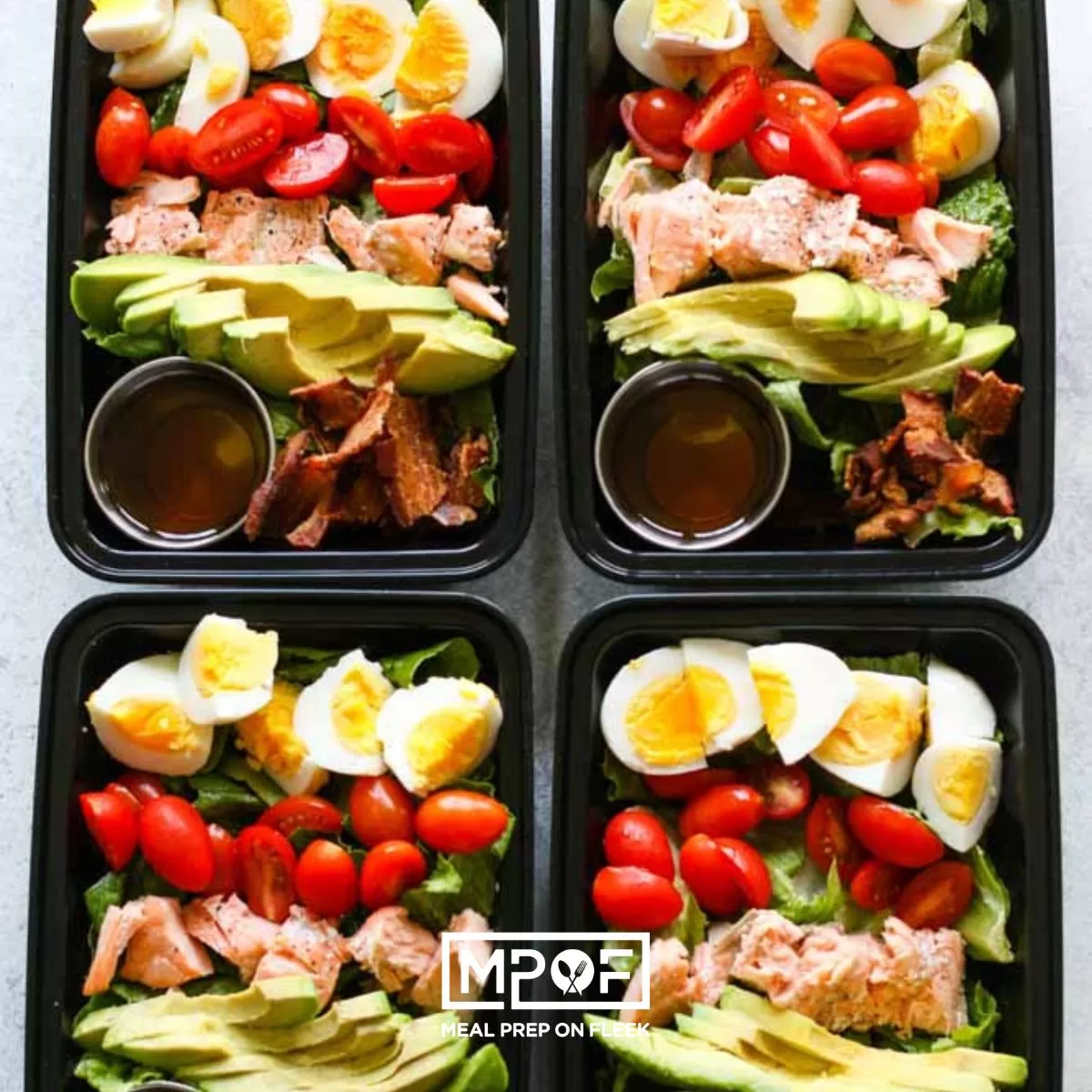
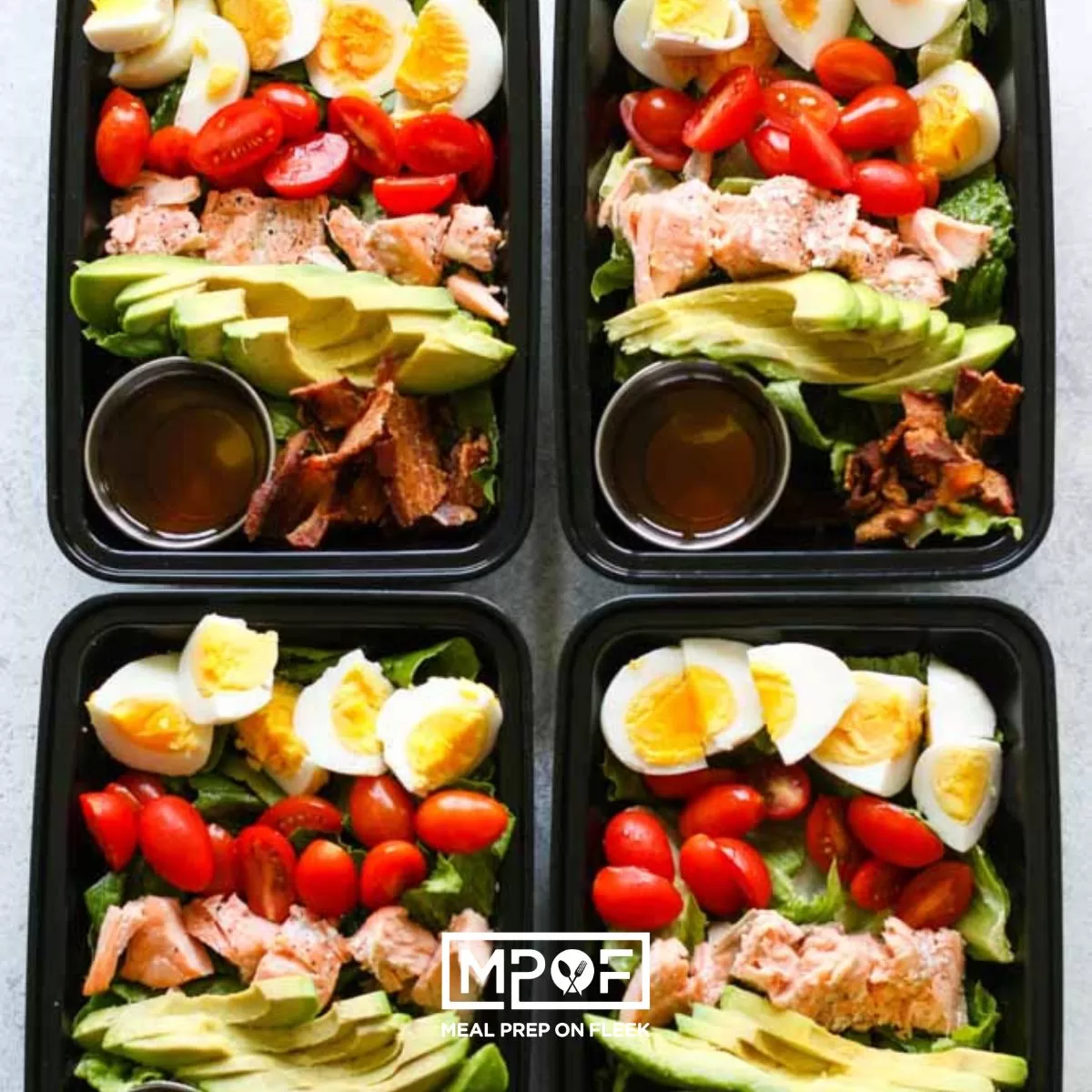
The Cobb salad, traditionally attributed to Robert H. Cobb, the owner of the Hollywood Brown Derby restaurant in the 1930s, has long served as a staple of American dining. Historically composed of a bed of crisp greens topped with rows of hard-boiled eggs, bacon, avocado, tomatoes, and chicken, the dish was designed to offer a variety of textures and flavors. In the current era of meal planning, the dish has undergone a significant nutritional evolution. By replacing chicken with salmon, the profile of the meal shifts from a standard protein source to one rich in omega-3 fatty acids, vitamin D, selenium, and essential B vitamins. This modification addresses the growing consumer demand for heart-healthy, anti-inflammatory fats, marking a departure from traditional, high-sodium deli-style salads.
Nutritional Implications and Data Analysis
From a physiological perspective, the transition to a salmon-based Cobb salad serves as a potent vehicle for sustained energy throughout the workday. Each serving of this meal prep configuration offers approximately 427 calories, comprised of 24.8 grams of protein, 29.6 grams of fat, and 12.1 grams of carbohydrates, with a significant 5.2 grams of dietary fiber.
This macronutrient distribution is highly effective for blood sugar stabilization. High-protein, moderate-fat meals are statistically linked to increased satiety, reducing the likelihood of mid-afternoon energy crashes and caloric overconsumption. The inclusion of omega-3s, derived from the salmon, is further supported by clinical research indicating benefits for cardiovascular health and cognitive function. For those adhering to strict metabolic or fitness goals, such as those monitored via a macro-calculator, this recipe provides a customizable template that allows for precise intake adjustments based on individual body composition and activity levels.
Chronological Execution of Meal Preparation
Efficiency in the kitchen is achieved through component-based preparation rather than simultaneous assembly. The optimal workflow for this recipe follows a structured, multi-stage timeline:
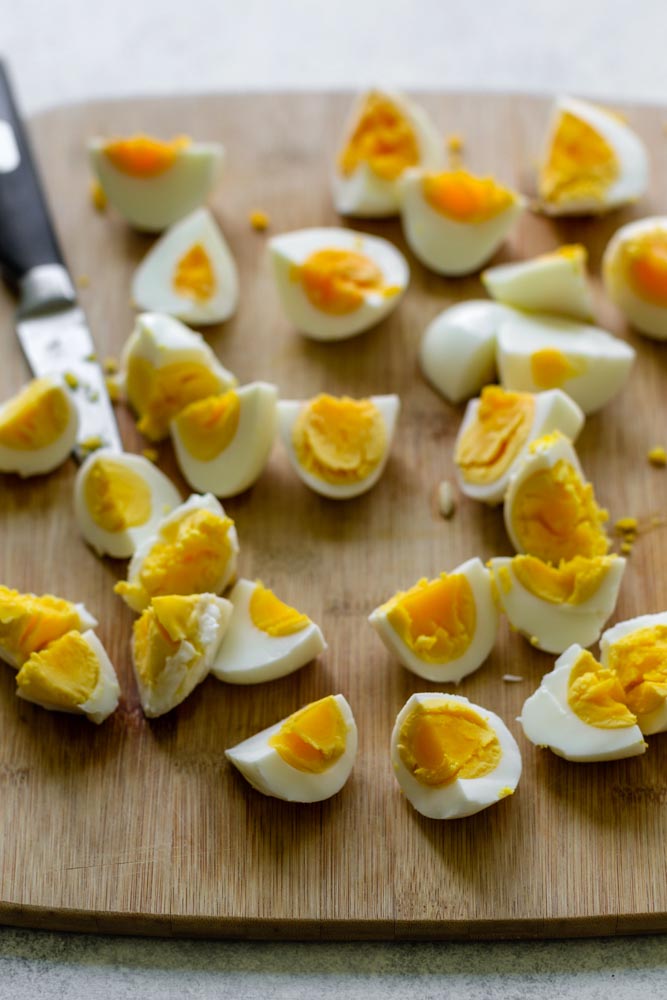
- Thermal Processing of Proteins (Day 1/Preparation Phase): The process begins with the hard-boiling of eggs. Whether utilizing a traditional stove-top method or a modern immersion circulator, eggs should be cooled rapidly in an ice bath to arrest the cooking process and ensure a clean peel.
- Salmon Thermal Preparation: Salmon fillets should be seasoned with sea salt and cracked black pepper before undergoing a controlled bake at 350°F. Monitoring the internal temperature to ensure the fish flakes easily is critical; overcooking results in a dry texture that degrades over the course of a four-day refrigeration cycle.
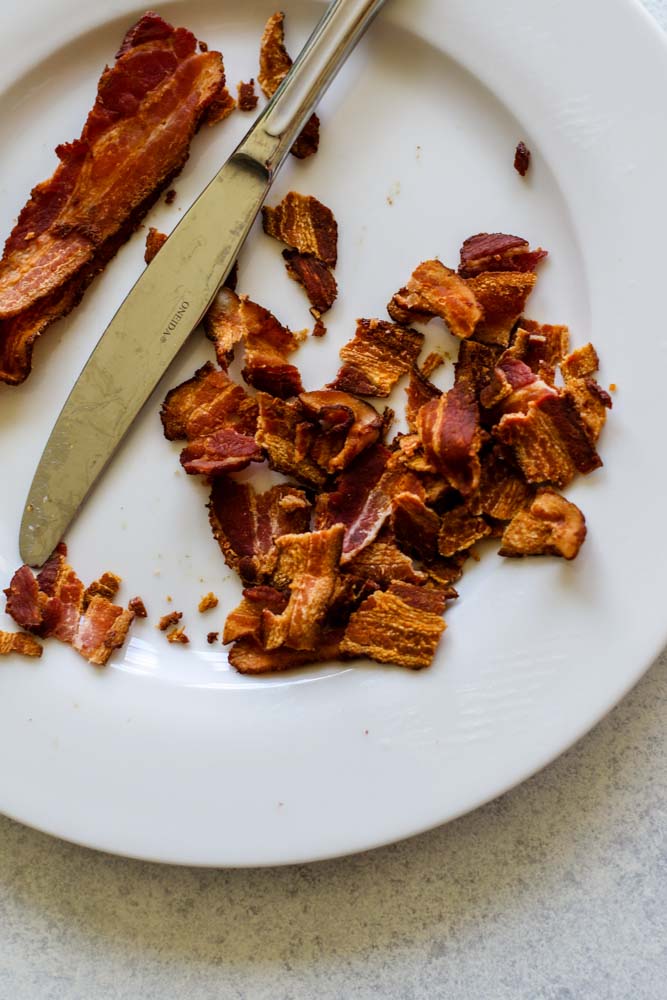
- Bacon Crisping: The bacon must be cooked to a higher degree of crispness than might be served fresh. This intentional structural integrity allows the bacon to retain its texture when stored alongside moisture-rich components like greens.
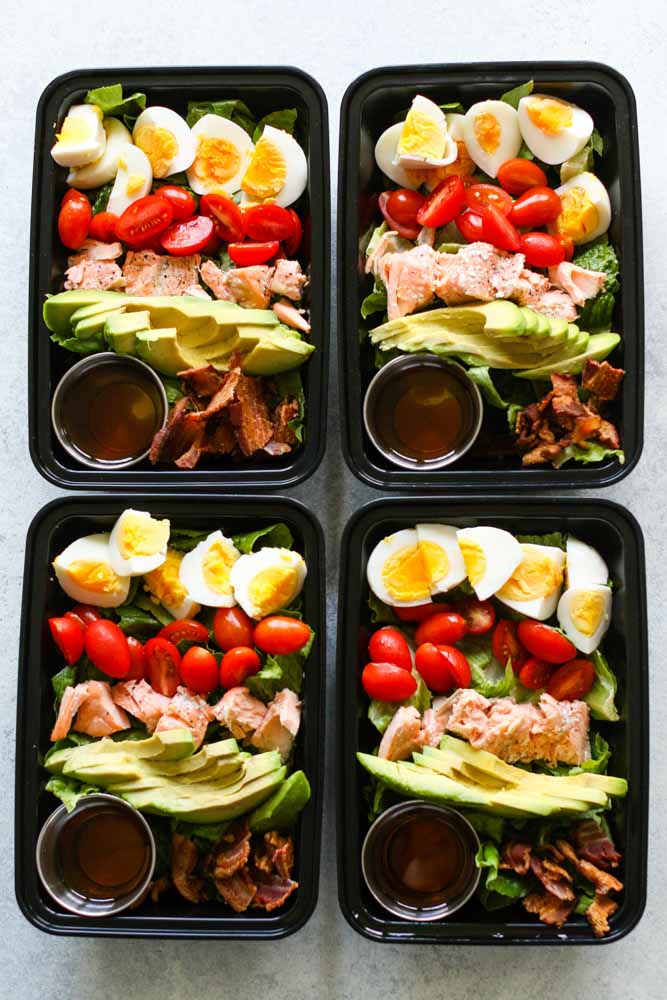
- Vegetable Hygiene: The longevity of the salad is contingent upon the thorough removal of moisture from the romaine lettuce. Culinary experts note that residual water is the primary cause of early spoilage in pre-assembled salads. Once dried, the romaine is partitioned into airtight containers, followed by the strategic placement of halved grape tomatoes and sliced avocado.
Strategic Storage and Shelf-Life Management
The viability of a four-day meal prep schedule is dependent on the management of acidity and moisture. The separation of the dressing from the base ingredients is the most significant factor in maintaining the integrity of the produce. By preparing a red wine vinaigrette—typically composed of high-quality olive oil, red wine vinegar, dijon mustard, and seasonings—and storing it in individual, airtight containers, the integrity of the lettuce remains intact until the moment of consumption.
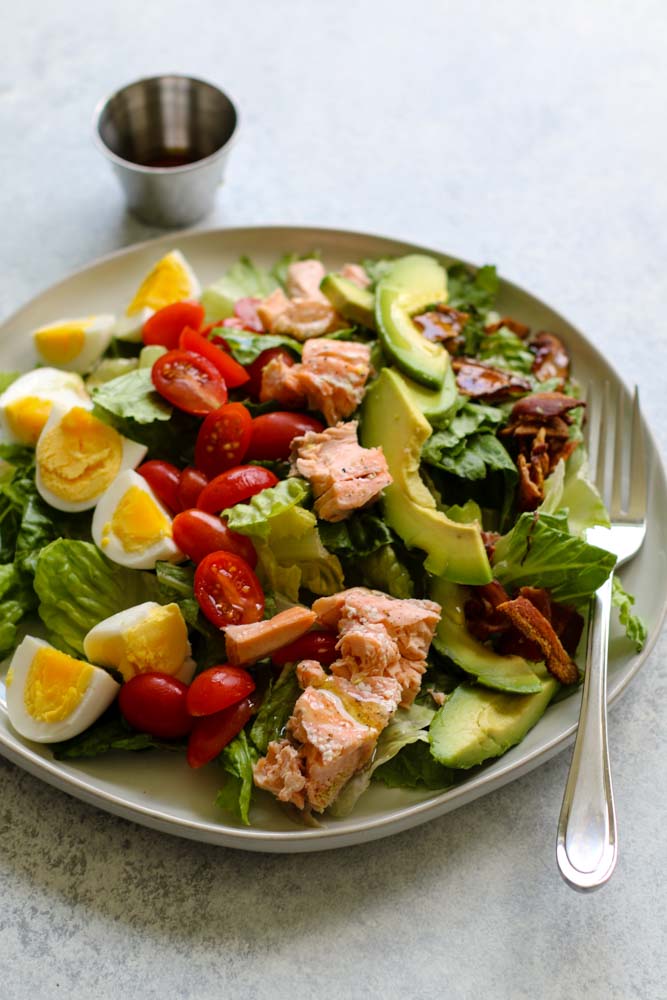
Regarding the inclusion of avocado, there exists a trade-off between aesthetic presentation and convenience. While fresh slicing immediately prior to consumption prevents oxidation (browning), many meal planners accept minor enzymatic browning as a trade-off for the time-saving benefits of pre-portioning.
Industry Trends in High-Protein Meal Planning
The rise of the "Salmon Cobb" reflects a broader trend within the food industry: the premiumization of grab-and-go meals. Consumers are increasingly rejecting processed, shelf-stable options in favor of Whole30 and Paleo-compliant alternatives that mirror home-cooked quality. This shift is corroborated by the proliferation of meal prep documentation, recipe indexing platforms, and macro-tracking digital tools that empower individuals to treat their weekly lunch planning as a structured, data-driven exercise.
Retailers and dietitians have noted that the "component prep" philosophy—where individual ingredients are cooked in bulk but combined just before consumption—is currently the most effective methodology for reducing food waste. By treating a meal not as a static, pre-packaged unit but as a collection of fresh, prepared parts, the consumer ensures that the quality of the meal on a Thursday remains competitive with the quality of the meal consumed on the Monday following initial preparation.
Broader Implications for Public Health
The widespread adoption of high-protein, nutrient-dense lunch alternatives has significant implications for public health. Chronic fatigue and poor metabolic health are frequently associated with high-glycemic, low-satiety work lunches. By providing a framework for incorporating fatty fish, healthy fats, and high-fiber vegetables into a standardized lunch format, the Salmon Cobb Salad serves as a tool for public health improvement at the individual level.
The flexibility of the ingredients also allows for socio-economic scalability. While wild-caught salmon is the gold standard for omega-3 content, the recipe remains robust even when utilizing various grades of sustainably sourced fish or other high-protein substitutes. As the culinary industry continues to pivot toward transparency in ingredient sourcing, the emphasis on quality bacon (free of hidden sugars) and fresh produce remains a core tenet of this meal prep model.
Concluding Analysis
The Salmon Cobb Salad represents more than just a culinary preference; it is a manifestation of the "future-self" philosophy of meal preparation. By dedicating time on a single day to sanitize, cook, and portion ingredients, the practitioner eliminates the cognitive burden of daily meal decision-making. This reduction in "decision fatigue" is a recognized benefit of structured meal prep, allowing individuals to maintain consistent nutritional standards despite the pressures of a modern, fast-paced professional environment. Through the strategic application of thermal preparation, moisture control, and ingredient selection, this recipe remains a cornerstone for those seeking a sustainable, long-term approach to high-protein, low-carb nutrition. As dietary preferences continue to evolve, the principles of this preparation method—namely simplicity, quality, and modularity—are likely to remain the gold standard for home-based meal management.