
The Rise of Bento-Style Meal Management
The concept of the bento box—a single-portion, home-packed meal originating in Japan—has gained significant traction in Western culinary circles over the past decade. By compartmentalizing different food groups into a single, portable vessel, individuals can achieve a balanced nutrient profile without the complexities of multi-recipe preparation. According to recent surveys on home economics, the primary driver for this shift is the "decision fatigue" experienced by working professionals and parents. By utilizing a standardized assembly system, individuals can bypass the daily stress of meal selection, effectively automating a critical aspect of their physical health.
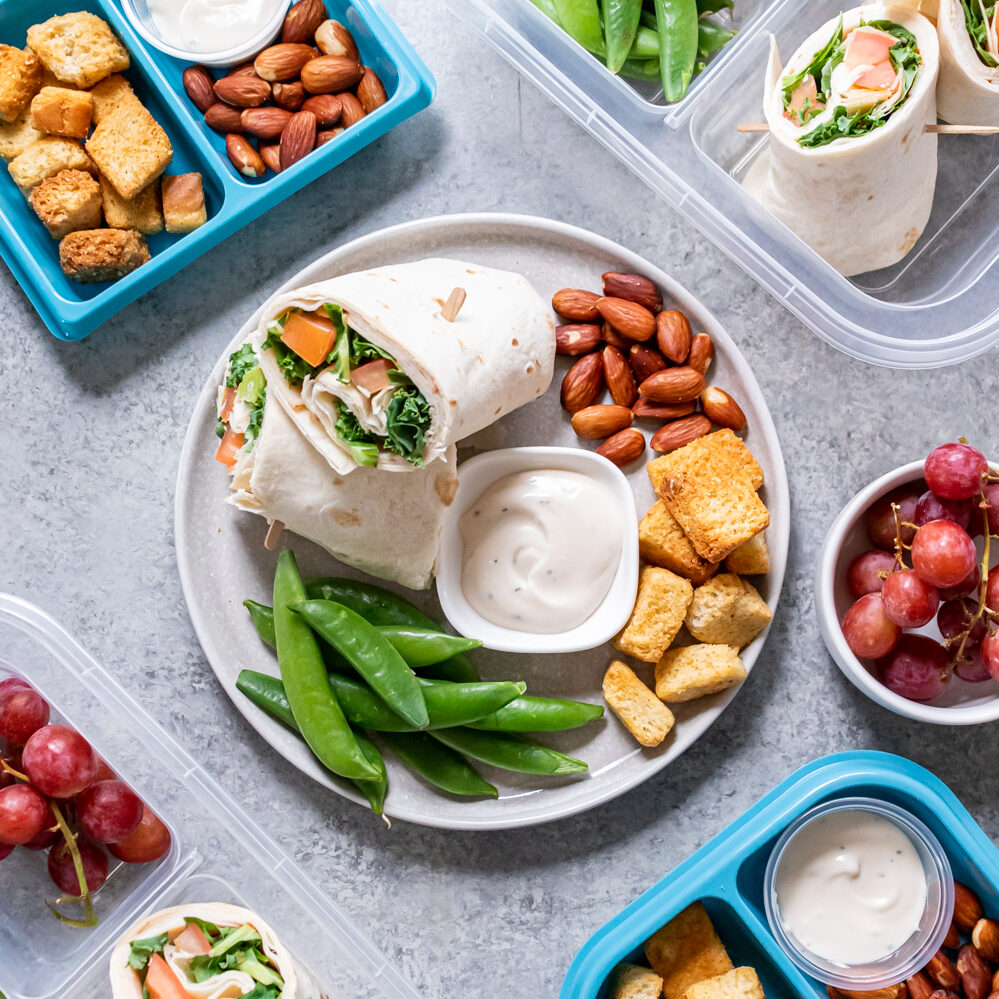
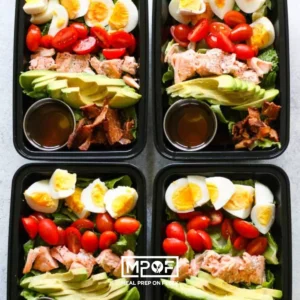
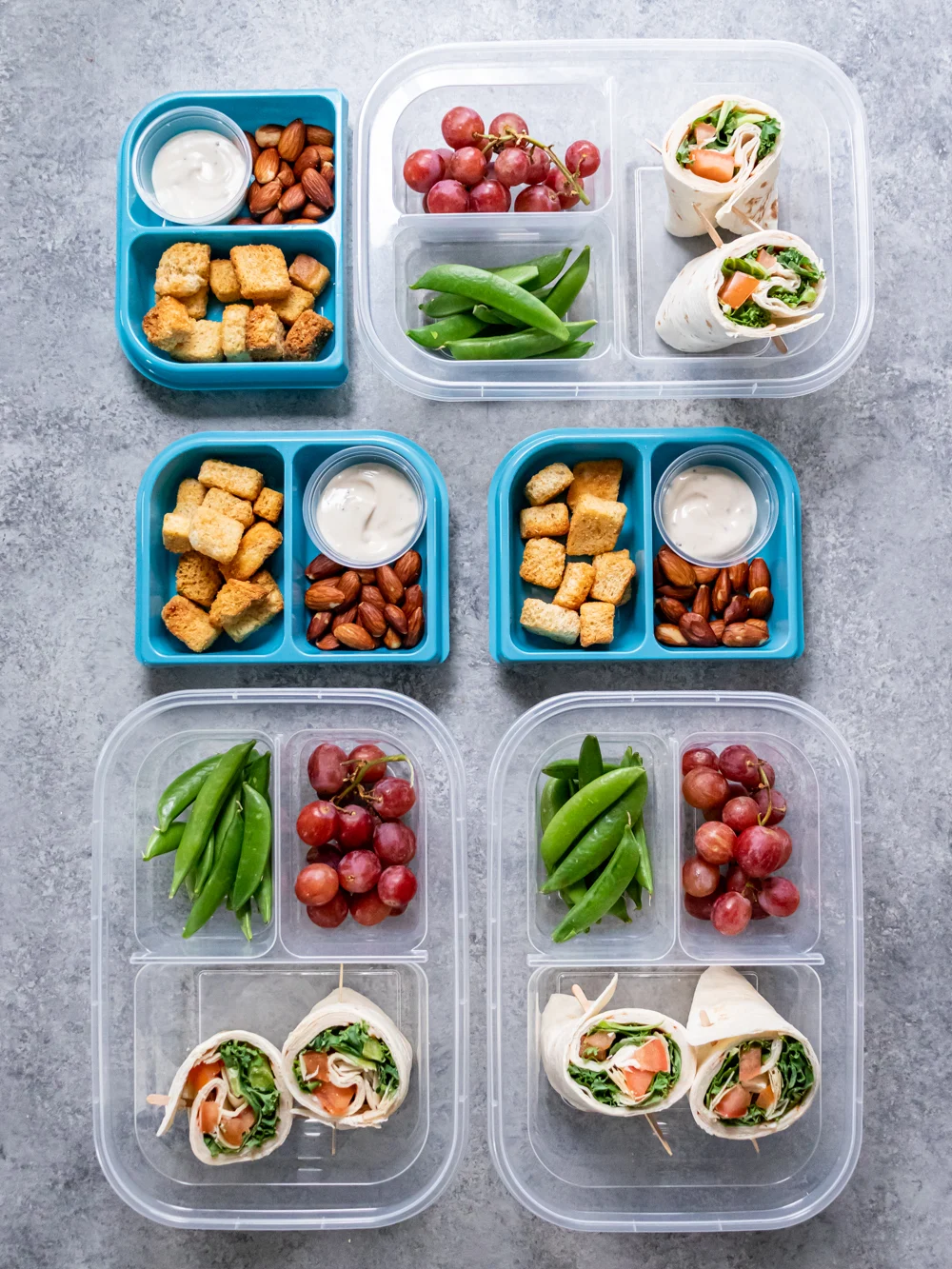
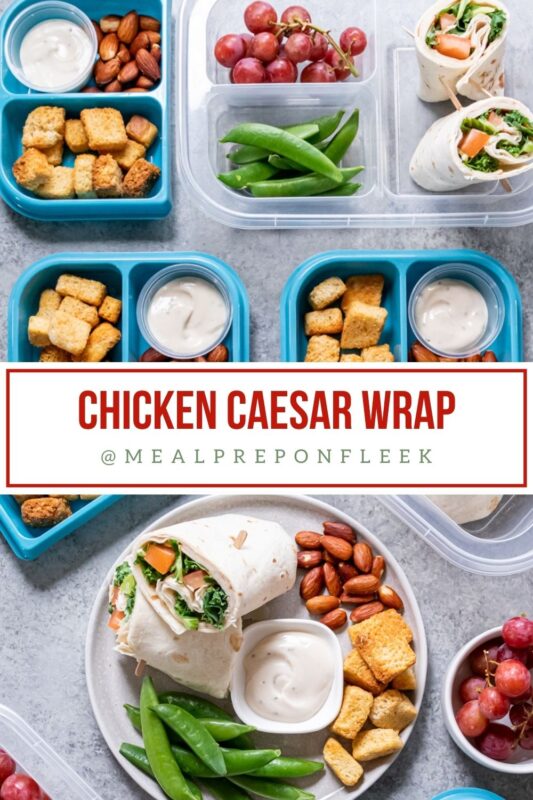
The Chicken Caesar Wrap Bento Box serves as a prime case study in this trend. Requiring no active cooking—relying instead on the assembly of high-quality, pre-prepared components—it appeals to a demographic that values efficiency. The preparation process generally takes approximately 15 minutes, a stark contrast to traditional lunch preparation methods that may involve reheating or complex assembly.
Nutritional Composition and Dietary Balance
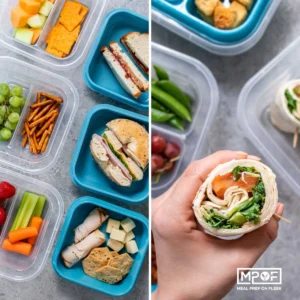
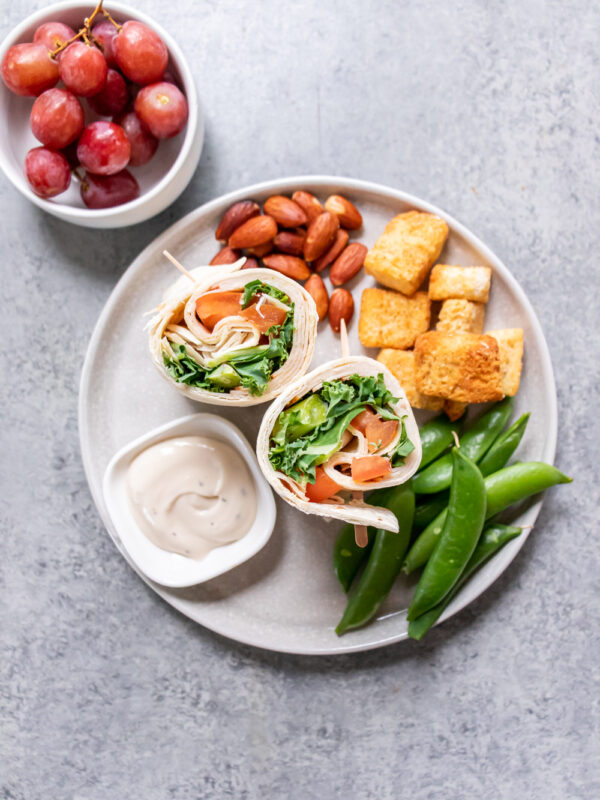
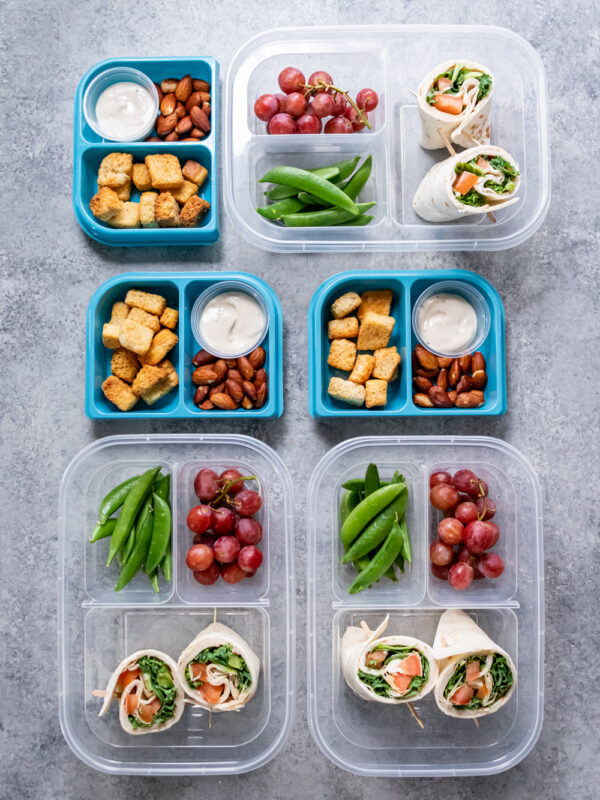
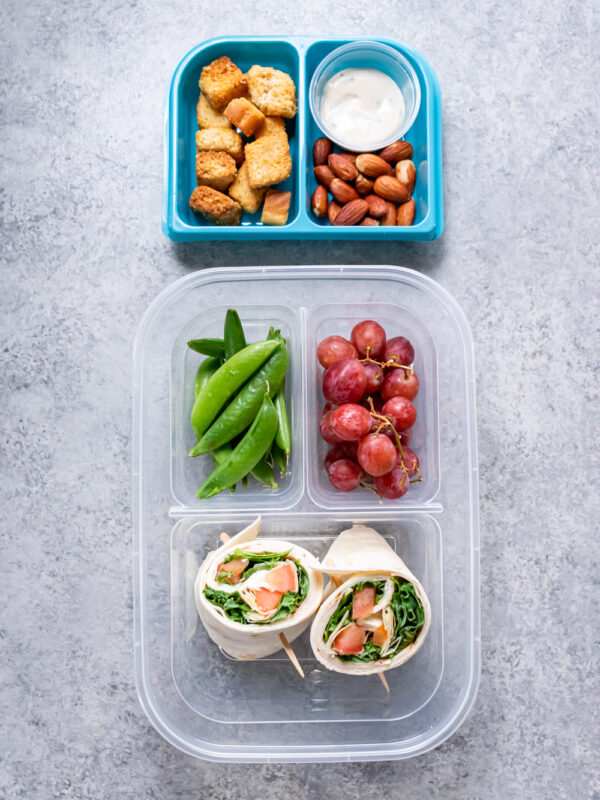
From a nutritional standpoint, the Chicken Caesar Wrap Bento Box is structured to provide a satiating balance of macronutrients. A standard assembly typically includes a lean protein source, a complex carbohydrate (the tortilla), fiber-rich greens, and supplemental sides such as grapes, snap peas, or almonds.
Nutritional analysis of a standard serving indicates a profile of approximately 520 calories, 24 grams of protein, 62 grams of carbohydrates, and 22 grams of fat. This caloric density is calibrated to sustain energy levels through the mid-day period without the "post-lunch slump" often associated with heavier, processed fast-food alternatives. The inclusion of raw vegetables and nuts provides essential micronutrients and dietary fiber, which are often lacking in conventional convenience-store lunch options.
Operational Logistics: A 15-Minute Workflow
The efficiency of this meal prep strategy is rooted in a structured workflow. The chronology of assembly is as follows:
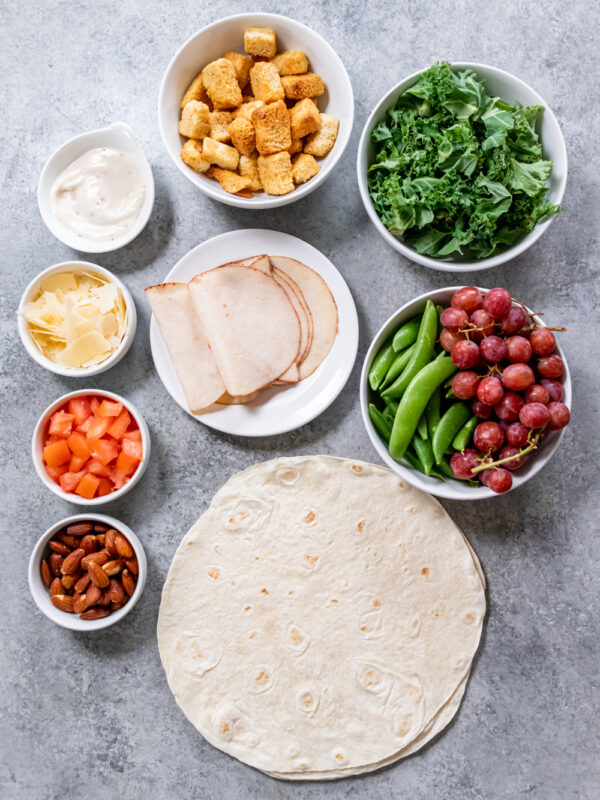
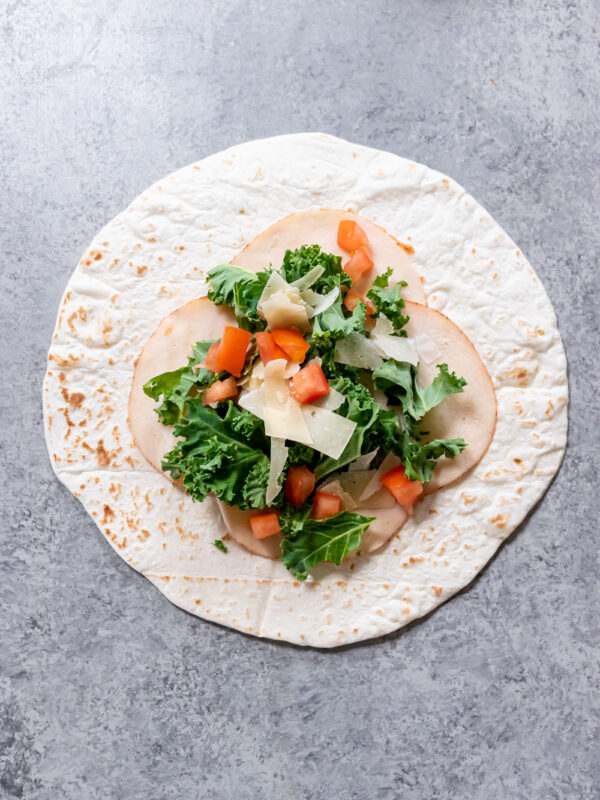
- Procurement and Preparation (0-5 minutes): Gathering high-quality ingredients, including rotisserie-seasoned chicken, whole-grain or flour tortillas, fresh romaine lettuce or kale, Caesar dressing, and side items like snap peas and grapes.
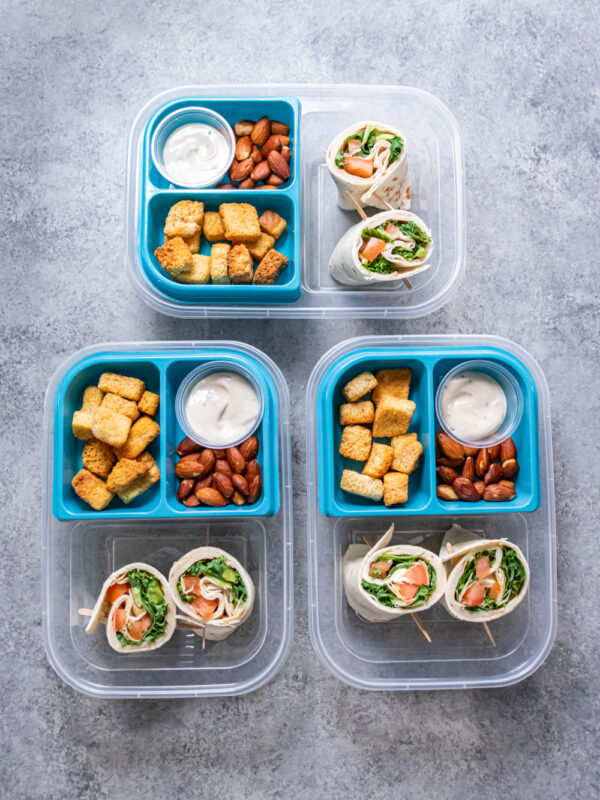
- Component Portioning (5-10 minutes): Utilizing a segmented container to allocate precise portions of each ingredient. The use of a separate, airtight container for the dressing is a critical operational detail, as it prevents the premature wilting of greens and the degradation of the tortilla’s structural integrity.
- Sealing and Storing (10-15 minutes): Final inspection of seals to ensure airtight storage, which preserves the freshness of the ingredients for up to 72 hours.
This systematic approach minimizes the "cleanup footprint." Because the process involves assembly rather than active cooking, the kitchen remains largely undisturbed, significantly reducing the labor involved in post-meal maintenance.
Economic and Environmental Implications
Beyond personal health and convenience, the bento box model offers tangible economic and environmental benefits. By utilizing a set of standardized containers, consumers reduce their reliance on single-use plastic packaging, which is the standard for most commercial "grab-and-go" meals.
Furthermore, the practice encourages the mitigation of food waste. When individuals purchase larger quantities of ingredients—such as a bulk pack of greens or a full rotisserie chicken—to be used across multiple bento boxes, they are less likely to discard unused portions compared to spontaneous, single-meal shopping habits. This practice aligns with broader sustainability goals and helps households manage grocery expenditures more effectively.
Adaptability and Customization Trends
A significant factor in the longevity of the bento box trend is its inherent flexibility. Culinary experts note that the "Chicken Caesar" base is merely a framework. The protein can be seamlessly substituted with grilled tofu for vegetarians, smoked salmon for an omega-3 boost, or chickpeas for a plant-based fiber alternative.
This modularity allows for the customization of the meal based on seasonal availability. During winter months, for instance, one might swap grapes for dried cranberries or roasted squash, while summer months might favor fresh berries and cucumber. This fluidity prevents "meal fatigue," a common reason for the abandonment of dietary health plans.
Professional Perspectives on Workplace Nutrition
Public health advocates and workplace wellness consultants have begun to champion the bento-style lunch as a tool for improving employee focus. A study on workplace performance suggests that mid-day meals containing a mix of high-quality protein and fiber lead to more stable blood glucose levels, which correlates with sustained cognitive function in the afternoon.
"The ability to control the quality of ingredients in a packed lunch is the single most effective way to improve mid-day energy," says one nutritionist specializing in corporate wellness. "When employees are forced to rely on external vendors, they are at the mercy of whatever is available, which is often high in sodium and refined sugars. The bento box puts the power back into the hands of the individual."
Challenges and Best Practices for Storage
While the bento box is highly efficient, there are specific technical challenges regarding food safety and quality control. The most common pitfall is the degradation of the wrap. To ensure the bread remains crisp, it is recommended to wrap the chicken and greens in a dry barrier—such as a folded paper towel or a thin layer of cheese—before placing it in the container.
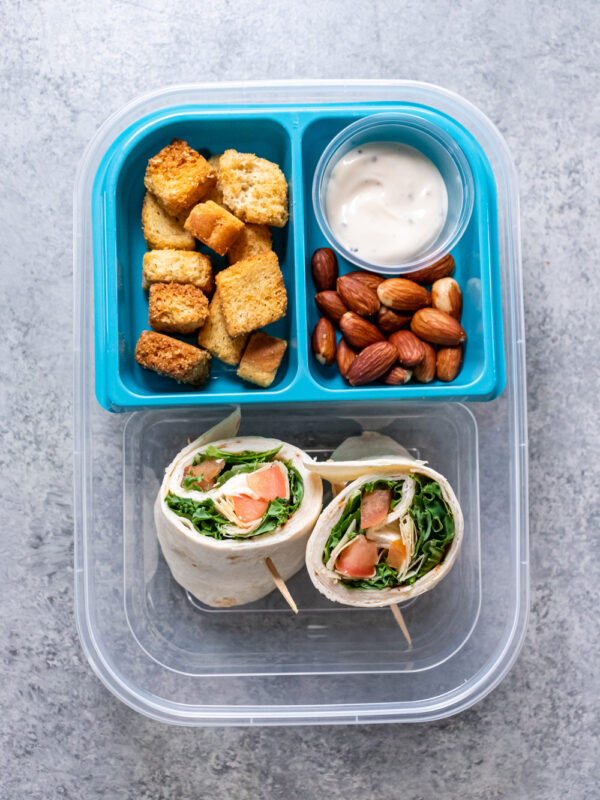
Additionally, the selection of the container itself is vital. Professionals recommend BPA-free, leak-proof containers with distinct compartments. For parents packing school lunches, the use of insulated bags paired with reusable ice packs is essential to maintain a food-safe temperature (below 40°F/4°C) throughout the morning, ensuring the chicken remains safe for consumption by the lunch hour.
Future Projections for Meal Prep Culture
The trajectory of the "no-cook" meal prep sector suggests that interest in these methods will continue to grow. As technology continues to integrate into the kitchen, we may see an increase in "smart" containers that monitor freshness or provide real-time nutritional tracking through integrated apps.
However, the core appeal remains the simplicity of the concept. In an era of increasing digital and professional noise, the manual, intentional act of packing a lunch serves as a grounding ritual. By reducing the number of micro-decisions made during a workday, individuals can reclaim time and mental energy for more demanding tasks.
The Chicken Caesar Wrap Bento Box, therefore, is not merely a recipe; it is a manifestation of a broader shift toward intentional, efficient, and health-conscious living. Whether implemented for a school-aged child or a high-level executive, the principles remain the same: simplify, segment, and sustain. By adopting these methods, individuals can transition away from the erratic nature of modern diet culture and toward a predictable, nutrient-dense routine that supports both long-term health goals and the immediate demands of a high-paced lifestyle.
As food prices fluctuate and environmental awareness grows, the move toward efficient, home-prepared meals is likely to become an permanent fixture in the modern household’s repertoire, cementing the bento box’s status as a quintessential tool of the 21st-century culinary landscape.