
Maple syrup is a treasured pantry staple for households across North America, often purchased in substantial quantities during harvest season or in bulk from local producers. However, without proper home storage techniques, these large quantities frequently succumb to spoilage, most commonly through colonization by mold. Understanding the chemistry of maple syrup and applying the correct preservation methods are essential for preventing waste and maintaining the rich flavor and quality of this natural sweetener. While commercial packers follow specialized industrial protocols, home consumers must rely on targeted strategies—primarily shelf storage, refrigeration, and freezing—tailored to domestic environments.
Shelf Storage Guidelines for Unopened Containers
Unopened commercial containers of maple syrup—whether crafted from metal, glass, or squeeze-type plastic—boast an impressively long shelf life at normal room temperatures when kept in a cool, dark cupboard. The original factory seal acts as a barrier against airborne contaminants, preserving the product’s integrity for months or even years.
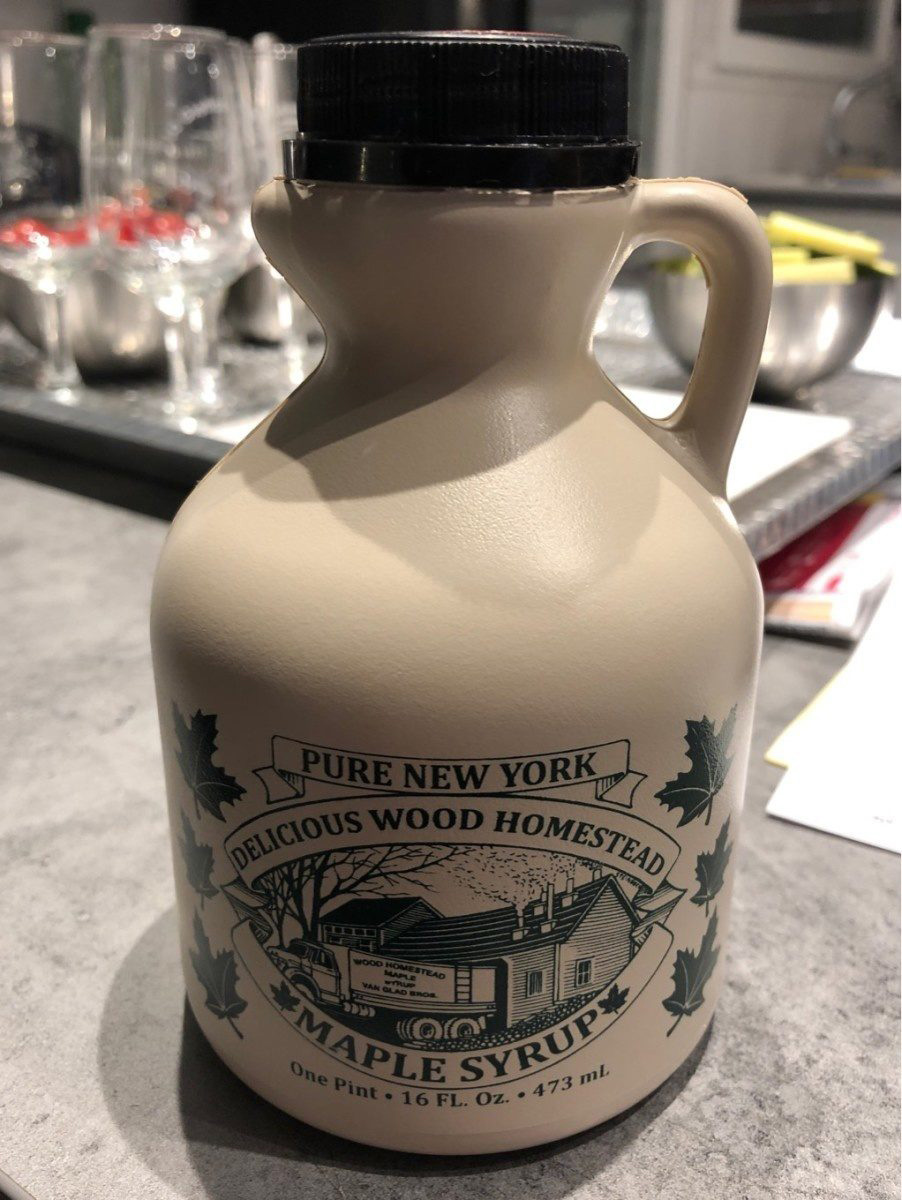
An important exception to standard room-temperature storage applies to unopened beige or grey plastic jugs often utilized by specific regional distributors. According to the Quebec Maple Syrup Producers (QMSP) Association, certain decorative or specialized plastic receptacles do not provide foolproof barriers against oxygen over extended periods. Consequently, industry experts recommend storing these specific beige plastic jugs directly inside the refrigerator, even while sealed, to prolong the life of the maple syrup within.
The Scientific Basis of Shelf Stability

To legally qualify as pure maple syrup in North America, harvested maple sap must undergo a rigorous boiling process to reduce its moisture content and concentrate its natural sugars. The North American Maple Syrup Council dictates that finished maple syrup must maintain a density between 66° and 68° Brix, where one Brix unit roughly equals a one percent sugar concentration.
Maintaining this precise Brix range is critical for product stability. Finished syrup falling below 66° Brix contains too much water, making it highly susceptible to mold growth and fermentation. Conversely, syrup exceeding 68° Brix will precipitate sugar crystals, forming a hard layer at the bottom of the storage container. Research highlights that typical moisture content in pure maple syrup hovers around 26 to 39 percent, with pH levels averaging near 5.15, as noted by the U.S. Food and Drug Administration (FDA).
Because maple syrup’s pH exceeds 4.6, anaerobic environments theoretically present a theoretical environment for Clostridium botulinum spore germination. However, it is the exceptionally high sugar content—which drastically lowers water activity—that ultimately prevents microbial proliferation and keeps shelf-stored syrup chemically safe. Modern producers utilize precision tools such as hydrometers to measure sugar density accurately, ensuring commercial batches meet these strict safety thresholds.
Refrigeration and Contamination Risks
Once the factory seal on a container of maple syrup is broken, the rules of storage change dramatically. The moment air enters the container, the syrup is exposed to microscopic mold spores drifting through the environment. Consequently, opened maple syrup must immediately be moved to the refrigerator.
Refrigeration does not kill mold spores; rather, the combination of cold temperatures and low water activity works synergistically to slow down and inhibit mold growth. Households that consume maple syrup slowly over extended periods face a distinct risk of surface mold developing in opened containers. To mitigate this, consumers are advised to decant a smaller working quantity into the refrigerator while keeping the remaining bulk supply sealed using alternative long-term preservation methods.
Freezing as the Gold Standard for Long-Term Preservation
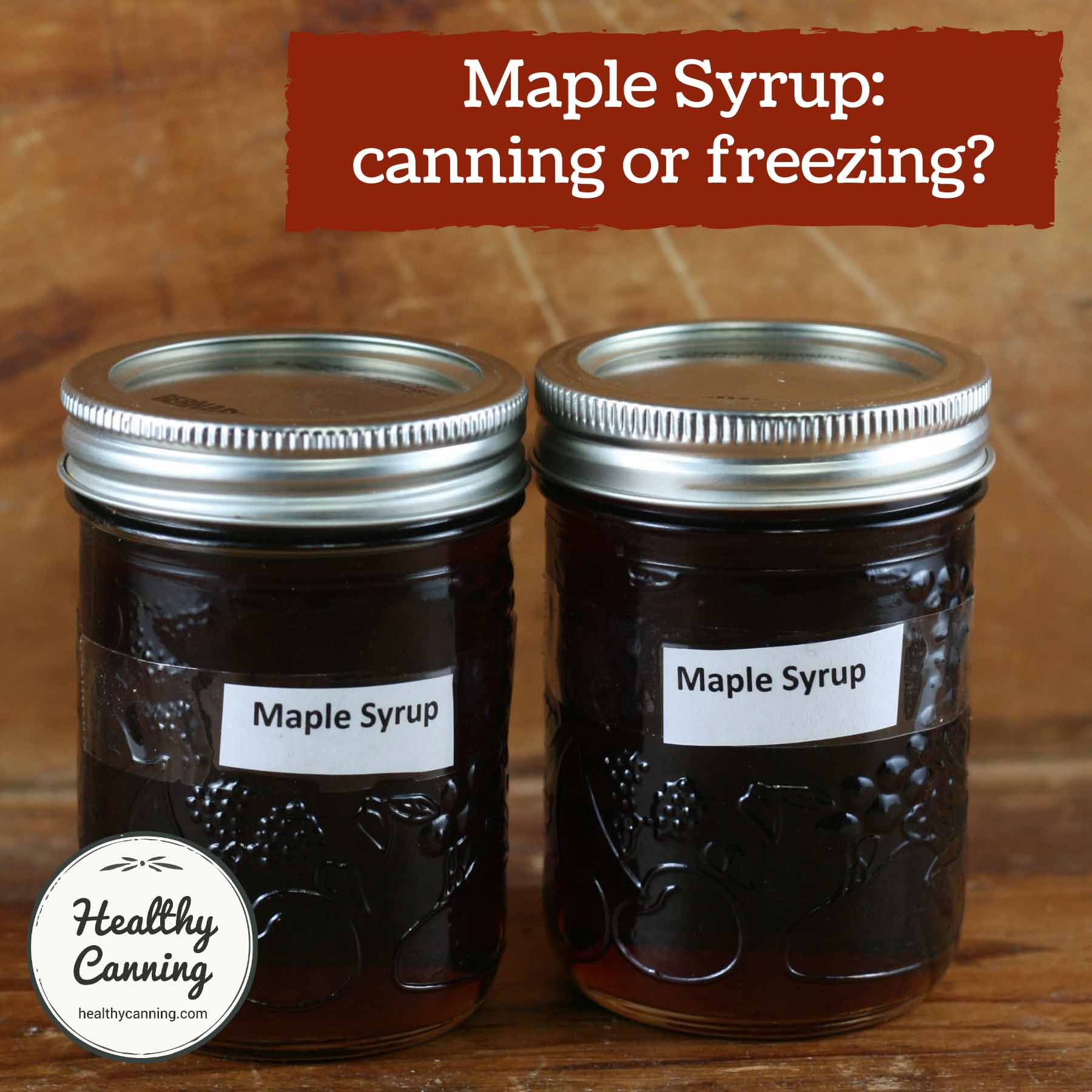
For households managing large volumes of maple syrup, freezing represents the premier long-term preservation technique. Freezing completely halts all mold growth, preserves optimal flavor and quality, and offers complete usage flexibility without requiring chemical additives or complex equipment.
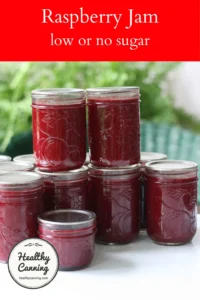
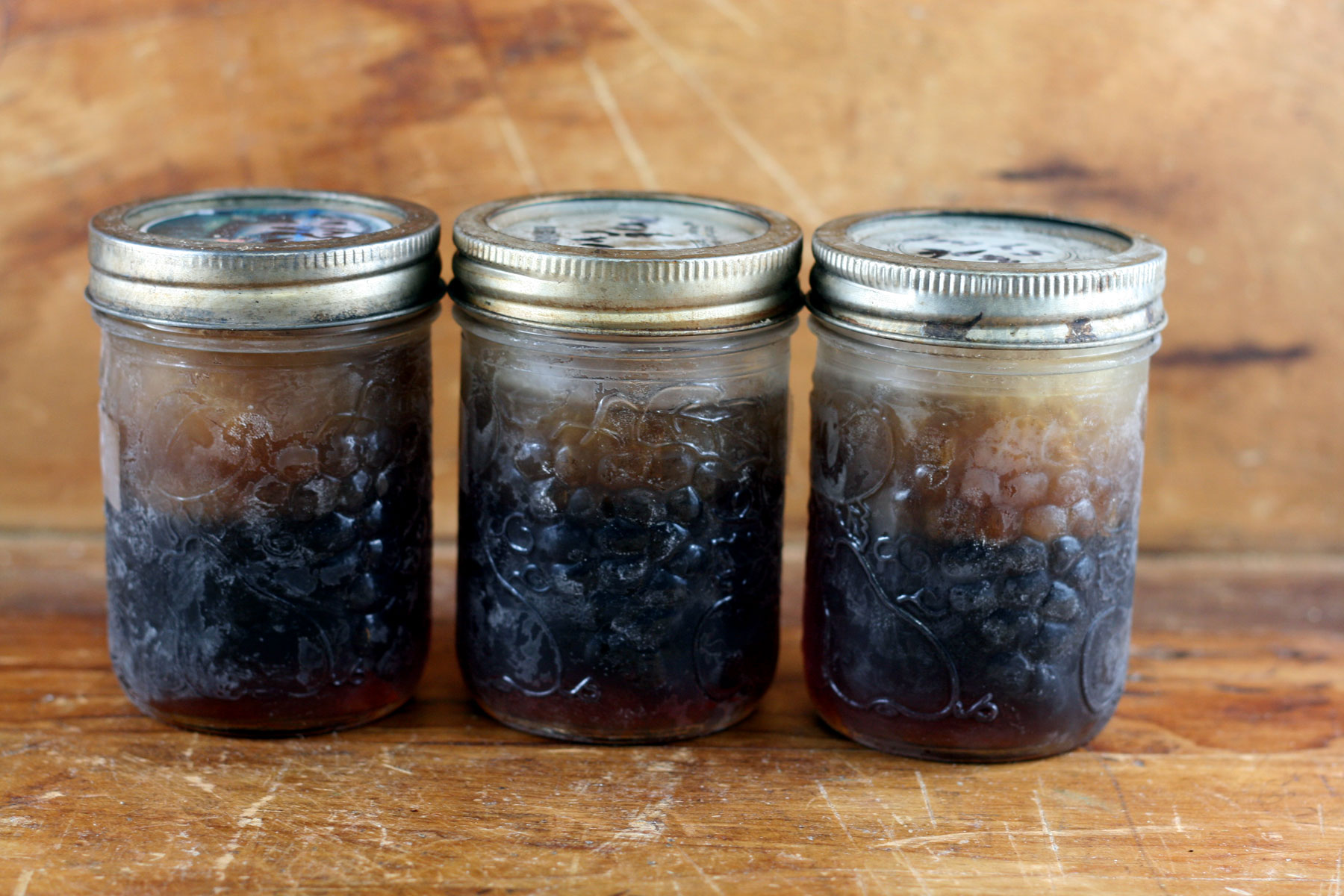
Due to its high concentration of sugar, maple syrup never freezes into a solid, ice-like block. Instead, it transforms into a thick, viscous consistency similar to honey while at sub-zero temperatures, quickly returning to its standard liquid state upon thawing. Agricultural extension services, including those at Purdue University and Ohio State University, explicitly recommend repackaging bulk syrup into clean glass freezer jars—such as standard Mason jars—leaving a precise headspace of one inch to accommodate thermal expansion.
Freezing, thawing, and refreezing cycles are entirely safe for maple syrup, provided the product is handled correctly. According to the Vermont Maple Sugar Makers’ Association, syrup can undergo multiple freeze-thaw cycles as long as it is allowed to thaw completely and any surface condensation is stirred back into the liquid. Glass is widely preferred over plastic for freezing, as flexible plastics can allow ambient air penetration, while metal containers risk rusting or imparting a metallic taste. Furthermore, home preservers do not need to sterilize jars or lids prior to freezing, and standard two-piece canning lids can be safely reused.
Defrosting frozen syrup can be executed rapidly by placing the jar in a basin of cool or lukewarm water, or by transferring a portion into a microwave-safe container and heating in short 10-to-15-second intervals. Microwaving frozen jars directly or subjecting them to extreme thermal shock must be strictly avoided to prevent glass breakage.
The Controversies and Risks of Home Bottling
Some consumers attempt to replicate commercial hot-packing techniques at home to store bulk maple syrup in shelf-stable glass jars. Often mislabeled as "home canning," this process involves heating syrup and pouring it into jars to achieve a weak vacuum seal. However, agricultural extension services strongly advise against home-bottling maple syrup, citing significant risks to product quality and safety.
Heating and reheating maple syrup can cause the product to darken significantly, alter its delicate flavor profile, and trigger the precipitation of "sugar sand"—harmless mineral deposits that render the syrup cloudy and visually unappealing. Furthermore, unlike traditional home canning of high-acid fruits or vegetables, there are no scientifically validated USDA or university processes for safely heat-processing filled maple syrup jars in boiling water baths.
Commercial Hot-Packing vs. Domestic Realities
In commercial manufacturing facilities, producers rely on strict hot-packing protocols to manage biological safety. Syrup is heated to temperatures between 82°C and 85°C (180°F to 185°F) and maintained within this window during packaging. Containers are filled to a minimum of 90 percent capacity to minimize oxygen availability in the headspace, immediately capped, and inverted for 3 to 10 minutes. This inversion technique forces the scalding-hot syrup to contact the inner lid and neck surfaces, utilizing residual heat to destroy airborne mold spores that may have entered during filling.
Despite these industry practices, recent agricultural studies reveal critical limitations. Research conducted by the University of Maine Cooperative Extension found that a concerning percentage of tested commercial and hobbyist syrup samples contained fungal contamination. Certain heat-resistant fungal strains, such as specific Penicillium and Aspergillus isolates, are capable of surviving temperatures exceeding 82°C if not held at that threshold for sufficient durations.
Moreover, smaller glass containers used by hobbyists cool down too rapidly—often dropping below effective spore-killing temperatures in under a minute—unless the glass is heavily preheated. Conversely, retaining high heat for too long during packaging leads to "stack burn," a condition that continuously cooks the syrup, ruins its grade, and darkens its color.
Implications and Best Practices for Consumers
The overarching consensus among food safety authorities and agricultural extension specialists is clear: home attempts to bottle or "re-can" maple syrup introduce unnecessary risks of product spoilage, sensory degradation, and potential contamination. Because commercial hot-packing relies on precise industrial temperature controls, specialized sanitization, and rapid cooling equipment that is unavailable in typical domestic kitchens, home cooks should avoid attempting shelf-stable bottling.
Instead, consumers buying maple syrup in bulk are urged to rely on refrigeration for short-term use and freezing for long-term storage. By portioning bulk syrup into appropriately sized, freezer-safe glass containers with correct headspace and labeling them with dates, households can enjoy farm-fresh maple syrup year-round without compromising safety, flavor, or nutritional quality.