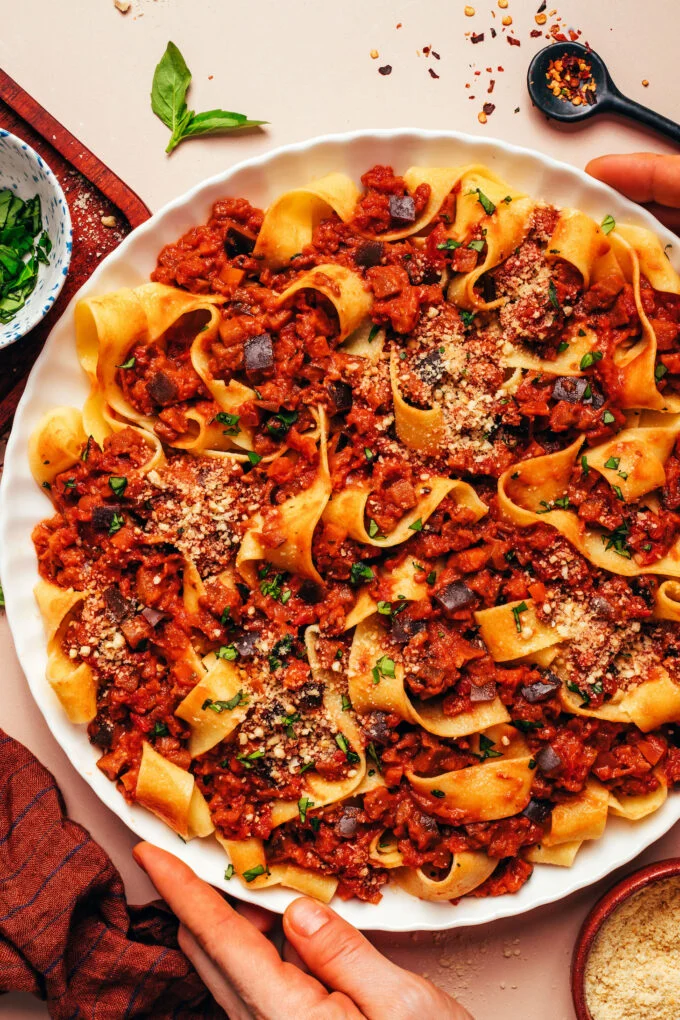

The Evolution of the Bolognese Tradition
The classic Bolognese, or ragù alla bolognese, originates from the city of Bologna in the Emilia-Romagna region of Italy. Traditionally, the dish is characterized by a slow-cooked meat base—usually a blend of beef and pork—combined with a soffritto of onion, celery, and carrot, then simmered with wine, milk, and tomatoes.
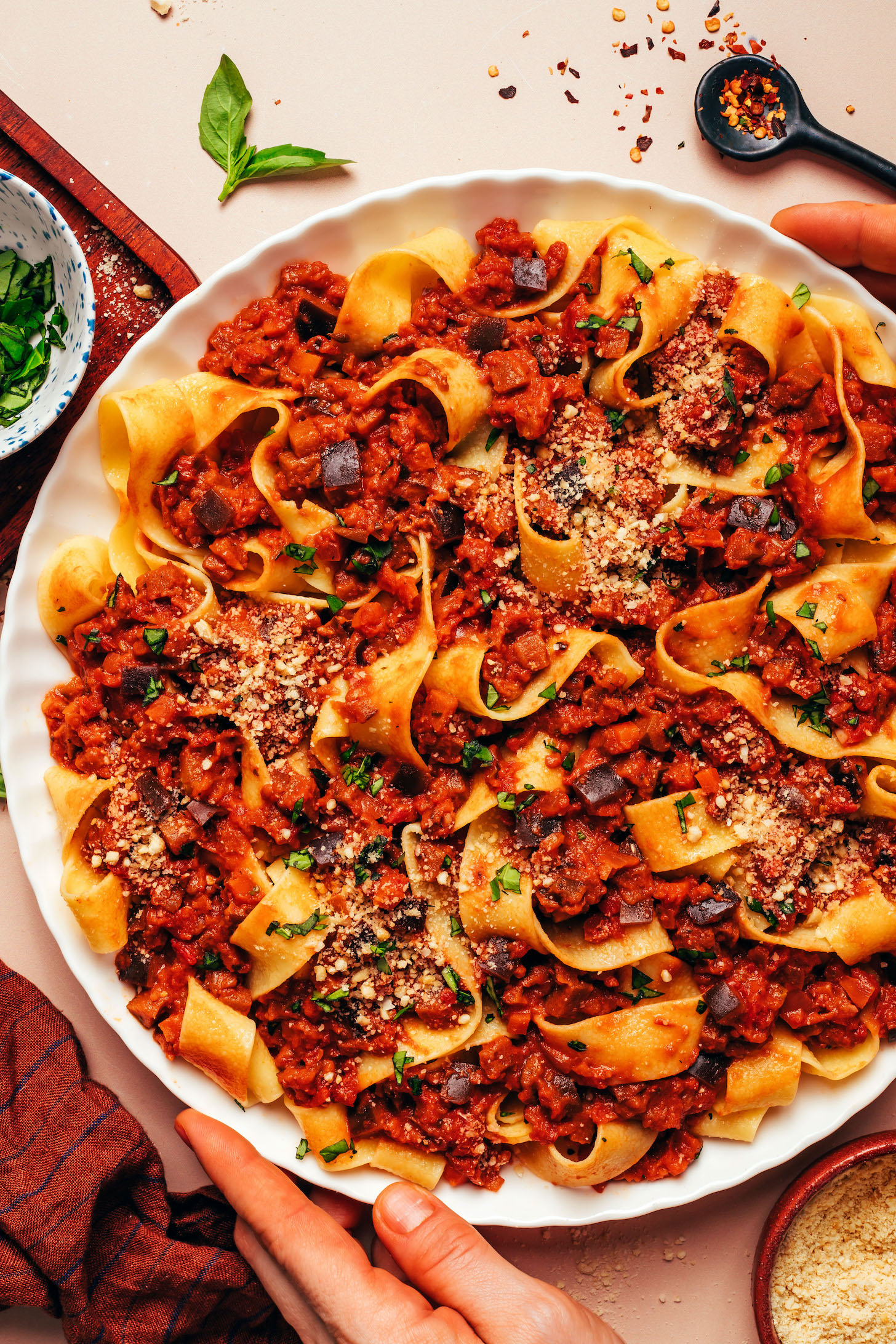
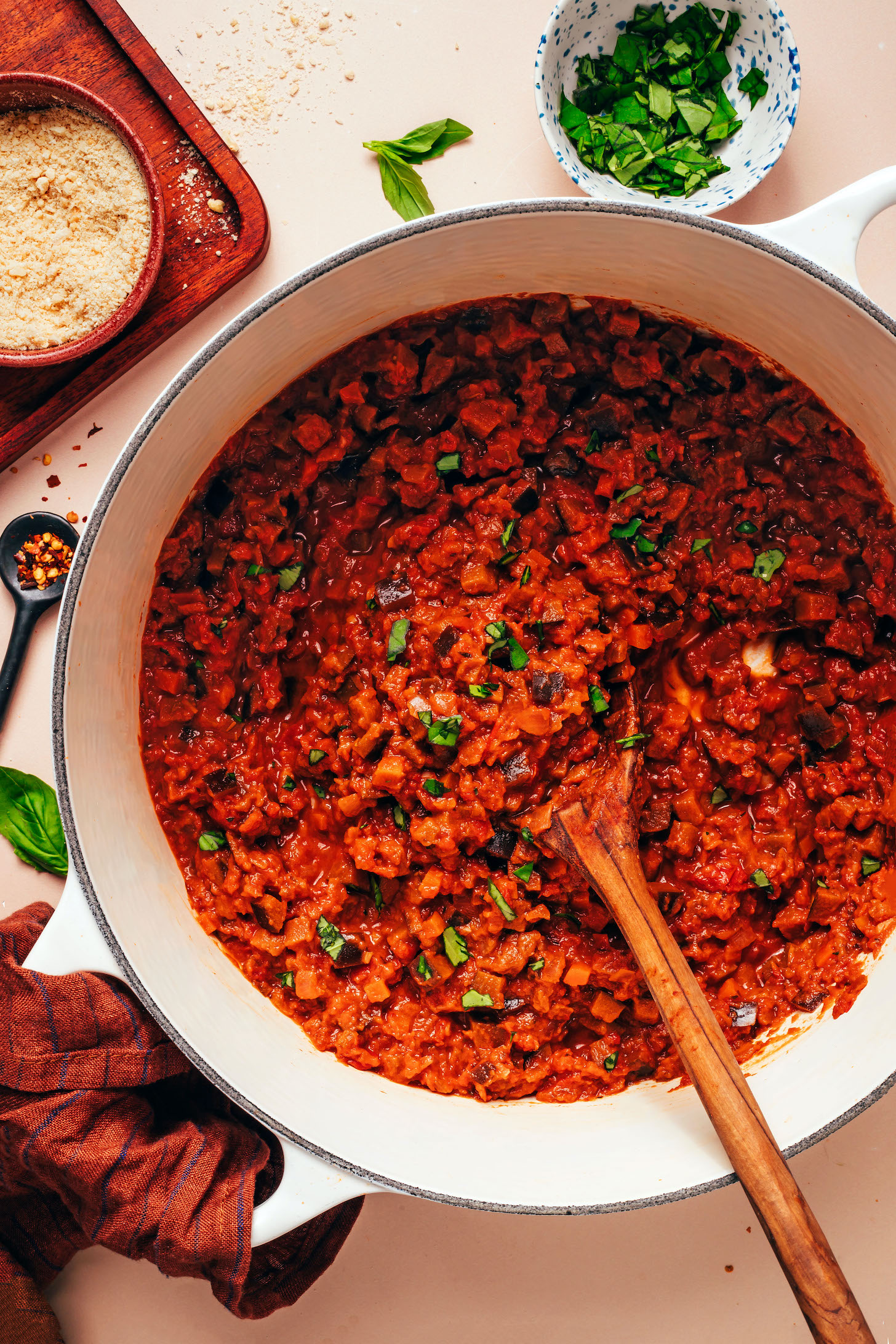
In recent years, the culinary landscape has seen a significant shift as home cooks and professional chefs alike experiment with vegetable-forward alternatives. This transition is largely driven by health consciousness and the rising demand for plant-based proteins. The new iteration by the Minimalist Baker utilizes eggplant—a nightshade vegetable prized for its sponge-like texture and ability to absorb complex aromatics—as a substitute for ground meat. By substituting traditional proteins with diced eggplant and incorporating a plant-based dairy alternative, such as cashew milk, the recipe attempts to replicate the creamy, savory mouthfeel of the original while maintaining a significantly lower carbon footprint per serving.
Culinary Methodology and One-Pot Efficiency
The technical innovation in this recipe lies in its one-pot execution. In a professional kitchen setting, a traditional bolognese often requires multiple stages: browning the protein in one pan, sautéing the aromatics in another, and simmering the sauce over an extended period. By utilizing a single Dutch oven or heavy-bottomed pot, the recipe streamlines the workflow.

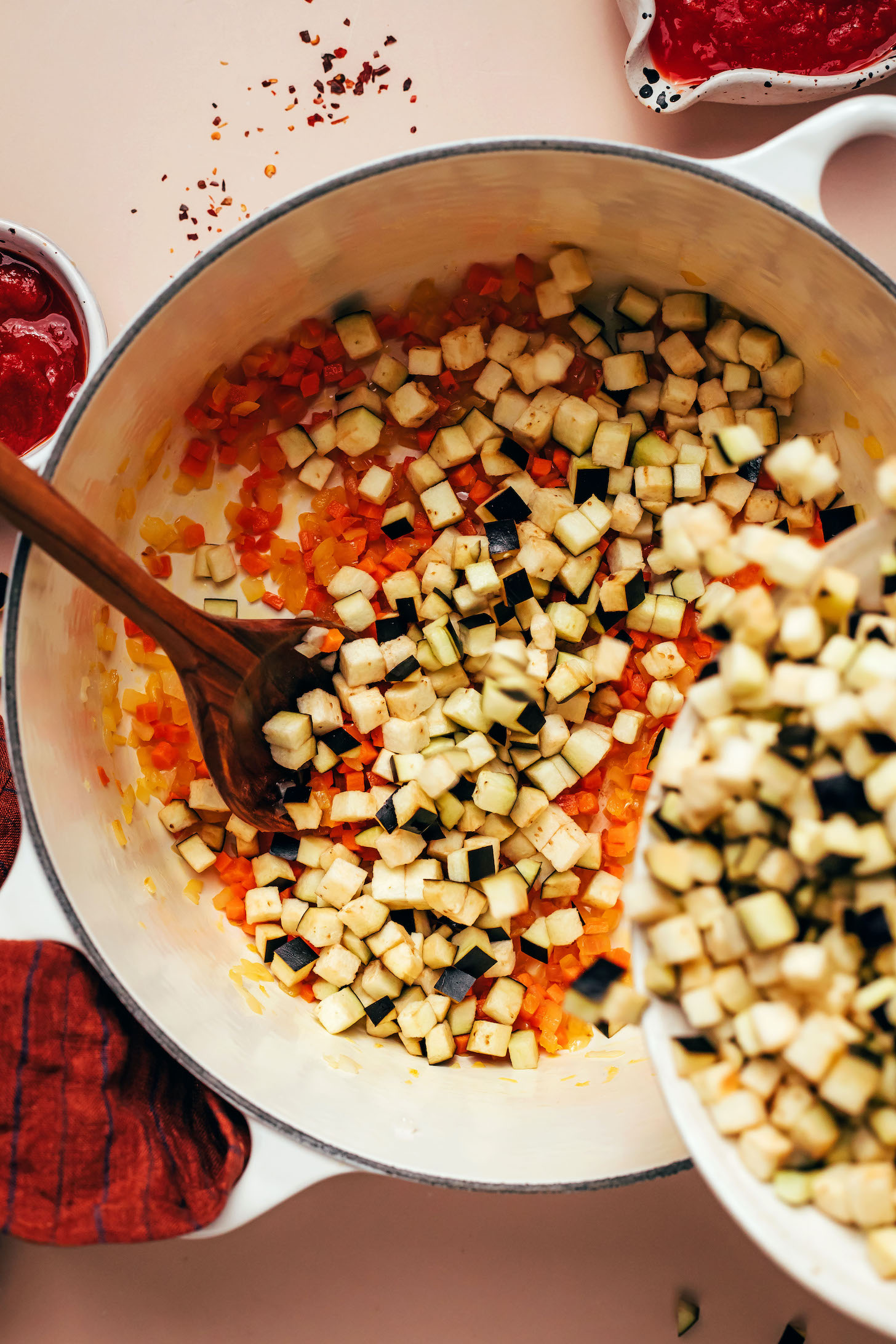
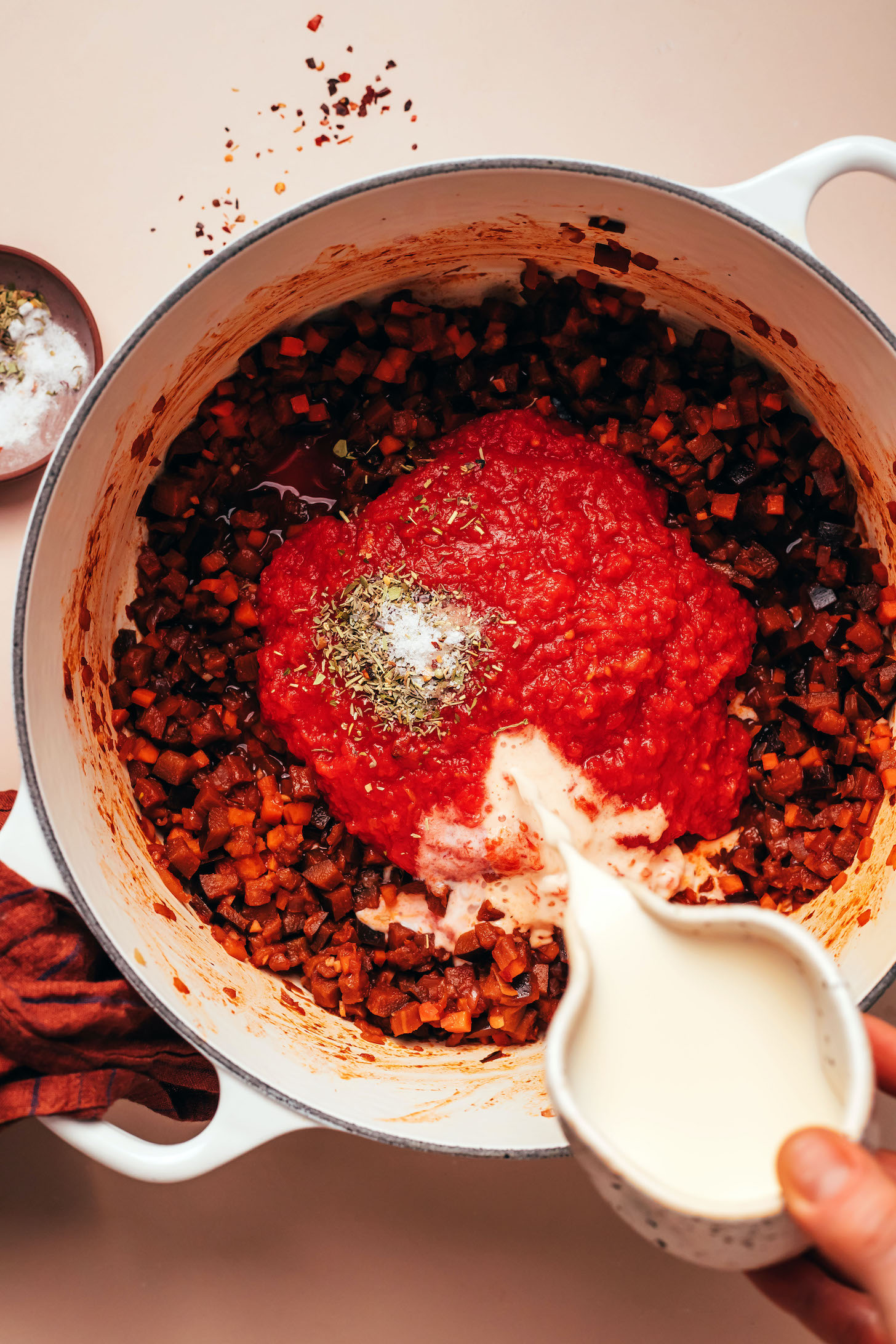
The preparation begins with the caramelization of the soffritto base. The eggplant, when diced into uniform, small pieces, is sautéed until the cellular structure breaks down, creating a meaty consistency. The process of deglazing the pan with a dry wine—a standard technique in classical French and Italian cooking—is utilized here to lift the fond (the browned bits at the bottom of the pot) and incorporate that depth of flavor into the sauce. The addition of tomato paste and crushed tomatoes provides the necessary acidity, while the subsequent incorporation of cashew milk introduces a subtle, creamy richness that offsets the intensity of the tomatoes.
Nutritional Analysis and Market Trends
From a nutritional perspective, this recipe offers a shift away from the saturated fats found in traditional meat-based ragùs. Data indicates that replacing animal proteins with fiber-rich vegetables like eggplant significantly increases the dietary fiber content of the meal, which is beneficial for digestive health and glycemic control.
The provided nutritional breakdown for this dish reports approximately 284 calories per serving, with 17.1 grams of fat, 31.9 grams of carbohydrates, and 6.6 grams of protein. While lower in protein than a traditional beef-based sauce, the recipe offers the flexibility to be modified. For instance, the inclusion of red lentils, as suggested in the preparation notes, can boost the protein content to match or exceed that of traditional recipes, providing a complete amino acid profile for vegetarian or vegan diners.
Industry Implications and Consumer Behavior
The rise of such recipes signals a broader shift in domestic food consumption. As inflation impacts the cost of premium animal proteins, plant-based alternatives that utilize seasonal produce have become increasingly attractive to a wide demographic. Eggplant, being a late-summer crop, is often abundant and cost-effective during its peak season, making this dish a practical choice for budget-conscious households.
Furthermore, the "one-pot" design responds to the needs of the modern consumer who reports less time available for meal preparation. According to market research on home cooking habits, the reduction of dishwashing and multi-step processes is a primary driver for recipe selection among millennial and Gen-Z households. By condensing a time-intensive classic into a 45-minute total preparation window, the recipe meets the demand for "fast-casual" dining at home.
Comparative Analysis of Plant-Based Substitutes
In the context of the Minimalist Baker’s broader catalog—which includes iterations using mushrooms, lentils, tempeh, and chickpeas—the choice of eggplant is notable for its textural mimicry. While lentils provide a granular, "ground" texture and mushrooms offer a savory, umami-rich punch (due to their high glutamate content), eggplant acts as a neutral canvas. When properly cooked, it softens into a silky consistency that integrates seamlessly with the sauce, rather than standing out as a distinct "vegetable" element. This makes it an ideal choice for consumers who might otherwise be skeptical of vegetarian "meat" substitutes.
Serving Suggestions and Professional Finishing
The versatility of this dish allows for it to be served in various ways, extending its utility beyond a simple pasta topping. Chefs often recommend serving such sauces over polenta to provide a gluten-free starch base, or pairing it with protein-rich side dishes like chickpea-based salads to create a more balanced meal. The emphasis on garnishes—such as fresh basil and house-made vegan parmesan—highlights the importance of texture and aromatics in plant-based cooking. These finishing touches are not merely aesthetic; they provide the brightness and saltiness required to elevate a dish that relies on slow-simmered vegetables.
Conclusion and Future Outlook
The emergence of this eggplant-based bolognese is a testament to the ongoing innovation within plant-based culinary circles. By applying traditional Italian techniques to seasonal, whole-food ingredients, the recipe provides a viable, sustainable, and accessible alternative to conventional meat sauces. As the culinary industry continues to move toward more sustainable practices, it is likely that we will see further refinements in how simple, single-pot methods are used to maximize flavor without the need for traditional animal products. Whether adopted by those with specific dietary restrictions or simply those looking to incorporate more vegetables into their diet, this dish represents a successful intersection of tradition and contemporary nutrition.