

The American Homebrewers Association (AHA) has officially released its highly anticipated July/August 2026 issue of Zymurgy magazine, delivering a comprehensive exploration of the craft beer community’s enduring traditions, modern technological adaptations, and future outlook. Under the editorial guidance of Editor-in-Chief Dave Carpenter, the mid-summer publication arrives packed with specialized features, expert brewing techniques, historical deep-dives, and 15 exclusive, tested recipes designed for home fermentation enthusiasts.

As the craft beverage landscape continues to evolve alongside shifting consumer preferences and supply chain dynamics, this latest edition positions itself as both a tribute to ancestral brewing methods and a practical manual for contemporary practitioners. The release coincides with strategic leadership transitions within the organization, most notably at the National Homebrew Competition (NHC), and highlights emerging agricultural trends such as regenerative hop farming.
Main Facts and Publication Highlights
The July/August 2026 issue of Zymurgy bridges historical beer styles with modern craft innovations. A primary focal point of the current edition is the exploration of pre-Prohibition American stock ales and historical styles, which serve as foundational blueprints for today’s popular West Coast IPAs and cold IPAs. By examining these ancestral recipes, the magazine provides homebrewers with the technical parameters needed to replicate historical flavor profiles using modern equipment and scientific understanding.

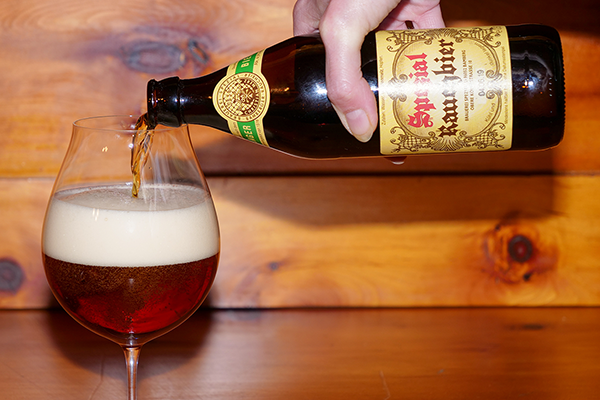
In addition to historical explorations, the issue features an in-depth profile of Germany’s legendary 500-year-old Franconian brewery, Schlenkerla. Managing Director Mattias Trum shares insights into the delicate balance required to preserve centuries-old brewing traditions—such as traditional floor-malted barley and open-fire beechwood smoking—while adapting to modern industrial technologies, environmental regulations, and energy realities.
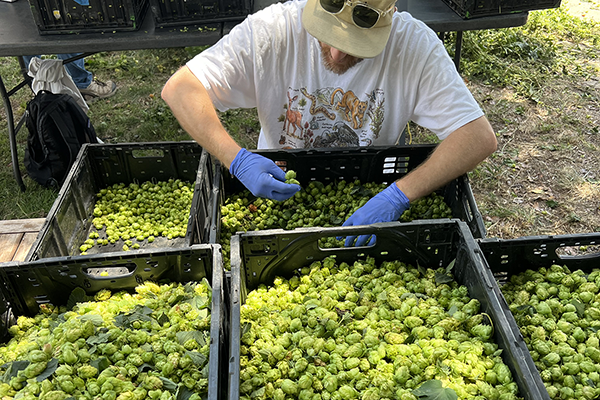
The magazine also addresses the agricultural backbone of brewing through a feature on regenerative organic hop farming. As sustainability becomes a core pillar of the agricultural sector, hop growers are increasingly turning to regenerative practices to protect soil health and secure reliable yields of wet hops, which provide distinctive, vibrant flavor profiles highly sought after by homebrewers during the harvest season.

Leadership Transitions and Institutional Chronology
A significant milestone highlighted in the current issue is the structural evolution of the National Homebrew Competition (NHC), widely recognized as the largest and most prestigious amateur brewing competition in the world. The AHA announced that veteran homebrewers Charlie Harr and Jen Pereira have officially stepped into leadership roles as the new competition organizers.
The NHC has a rich chronology dating back to its establishment by the AHA in the late 1970s. Over the decades, the competition has served as a vital incubator for the professional craft beer industry, launching the careers of numerous commercial brewmasters who began their journeys as hobbyists. The transition to new leadership under Harr and Pereira marks a pivotal moment for the organization as it looks to streamline operations, enhance judging standardization, and expand participation among regional homebrewing clubs.
Parallel to the NHC leadership update, the issue features the winner of the annual Zymurgy Cover Contest. Following a successful raffle held at the Great American Beer Festival (GABF) in Denver, Colorado, attendee Janet Anderson claimed the prize featuring an iconic, historical magazine cover design. The cover story, penned by Adriana Terron, underscores the deep sense of nostalgia and community identity fostered by the publication over its decades-long history.
Supporting Data and Expert Insights
The enduring appeal of homebrewing as both a scientific hobby and a cultural touchstone is further examined through practical reflections from industry veterans. Jim Spaulding, a long-standing AHA member and veteran homebrewer with 37 years of hands-on experience, shares critical brewing data and empirical knowledge accumulated over nearly four decades of experimentation. Spaulding’s contributions emphasize water chemistry adjustment, yeast health management, and fermentation temperature control—variables that separate amateur results from professional-grade execution.
Zymurgy continues to serve as the premier educational vehicle for the AHA, which was founded in 1978 under the auspices of the Brewers Association. The publication’s reach extends to tens of thousands of dedicated members across North America and internationally. According to internal association metrics, instructional DIY content, validated clone recipes, and legislative updates regarding homebrewing legality remain the primary drivers of member retention and engagement.
The magazine includes 15 distinct fermentation recipes, meticulously calculated for standard homebrew systems (typically 5-gallon batches). These formulas cover a diverse array of styles ranging from traditional European lagers to experimental hop-forward ales, complete with precise mash schedules, hop addition timelines, and recommended yeast strains.
Broader Impact and Industry Implications
The release of the July/August 2026 issue arrives at a critical juncture for the broader brewing ecosystem. While the commercial craft beer sector has experienced market saturation and shifting consumer demographics—including increased competition from non-alcoholic beverages and ready-to-drink (RTD) cocktails—the homebrewing community remains a resilient incubator for grassroots innovation.
Industry analysts note that homebrewers are frequently the first to adopt emerging trends, such as thiolized yeasts, cold fermentation techniques, and hyper-local ingredient sourcing. By documenting these trends and connecting them to historical precedents, Zymurgy acts as a stabilizing intellectual force within the hobbyist community.
Furthermore, the emphasis on regenerative agriculture in the current issue aligns with growing corporate and consumer demand for sustainable supply chains. As climate volatility impacts hop yields in traditional growing regions like the Pacific Northwest and Central Europe, educating homebrewers on sustainable ingredient sourcing helps cultivate a more environmentally conscious consumer base.
Availability and Access
The July/August 2026 issue is currently accessible to members of the American Homebrewers Association. A complimentary digital preview of the publication has been made available online via the Zymurgy digital library platform for prospective members and casual readers. Full access to the complete archive, including the 15 new recipes, technical troubleshooting guides, and member-exclusive forums, is available through annual AHA membership tiers starting at $4.99 for introductory digital access.