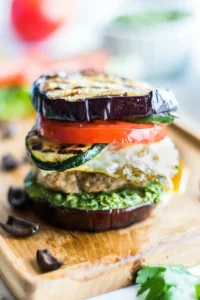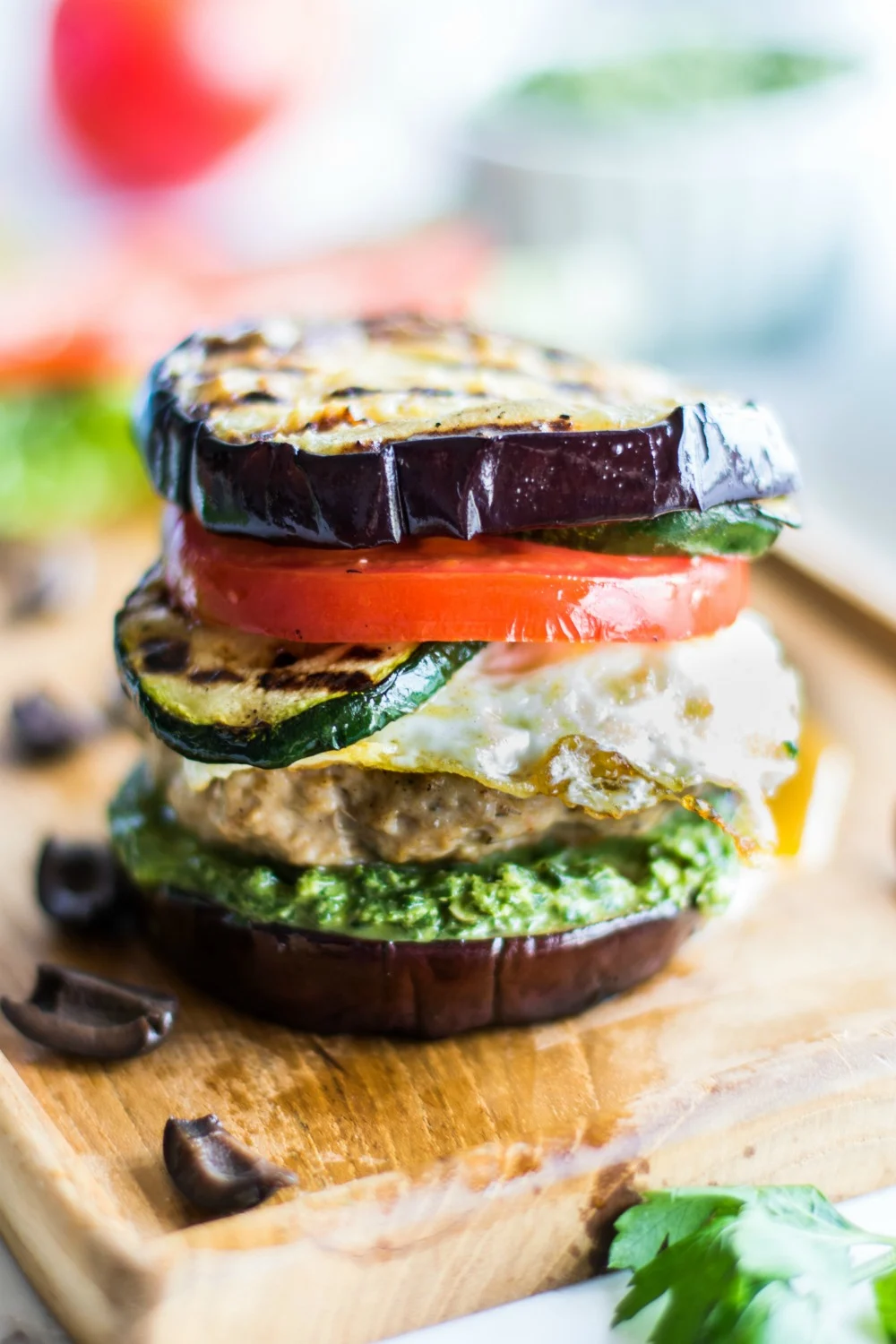

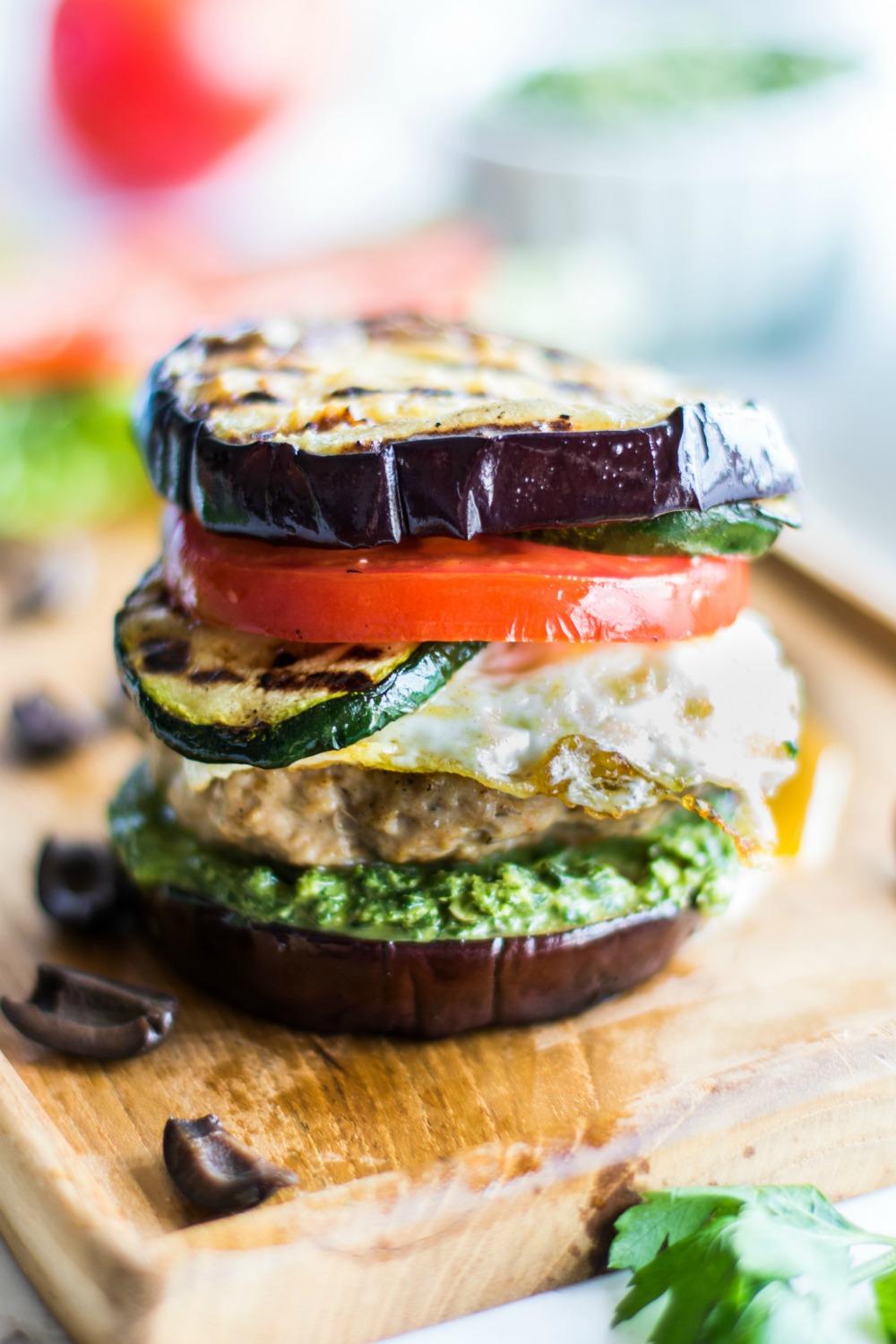
The rising trend of restrictive dietary protocols such as Whole30, Paleo, and the ketogenic diet has necessitated a shift in traditional meal preparation strategies. Among the most popular adaptations is the bunless burger, a culinary approach that prioritizes nutrient-dense, whole-food alternatives to refined carbohydrates. The Pork Burger Meal Prep serves as a case study in this evolution, replacing traditional wheat-based buns with grilled eggplant to provide a structural foundation for high-protein, low-glycemic meals. By integrating seasonal vegetables and customized, dairy-free condiments, this meal prep strategy demonstrates how home cooks can maintain strict dietary adherence without sacrificing the sensory experience of a traditional burger.
The Nutritional Framework of Bunless Meal Prep
From a dietary standpoint, replacing a standard burger bun—which often contains processed flour, added sugars, and preservatives—with eggplant or lettuce significantly alters the macronutrient profile of the meal. A standard commercial bun can contribute upwards of 20 to 30 grams of refined carbohydrates. By substituting this with grilled eggplant, the carbohydrate content is reduced to roughly 10.8 grams per serving, while simultaneously increasing dietary fiber and micronutrient intake.
The inclusion of pork as the primary protein source offers a high-quality amino acid profile. When paired with a house-made, walnut-based pesto, the meal provides a substantial amount of monounsaturated fats, which are essential for satiety in ketogenic and Paleo diets. The nutritional data for this specific preparation confirms a balance of 39 grams of protein and 45 grams of fat per 603-calorie serving, positioning it as a dense, energy-efficient option for individuals managing metabolic health or athletic performance.
Chronology and Preparation Workflow
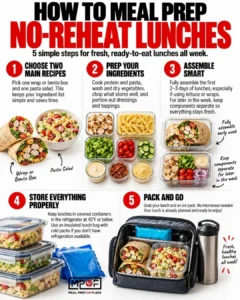
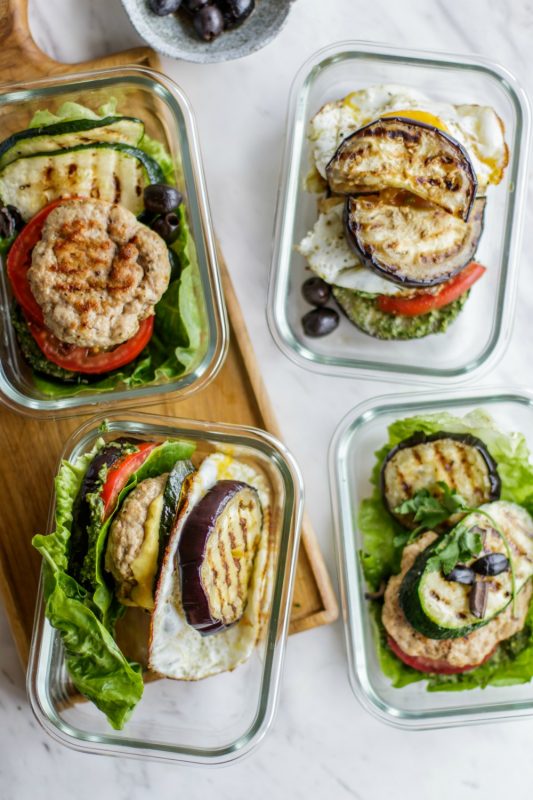
Efficiency in the kitchen remains the primary barrier to consistent dietary adherence. The preparation of the Pork Burger Meal Prep follows a structured, modular workflow designed to maximize freshness over a four-day cycle.
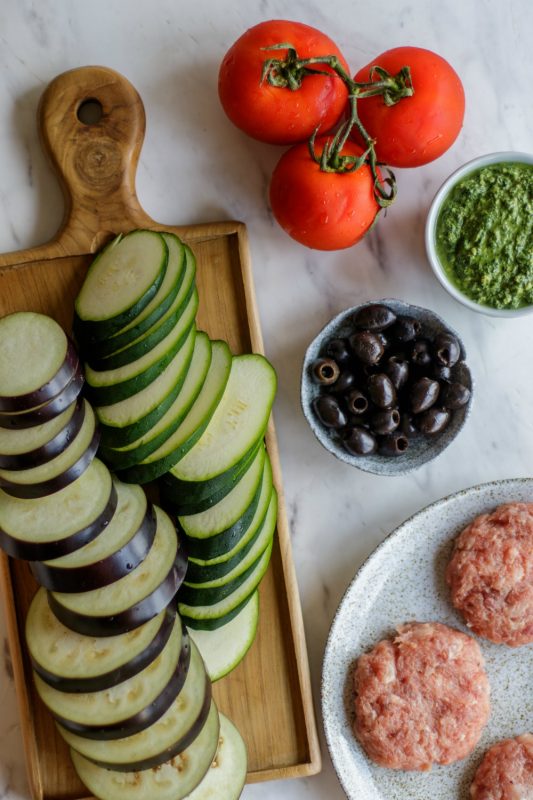
- Phase 1: Pesto Synthesis. The foundation of the flavor profile, the dairy-free pesto, is prepared first. Utilizing fresh basil, high-quality olive oil, walnuts, garlic, and sea salt, this component functions as the primary seasoning agent.
- Phase 2: Protein Formulation. The pork is seasoned with a blend of thyme, paprika, and black pepper. The mixture is portioned into uniform patties to ensure consistent cooking times and even distribution of macronutrients across all four servings.
- Phase 3: Thermal Processing. Vegetables, specifically the eggplant and zucchini, are sliced into half-inch rounds. These are grilled to a precise texture—firm enough to maintain structural integrity as a "bun" but tender enough to be palatable.
- Phase 4: Protein and Egg Cooking. The patties are cooked through, followed by the preparation of four eggs. To ensure food safety and prevent oxidation or discoloration during the storage period, the eggs are fully cooked rather than served with runny yolks.
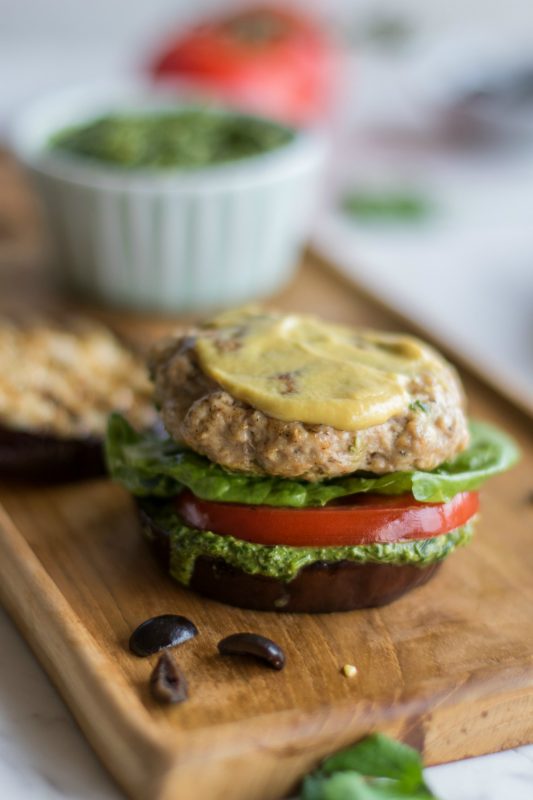
- Phase 5: Assembly and Staging. The final assembly is deferred until the point of consumption to prevent the degradation of textures, particularly the wilting of lettuce and the softening of the eggplant base due to moisture transfer.
Evidence-Based Storage and Preservation Tactics
The longevity of meal-prepped food is dictated by water activity and the rate of oxidation. Research into food storage suggests that composite meals—those containing both cooked and fresh components—suffer from structural breakdown when stored as a single unit. The eggplant "buns," while durable, reach an optimal consumption window of approximately 72 hours.

To mitigate the risk of spoilage or loss of texture, the current consensus among nutritionists and meal-prep specialists is the "separation of components" method. By storing the protein and grilled vegetables in a base container and keeping cold, moisture-rich ingredients like lettuce, tomatoes, and pesto in secondary, airtight compartments, the shelf life of the total meal can be extended safely to four days. This methodology not only improves the sensory quality of the reheated meal but also adheres to standard food safety practices regarding temperature control and moisture management.
The Impact of Dietary Customization on Metabolic Health
The shift toward recipes like the Pork Burger Meal Prep is reflective of a broader public health trend: the move away from ultra-processed foods toward "clean-label" consumption. The Whole30 and Keto movements, while often debated for their strictness, have forced a critical re-evaluation of the American diet.
According to observational studies on dietary habits, the primary challenge to successful long-term diet modification is the convenience gap. If healthy meals are difficult to prepare or taste significantly worse than their processed counterparts, adherence drops sharply within the first 14 days. By creating a "burger" experience that remains compliant with strict dietary rules, the Pork Burger Meal Prep bridges the gap between hedonistic eating and health-conscious living. The use of natural fats—derived from nuts and olive oil—rather than inflammatory seed oils, and the inclusion of cruciferous vegetables, provides a holistic approach to nutrition that aligns with current ancestral-diet research.
Official Guidelines and Regulatory Context
While the recipe is optimized for home preparation, it is essential to consider the implications of ingredient sourcing. In the context of Whole30 and Paleo, the quality of the pork—specifically whether it is pasture-raised and free from antibiotics or added nitrates—is a critical variable. Furthermore, store-bought condiments often contain hidden sugars or additives that disqualify them from these programs. Consequently, the reliance on homemade pesto and fresh, whole-food ingredients serves as a safeguard against the "hidden ingredient" problem inherent in processed supermarket alternatives.

Practical Implications for Modern Households
For the working professional or the time-constrained individual, the modularity of this recipe is its most significant advantage. The flexibility to swap out ingredients—for instance, using fresh lettuce wraps instead of grilled eggplant for a lighter lunch, or adjusting the spice profile of the pork patties—allows the meal prep to remain dynamic.
Consistency in meal preparation is not achieved by repeating the same monotonous meal, but by creating a system that allows for variation within a set framework. The Pork Burger Meal Prep provides the necessary structure to ensure that the individual remains on track with their health goals, while simultaneously offering the customization required to prevent "diet fatigue." As public interest in nutritional transparency and personal health management continues to climb, recipes that emphasize fresh, whole-food components and efficient, scalable cooking techniques will continue to serve as the backbone of the modern, health-conscious kitchen.
In conclusion, the Pork Burger Meal Prep is more than a simple recipe; it is a refined method for managing caloric intake and macronutrient distribution. Through the careful application of food science—namely the separation of hot and cold components and the deliberate selection of low-glycemic, fiber-dense ingredients—the modern home cook can replicate the satisfaction of a traditional dining experience within the confines of a healthy, compliant, and sustainable dietary lifestyle.