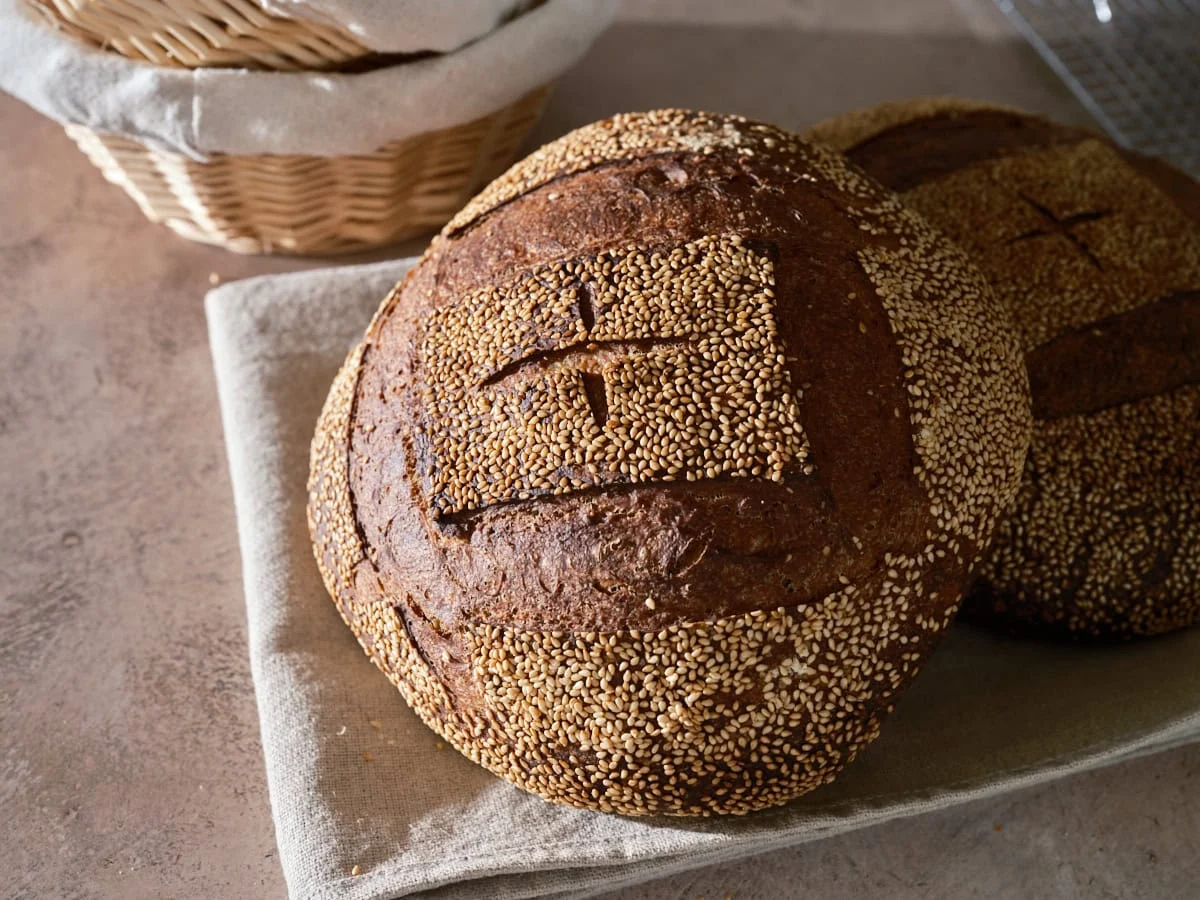

The culinary and baking community has seen a significant shift toward rustic, nutrient-dense artisanal bread recipes designed to withstand prolonged winter weather patterns. Among the latest developments in home baking formulations is the introduction of a scalded buckwheat and malt sourdough bread. This formulation specifically addresses both environmental baking challenges—such as dry indoor air and low ambient temperatures—and the growing consumer demand for complex flavor profiles, featuring a unique combination of high-extraction flours, aromatic spices, and a traditional Japanese-inspired flour scalding technique.
Background and Context of Flour Scalding in Artisan Baking
The incorporation of a flour scald—historically utilized in various European baking traditions and closely related to the Asian yudane and tangzhong methods—represents a deliberate technical choice by bread artisans to improve crumb texture and moisture retention. By pouring boiling water directly over a portion of buckwheat flour, the starches undergo gelatinization, transforming the dry powder into a thick, highly aromatic paste.
In industrial and artisanal baking applications alike, this technique serves multiple purposes. First, it traps free water within the starch matrix, which significantly delays staling and keeps the final loaf soft for extended periods. Second, it softens the naturally brittle nature of alternative grains like buckwheat. Buckwheat, while prized for its intense, earthy, mineral, and tannic properties, lacks the gluten structure required to support a high-volume, open crumb. Scalding allows bakers to integrate higher percentages of whole grains and alternative flours without entirely sacrificing structural integrity or resulting in a dense, unpalatable texture.
Nutritional Profile and Ingredient Selection
The formulation for this specialized sourdough utilizes a carefully curated blend of grains and adjuncts intended to maximize both flavor and nutrition. At the base of the recipe is a high-extraction wheat flour (Type 85), such as Cairnspring’s Trailblazer, which retains a higher proportion of the grain’s original bran and germ compared to standard refined white flour. This provides increased dietary fiber and micronutrients, contributing to a deeper, more robust flavor profile.
To complement the Type 85 base, the recipe incorporates whole wheat flour and a targeted 5% inclusion of organic buckwheat flour. The structural backbone is further enhanced by sweet barley malt syrup, which introduces fermentable sugars and complex malt flavors that interact favorably with the wild yeast and lactic acid bacteria in the sourdough starter.
A defining characteristic of this particular loaf is the heavy utilization of ground aniseed. Delivering an assertive, licorice-sweet aroma, the spice is integrated into the dough to counterbalance the assertive, mineral bite of the buckwheat. To complete the loaf, the exterior is generously coated in raw white sesame seeds, adding a toasted, nutty finish that complements the interior’s sweet and spicy notes.
Comprehensive Baking Schedule and Methodology
The production of scalded buckwheat and malt sourdough follows a standardized two-day commercial and artisanal timeline designed to optimize fermentation without requiring constant mechanical intervention.
Day One:
- 9:00 a.m. (Levain Preparation): A mixture of high-extraction wheat flour, water, and a mature 100% hydration sourdough starter is combined and left to ripen at a controlled ambient temperature of 74°F to 76°F (23°C to 24°C) for approximately three hours.
- 9:10 a.m. (Flour Scald): Organic buckwheat flour is combined with boiling water in a small vessel, stirred until a gelatinized paste forms, and set aside.
- 11:00 a.m. (Autolyse): High-extraction wheat flour, whole wheat flour, autolyse water, and the prepared flour scald are mixed until no dry remnants remain. Water temperatures are calibrated to target a final dough temperature of 78°F (26°C).
- 12:00 p.m. (Mixing): Ripe levain, fine sea salt, and secondary hydration water (utilizing a bassinage method to prevent over-hydration of the slack dough) are incorporated. The dough undergoes mechanical spiral mixing or manual slap-and-fold kneading to build initial gluten strength.
- 12:30 p.m. to 3:30 p.m. (Bulk Fermentation): The dough rests in a controlled environment, undergoing two sets of structural stretches and folds at 30-minute intervals during the initial phase of fermentation.
- 3:30 p.m. (Pre-shaping): The fermented dough, exhibiting a roughly 30% increase in volume, is divided into equal portions and gently pre-shaped into loose rounds.
- 4:00 p.m. (Shaping and Seeding): Dough rounds are inverted onto a bed of raw white sesame seeds, shaped to build exterior surface tension, and placed seam-side up into proofing baskets.
- 4:15 p.m. Onward (Cold Retardation): Baskets are enclosed in sealed plastic bags and transferred to a refrigerator for an overnight cold fermentation phase.
Day Two:
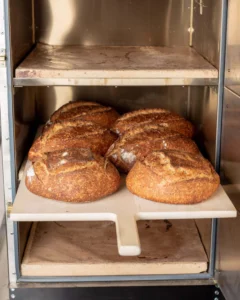
- 9:00 a.m. (Baking): Loaves are un-molded from proofing baskets directly onto parchment paper, scored to control expansion, and baked in a preheated oven at 450°F (230°C). Initial baking utilizes steam generation via a Dutch oven, baking shell, or steam pan for the first 20 minutes, followed by dry-heat baking for an additional 30 minutes to develop a dark, caramelized crust and an internal temperature exceeding 204°F (95°C).
Technical Analysis and Culinary Implications
Food science analysts note that recipes combining high-extraction grains, scalding techniques, and botanical spices represent a broader consumer trend toward functional, nutrient-dense comfort foods. As home baking continues to evolve past basic white-flour sourdoughs popularized during previous years, bakers are increasingly turning to heritage grains and aromatic adjuncts to create products with superior shelf-life, enhanced digestibility, and distinct regional or seasonal identities.
The integration of aniseed and buckwheat, specifically, highlights an ongoing culinary exploration into boundary-pushing flavor profiles within traditional bread-making frameworks. By bridging the gap between traditional European hearth baking and modern hydration science, formulas like the scalded buckwheat and malt sourdough offer a reliable, reproducible method for producing complex, professional-grade artisanal bread in home kitchens.