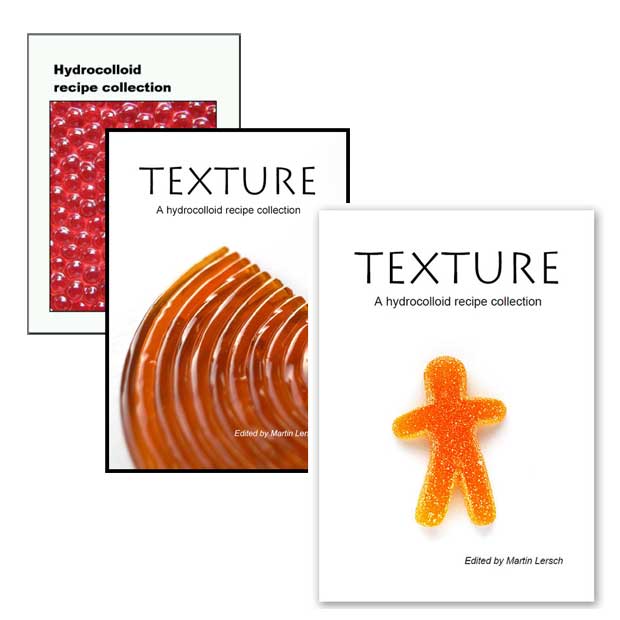
The world of modernist cuisine and culinary science is bracing for a minor yet significant update to one of its foundational digital texts. Six years after the release of version 3.0, the creator of Texture: A Hydrocolloid Recipe Collection has announced plans for an incremental revision designated as version 3.1. This upcoming release aims to refine the existing material, correct typographical errors, integrate user-submitted feedback, and expand its scope to include contemporary food trends, such as the viral Dalgona coffee foam phenomenon that captured global attention during the spring of 2020.
Since its inception, the compendium has served as an indispensable guide for chefs, food scientists, and passionate home cooks seeking to understand and manipulate the physical properties of food. By detailing the practical applications of hydrocolloids—substances that form gels, thicken liquids, or stabilize emulsions when mixed with water—the collection bridges the gap between industrial food science and kitchen-level gastronomy. The announcement of version 3.1 marks a continuation of a collaborative, community-driven project that has spanned well over a decade.
Chronology and Evolution of the Texture Collection
The journey of Texture began in 2007 with the publication of version 1.0, a pioneering effort to compile practical recipes utilizing gums, starches, and other gelling or thickening agents into a single, accessible document. The project quickly gained traction within the modernist cuisine community, providing clear measurements and methodological guidelines for ingredients that were previously relegated to industrial manufacturing or highly specialized laboratories.
Recognizing the rapid advancements in culinary techniques and the growing interest in molecular gastronomy, the author released version 2.0 the following year in 2008. This iteration expanded the ingredient catalog and refined the formatting to make the science of hydrocolloids more approachable. Following a six-year hiatus, version 3.0 was published in 2014, introducing major structural overvisions, updated styling, and a broader array of modern culinary applications.
Now, six years after the 2014 release, the impending rollout of version 3.1 represents an incremental maintenance cycle rather than a complete overhaul. According to the project’s lead, the primary objective of this revision is to iron out existing wrinkles, correct minor errors, and incorporate the accumulated feedback gathered from the user base since 2014.
The Mechanics of Community Collaboration
A defining characteristic of the Texture project has been its reliance on crowd-sourced intelligence, empirical testing, and peer review from a global network of culinary enthusiasts. Over the past six years, users have continuously submitted corrections, photographic evidence of successful recipe executions, and troubleshooting notes for formulations that failed to yield expected results.
In preparation for version 3.1, a formal call to action has been issued for final contributions from the public. Specifically, the project leads have emphasized the need for high-quality photographs to accompany recipes. Within the culinary publishing sphere, photographic proof of a completed dish serves as a primary indicator that a formulation has been practically tested and verified under real-world kitchen conditions. Contributors have been directed to follow submission guidelines previously established in the documentation to ensure proper formatting and attribution.
Furthermore, the revision process highlights specific gaps in the current catalog, directing attention toward underrepresented hydrocolloids. Ingredients such as guar gum, gum arabic, konjac, locust bean gum, and tara gum currently lack comprehensive representation in terms of diverse culinary applications. While the collection features standard uses for these agents, there is a concerted effort to gather recipes that fully illustrate the breadth of textures and functionalities each can achieve across different food matrices.
Addressing Omissions and Expanding the Scope
While the guide strives for comprehensive coverage of hydrocolloids, certain omissions remain intentional. Proprietary commercial products—such as Ultra-Tex and Pure Cote, which are modified starches, or Trisol, a specialized wheat fiber—are deliberately excluded due to their proprietary nature and brand-specific formulations. Conversely, other omissions may be entirely accidental, stemming from the introduction of novel or exceptionally rare gelling and thickening agents into the modern culinary landscape. The upcoming revision seeks to rectify accidental omissions through community vigilance and direct correspondence from food science practitioners.
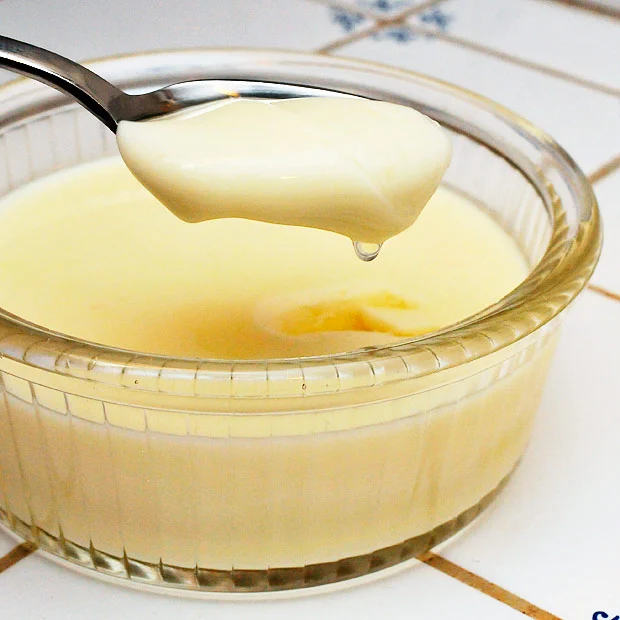
In addition to traditional hydrocolloids, the collection features a dedicated category labelled non-hydrocolloid recipes. This section explores traditional gels originating from regional kitchens around the world where external gelling agents are absent, yet complex gelling mechanisms successfully produce unique textures. Historical and regional examples currently featured include Junket, Cuajada, ginger milk custard, Aiyu jelly, grass jelly, gelled seafood sauces, traditional tofu, and hominy.
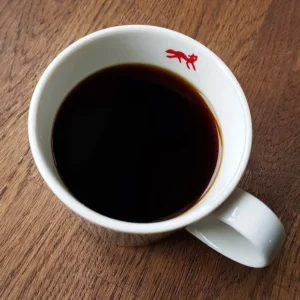
The inclusion of these traditional preparations underscores the broader anthropological and scientific scope of the text, demonstrating that texture manipulation is a universal culinary art rather than a modern invention. Version 3.1 will expand this section significantly, most notably by officially admitting Dalgona coffee foam. The whipped beverage, which relies on the mechanical foaming properties of instant coffee, sugar, and water whipped into a stable colloidal suspension, became a cultural touchstone during global lockdowns in early 2020 and serves as a prime example of modern kitchen science driven by social media adoption.
Implications for Modernist Cuisine and Food Education
The ongoing refinement of Texture: A Hydrocolloid Recipe Collection reflects broader trends in culinary education and the democratization of food science. As professional cooking techniques increasingly bleed into domestic environments, accessible reference materials play a crucial role in demystifying complex physical and chemical transformations.
Hydrocolloids enable chefs to control moisture, alter mouthfeel, stabilize emulsions against thermal or mechanical degradation, and create novel presentations ranging from elastic gels to delicate airs. However, working with these ingredients often requires precise measurements—frequently down to fractions of a gram—and a clear understanding of hydration rates, temperature dependencies, and pH sensitivities. By maintaining an updated, free-to-access compendium, the project lowers the barrier to entry for culinary experimentation, fostering a deeper understanding of food physics among both amateur cooks and culinary students.
The systematic integration of user feedback in version 3.1 also highlights the effectiveness of decentralized digital publishing in specialized technical fields. Traditional culinary textbooks often suffer from prolonged revision cycles, making it difficult to keep pace with rapid innovations in technique and ingredient availability. In contrast, a digitally distributed, periodically updated compilation can adapt fluidly to the evolving needs of its readership.
Looking Forward: Availability and Next Steps
As compilation and editing work continues on version 3.1, no definitive release date has been officially published, though expectations point toward a digital rollout via the primary hosting platform, Khymos.org. Interested practitioners, food scientists, and home cooks wishing to contribute recipes highlighting underrepresented gums—such as konjac, tara gum, or locust bean gum—or those wishing to submit photographs of tested recipes, have been invited to submit their materials directly via email or through community feedback channels.
Ultimately, the release of version 3.1 will ensure that Texture remains a relevant, accurate, and vital resource for anyone seeking to explore the fascinating intersection of culinary arts and physical science.