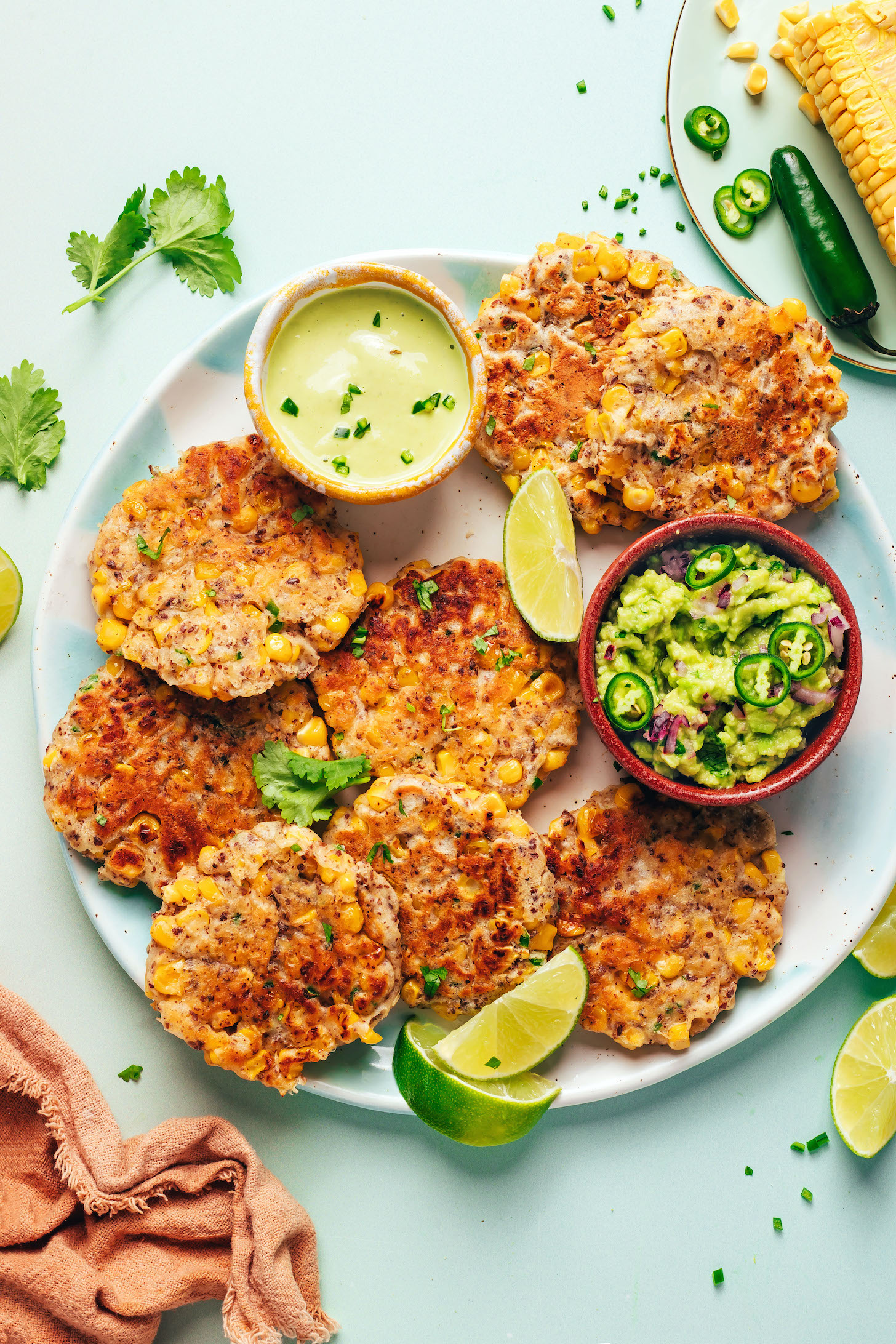
The culinary landscape has seen a significant shift toward plant-based alternatives in recent years, with home cooks increasingly seeking recipes that balance traditional comfort food aesthetics with dietary inclusivity. The emergence of the Easy Jalapeño Corn Fritter recipe represents a growing trend in home-kitchen innovation, where simple, staple pantry ingredients are utilized to replicate textures traditionally achieved through animal-derived binding agents. This dish, which relies on a combination of fresh or frozen corn, flaxseed meal, and plant-based milk, provides a case study in the efficiency of modern vegan cooking, offering a nutritional profile that caters to both health-conscious consumers and those adhering to strict vegan or gluten-free diets.
The Evolution of the Plant-Based Appetizer
Historically, corn fritters have been a staple of North American cuisine, particularly in the Southern United States, where they were traditionally crafted using a batter of flour, milk, and eggs. The transition toward a vegan version of this classic appetizer required a technical reassessment of binding properties. Culinary researchers have long noted that eggs serve two primary functions in fritter batters: leavening and coagulation. By replacing eggs with a flaxseed meal mixture—often referred to in professional kitchens as a "flax egg"—chefs can achieve a similar structural integrity. This method relies on the high mucilage content of ground flaxseed, which, when combined with water, creates a viscous, gel-like substance that successfully traps air and binds the starch-heavy corn kernels.
The shift toward these preparations is not merely a matter of lifestyle preference but is also reflective of broader agricultural shifts. As the availability of diverse plant-based milks—such as cashew, almond, and soy—has expanded in commercial markets, the barrier to entry for home-based plant-based cooking has significantly lowered.

Chronology of Preparation and Culinary Methodology
The preparation of these fritters follows a streamlined, time-efficient protocol designed for the modern household. A standard preparation timeline for this dish is as follows:
- Preparation (0–10 minutes): The process begins with the activation of the flaxseed meal. This requires mixing the ground flax with a small amount of liquid to initiate the hydration process. During this interval, other dry ingredients—such as gluten-free flour blends, nutritional yeast, baking powder, and seasonings like garlic powder and salt—are combined in a single mixing bowl to ensure uniform distribution.
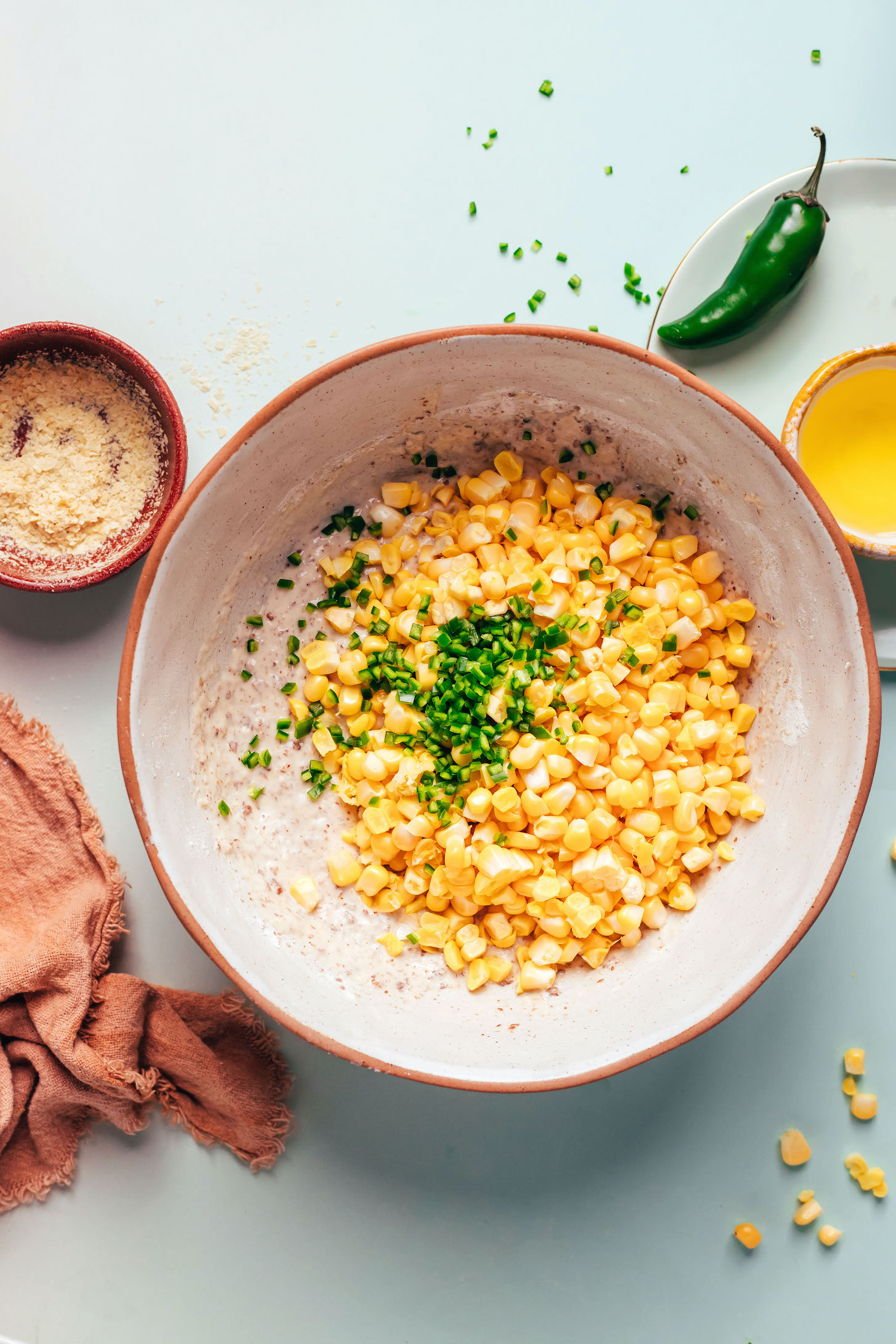
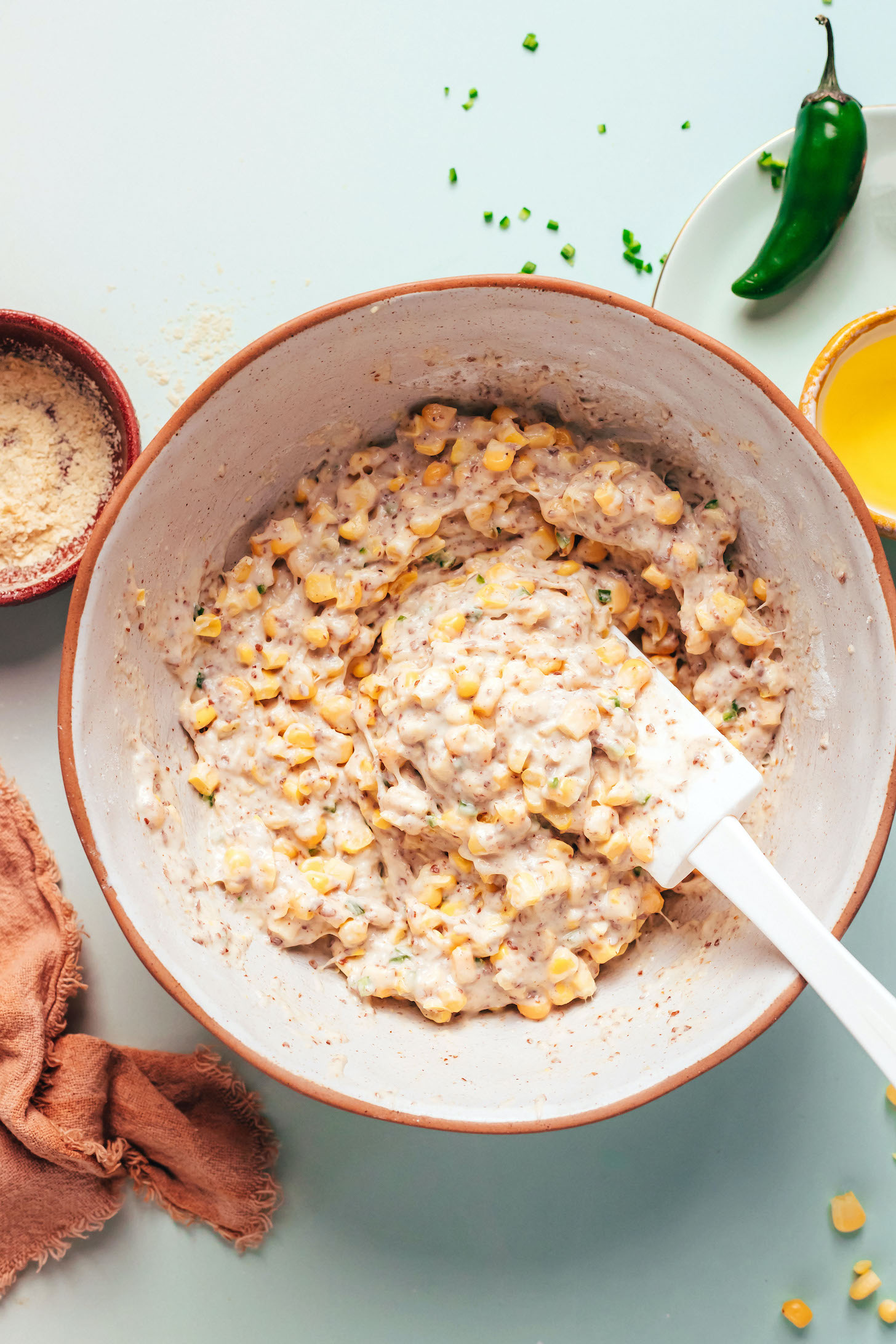
- Integration (10–15 minutes): The wet ingredients, including the plant-based milk and the hydrated flax mixture, are incorporated into the dry base. The objective is to achieve a batter consistency that is thick enough to hold the weight of the corn kernels and diced jalapeños, which are folded in during the final stage of mixing.
- Thermal Processing (15–30 minutes): The cooking phase utilizes a shallow-frying technique. Unlike deep-frying, which requires a high volume of oil and specific temperature management to avoid saturation, shallow-frying in a heavy-bottomed pan—such as a cast-iron skillet—allows for controlled heat transfer. The fritters are typically cooked for two to three minutes per side until a golden-brown crust is achieved, signifying the Maillard reaction, which is essential for the development of savory flavor profiles.
Nutritional Analysis and Ingredient Composition
From a nutritional perspective, these fritters offer a distinct profile compared to their traditional counterparts. A single serving contains approximately 103 calories, with a macronutrient distribution that includes 16.2 grams of carbohydrates, 2.4 grams of protein, and 3.8 grams of fat.

The use of nutritional yeast as a flavor component is particularly noteworthy. Beyond its nutty, savory profile, which mimics cheese-like qualities, nutritional yeast is often fortified with B-vitamins, including B12, making it a functional ingredient for individuals following a strictly vegan diet. Furthermore, the inclusion of jalapeño peppers provides more than just heat; it introduces capsaicin, a compound associated with various health benefits, including metabolism stimulation and anti-inflammatory properties.
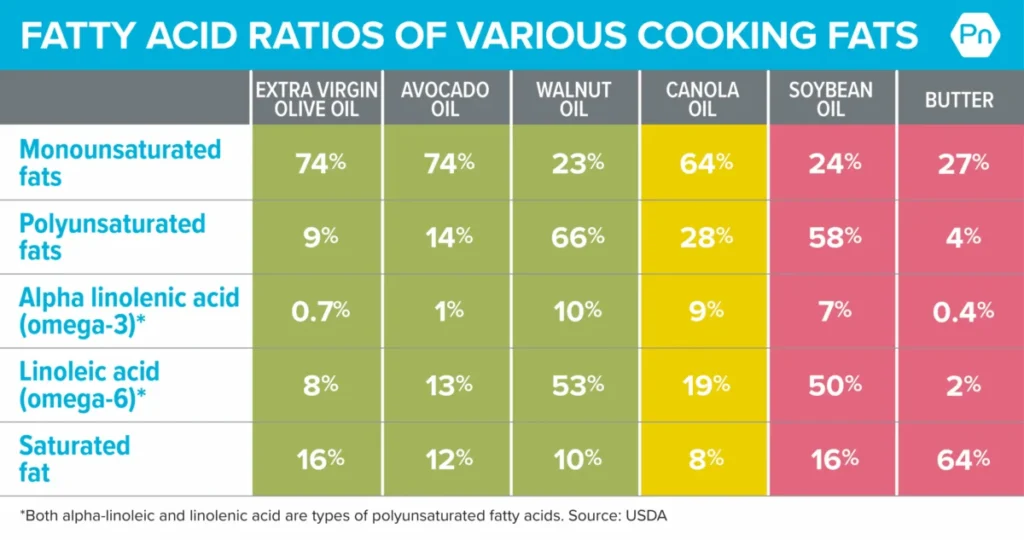
The choice of oil for the frying process is a critical consideration in the dish’s overall nutritional impact. Avocado oil, commonly suggested for this recipe, is characterized by its high smoke point and high monounsaturated fat content, which is more stable under high-heat conditions than many other vegetable oils, thereby reducing the formation of harmful oxidation products during the frying process.
Economic and Logistical Implications
The accessibility of this recipe is highlighted by its low ingredient count. By utilizing only 10 fundamental components, the recipe minimizes the financial burden on the cook and reduces food waste. This "minimalist" approach to recipe development has been a catalyst for increased interest in plant-based diets, as it dispels the myth that vegan cooking is inherently complex or requires expensive, niche ingredients.
Furthermore, the recipe’s adaptability to seasonal availability is a significant feature. While fresh, peak-summer corn is considered the ideal, the formulation is chemically stable enough to accommodate frozen or canned corn. This versatility ensures that the dish remains a viable option throughout the year, independent of regional growing seasons. The reliance on standard kitchen tools—a mixing bowl, a spatula, and a skillet—further reinforces its status as an "entry-level" recipe for those new to plant-based culinary techniques.
Broader Impact on Consumer Behavior
Market data indicates that consumers are increasingly prioritizing "quick and easy" preparation methods. The fact that these fritters can be brought to the table within 30 minutes aligns with current consumer trends favoring convenience without sacrificing nutritional value. As public health initiatives continue to promote plant-forward eating patterns to address environmental and health concerns, recipes that successfully bridge the gap between "comfort food" and "plant-based" are likely to remain central to the culinary discourse.
Industry analysts suggest that the success of such recipes lies in their ability to provide a familiar sensory experience. By retaining the crispy exterior and tender interior characteristic of traditional corn fritters, the plant-based version avoids the common pitfall of alienating consumers who are accustomed to conventional textures. The integration of dipping sauces, such as cashew-based jalapeño cream or vegan ranch, allows for further customization, providing a platform for home cooks to experiment with flavors while adhering to the core dietary constraints of the dish.

Conclusion
The rise of the Easy Jalapeño Corn Fritter is a testament to the ongoing evolution of home cooking. By synthesizing traditional techniques with modern plant-based substitutes, this recipe provides a scalable model for inclusive, efficient, and palatable dining. As the culinary community continues to explore the boundaries of what is possible with staple ingredients, the success of such simple, effective, and nutritionally sound recipes underscores a broader shift in how society approaches food consumption. Whether served as a summer appetizer or a year-round side dish, the accessibility and adaptability of these fritters ensure their continued relevance in the contemporary kitchen.