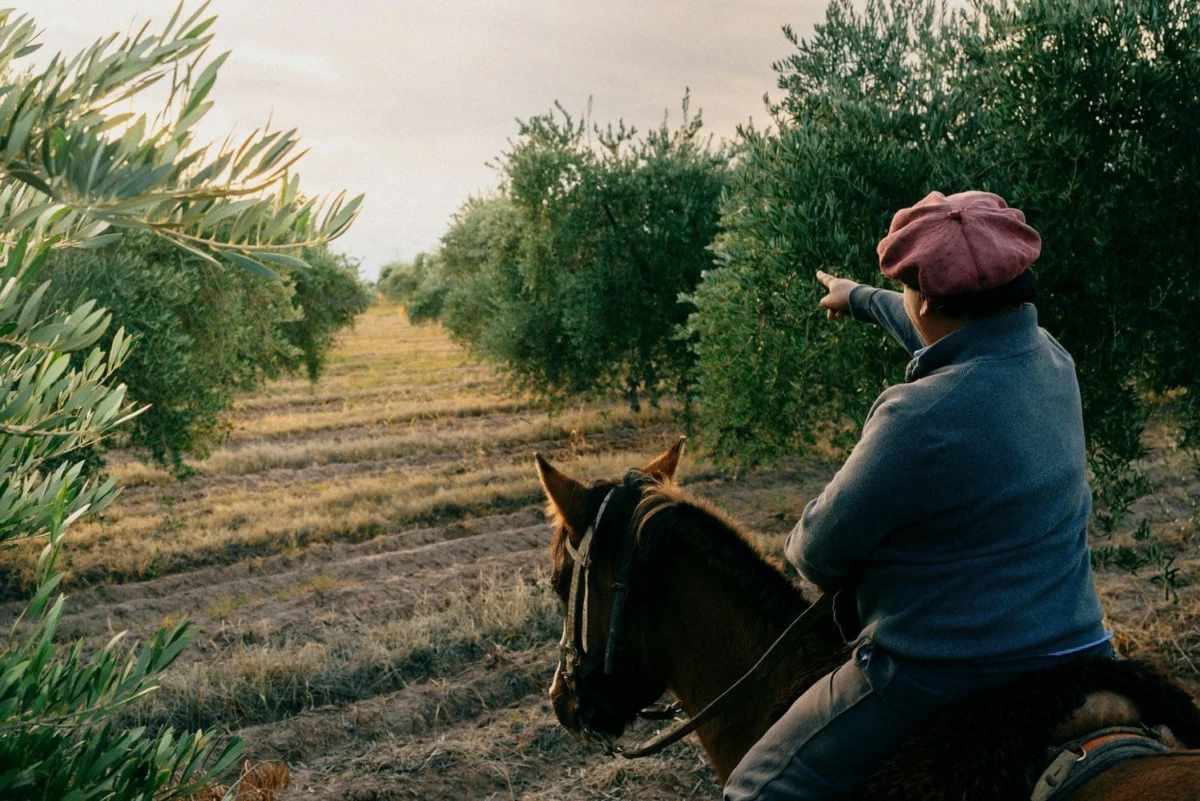

Olive oil, a cornerstone of contemporary American culinary practices, often remains shrouded in a veil of assumed familiarity. Despite its ubiquitous presence, a significant gap in understanding persists regarding its quality, freshness, and the nuances that distinguish one bottle from another. This ongoing exploration delves into the complexities behind the labels of olive oils found on grocery store shelves, aiming to equip consumers with the knowledge to make informed choices beyond mere aesthetic appeal. The initiative acknowledges that in the past, many, including the author, have selected primary ingredients based on superficial factors, a practice this series seeks to rectify through comprehensive insight.
Extra Virgin Olive Oil vs. Standard Olive Oil: A Crucial Distinction
For the discerning home chef, the choice between Extra Virgin Olive Oil (EVOO) and other designations of olive oil is almost invariably in favor of EVOO. This preference is rooted in its superior quality, a direct result of its production method. EVOO is meticulously crafted through the cold-pressing of freshly harvested olives. This process is devoid of heat and chemical intervention, ensuring that the inherent flavors and vital nutritional compounds of the olives are preserved. It is precisely these preserved qualities that elevate EVOO to its esteemed status.
The distinct flavor profile of EVOO is a complex tapestry woven from various threads: the specific olive varietals cultivated, the unique terroir of the growing region, and the precise stage of ripeness at which the olives are picked. This intricate interplay of factors results in a spectrum of tastes, from robust and peppery to delicate and fruity.
In stark contrast, standard or "regular" olive oil undergoes a refining process. This industrial treatment strips away a significant portion of the oil’s natural flavor and nutritional value. While refined olive oil boasts a higher smoke point, making it seemingly suitable for high-temperature cooking like frying and sautéing, its diminished nutritional and flavor contributions often render it a less ideal choice for these applications. For those seeking an oil that delivers both health benefits and a distinctive taste, EVOO stands as the preeminent option, effectively concluding the search for a superior cooking fat.
The Art and Science of Olive Oil Flavor
The journey to discover the world’s finest olive oil, tailored to an individual’s palate, is an expedition that requires patience and extensive tasting. The most effective method for identifying preferred flavors is through direct experience. As a starting point, it is beneficial to familiarize oneself with the characteristic flavor notes emanating from each significant olive oil-producing region. This series aims to illuminate these distinctive flavors, highlight regional specialties, and explore the rich traditions that define the olive oils from the globe’s leading producers.
Navigating the Diverse Landscape of Olive Oil Growing Regions
In North America, consumers are generally familiar with a handful of prominent olive oil brands, with Italian olive oil, in particular, enjoying substantial market penetration, largely due to effective branding by distributors. However, the notion of "Italian olive oil" represents merely a fraction of the vast Extra Virgin Olive Oil landscape and lacks the specificity required for true understanding.
It is a revelation for many to learn that Italy alone boasts 18 distinct olive-growing regions, each contributing its unique character to the olive oil produced. Conversations with industry professionals consistently underscore the granular nature of olive oil characteristics and their direct correlation to geographical origin. To facilitate a digestible and focused exploration, each installment of this series will concentrate on a single country of origin. This approach is practical, as most olive oil bottles sold in the US clearly indicate their production country. By engaging with experts from leading olive-producing nations, this series seeks to unravel the specific attributes that differentiate their olive oils on the global stage.
The Global Tapestry of Olive Oil Production
While Italy and Spain are globally recognized as titans of olive oil production, the Mediterranean basin boasts a rich history of olive cultivation that extends to Greece, Portugal, and North Africa. Beyond this traditional heartland, countries such as Turkey, Syria, and Lebanon also possess ancient olive-growing traditions. In recent decades, a notable expansion of olive cultivation has occurred in regions previously not associated with olive oil production. Australia, California in the United States, Chile, and Argentina have emerged as significant players, leveraging diverse climates and innovative agricultural techniques to produce high-quality olive oils.
The International Olive Council (IOC), the leading intergovernmental organization in the sector, recognizes 24 countries as producers of olive oil. This broad geographical distribution contributes to the remarkable diversity of olive oil available worldwide. Factors such as climate, soil composition, rainfall patterns, and the specific varietals of olives grown all play a critical role in shaping the final product. For instance, the high altitudes and cooler climates of some regions may yield oils with brighter, more herbaceous notes, while the warmer, sun-drenched plains can produce oils with richer, fruitier profiles.
The historical significance of olive oil cannot be overstated. Its cultivation dates back thousands of years, with evidence suggesting its use in ancient Greece, Crete, and Egypt. It was a staple commodity in the diets and economies of ancient civilizations, used not only for food but also for medicinal purposes, religious rituals, and as a fuel source for lamps. This deep historical connection imbues olive oil with a cultural significance that transcends its culinary applications.
Quality Standards and Certifications: Navigating the Market
The designation "Extra Virgin Olive Oil" is governed by strict international standards. The IOC sets these standards, which include chemical parameters and sensory evaluations. For an oil to be classified as EVOO, it must meet stringent criteria for acidity, peroxide value, and UV absorption, among other chemical markers. Furthermore, it must undergo a sensory analysis by a trained panel to ensure it is free from defects and possesses a distinct fruity aroma and flavor.
Despite these established standards, the market is not without its challenges. Reports and studies have, at various times, highlighted instances of adulteration, where lower-quality oils or even non-olive oils have been blended with or misrepresented as EVOO. This has led to increased consumer vigilance and a growing demand for transparency and traceability in the supply chain.
In response to these concerns, several voluntary certification programs have emerged. For example, the Protected Designation of Origin (PDO) and Protected Geographical Indication (PGI) labels in the European Union guarantee that a product originates from a specific geographical area and that its quality or characteristics are essentially attributable to that geographical environment. In the United States, organizations like the California Olive Oil Council (COOC) offer seals of certification for oils produced from 100% California-grown olives that meet rigorous quality standards. These certifications provide consumers with an additional layer of assurance regarding the authenticity and quality of the olive oil they purchase.
The Economic and Environmental Impact of Olive Oil Production
Olive oil production is a significant economic driver for many countries, particularly within the Mediterranean region. It supports millions of livelihoods, from olive grove farmers and harvesters to mill operators and distributors. The industry faces various economic challenges, including price volatility influenced by global supply and demand, climate change impacts on harvests, and competition from other edible oils.
Environmental considerations are also paramount in olive oil production. Sustainable farming practices are increasingly being adopted to minimize the environmental footprint. This includes water conservation techniques, integrated pest management to reduce pesticide use, and the responsible management of by-products from the milling process, such as olive pomace, which can be used for animal feed, biofuel, or compost. The health benefits associated with olive oil, particularly its high content of monounsaturated fatty acids and antioxidants, have also contributed to its growing popularity worldwide, further driving demand and economic activity.
Consumer Education: Empowering Informed Choices
The initiative to educate consumers about olive oil is not merely an academic exercise; it has tangible implications for consumer health and the agricultural economies that depend on this ancient product. By demystifying the complexities of olive oil, from its varietal origins to its processing methods, consumers can make choices that align with their dietary goals and support responsible agricultural practices.
The ongoing series of articles aims to foster a deeper appreciation for the art and science of olive oil production. By exploring the unique characteristics of oils from different regions, examining the impact of varietals, and understanding the significance of production methods, consumers can move beyond generic purchasing decisions. This enhanced understanding can lead to a more vibrant and discerning market, where quality and authenticity are recognized and rewarded, ultimately benefiting both producers and consumers. The evolution of consumer knowledge is a powerful force, capable of shaping agricultural practices and promoting a more sustainable and health-conscious food system.