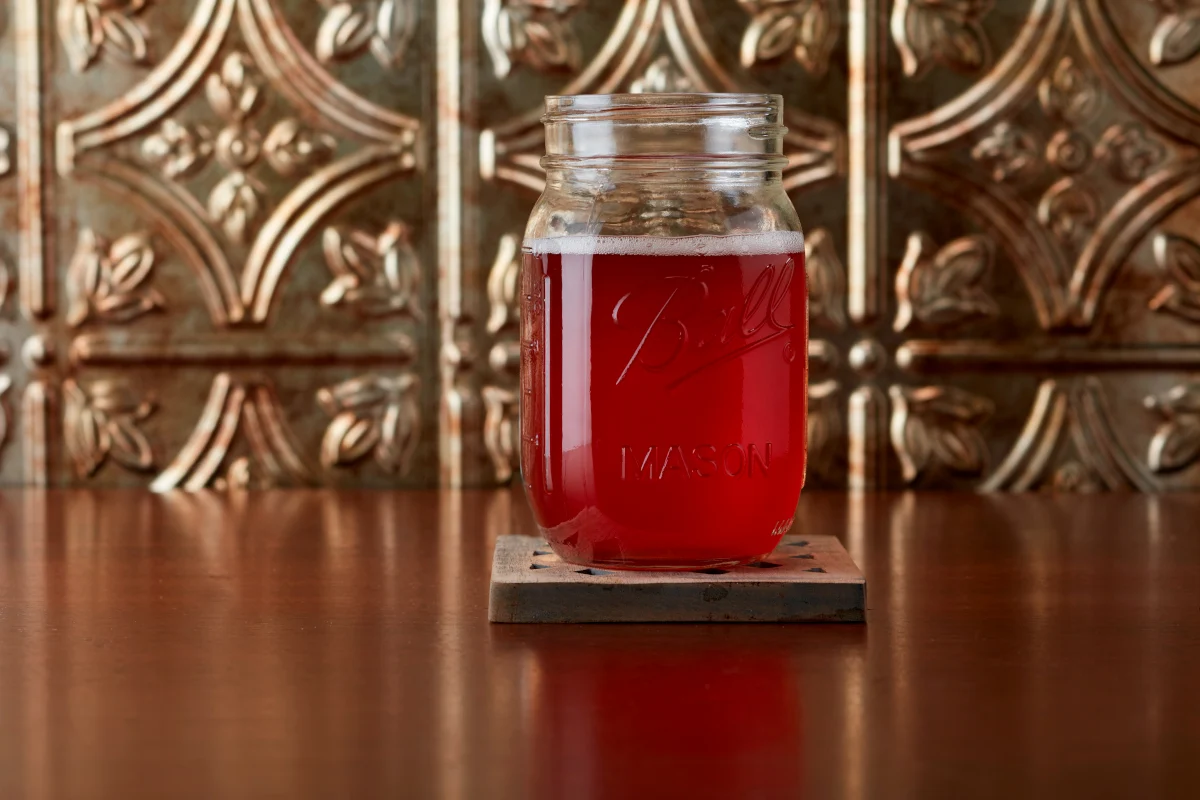

The intersection of traditional mead-making and contemporary culinary experimentation has reached a fascinating new milestone with the release of an official recipe for Learn to Homebrew Day 2026. Developed in collaboration with Grainfather and Charlie Biolo, the visionary founder of Golden Hive Mead, this distinctive beverage reinterprets the classic bochet—a traditional honey wine made from caramelized or burnt honey—by substituting water with a carbonated soft drink. Specifically, the recipe utilizes flattened Coca-Cola, blending the beverage’s inherent notes of caramel, cinnamon, vanilla, and citrus with the deep, rich flavors of caramelized honey.
This announcement highlights a broader trend within the global homebrewing community: the increasing willingness of hobbyists and professionals alike to push boundaries, experiment with non-traditional fermentables, and bridge the gap between ancient brewing methods and modern consumer palates. As the American Homebrewer’s Association (AHA) continues to promote community education and engagement through its flagship annual events, creations like the Coca-Cola bochet demonstrate how far craft beverage innovation has evolved.
Background and Context of Learn to Homebrew Day
Established in 1999 by the American Homebrewers Association, Learn to Homebrew Day was created to foster enthusiasm for the craft, educate the public on the fundamentals of fermentation, and bring together novice and experienced brewers alike. Celebrated annually on the first Saturday of November, the event has grown from a grassroots collection of local club meetups into an international celebration spanning multiple continents.
Over the past two decades, the initiative has introduced millions of individuals to the science and art of making beer, cider, mead, and wine at home. In recent years, organizers have partnered with industry leaders such as Grainfather—known for their precision brewing systems and smart technology integration—to elevate the event’s profile and provide participants with access to professional-grade recipes, equipment guides, and expert tutorials.
The inclusion of Charlie Biolo and Golden Hive Mead for the 2026 official recipe lineup marks a deliberate pivot toward diversifying the types of fermented beverages showcased during the event. While beer has historically dominated homebrewing events, the resurgence of mead, cider, and kombucha reflects shifting consumer preferences toward gluten-free options, unique flavor profiles, and artisanal craftsmanship.
Anatomy of an Unconventional Bochet
To understand the complexity of the Coca-Cola bochet, one must first examine the foundational mechanics of a traditional bochet. Originating in medieval France, a bochet involves caramelizing honey prior to fermentation. This process breaks down complex sugars and creates complex flavor compounds, often imparting deep notes of toasted marshmallow, toffee, dark chocolate, and dark fruit.
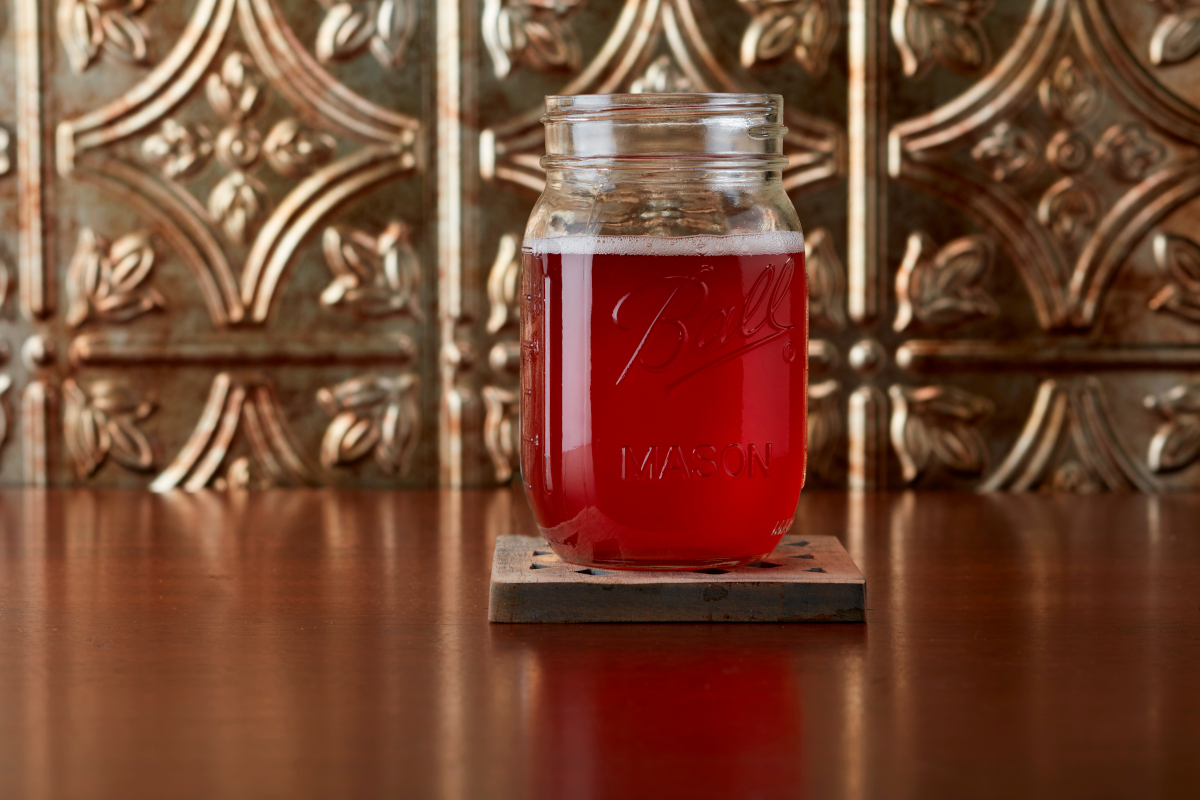
Biolo’s modern adaptation introduces several critical process variables that challenge standard mead-making protocols:
- The Liquid Base Substitution: By replacing traditional brewing water with flattened Coca-Cola, the recipe immediately incorporates a complex matrix of acids, carbonation derivatives, and specific flavor adjuncts. The cola must be completely decarbonated prior to fermentation to prevent excessive foaming and pressure buildup, and to ensure accurate gravity readings.
- Controlled Honey Caramelization: The recipe requires careful monitoring of the honey during the heating phase. Biolo advises pulling the honey from the heat source before it outwardly appears finished, noting that residual heat will continue the caramelization process. Failing to account for this carryover heat can result in an overly bitter or acrid profile that overwhelms the delicate balance of the mead.
- Post-Fermentation Stabilization and Aging: Given the residual sugars and complex adjuncts introduced by both the honey and the soda, stabilization is a mandatory step prior to backsweetening. The beverage is then aged on oak and a curated selection of spices, with weekly sensory evaluations required to monitor wood extraction and spice integration. The final product yields a complex, tangy mead highlighted by pronounced undertones of vanilla, cinnamon, and bright lime.
Industry Reactions and Craft Fermentation Trends
The release of the recipe has generated considerable discussion across brewing forums, social media channels, and local guild meetings. Professional mead makers and advanced homebrewers have praised the recipe for its creative audacity, noting that experimenting with commercial sodas opens up entirely new avenues for flavor development in low-tannin bases.
Industry analysts point out that the craft beverage sector has increasingly relied on cross-category innovation to capture the attention of younger, adventurous demographics. Flavored malt beverages, hard seltzers, and botanical meads have paved the way for more experimental concoctions. By incorporating household brand-name ingredients into ancient fermentation techniques, creators like Biolo successfully demystify the brewing process, making it more approachable for younger hobbyists who might find traditional historical recipes intimidating or inaccessible.
Furthermore, the partnership with Grainfather underscores the technological advancements driving modern homebrewing. Precision temperature control, digital recipe management, and automated circulation systems allow contemporary brewers to execute complex, multi-stage recipes—such as prolonged oak aging and precise post-fermentation adjustments—with a level of consistency that was difficult to achieve decades ago.
Broader Implications for Homebrewing Education
As Learn to Homebrew Day 2026 approaches, the spotlight on unorthodox recipes like the Coca-Cola bochet signals a philosophical shift in how brewing organizations view education. Rather than focusing exclusively on rigid adherence to style guidelines established by organizations like the Beer Judge Certification Program (BJCP), modern educational initiatives increasingly emphasize sensory literacy, process comprehension, and creative exploration.
By learning how to manage the unique challenges of fermenting complex matrices like soda and caramelized honey, homebrewers develop a deeper understanding of yeast health, nutrient requirements, pH management, and flavor balancing. These technical skills are universally applicable across all branches of fermentation, whether an individual is brewing a traditional imperial stout, a wild-fermented cider, or an experimental culinary mead.
Ultimately, the collaboration between the American Homebrewers Association, Grainfather, and Golden Hive Mead serves as a testament to the dynamic nature of the craft community. As homebrewers continue to experiment with unconventional ingredients and sophisticated techniques, the boundaries between ancient tradition and modern culinary science will continue to blur, ensuring a vibrant and innovative future for home fermentation enthusiasts worldwide.