
This stark revelation underscores the profound and debilitating impact of Irritable Bowel Syndrome (IBS) on individuals’ lives, according to the results of a comprehensive study involving nearly 2,000 people living with the condition. The willingness to sacrifice a significant portion of one’s life highlights a level of suffering comparable to that experienced by patients with far more outwardly severe or life-threatening diseases. This sentiment is further reinforced by other research, where individuals with IBS expressed a readiness to take a medicine carrying a one percent risk of sudden death if it promised an instant cure for their symptoms. These symptoms, often unpredictable and intensely painful, can include urgent bouts of diarrhea, persistent constipation, excessive gas, and severe abdominal pain.
The Unseen Burden: Living with IBS
The daily reality for many IBS sufferers is one dominated by fear and logistical planning. Some describe their abdominal pain flare-ups as more excruciating than childbirth, capable of siphoning concentration, interrupting crucial sleep, and decimating work productivity. This constant threat dictates their lives, leading many to meticulously plan their routines around the availability of private, clean bathrooms. The pervasive fear of a sudden, uncontrollable flare-up often compels them to avoid social gatherings, dining out, and even exercising in public, leading to significant social isolation.
This profound and pervasive worry has been formally recognized as gastrointestinal-specific anxiety. It is a unique form of anxiety directly linked to digestive symptoms and their potential consequences. This anxiety significantly impacts social relationships, mental health, and overall well-being. It is a primary reason why people with IBS frequently report a lower quality of life than those battling other chronic conditions, including heart disease, diabetes, and even end-stage kidney disease. The economic toll is also substantial, with IBS accounting for significant healthcare expenditures, lost productivity, and a diminished workforce. Estimates suggest that IBS can impose an annual cost of billions of dollars globally due to direct medical expenses and indirect costs like absenteeism.
Understanding IBS: A Shifting Medical Paradigm
Irritable Bowel Syndrome, sometimes colloquially referred to as "spastic colon," is recognized as the most commonly diagnosed digestive disorder worldwide, affecting approximately 10-15% of the global adult population, though prevalence can vary by region and diagnostic criteria. Unlike inflammatory bowel diseases (IBD) such as Crohn’s disease or ulcerative colitis, IBS does not involve visible inflammation or structural damage to the gut. When medical professionals perform diagnostic imaging or colonoscopies, they typically find no infections, inflammation, damage to the bowel wall, or other physical evidence of disease.
Historically, this lack of observable pathology led many healthcare professionals to erroneously assume that IBS was purely psychological in origin, often dismissing patients’ very real suffering. However, medical understanding has significantly evolved. Experts now firmly view IBS as a functional neuro-gastrointestinal disorder. This contemporary understanding posits that the core issue lies in the dysregulation of communication between the gut and the brain, often referred to as the gut-brain axis. This disrupted signaling can cause the brain to misinterpret normal digestive processes as painful, deliver unnecessary pain signals, and interfere with typical bowel function, leading to the characteristic symptoms.
Researchers continue to investigate the precise mechanisms underlying this gut-brain dysfunction. Current hypotheses include:

- Hypersensitive Nerves: The nerve endings within the gastrointestinal tract may be overly sensitive in people with IBS. This heightened sensitivity means that normal digestive processes, such as the movement of tiny gas bubbles, which would go unnoticed by someone without the disorder, are perceived as intensely uncomfortable or painful by an IBS patient.
- Overreactive or Underreactive GI Muscles: The muscles lining the GI tract might contract with abnormal force or rhythm. Overreactive contractions can lead to rapid transit, causing gas, bloating, and diarrhea. Conversely, underreactive contractions slow the passage of food, resulting in constipation.
- Gut Microbiome Disturbances: Another compelling theory points to imbalances in the gut microbiome – the vast community of bacteria, viruses, and fungi residing in the digestive tract. This can explain why some individuals develop IBS symptoms following a severe gastrointestinal infection, such as Norovirus or bacterial gastroenteritis, leading to a condition known as post-infectious IBS.
Navigating the Diagnostic Journey
Given the significant overlap of IBS symptoms with other serious gastrointestinal diseases and health conditions, it is crucial for individuals suspecting IBS to seek a definitive diagnosis from a credentialed health professional. Conditions such as infections, inflammatory bowel diseases, celiac disease, certain cancers, and food allergies can present with similar symptoms and require specific medical interventions, including medication, surgery, or medically supervised lifestyle changes.
It is particularly important to consult a medical professional if any of the following "red flag" symptoms are present: unintentional weight loss, rectal bleeding, iron deficiency anemia, fever, persistent vomiting, or symptoms that worsen significantly at night. These indicators could suggest a more serious underlying condition requiring urgent medical attention.
During the diagnostic process, a healthcare professional will conduct a thorough medical history, physical examination, and potentially order tests to rule out other conditions. They will also ask detailed questions about the nature, frequency, and severity of symptoms to determine the specific IBS "type," which guides treatment recommendations:
- IBS with predominant constipation (IBS-C): Characterized primarily by infrequent bowel movements and hard stools.
- IBS with predominant diarrhea (IBS-D): Defined by frequent loose or watery stools.
- IBS with mixed bowel habits (IBS-M): Involves alternating periods of constipation and diarrhea.
- IBS unclassified (IBS-U): For those whose symptoms don’t clearly fit into the other categories.
A healthcare provider might recommend a short course of antibiotics or antidiarrheal medicine for IBS-D. For IBS-C, treatment might involve a fiber supplement, non-habit-forming laxatives, or other medications designed to reduce pain perception and regulate bowel movements.
Preparing for a Medical Appointment: A Practical Checklist
To maximize the effectiveness of a medical consultation, individuals can proactively prepare. Healthcare professionals will likely inquire about symptom history, dietary habits, stress levels, and medications. Considering responses to these questions beforehand can streamline the diagnostic process.
A crucial, though often unappealing, step is to keep a "poo diary" for a couple of weeks prior to the appointment. This diary should track the frequency of bowel movements, associated symptoms, and importantly, the quality of stool using the Bristol Stool Chart. This visual guide categorizes stool consistency from Type 1 (hard, separate lumps) to Type 7 (entirely liquid). Detailed information from such a diary provides invaluable insights, helping healthcare professionals accurately assess for IBS and identify its specific type.
Holistic Management Strategies for IBS: 5 Evidence-Based Approaches

Recent years have seen advancements in IBS treatment, including the approval of new prescription medicines and medical devices designed to modulate nerve activity. Concurrently, a wealth of research has explored the interplay between IBS and various lifestyle habits, yielding promising findings for symptom reduction and improved quality of life. Here are five evidence-based strategies:
-
Embrace Regular Exercise: Individuals with IBS who engage in regular physical activity consistently report fewer symptoms and flare-ups compared to their sedentary counterparts. A study demonstrated that people with IBS who walked moderately for an hour three times a week experienced significant relief from bloating and abdominal pain within 12 weeks. While the exact mechanisms are still under investigation, exercise is believed to reduce stress and improve mental health, thereby positively influencing the gut-brain axis. Furthermore, physical activity may promote a healthier gut microbiome, leading to more efficient food breakdown and reduced inflammation.
-
Prioritize Stress Management: Stress, anxiety, and depression are known activators of stress hormones like norepinephrine (noradrenaline) and cortisol. These hormones can intensify GI pain signals, alter gut motility, and increase gut permeability, exacerbating IBS symptoms. Recognizing that stress is not an "on/off" switch, effective management involves focusing on controllable aspects rather than trying to eliminate stressors entirely. Techniques such as self-compassion, mindfulness, yoga, deep breathing exercises, and gentle walking can help regulate the nervous system, leading to greater calm and resilience. As Precision Nutrition-certified coach Sarah Maughan emphasizes, clients often feel calmer and more capable when they concentrate on what they can control (e.g., mindset, effort) rather than external factors beyond their influence.
-
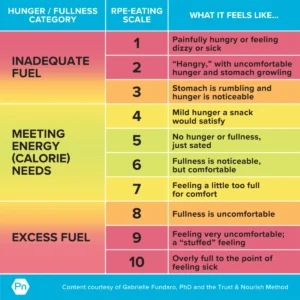
Cultivate a Slower Eating Pace: The practice of slow, mindful eating offers multiple benefits for IBS sufferers. Beyond aiding in calorie regulation, it significantly helps reduce or eliminate common GI complaints such as acid reflux, bloating, and pain. Slower eating naturally encourages more thorough chewing, which mechanically breaks down food and allows salivary digestive enzymes to begin the digestion process more effectively. This reduces the workload on the stomach and intestines. Moreover, eating in a relaxed environment minimizes the release of stress hormones, preventing them from intensifying GI pain signals. This strategy is particularly vital for individuals in high-stress environments, such as young parents, who often find it challenging to eat peacefully.
-
Troubleshoot Sleep Problems: Research consistently shows that people with IBS experience more fragmented, shallow, and less restorative sleep. Despite often sleeping for more hours overall, many report feeling less rested. This poor sleep quality can trigger a vicious cycle: insufficient restful sleep elevates stress hormone levels, which, in turn, can exacerbate gut pain. Fatigue also tends to increase daytime hunger and cravings for fatty or sugary foods – precisely the types of foods that are more likely to trigger IBS symptoms, often consumed too quickly. Breaking this cycle requires a multifaceted approach. The aforementioned strategies of exercise, stress management, and slower eating can all contribute to improved sleep. Additionally, adopting practices such as consuming a smaller dinner earlier in the evening or establishing a relaxing pre-bedtime routine (e.g., foam rolling, meditation, a warm bath, journaling) can significantly enhance sleep quality.
-
Investigate Your Diet with Precision: While no single "IBS diet" universally applies, experts have identified several food categories that commonly trigger symptoms in susceptible individuals. These include:
- Fermentable Oligosaccharides, Disaccharides, Monosaccharides, and Polyols (FODMAPs): These are short-chain carbohydrates poorly absorbed in the small intestine. In people with IBS, their fermentation by gut bacteria produces excessive gas, stretching the intestinal wall and leading to intense pain, bloating, and altered bowel habits. High-FODMAP foods include certain grains (wheat, rye, barley), vegetables (onions, garlic, mushrooms, cauliflower), fruits (apples, pears, mangoes), legumes, dairy, honey, and some processed meats.
- Caffeinated Beverages and Foods: Especially coffee, which can stimulate stomach acid production, increase colon muscle contractions, and irritate the intestinal lining, triggering stress hormones.
- Alcohol and Spicy Foods: Both are known irritants to the gut lining, potentially exacerbating symptoms.
- High Fructose Corn Syrup and Sugar Alcohols: Sweeteners like sorbitol and mannitol are linked to gas, bloating, and diarrhea in sensitive individuals.
- Fatty, Greasy Foods: These can slow digestion, attract water into the intestines, and contribute to loose stools, bloating, and gas.
It’s crucial to understand that individual sensitivities vary greatly. As Sarah Maughan points out, "Everyone can have different triggers. That’s why it’s so important to figure out what makes your body feel good and what doesn’t." An elimination diet, carefully conducted, can be an invaluable tool for identifying specific problematic foods and determining individual tolerance levels.
The Role of Health Coaching in IBS Management
Health coaches play a vital supportive role in helping individuals with IBS navigate their condition, particularly concerning lifestyle and dietary adjustments. While coaches cannot diagnose or prescribe, they can empower clients to implement physician-recommended strategies and explore sustainable habits. Sarah Maughan, certified through Monash University (a global leader in IBS research), underscores that coaching clients with IBS is akin to coaching any other client with nutritional goals, albeit with specific caveats.

Scope of Practice for Health Coaches:
- DO: Encourage clients with digestive issues to seek a definitive diagnosis from a healthcare professional. Share evidence-based information on lifestyle changes and elimination diets, helping clients conduct personal experiments to understand their body’s responses. Offer to collaborate with a client’s medical team, supporting adherence to their recommendations. Provide optional recipes and tools. Advocate for a multidisciplinary approach, ensuring clients know they have choices regarding their health journey.
- DON’T: Diagnose IBS or any medical condition. Prescribe rigid, restrictive diets as a cure. Contradict medical professionals or claim to have all the answers. Create prescriptive "anti-IBS" meal plans. Use manipulative tactics to enforce advice.
Elimination Diets for IBS: How and When to Try Them
Elimination diets involve temporarily removing specific foods from the diet, typically for a period of three weeks, followed by a systematic reintroduction phase to identify triggers. They function as a scientific experiment, providing objective data on food sensitivities.
- Elimination Diet "Lite": Ideal for individuals who already suspect certain foods trigger their symptoms. This involves eliminating up to four suspected foods for several weeks, then reintroducing them one at a time to observe reactions.
- Elimination Diet "Medium" (Precision Nutrition Approach): Suitable for those less certain about food triggers but not ready for highly restrictive plans. This approach, developed by Precision Nutrition, removes common problematic foods while maintaining a balanced intake of vegetables, fruits, starches, legumes, nuts, seeds, and lean proteins. Resources like Precision Nutrition’s "Ultimate Guide to Elimination Diets" offer comprehensive support, including charts, recipes, and meal ideas.
- The FODMAP Diet: A highly specialized form of medical nutrition therapy developed by Monash University. This diet involves strict elimination of high-FODMAP foods, followed by structured reintroduction phases for each FODMAP category. Given its complexity and the non-intuitive nature of FODMAP food lists, it is strongly recommended that individuals pursuing a low-FODMAP diet do so under the guidance of a FODMAP-certified practitioner or by utilizing resources like the Monash University FODMAP Diet app.
The Enduring Power of Health Coaching
While knowledge is foundational, it doesn’t automatically translate into action. Understanding that dairy exacerbates symptoms is different from consistently avoiding it. Similarly, knowing that an early, light dinner improves sleep doesn’t guarantee its regular implementation. This is where a certified health coach provides invaluable support.
Coaches help bridge the gap between knowing and doing, empowering clients to make sustainable changes. Sarah Maughan notes that many clients already have an idea of their trigger foods but are hesitant to confirm them due to fear of increased dietary restrictions. Her approach reassures clients: "Even if you do an elimination diet and you learn your favorite food is contributing to your IBS, you don’t have to do anything with that information." The power lies in choice; clients can choose to enjoy their favorite foods when symptoms are less critical, and strategically avoid them when symptom-free living is paramount. With knowledge, and the support to act on it, individuals gain agency over their condition, moving from a life dictated by IBS to one of informed choices and improved well-being.
The willingness of IBS sufferers to make such extreme sacrifices for a cure serves as a powerful call to action for the medical community, researchers, and society at large. It underscores the urgent need for continued research into the underlying causes of IBS, the development of more effective and accessible treatments, and a greater understanding and empathy for those living with this often invisible, yet profoundly debilitating, condition. By integrating medical care with holistic lifestyle interventions and dedicated coaching, the goal is to empower individuals to reclaim their lives and alleviate the profound burden of IBS.