
The modern dietary landscape has become increasingly polarized, with "seed oils"—a term encompassing vegetable-derived cooking oils like soybean, corn, canola, and sunflower—at the center of a heated debate. While these oils have been staples of the Western diet for decades, recent trends, fueled by social media platforms like TikTok and the rise of the carnivore diet, have labeled them as "toxic sludge" or "the biggest cause of chronic disease." This skepticism stands in stark contrast to decades of conventional medical advice that promoted these oils as heart-healthy alternatives to animal fats. To understand the validity of these claims, it is necessary to examine the history, processing methods, and nutritional science behind the oils that occupy the central aisles of our grocery stores.
A Brief History of Vegetable Oils
The widespread adoption of seed oils is a relatively recent phenomenon in human history. Prior to the 20th century, human diets primarily relied on animal fats such as lard, tallow, and butter, alongside traditional plant-based fats like olive and coconut oil. The industrial revolution, however, introduced the mechanical ability to extract oils from seeds that were previously considered waste products or were too difficult to process using traditional cold-pressing methods.
By the mid-20th century, vegetable oils were marketed aggressively as heart-healthy alternatives to saturated animal fats. This shift was largely driven by epidemiological studies that linked high saturated fat intake to elevated cholesterol and heart disease. During the 1980s and 90s, the health community encouraged a move toward polyunsaturated fatty acids (PUFAs), which were found in abundance in soybean and corn oils. However, as public health outcomes failed to improve significantly—with rates of obesity and metabolic syndrome continuing to climb—critics began to question whether the transition from traditional fats to highly processed seed oils was a contributing factor.
The Processing Conundrum
A key argument leveled against seed oils is the intensity of their industrial extraction. Unlike extra virgin olive oil, which can be produced by simply crushing olives, seeds such as canola, soybean, and corn contain very little oil by volume. To extract this oil, manufacturers must employ a multi-stage process that includes cleaning, grinding, and heating the seeds, often using chemical solvents like hexane to maximize yield.

Following extraction, the oil undergoes "refining, bleaching, and deodorizing" (RBD) to create a neutral, shelf-stable product. Critics argue that this process strips the oil of its natural antioxidants and can lead to the formation of small amounts of trans fats—a byproduct of high-heat processing that is universally recognized as detrimental to cardiovascular health. While the Food and Drug Administration (FDA) banned the addition of partially hydrogenated oils to processed foods in 2018, the industrial processing of seed oils remains a point of contention for those who advocate for "whole food" nutrition.
Analyzing the Omega-6 and Inflammation Hypothesis
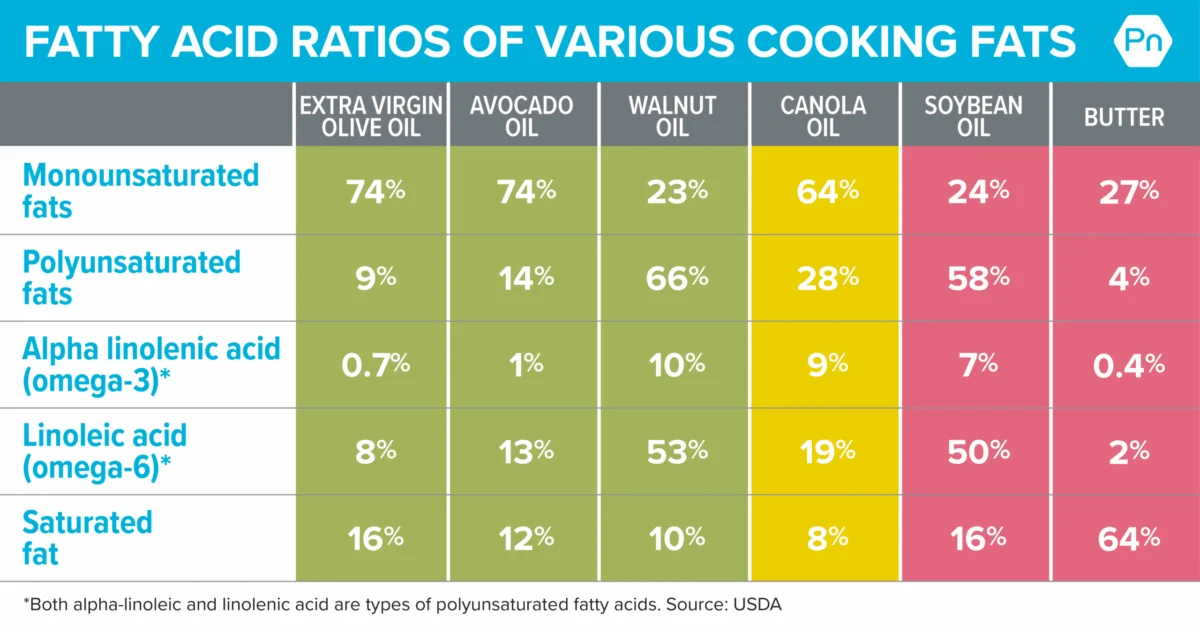
The most significant scientific critique of seed oils involves the ratio of omega-6 to omega-3 fatty acids. Omega-6 fatty acids are essential to the human diet, but modern consumption patterns have led to an imbalance, with the typical Western diet containing 16 to 20 times more omega-6s than omega-3s.
Some researchers theorize that this surplus of omega-6s, particularly when sourced from refined oils, promotes systemic inflammation. Chronic inflammation is a known precursor to a variety of metabolic disorders, including type 2 diabetes and heart disease. However, the medical establishment remains divided. Many nutritional scientists point out that the source of the fatty acids matters immensely. For instance, consuming omega-6s through whole foods like walnuts or sunflower seeds provides a matrix of fiber, vitamins, and minerals that may mitigate inflammatory responses. In contrast, refined oils are "isolated" fats, lacking the protective nutrients found in whole seeds, which may make them more susceptible to oxidation once consumed or stored in the body.
Comparing Fat Profiles: Olive Oil vs. Canola
To navigate the confusion, it is helpful to look at specific oil profiles. Extra virgin olive oil (EVOO) remains the "gold standard" in nutritional science. Rich in monounsaturated fatty acids (MUFAs) and polyphenols, EVOO has been extensively studied for its role in the Mediterranean diet and its consistent association with reduced mortality and improved cardiovascular markers.
Conversely, canola oil—often marketed as a heart-healthy, budget-friendly alternative—has a more complex reputation. Expeller-pressed canola oil, which is processed without harsh chemical solvents, retains a higher level of beneficial compounds compared to its refined counterpart. While it is not inherently "toxic," it lacks the profound health-promoting profile of EVOO. The consensus among nutrition experts is that while canola oil is a neutral, safe fat for most people when used in moderation, it should not be conflated with the nutrient-dense profile of olive or avocado oils.

The Impact of Ultra-Processed Foods
Perhaps the most critical takeaway for consumers is that the controversy surrounding seed oils is often a proxy for a larger problem: the ubiquity of ultra-processed foods (UPFs). Seed oils are the primary fat source in most packaged snacks, dressings, and fried foods.
When researchers study the health outcomes of populations with high seed oil intake, they are often studying populations that consume high amounts of ultra-processed, calorie-dense foods. These products are engineered for hyper-palatability, often contain high levels of sodium and added sugars, and are fundamentally devoid of the fiber and phytonutrients necessary for metabolic health. The correlation between high consumption of these foods and premature death is robust and well-documented across multiple large-scale studies. Whether the harm is caused by the refined oils themselves or the poor nutritional profile of the foods they are found in is a subject of ongoing investigation, but the recommendation to limit intake remains the same.
Practical Guidelines for the Consumer
For those looking to optimize their dietary intake, the following evidence-based guidelines can help navigate the oil aisle:
- Prioritize Whole Foods: The best way to get healthy fats is through the consumption of whole items like olives, avocados, nuts, seeds, and fatty fish. These foods provide fats in a biological matrix that includes protective antioxidants.
- Choose Minimally Processed Oils: When using oils for cooking or dressing, prioritize high-quality, cold-pressed, or expeller-pressed options like extra virgin olive oil or avocado oil. These are generally more stable and nutrient-dense.
- Mind the Processing Level: If a product’s ingredient list features a long string of unrecognizable additives, it is likely highly processed. Reducing reliance on these foods will naturally limit the intake of refined vegetable oils.
- Moderate High-Heat Frying: Regardless of the type of oil used, deep frying contributes to the oxidation of fats. Limiting fried foods is a universally recommended practice for improving long-term metabolic health.
- Use Oils as a Supplement, Not a Foundation: Even healthy oils are calorie-dense. They should be used to enhance the flavor and nutritional profile of a diet rich in vegetables, proteins, and complex carbohydrates, rather than serving as a primary source of caloric intake.
Conclusion
The narrative that all seed oils are "toxic" is likely an oversimplification of complex nutritional science. While there are valid concerns regarding the industrial processing of these oils and their over-representation in the modern, ultra-processed diet, they are not inherently poisons in the context of a balanced diet.
The focus of public health should arguably shift from vilifying specific oils to addressing the broader, systemic issue of ultra-processed food consumption. By prioritizing minimally processed, whole-food sources of fat—such as olive and avocado oils—and reducing reliance on hyper-processed industrial products, consumers can make informed choices that support long-term health without falling prey to alarmist, binary dietary trends. As in many areas of nutrition, the middle ground—moderation, quality, and a focus on whole foods—remains the most scientifically sound path forward.