The Evolution of the Bolognese Tradition
Bolognese sauce, traditionally known as ragù alla bolognese, is a meat-based sauce originating from the city of Bologna, Italy. Historical records date the earliest versions to the late 18th century. Traditionally, the dish relies on a base of soffritto—a finely chopped mixture of onions, celery, and carrots—combined with minced meat, wine, and a small amount of tomato concentrate. The transformation of this classic into a plant-based iteration has been a recurring theme in contemporary gastronomy, as chefs and home cooks alike seek to lower the carbon footprint associated with traditional beef-heavy recipes.
By substituting eggplant for ground meat, the dish addresses both environmental and dietary concerns. Eggplant, or Solanum melongena, is a staple in Mediterranean diets, prized for its ability to absorb complex flavors and its sponge-like texture, which mimics the mouthfeel of slow-cooked protein when sautéed correctly.
Chronology of Development and Method
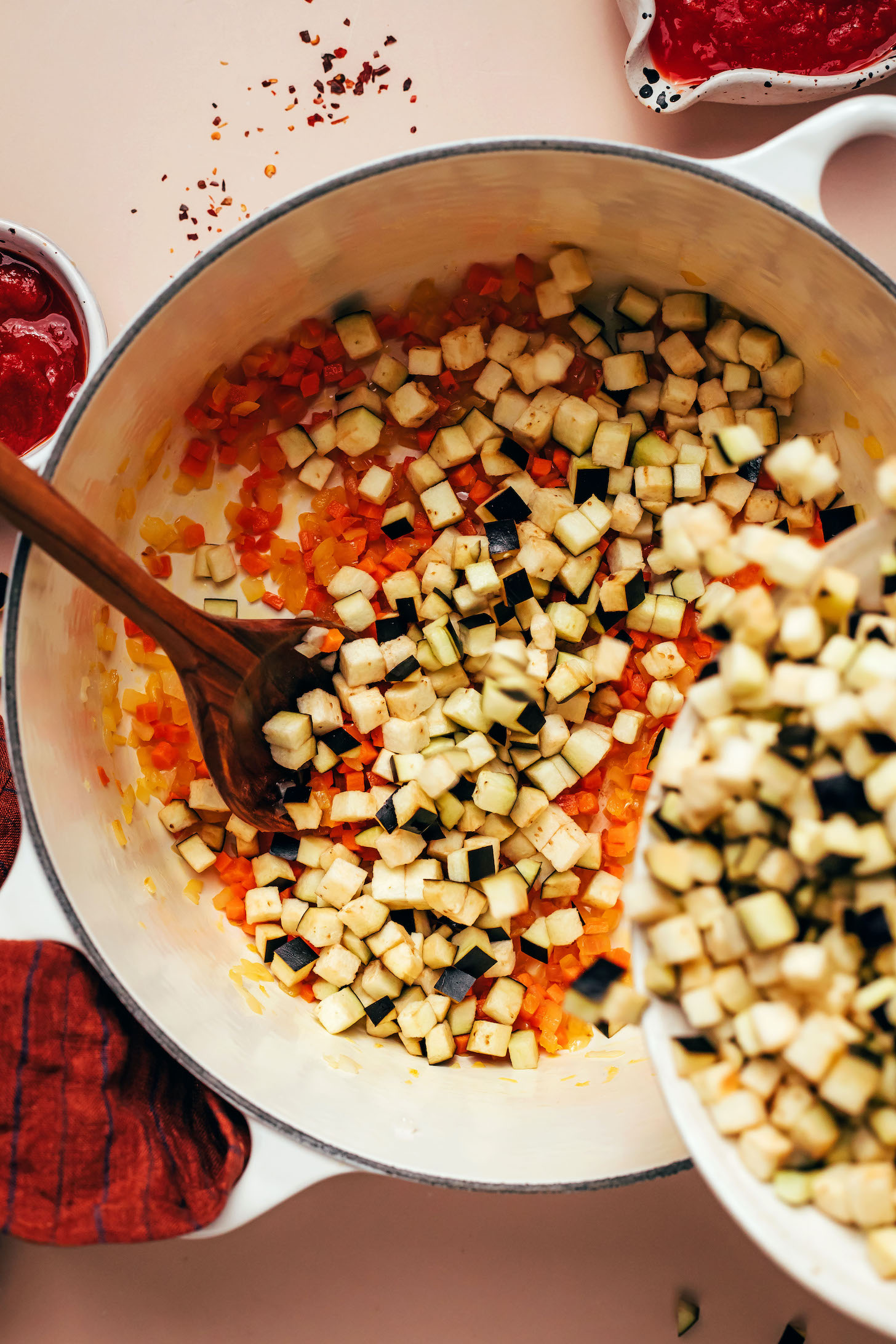
The development of this specific recipe follows a streamlined, single-vessel methodology. The process begins with the preparation of the aromatics. Unlike traditional methods that may require multiple pans for searing meat and reducing sauces, this approach relies on a strategic layering of ingredients in a single Dutch oven or heavy-bottomed pot.

- The Base: The process commences with the sautéing of onions and carrots, which provide the foundational sweetness and texture essential for the soffritto.
- The Protein Substitute: Small-cubed eggplant is introduced to the heat. Through a process of controlled caramelization, the eggplant loses its raw structural integrity, adopting a dense, savory profile that serves as the backbone of the "meat" sauce.
- Deglazing and Aromatics: Garlic and red pepper flakes are introduced, followed by a deglazing step using red wine. This chemical process lifts the browned bits—or fond—from the bottom of the pot, integrating those concentrated flavors back into the mixture.
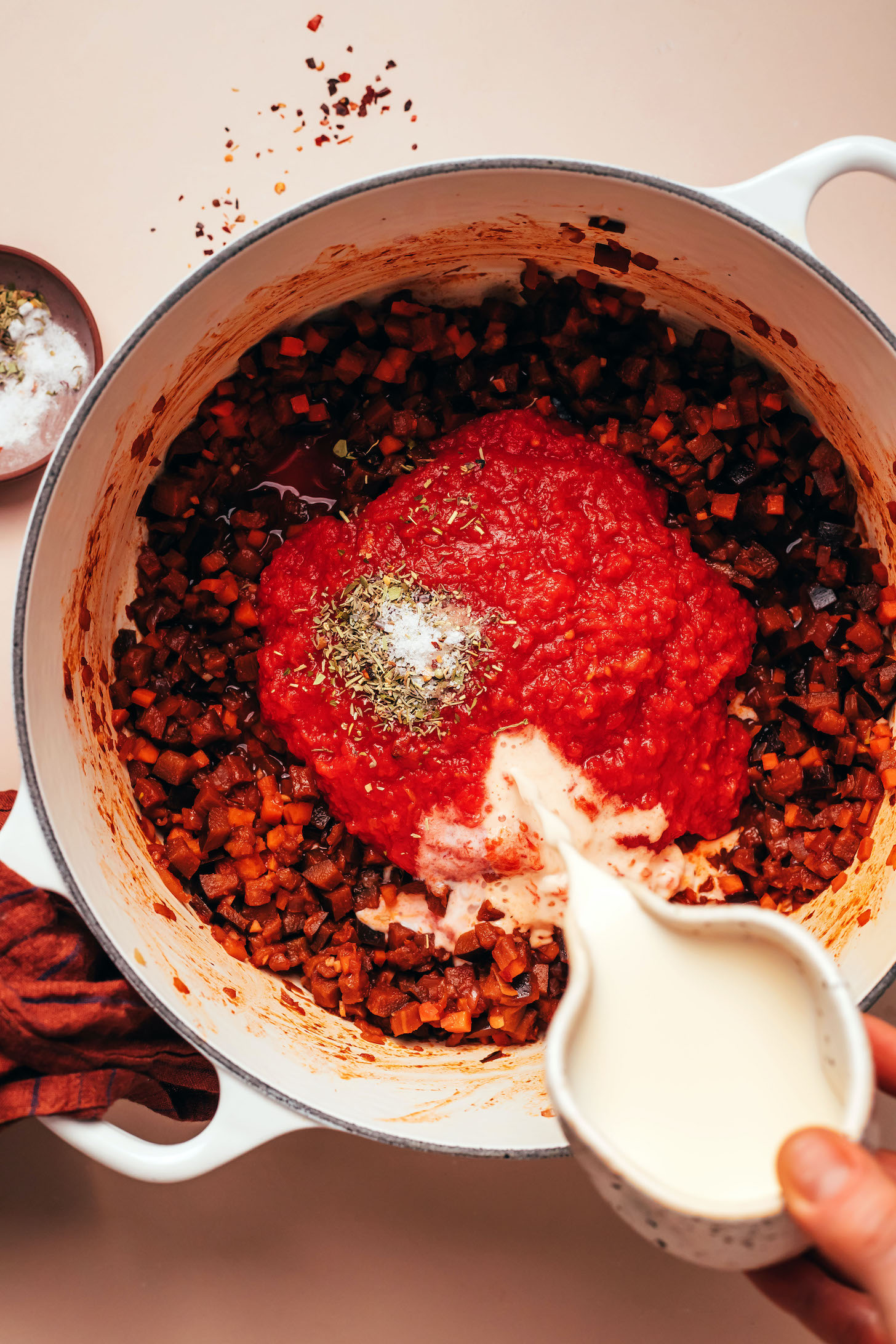
- The Emulsion: The introduction of tomato paste and crushed tomatoes provides the acidic, bright profile typical of a robust marinara, while the inclusion of cashew milk—a departure from the traditional dairy milk—adds the necessary fat content to emulsify the sauce, resulting in a creamy consistency without the use of animal products.
Nutritional Profile and Dietary Implications
From a nutritional perspective, the shift from a meat-based ragù to an eggplant-based version offers significant changes in macronutrient composition. According to standard dietary analysis, a single serving of this dish contains approximately 284 calories, 6.6 grams of protein, and 8.3 grams of fiber.
The high fiber content is primarily derived from the eggplant and the tomato base, which aids in digestion and satiety. Furthermore, the inclusion of iron (approximately 3.7 mg per serving) and vitamin C (27 mg per serving) positions this dish as a nutrient-dense option for those following a plant-based or flexitarian diet. The low saturated fat content (2.5 grams) makes it a heart-healthy alternative to traditional versions, which often carry higher levels of cholesterol and saturated fats from animal proteins.
Market Trends and Culinary Impact
The rise of the "one-pot" cooking movement is driven by increasing consumer demand for convenience and reduced cleanup time. Data from kitchen supply retail trends indicate a 15% year-over-year increase in searches for "one-pot meals" and "minimalist cooking techniques." This recipe aligns with that trend by eliminating the need for separate pasta boiling and sauce simmering vessels, provided the pasta is integrated effectively or the sauce is served immediately.
Industry experts suggest that this movement is not merely a fad but a response to the "time-poor" demographic. By simplifying the bolognese—a dish usually associated with hours of slow cooking—to a 45-minute total time (15 minutes of prep and 30 minutes of cooking), the recipe bridges the gap between gourmet quality and weeknight accessibility.
Broader Implications of Plant-Based Substitutions
The broader implication of adopting vegetable-forward versions of classic dishes is the potential reduction in domestic water and land usage. Beef production is notoriously resource-intensive; substituting eggplant, which requires significantly less water and land per kilogram of output, contributes to a more sustainable kitchen model.
While purists may argue that a true bolognese requires the depth provided by slow-cooked meat, the modern culinary consensus is shifting toward versatility. The inclusion of optional protein boosters—such as red lentils or pre-prepared vegan meatballs—demonstrates that the recipe is designed to be a modular platform rather than a rigid set of rules. This flexibility is key to its adoption among diverse demographics, including those who may not identify as strictly vegan but are interested in reducing their meat consumption for health or environmental reasons.
Expert Analysis and Serving Suggestions
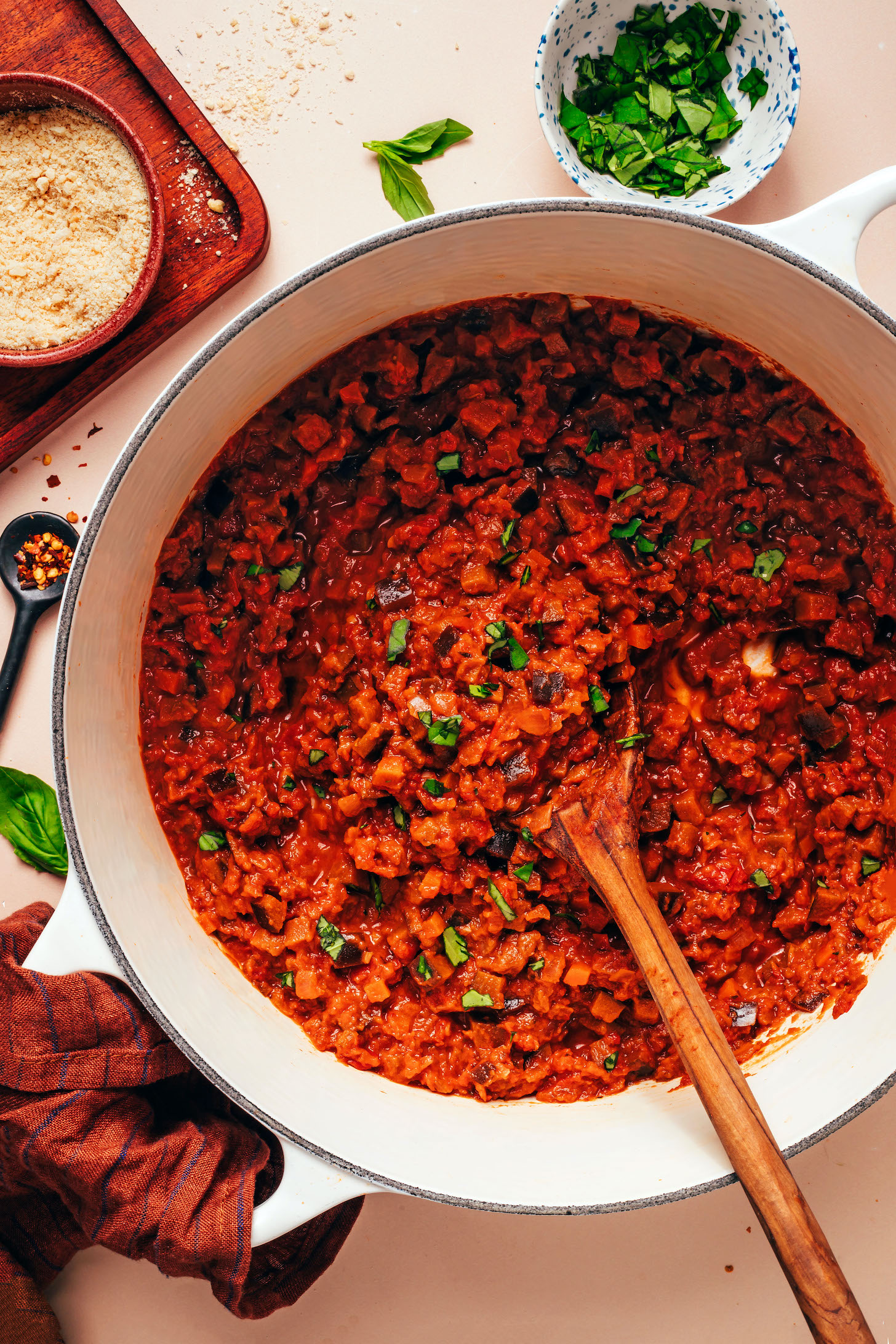
Culinary analysts have noted that the success of a plant-based ragù lies in the balance of acidity and fat. The use of maple syrup in this recipe is a deliberate culinary tactic; it balances the inherent acidity of the crushed tomatoes, which can otherwise be overwhelming in a sauce that lacks the natural fat of beef.
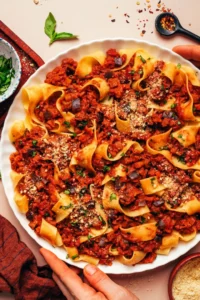
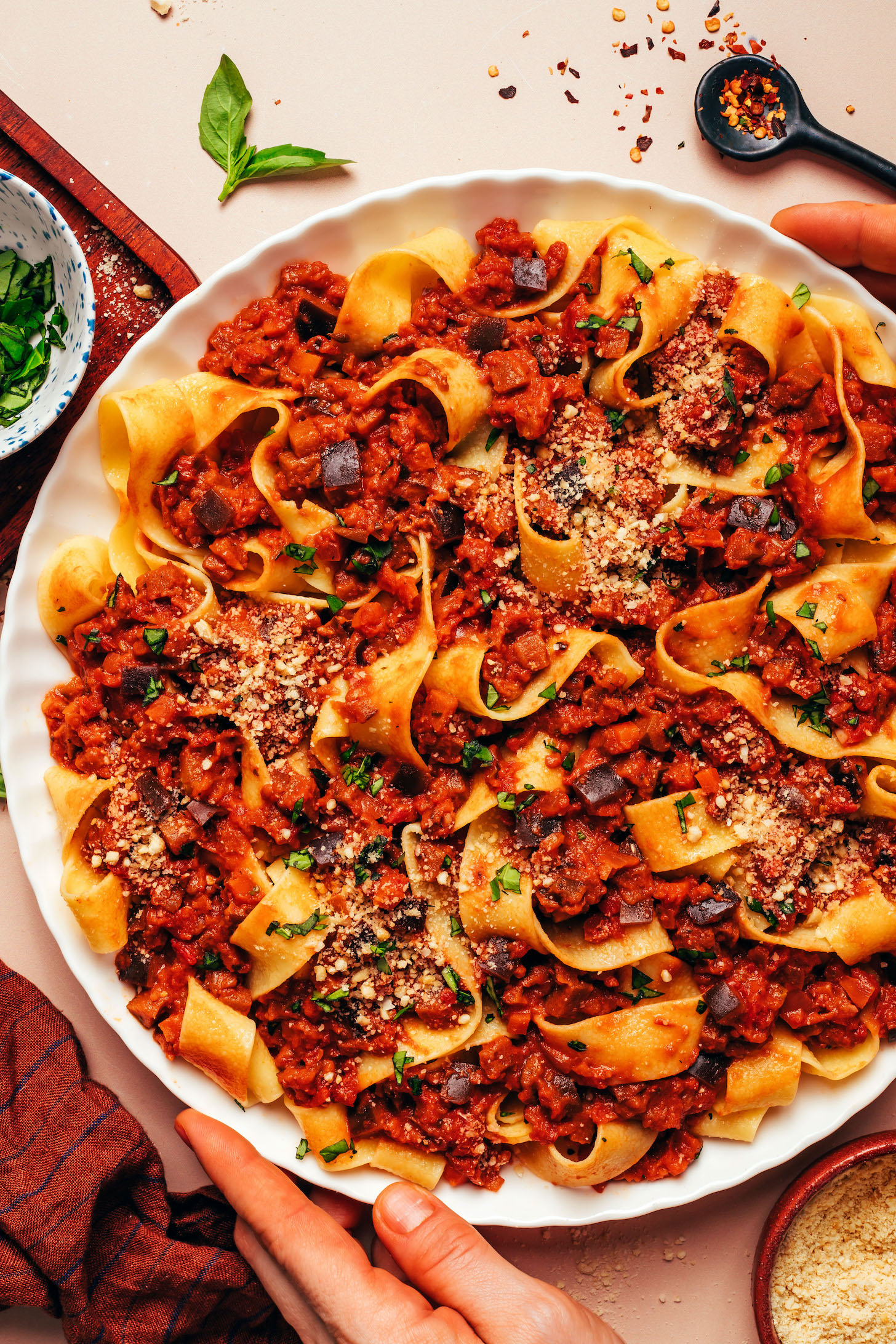
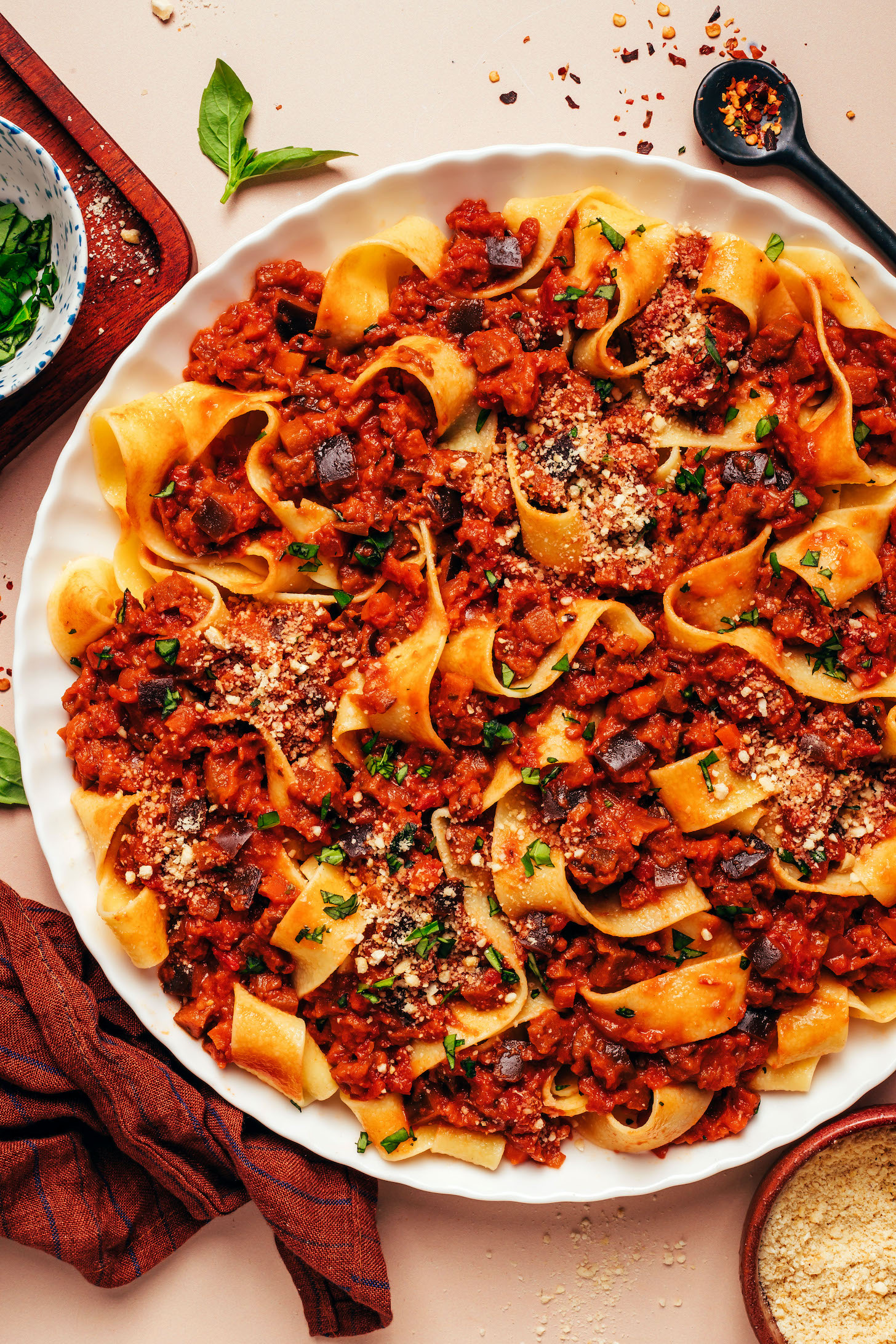
For optimal results, the dish is best served with a variety of textures. The pairing with pappardelle—a wide, flat pasta—is recommended because the broad surface area of the noodles effectively catches the smaller, diced pieces of eggplant, ensuring every bite is balanced. For those seeking to elevate the dish for special occasions, the addition of a homemade cashew-based parmesan provides the saltiness and umami profile typically provided by aged hard cheeses.
Conclusion and Future Outlook
As home cooking continues to evolve toward more sustainable and efficient practices, recipes like this eggplant-based bolognese represent the future of comfort food. By honoring the traditional Italian technique of soffritto and slow reduction while updating the ingredients for a modern, plant-centric audience, the recipe manages to bridge the gap between history and innovation.
The scalability of this dish—from a quick 45-minute family meal to an impressive centerpiece for dinner guests—ensures its longevity in the home cook’s repertoire. As food costs fluctuate and environmental awareness grows, the ability to create complex, satisfying, and cost-effective meals from humble ingredients like eggplant will remain a vital skill in the contemporary kitchen. Whether served as a stand-alone entrée or paired with secondary proteins, this dish stands as a testament to the fact that minimal intervention does not require a sacrifice in flavor or nutritional value.