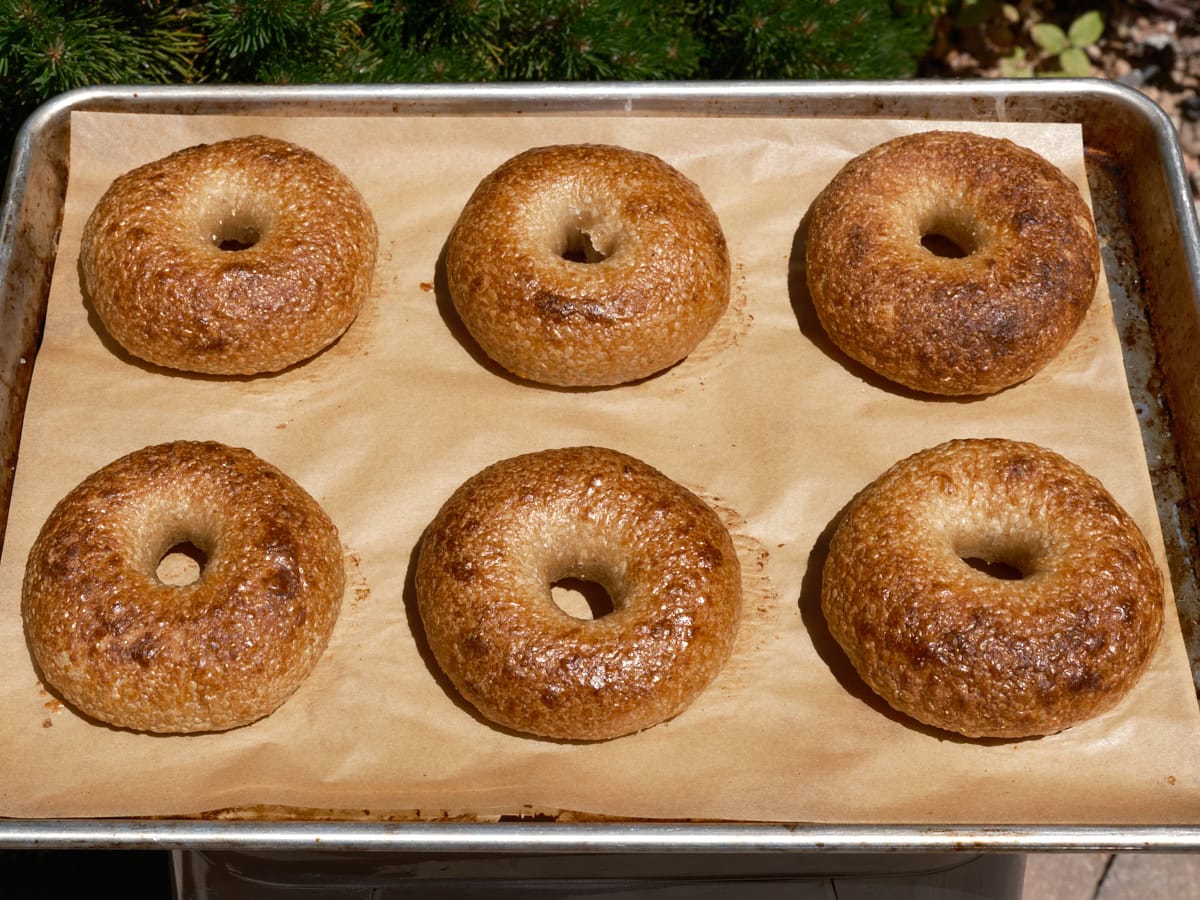
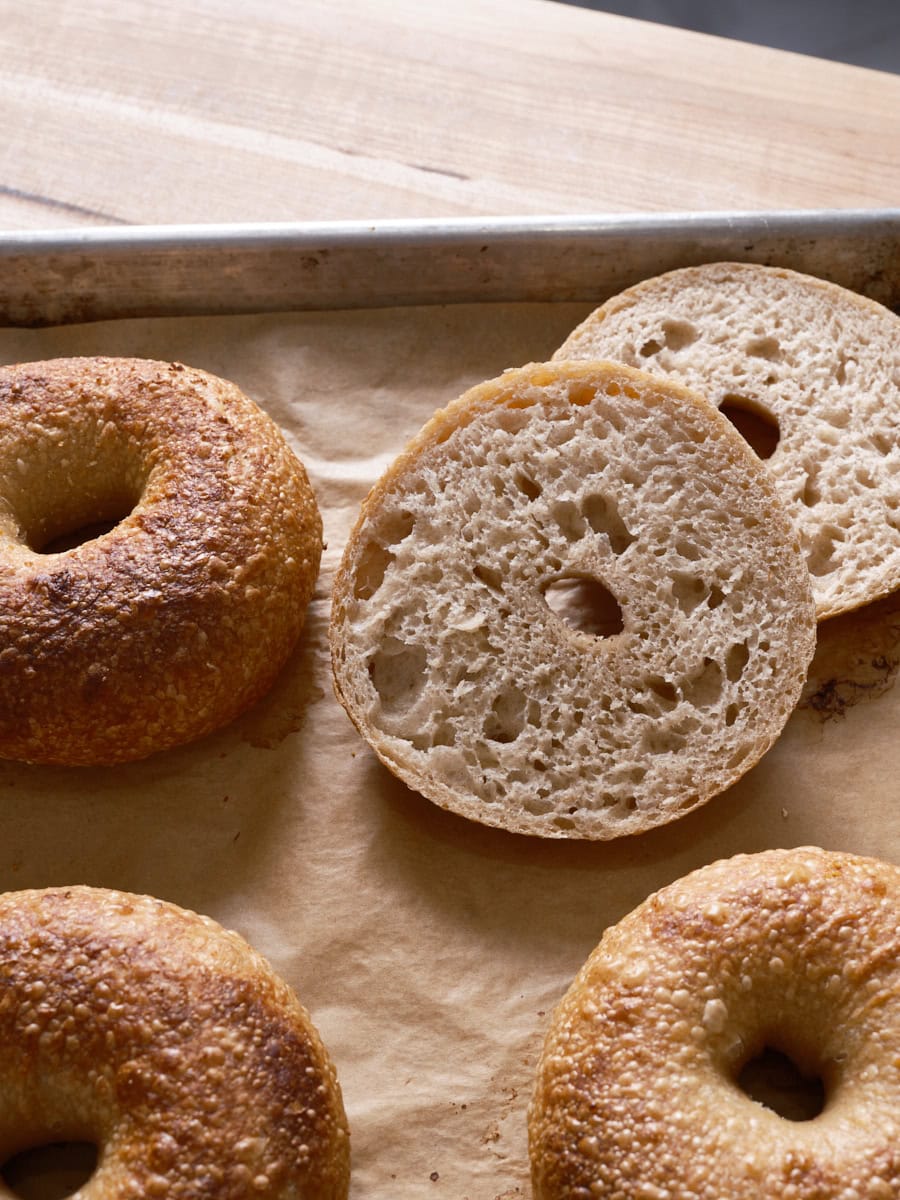
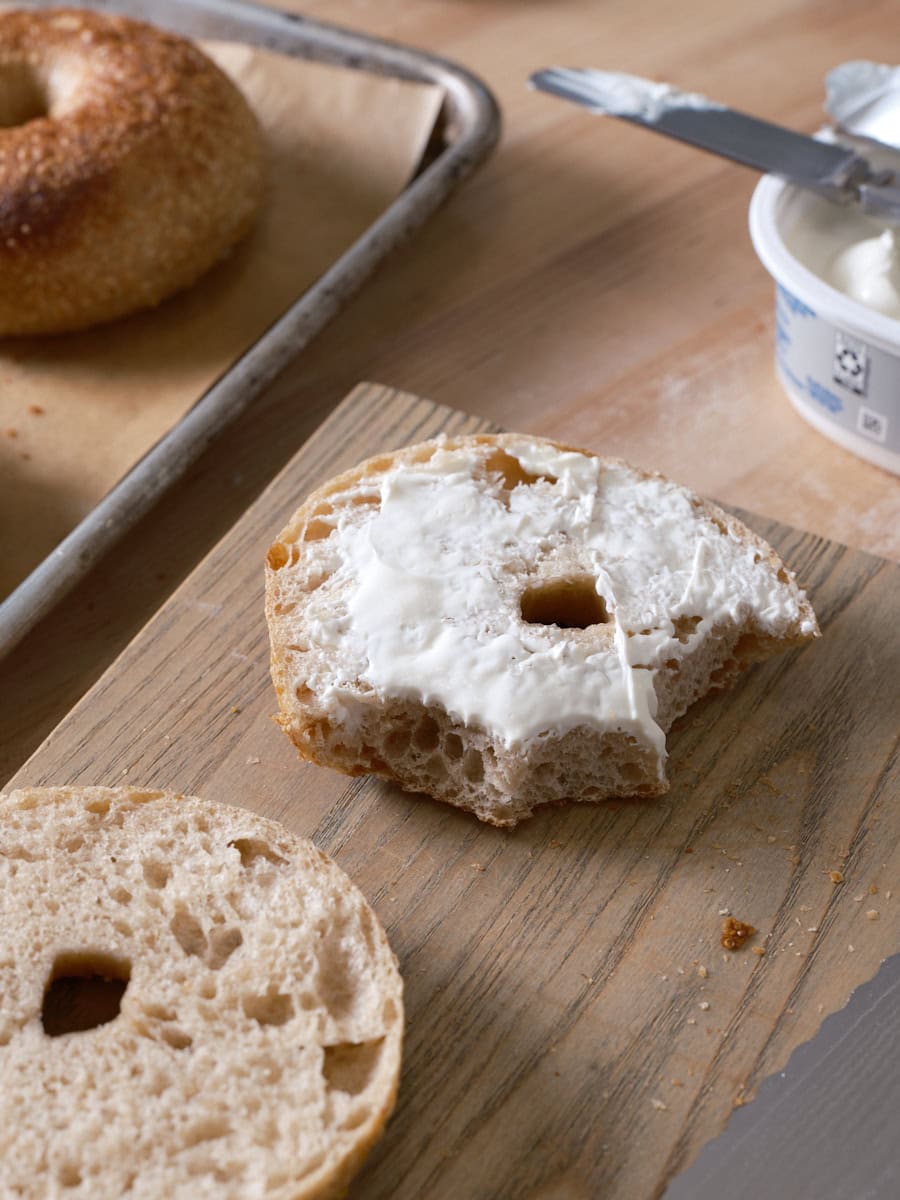
The landscape of artisan baking continues to experience a profound transformation, moving away from rigid culinary traditions toward boundary-pushing techniques that prioritize texture, complex fermentation, and distinct regional influences. Among the most recent innovations capturing the attention of professional bakers and home enthusiasts alike is the emergence of the "new wave" sourdough bagel. Departing from the dense, tightly closed crumb and heavy chew historically associated with traditional New York-style bagels, this contemporary iteration offers a lighter structure, an open and tender interior, and a glossy, blistered crust that reflects broader shifts in modern baking science.
Background Context: The Shift from Traditional to New Wave
For decades, the standard for artisanal bagels in North America remained rooted in the traditional New York model: high-protein flour, a dense crumb, a thick and chewy crust, and a prolonged boiling process in plain or lightly sweetened water. While these classic techniques produced reliable results, they often resulted in a uniform texture and a pronounced sourness depending on the fermentation length.
In recent years, however, cutting-edge bakeries—such as the highly influential Courage Bagels in Los Angeles—pioneered a lighter, more delicate style. These modern interpretations drew inspiration from sourdough bread-making principles, focusing on higher hydration doughs, custom flour blends incorporating ancient or whole grains, and modified boiling methods utilizing barley malt syrup and alkaline agents. The recent release of updated home-baking formulas seeks to bridge the gap between commercial-scale artisan bakeries and residential kitchens, allowing bakers to replicate these complex structural attributes using domestic equipment like baking steels and standard home ovens.
Chronology and Baking Methodology
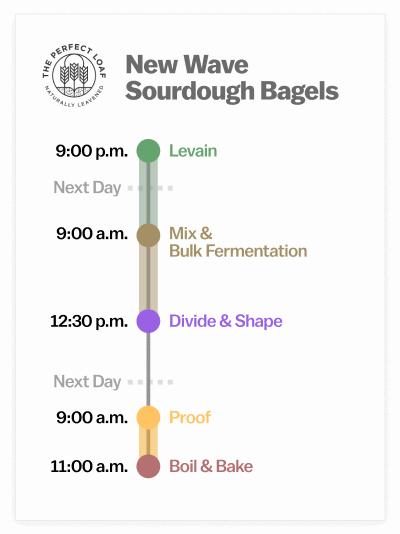
Executing the new wave sourdough bagel requires a methodical, multi-day schedule that emphasizes precise temperature control and enzymatic activity. Unlike rapid commercial bread production, this technique spans approximately three days, balancing fermentation stages to optimize flavor development while mitigating excessive acidity.
Day One begins in the evening with the preparation of a "sweet levain." By introducing a measured amount of superfine sugar to a preferment containing a small portion of medium-protein flour and ripe sourdough starter, bakers encourage yeast activity over bacterial lactic acid production. This specific intervention ensures that the final baked goods possess a subtle, malty sweetness rather than a sharp, vinegar-like sourness. The levain is left to ripen at ambient room temperatures ranging from 74 to 76 degrees Fahrenheit for approximately 12 to 14 hours.
Day Two marks the primary mixing phase. The formula incorporates a sophisticated flour blend: approximately 45 percent high-protein white flour to provide structural integrity and chew, 40 percent medium-protein white flour for tenderness, 10 percent whole wheat flour for nutty depth, and 5 percent whole rye flour to enhance fermentation activity and crust coloration. Additionally, non-diastatic barley malt syrup is integrated into the dough for traditional flavor, while diastatic malt powder introduces active enzymes that break down starches into fermentable sugars during baking, thereby enhancing oven spring and crust blistering.
Following a mechanical or manual mixing process utilizing a two-stage hydration technique (bassinage), the dough undergoes a three-hour bulk fermentation. It is then divided into standardized 130-gram portions, preshaped into tight spheres, and subjected to the "poke method." Rather than rolling the dough into ropes and sealing the ends—a method prone to structural failure during boiling—bakers press an index finger through the center of each ball and gently stretch it into a uniform ring.
The shaped bagels are subsequently placed on sheet pans dusted with cornmeal to prevent moisture absorption and transferred to a refrigerator for an overnight cold retard spanning 12 to 16 hours. This cold fermentation step is crucial; it deepens the flavor profile, modifies the starch structure, and promotes the formation of microblisters on the exterior surface during baking.
Technical Specifications and Chemical Reactions
On Day Three, the bagels are brought to room temperature for a brief two-hour proof before entering the boil-and-bake station. The boiling stage serves a critical chemical function: it gelatinizes the surface starches, setting the exterior skin and locking in the interior moisture.
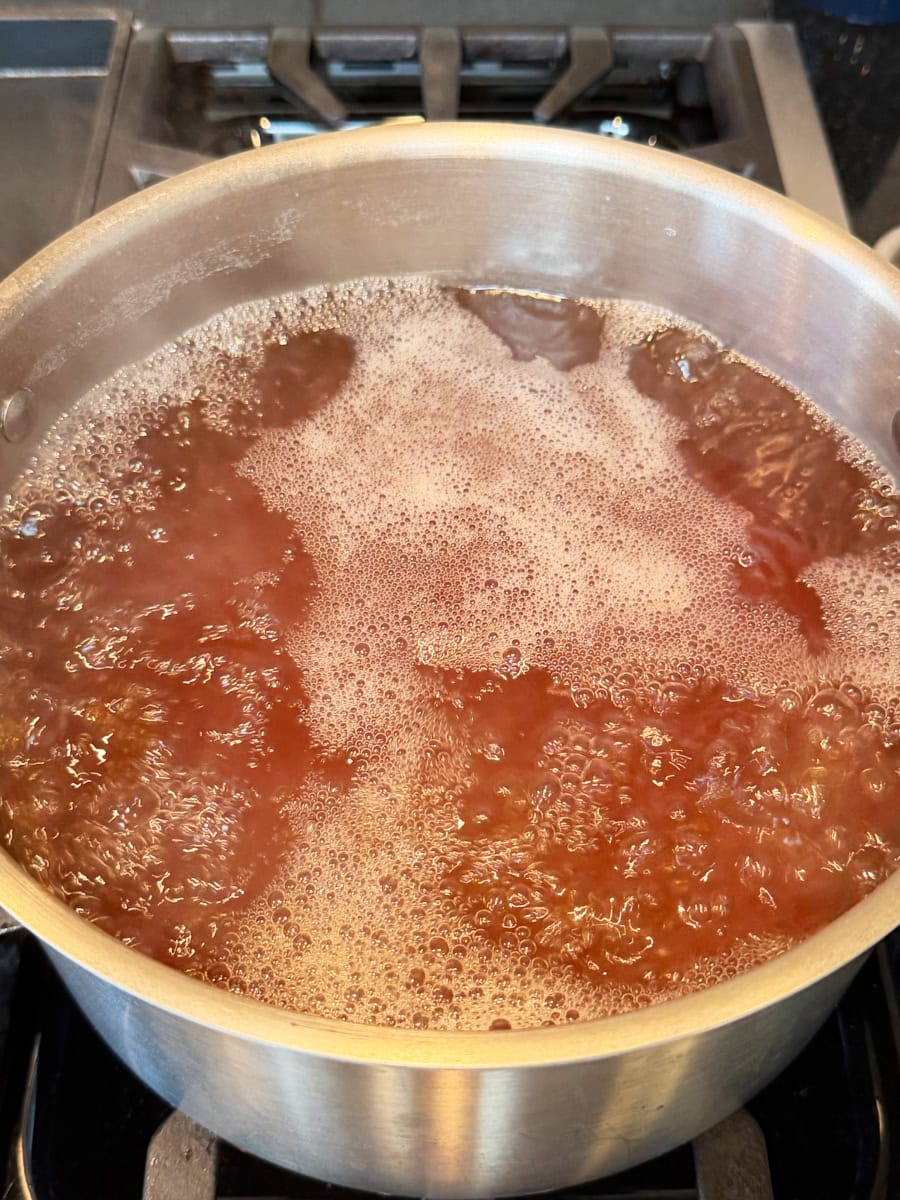
The boiling liquid consists of one gallon of water combined with one teaspoon of baking soda to increase alkalinity—which accelerates the Maillard reaction and deepens crust browning—and five tablespoons of barley malt syrup for authentic flavor. Unlike traditional methods that call for prolonged boiling times, the new wave technique limits the boil to 20 to 25 seconds per side. This abbreviated thermal shock yields a thinner, crispier crust that contrasts sharply with the airy interior.
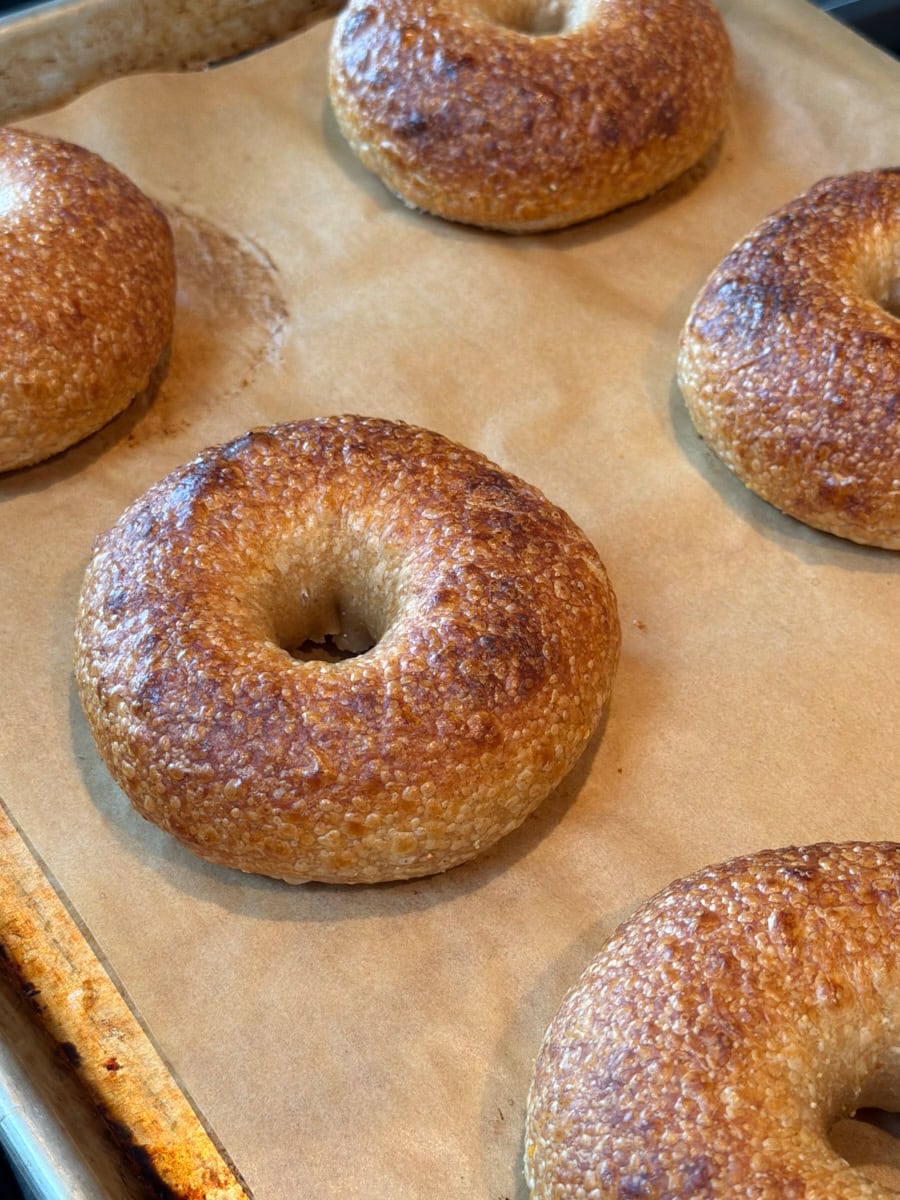
Following the boil, the wet bagels are dipped in optional toppings such as poppy seeds, sesame seeds, or flaky salt before being transferred directly onto a preheated baking steel at 500 degrees Fahrenheit. The introduction of oven steam immediately after loading further encourages delicate blister formation on the crust. Baking proceeds for 10 minutes at high heat before the temperature is reduced to 450 degrees Fahrenheit for an additional five minutes, ensuring a deep golden-brown exterior without drying out the tender crumb.
Analysis of Implications and Industry Reception
The popularization of new wave sourdough bagels signifies a broader democratization of advanced baking techniques. By publishing accessible formulas and detailed step-by-step methodologies, professional artisan bakers are enabling home practitioners to achieve professional-grade results that were previously exclusive to commercial brick-oven establishments.
Culinary analysts note that this trend aligns with consumer preferences for fermented foods that offer complex flavor profiles without digestive heavy-handedness. The deliberate reduction of sourness through sweet levains, combined with the nutritional and sensory contributions of whole grains like rye and whole wheat, addresses modern demands for transparency, artisanal craftsmanship, and superior mouthfeel. As home kitchens continue to adopt hearth-baking infrastructure—such as high-mass baking stones and steels—the boundaries between commercial artisan bakeries and domestic cooking continue to blur, permanently altering the standard of everyday bread products.