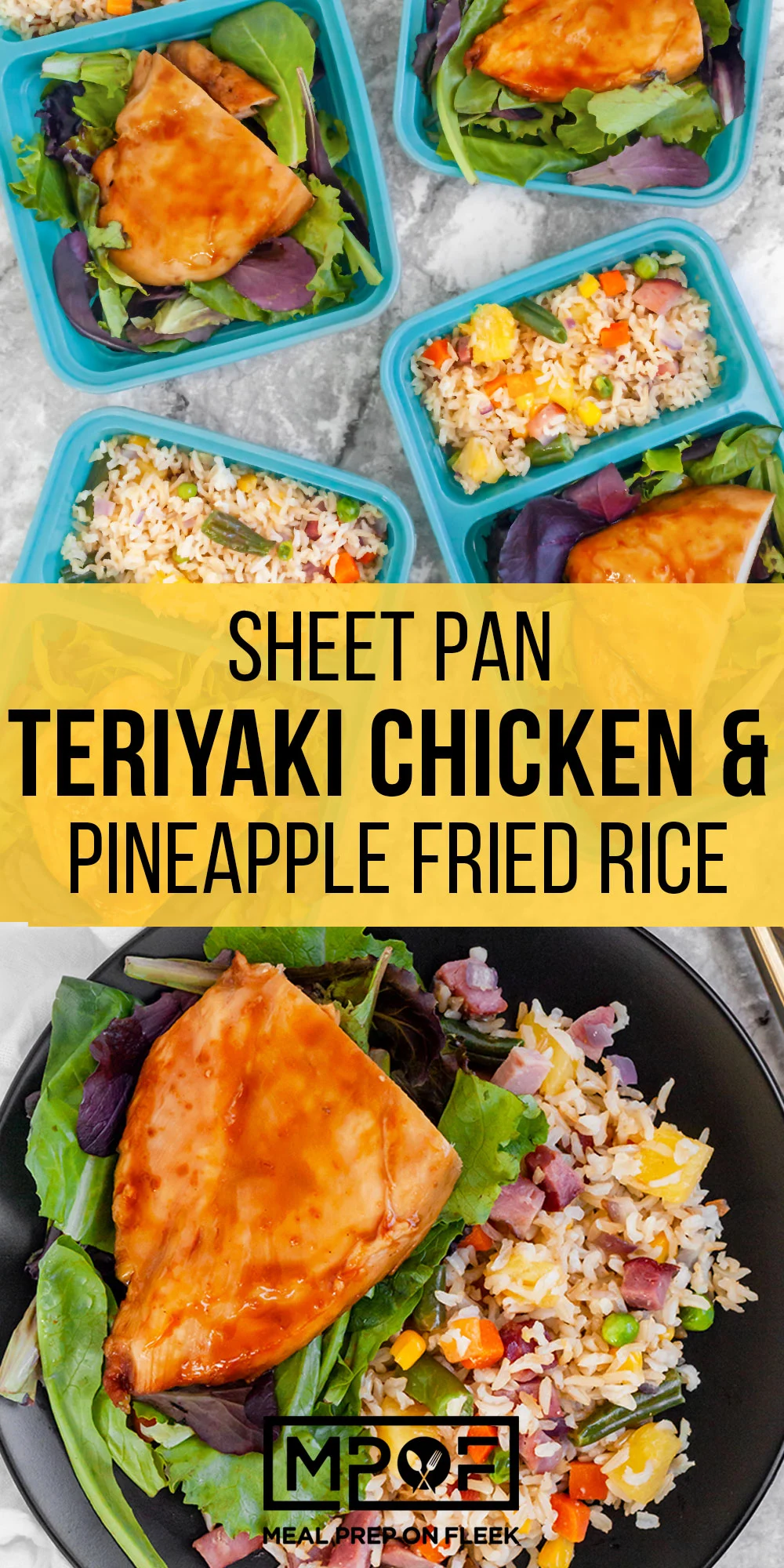

This innovative sheet pan recipe for Teriyaki Chicken and Pineapple Fried Rice offers a compelling solution for busy individuals and families seeking convenient, balanced, and flavorful meal preparation. Designed to yield four complete meals in under an hour, this dish minimizes kitchen cleanup and decision fatigue, making it an ideal candidate for weekly meal prep routines. The unique approach of cooking both the protein and the rice mixture on a single sheet pan streamlines the cooking process, aligning with the growing demand for efficient and accessible home-cooked meals.
The culinary concept behind this recipe centers on delivering the satisfying flavors of takeout cuisine within a practical meal prep framework. It harmoniously combines tender teriyaki chicken with a vibrant pineapple fried rice, incorporating essential vegetables, savory ham, aromatic ginger and garlic, and the distinct nutty essence of sesame oil. This all-in-one approach not only simplifies preparation but also enhances the overall dining experience by presenting a complete and well-rounded meal.
Streamlining Meal Preparation with Sheet Pan Efficiency
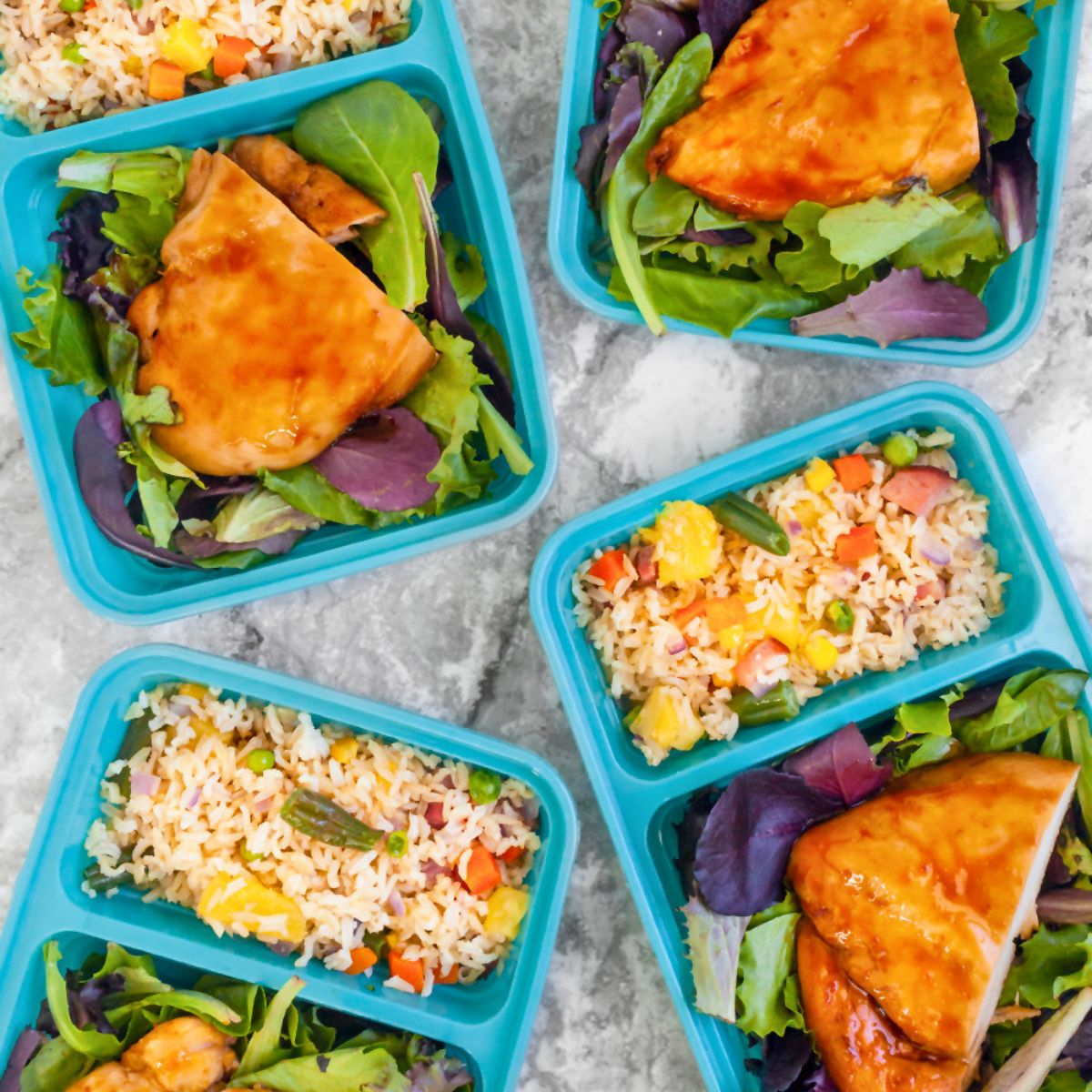
The primary advantage of this Sheet Pan Teriyaki Chicken and Pineapple Fried Rice lies in its inherent efficiency. By consolidating cooking onto a single sheet pan, the recipe significantly reduces the number of dishes and utensils requiring attention, a critical factor for individuals managing demanding schedules. This method is particularly valuable when aiming for a quick weeknight dinner that doubles as pre-portioned lunches for the subsequent days. Its integration into existing meal prep strategies is further bolstered by its compatibility with other sheet pan meals and dedicated lunch meal prep recipes, offering a versatile addition to any culinary repertoire.
The recipe’s design emphasizes ease of execution without compromising on taste or nutritional value. The teriyaki chicken, marinated and cooked to tender perfection, offers a sweet and savory counterpoint to the lightly seasoned pineapple fried rice. The inclusion of vegetables adds essential nutrients and textural variety, while the ham contributes a subtle depth of flavor. This thoughtful combination ensures that each meal remains appealing and satisfying throughout the week.
The Culinary Innovation: A One-Pan Wonder
The innovation of this recipe stems from its resourceful application of the sheet pan method. Traditionally, fried rice and protein are prepared in separate pans, often involving multiple steps and considerable cleanup. This sheet pan approach ingeniously integrates these components, allowing them to cook simultaneously.
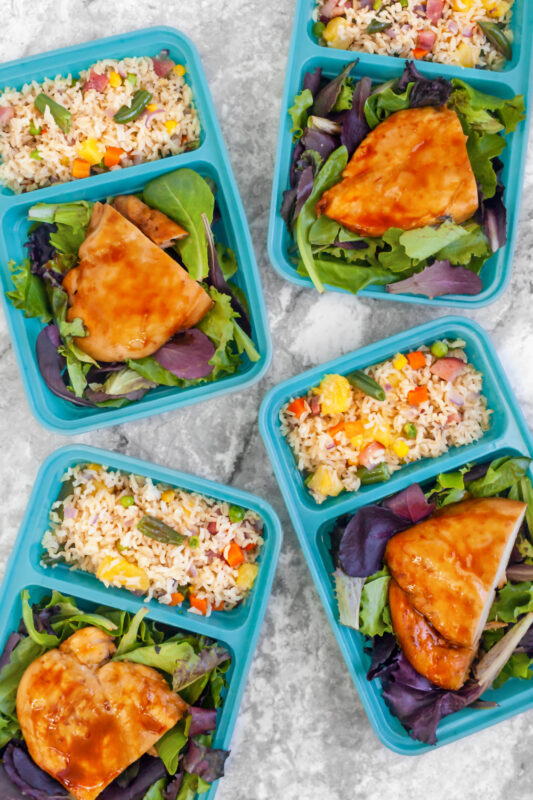
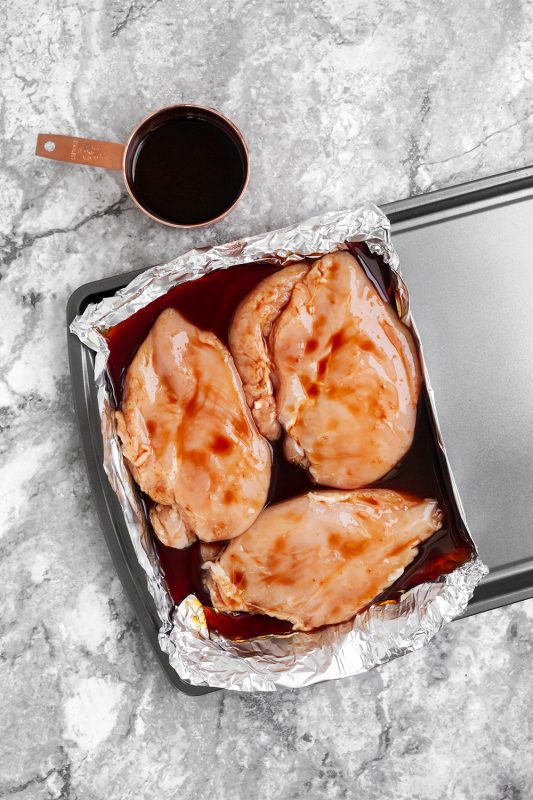
The process begins with preheating the oven to a robust 400°F (200°C). This elevated temperature is crucial for ensuring the chicken cooks evenly and develops a desirable exterior, while the rice mixture achieves a pleasant texture with slightly crisped edges. A key technique involves creating a makeshift foil "baking dish" on one half of the sheet pan. This elevated barrier helps contain the chicken and its marinade, preventing it from mingling too directly with the rice during the initial cooking phase, thereby maintaining distinct textures and flavors.
Chicken breasts, pounded to an even thickness for uniform cooking, are then placed within this foil enclosure and coated with half a cup of teriyaki sauce. This initial 15-minute bake allows the chicken to begin cooking through and absorb the sweet and savory glaze.
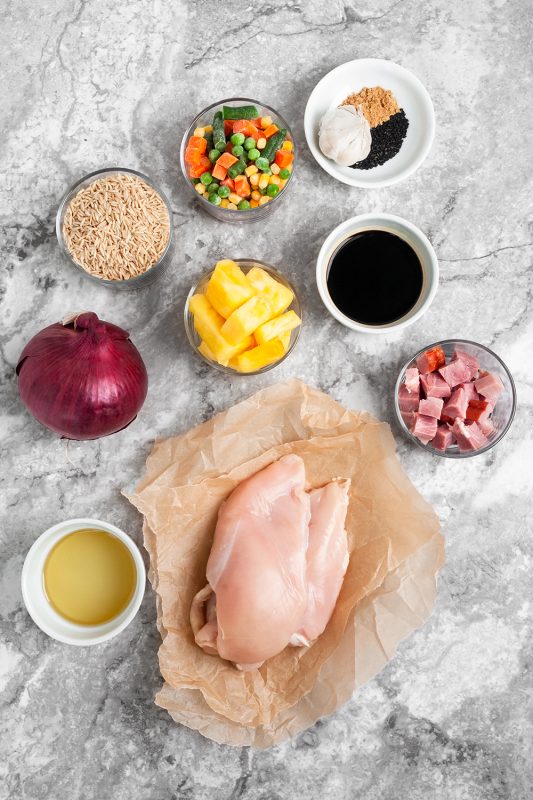
While the chicken is in the oven, the pineapple fried rice mixture is prepared. This involves combining pre-cooked brown rice, a drizzle of sesame oil, a medley of frozen vegetables, finely diced red onion, chunks of pineapple, diced ham, grated ginger, and minced garlic. The use of day-old rice is a culinary recommendation, as its slightly drier consistency holds up better to oven cooking, preventing it from becoming mushy.
Following the initial 15-minute bake of the chicken, the sheet pan is carefully removed from the oven. The prepared rice mixture is then spread across the empty half of the pan. The entire sheet pan is returned to the oven for an additional 10 to 15 minutes. This secondary baking period ensures the rice heats through and develops a desirable texture, while the chicken reaches a safe internal temperature of 165°F (74°C). A meat thermometer is recommended to guarantee accurate cooking and prevent both undercooked and overcooked poultry.
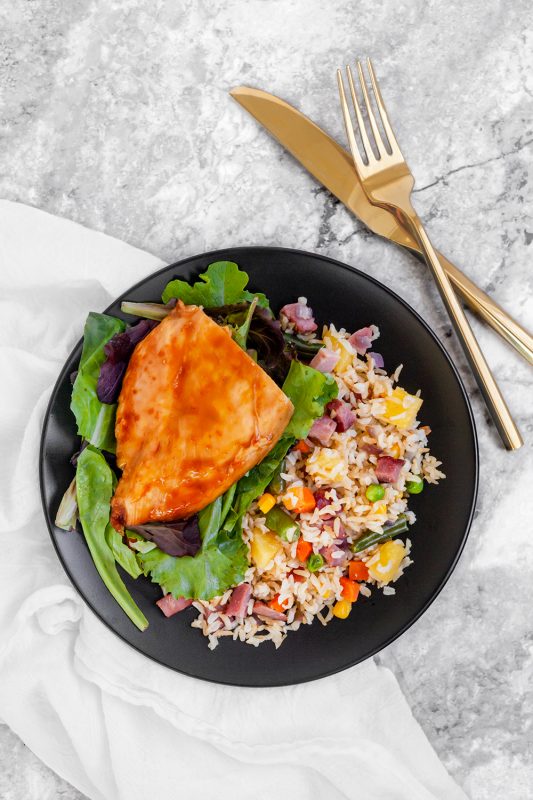
Upon removal from the oven, the remaining half cup of teriyaki sauce is generously drizzled over the chicken, adding a final layer of glaze and moisture. The chicken is then sliced or portioned, and divided into meal prep containers alongside the pineapple fried rice. For an added touch of freshness and texture, the author suggests serving over mixed greens and garnishing with sesame seeds.
Storage and Versatility
Effective storage is paramount for successful meal prep. This Sheet Pan Teriyaki Chicken and Pineapple Fried Rice is best stored in airtight containers, ideally those with two compartments to keep the chicken and rice separate. This separation prevents the teriyaki sauce from making the rice overly soft. Refrigerated, the meal prep is recommended for consumption within four days. For optimal freshness, reheating instructions suggest covering the containers loosely with a paper towel to allow steam to escape, thus preserving the texture of the rice and chicken.
The recipe yields four servings, making it a practical choice for a Monday through Thursday lunch plan. This consistent availability of pre-portioned meals can significantly reduce the temptation for last-minute takeout orders during the busy work week.
Nutritional Profile and Customization
The estimated nutritional breakdown per serving indicates a balanced meal, with approximately 520 calories, 64.1g of protein, 44.1g of carbohydrates, 7.3g of fat, and 4g of fiber. These figures are approximate and can vary based on specific ingredient choices, such as the brand of teriyaki sauce, the type of rice used, and the portion sizes. For individuals tracking macronutrients precisely, a dedicated macro calculator can provide personalized insights.
The recipe offers a degree of flexibility through ingredient swaps and modifications. White rice, particularly jasmine or long-grain varieties, can be substituted for brown rice, offering a softer texture more akin to traditional takeout fried rice. For those seeking to omit ham, it can be left out entirely or replaced with turkey bacon, diced chicken sausage, or additional vegetables, preserving the savory element without the inclusion of pork.
The choice of teriyaki sauce significantly influences the final flavor. Users are encouraged to select a sauce they personally enjoy. For those requiring a gluten-free option, a gluten-free teriyaki sauce or a homemade version utilizing tamari can be employed.
Addressing Common Inquiries: FAQs
- Can I use white rice instead of brown rice? Yes, white rice, especially jasmine or long-grain, works well and provides a softer texture. Brown rice offers increased fiber content.
- Can I make this without ham? Absolutely. The ham can be omitted or replaced with alternatives like turkey bacon, chicken sausage, or extra vegetables.
- What is the best teriyaki sauce for this recipe? A teriyaki sauce you already enjoy is recommended. For gluten-free needs, opt for a certified gluten-free product or prepare your own using tamari.
- How do I know when the chicken is done? The chicken is fully cooked when its internal temperature reaches 165°F (74°C). A meat thermometer is the most reliable tool for ensuring this.
- Can I double this recipe? Yes, but it’s advisable to use two separate sheet pans to avoid overcrowding. Overcrowding can lead to the rice steaming rather than achieving a desirable oven-fried texture.
Broader Implications for Meal Prep Culture
The Sheet Pan Teriyaki Chicken and Pineapple Fried Rice exemplifies a modern approach to meal preparation, one that prioritizes efficiency, flavor, and adaptability. In an era where time is a precious commodity, recipes that simplify complex culinary tasks while delivering satisfying results are highly valued. This dish not only addresses the immediate need for a quick and healthy meal but also contributes to a more sustainable and less stressful approach to weekly eating.
The trend towards sheet pan meals, in general, reflects a broader shift in home cooking habits. Consumers are increasingly seeking methods that minimize cleanup and maximize flavor with fewer steps. This recipe aligns perfectly with that trend, offering a comprehensive solution that moves beyond single-use meals to provide structured, week-long meal planning.

By providing a clear pathway to preparing multiple balanced meals in a single cooking session, such recipes empower individuals to take control of their dietary habits and reduce reliance on less healthy, pre-packaged options. The accessibility of the ingredients and the straightforward preparation method make it an attractive option for both novice and experienced cooks. The author’s suggestion to utilize a meal planner further underscores the recipe’s role in a holistic approach to healthy eating, emphasizing consistency and planning as key components of a successful meal prep strategy. This recipe, therefore, stands as a testament to how culinary innovation can effectively meet the evolving demands of contemporary lifestyles.