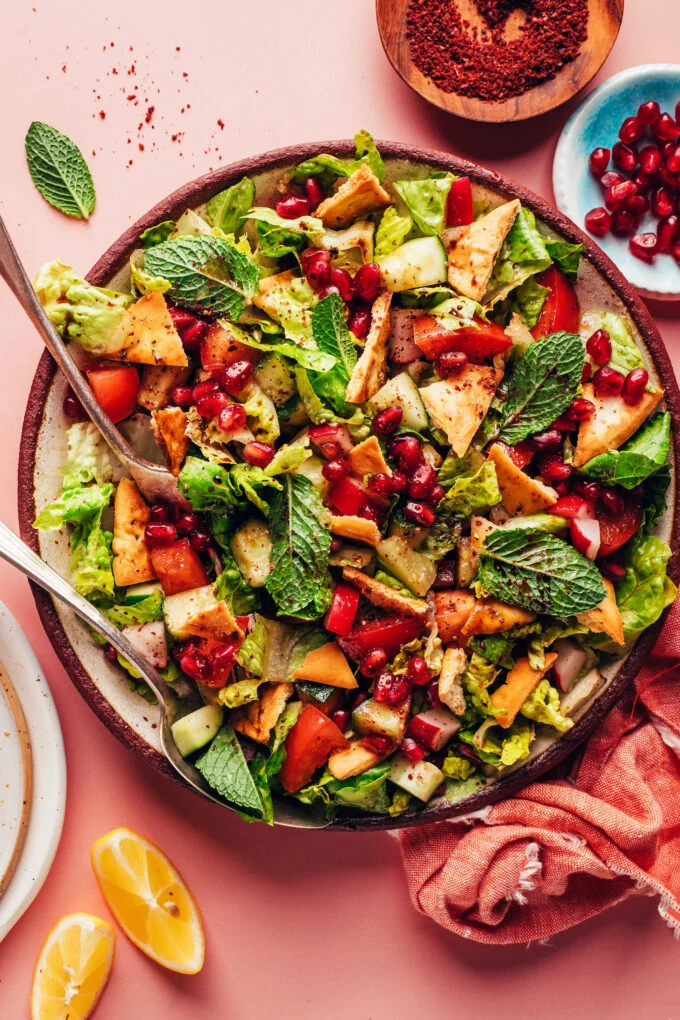

Historical and Cultural Context of the Levantine Bread Salad
To understand the significance of the Fattoush salad, one must examine its etymological and cultural foundations. The word "Fattoush" is derived from the Arabic word "fatteh," which translates to "crumbs" or "crushed." Historically, across the Middle East, dishes falling under the "fatteh" or "fattoush" umbrella were developed as a creative means to salvage stale or day-old flatbread (pita). In an era before modern refrigeration, food waste was a significant concern for agrarian societies. By toasting or frying the hardened bread and rehydrating it with a vibrant dressing and juices from fresh vegetables, Levantine cooks created a dish that was both economically resourceful and nutritionally dense.
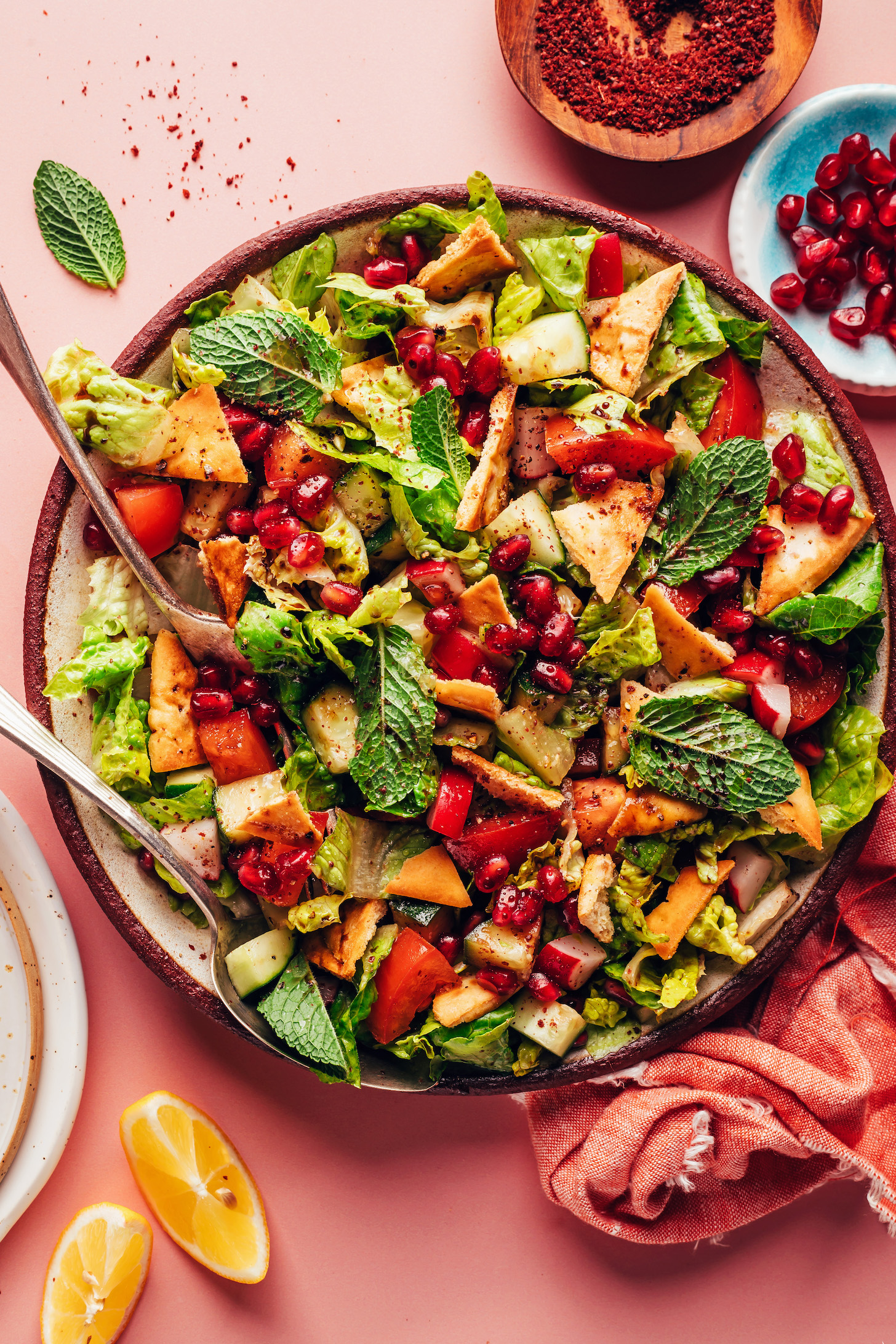
The traditional Fattoush differs from other regional salads, such as Tabbouleh, through its inclusion of larger, more varied vegetable chunks and its distinct reliance on sumac. While Tabbouleh is herb-forward and finely chopped, Fattoush is celebrated for its structural integrity and the "crunch" factor provided by the toasted bread. The transition of this dish from a rustic, home-cooked meal to a globally recognized menu item in Mediterranean-inspired restaurants reflects the broader internationalization of Levantine cuisine.
Essential Components and Botanical Profiles
The efficacy of the 20-minute Fattoush recipe relies on a specific assembly of ingredients, each contributing to a balance of textures and flavors. The foundational elements include:
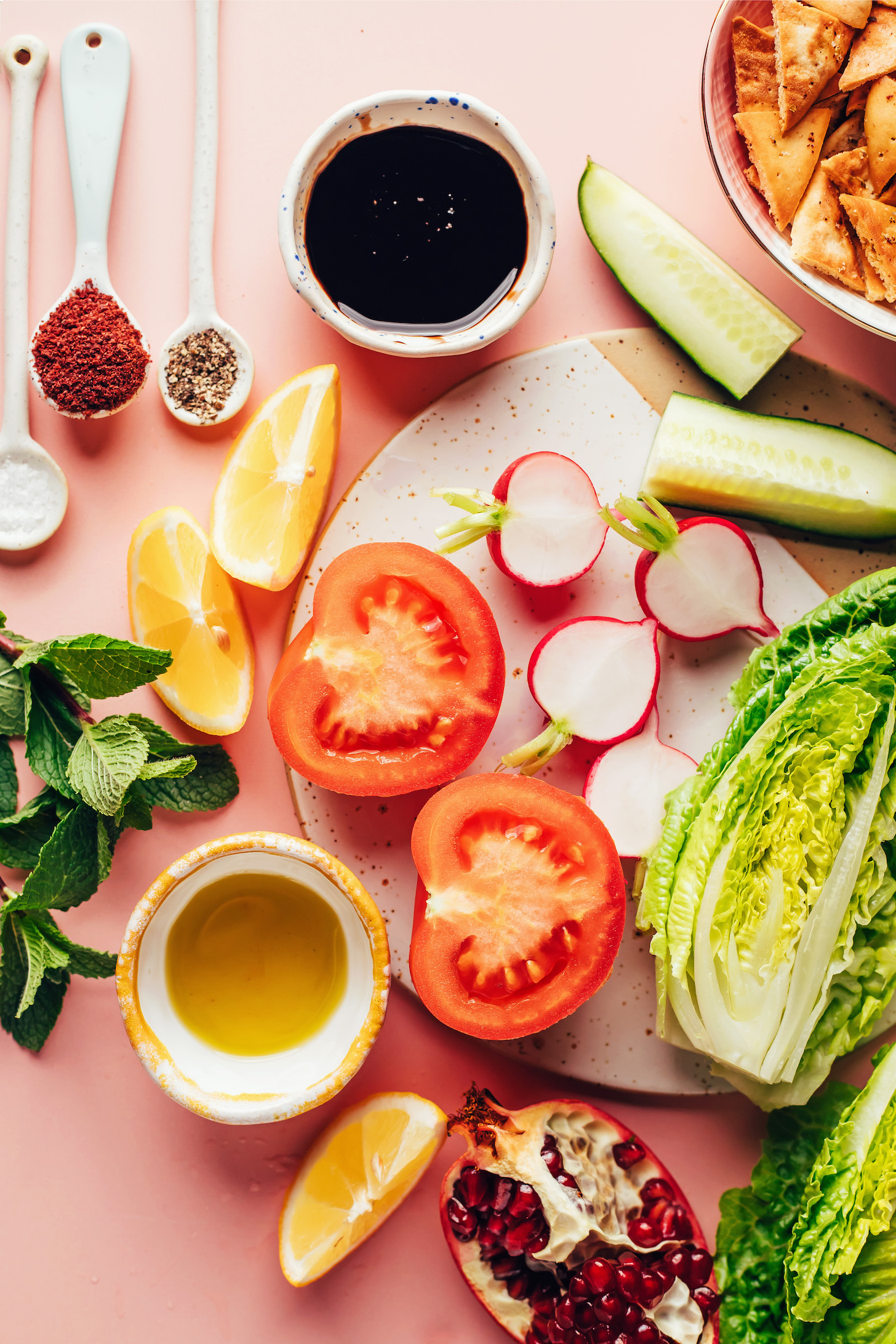
The Base: Romaine Lettuce and Fresh Vegetables
The use of romaine lettuce provides a neutral, crisp foundation that maintains its structure even when dressed. Accompanying this are cucumbers, tomatoes, and radishes. In a professional culinary context, Persian or Lebanese cucumbers are preferred due to their thin skins and lack of prominent seeds, which prevents the salad from becoming excessively watery. Radishes introduce a peppery bite, acting as a structural and flavor contrast to the sweetness of the tomatoes.
The Aromatic Profile: Sumac and Mint
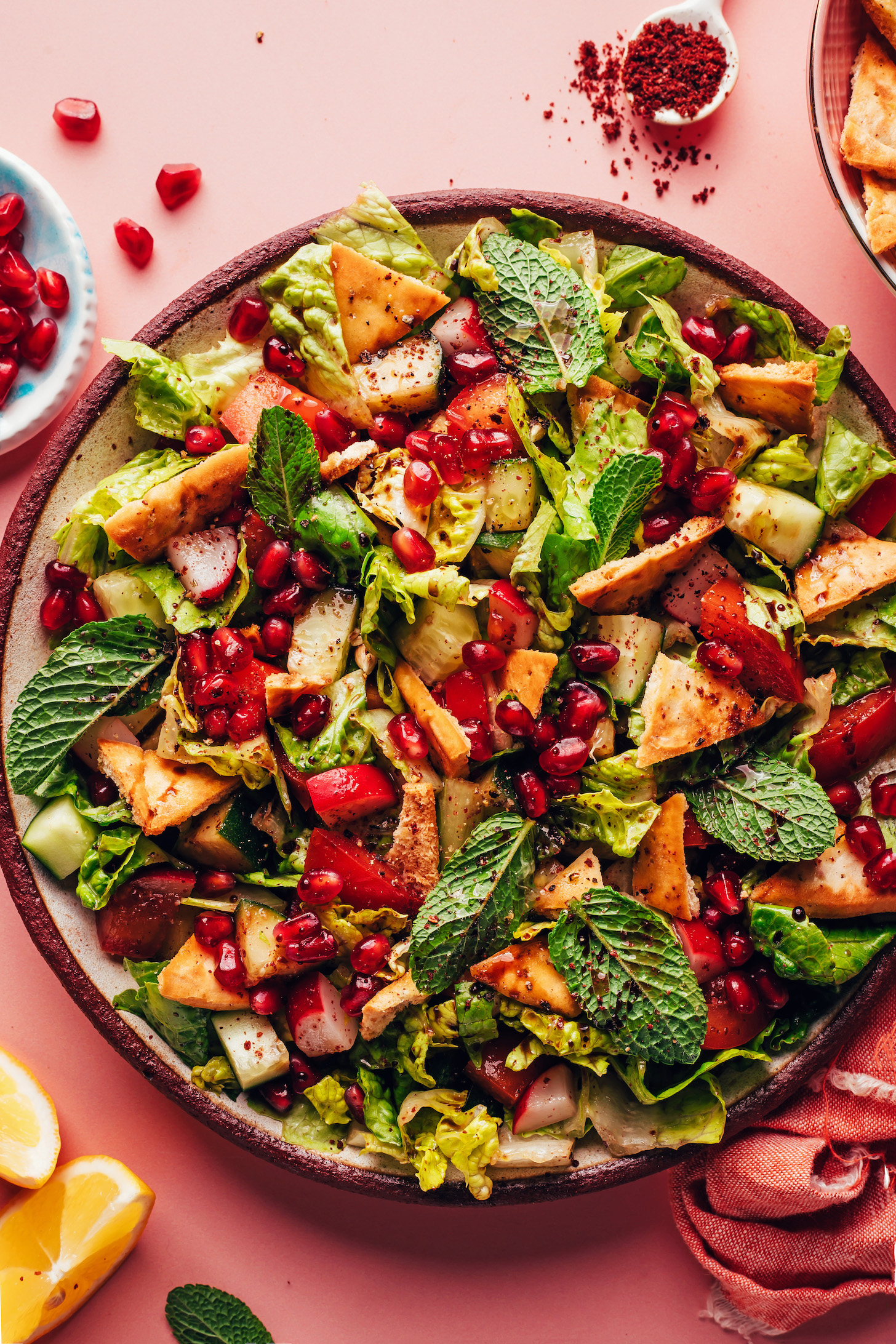
Sumac (Rhus coriaria) is perhaps the most critical spice in the Fattoush profile. Derived from the dried and ground berries of the sumac shrub, it provides a tart, lemony acidity that is less volatile than fresh citrus juice. Historically, sumac was used for its medicinal properties, including its high antioxidant content and anti-inflammatory benefits. Fresh mint (Mentha) adds a cooling element, a necessary counterpoint to the acidity of the dressing and the earthy notes of the pita.
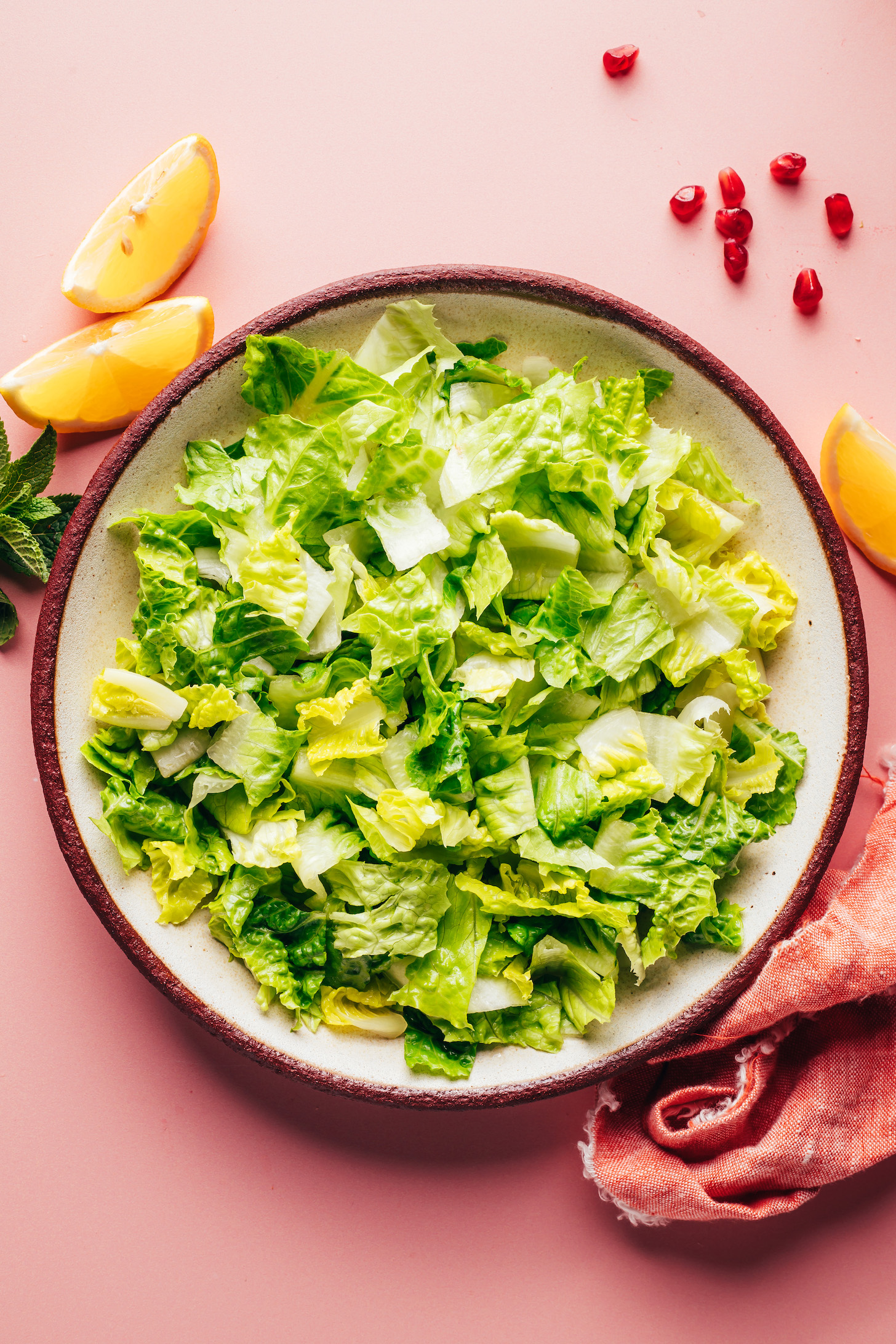
The Dressing: Pomegranate Molasses
Pomegranate molasses—a syrup made by reducing pomegranate juice—is a hallmark of Eastern Mediterranean cooking. It offers a deep, balsamic-like complexity with a sharp tartness and a subtle sweetness. When combined with lemon juice and olive oil, it creates a dressing that is both a preservative and a flavor enhancer for the vegetables.
Nutritional Analysis and Dietary Implications
From a nutritional perspective, the Fattoush salad aligns with the core tenets of the Mediterranean diet, which is frequently cited by health organizations like the American Heart Association for its role in cardiovascular health. A standard side serving of this modernized Fattoush contains approximately 127 calories, with a macronutrient profile consisting of 21.6g of carbohydrates, 2.8g of protein, and 4.1g of fat.
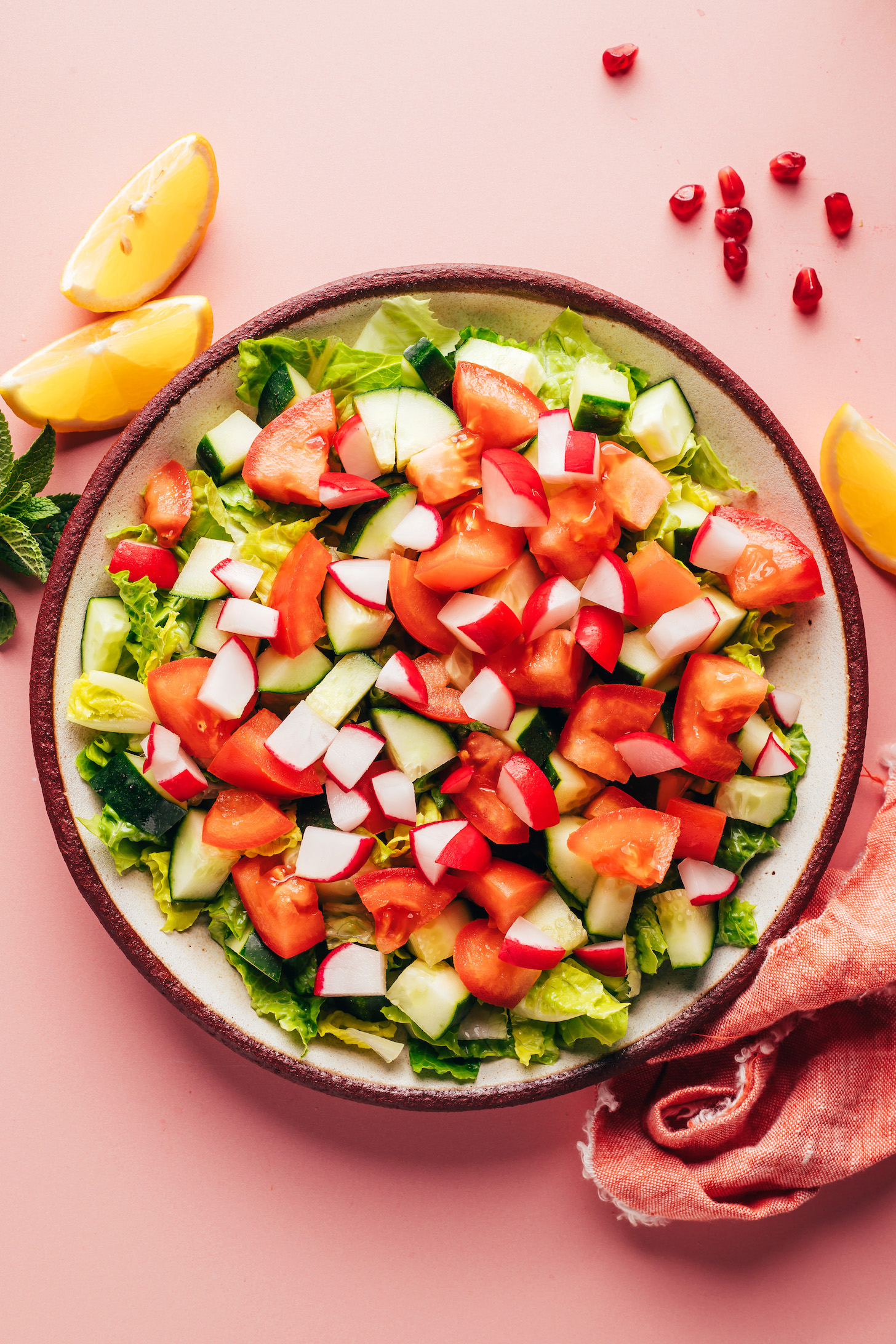
The micronutrient density is particularly noteworthy. A single serving provides approximately 562 IU of Vitamin A and 14 mg of Vitamin C, primarily sourced from the fresh romaine, tomatoes, and radishes. Furthermore, the inclusion of sumac and pomegranate arils introduces a high concentration of polyphenols and anthocyanins, which are studied for their roles in reducing oxidative stress within the body. The recipe is inherently vegan and can be easily modified for gluten-free diets by substituting traditional wheat-based pita with grain-free alternatives, making it highly accessible to diverse dietary requirements.
Chronology of Preparation: A Strategic Approach
The "one-bowl" methodology is a strategic response to the modern consumer’s desire for reduced cleanup and preparation time. The process follows a specific chronological order to ensure maximum freshness:
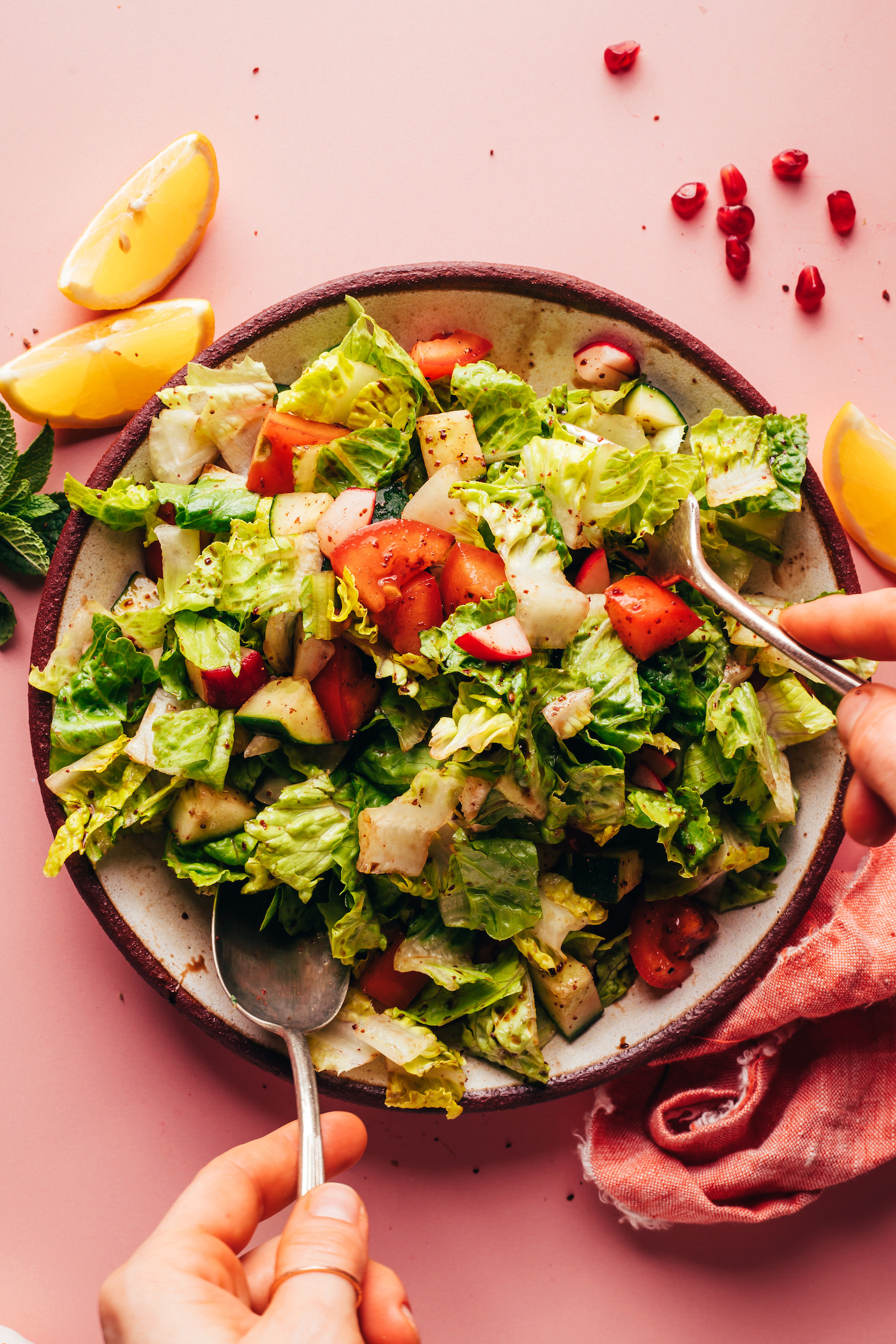
- Base Preparation: The romaine lettuce is chopped into uniform pieces to ensure an even distribution of dressing.
- Vegetable Integration: Cucumbers, tomatoes, and radishes are sliced. Professional chefs often recommend "salting" the cucumbers and tomatoes separately for five minutes and draining the excess water to prevent the salad from becoming soggy, though the quick-prep version bypasses this for speed.
- Dressing Emulsification: Rather than whisking the dressing in a separate vessel, the lemon juice, pomegranate molasses, sumac, and optional olive oil are added directly to the vegetables. This allows the juices from the tomatoes to naturally emulsify with the molasses.
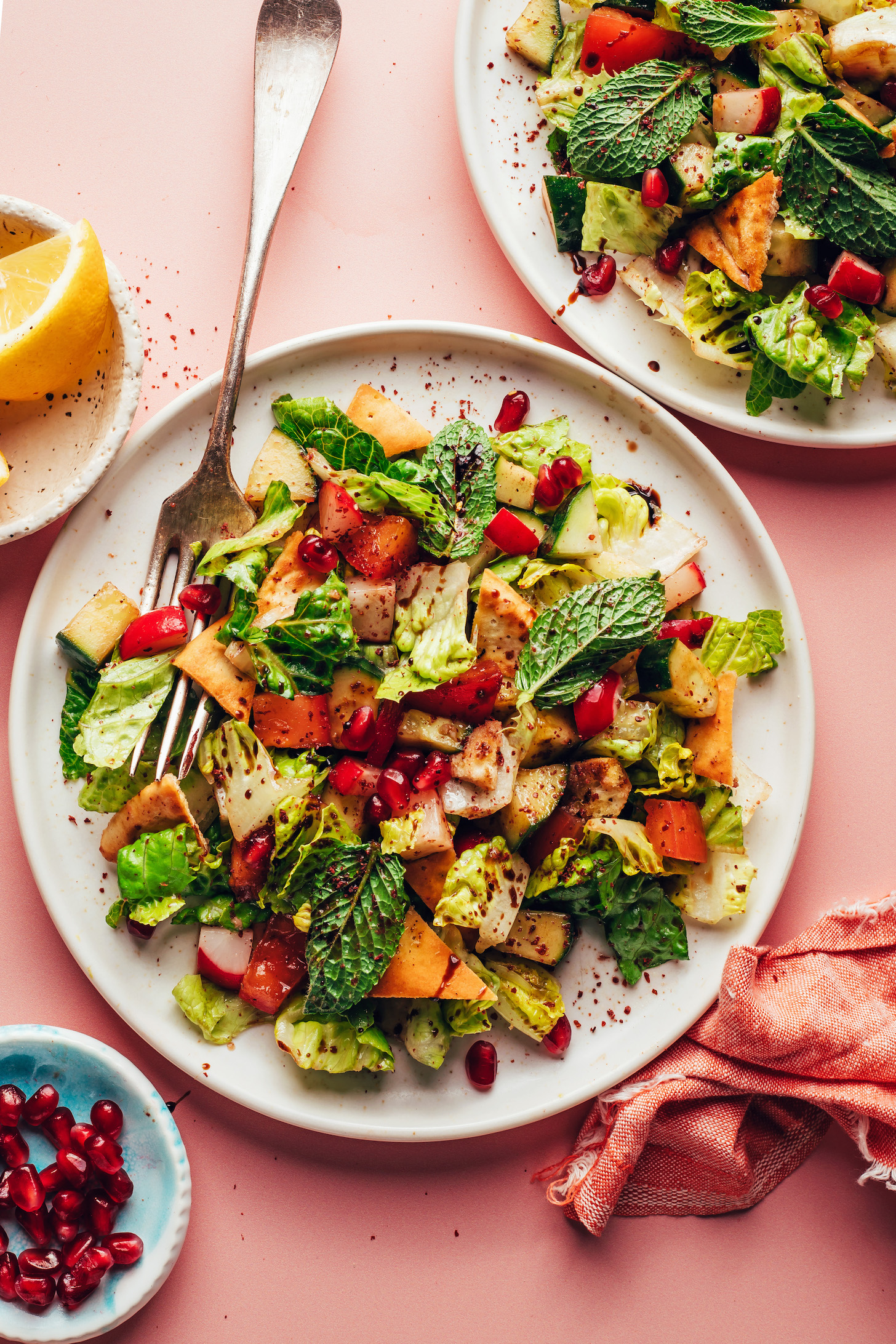
- Final Textural Layers: The fresh mint, pomegranate arils, and pita chips are added immediately before serving. This timing is critical; if the pita chips are added too early, they lose their characteristic crunch, which is the defining feature of the dish.
The Role of Sustainable Practices in Traditional Cuisine
The modern resurgence of Fattoush also touches upon the growing "zero-waste" movement in the culinary industry. While the 20-minute version often utilizes store-bought pita chips for convenience, the traditional method of using day-old flatbread remains a gold standard for sustainability. By taking bread that would otherwise be discarded and transforming it into a gourmet component through toasting and seasoning (often with oregano and sea salt), the dish exemplifies a circular food economy.
In a statement regarding the evolution of such dishes, culinary historians suggest that the global popularity of Fattoush is linked to a broader appreciation for "peasant food"—dishes that were born out of necessity but perfected through generations of flavor balancing. This "democratization of fine dining" allows high-quality, nutritionally balanced meals to be accessible outside of formal restaurant settings.
Broader Market Trends and Global Culinary Integration
The rise of the "one-bowl" Fattoush recipe is indicative of larger shifts in the global food market. According to recent market research, the "Healthy Fast Casual" sector has seen a 15% increase in demand for Mediterranean-inspired dishes over the last five years. Consumers are increasingly seeking meals that offer a "complex flavor profile"—specifically the "sour-sweet" and "umami" notes found in pomegranate molasses and sumac.
Furthermore, the integration of Middle Eastern spices into mainstream grocery stores has facilitated the home-cooking of these dishes. Sumac, once a specialty item found only in ethnic markets, is now a common staple in the spice aisles of major retailers. This accessibility has allowed the Fattoush salad to move from a regional specialty to a global favorite, often paired with protein sources like chickpeas or grilled meats to create a complete meal.
Implications for Public Health and Lifestyle
The adoption of quick, vegetable-heavy recipes like the 20-minute Fattoush has positive implications for public health. As urban populations face rising rates of lifestyle-related illnesses, the availability of recipes that can be prepared in less time than it takes to order takeout is a vital tool in dietary intervention. The Fattoush salad proves that "convenience food" does not have to be processed or high in sodium.
In conclusion, the Easy Fattoush Salad (1 Bowl!) is more than just a recipe; it is a synthesis of historical resourcefulness and modern efficiency. It preserves the vibrant, acidic, and crunchy heart of Levantine cuisine while adapting to the logistical constraints of the 21st century. As the global culinary landscape continues to prioritize health, sustainability, and speed, dishes like Fattoush are likely to remain at the forefront of the international diet, serving as a bridge between ancient traditions and modern lifestyles.