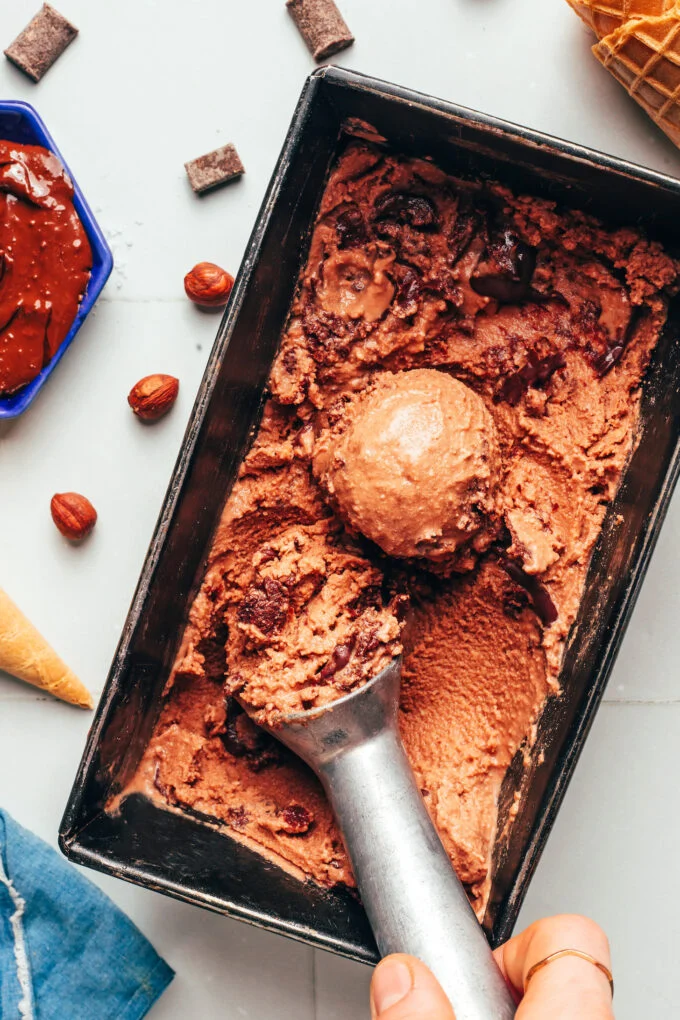

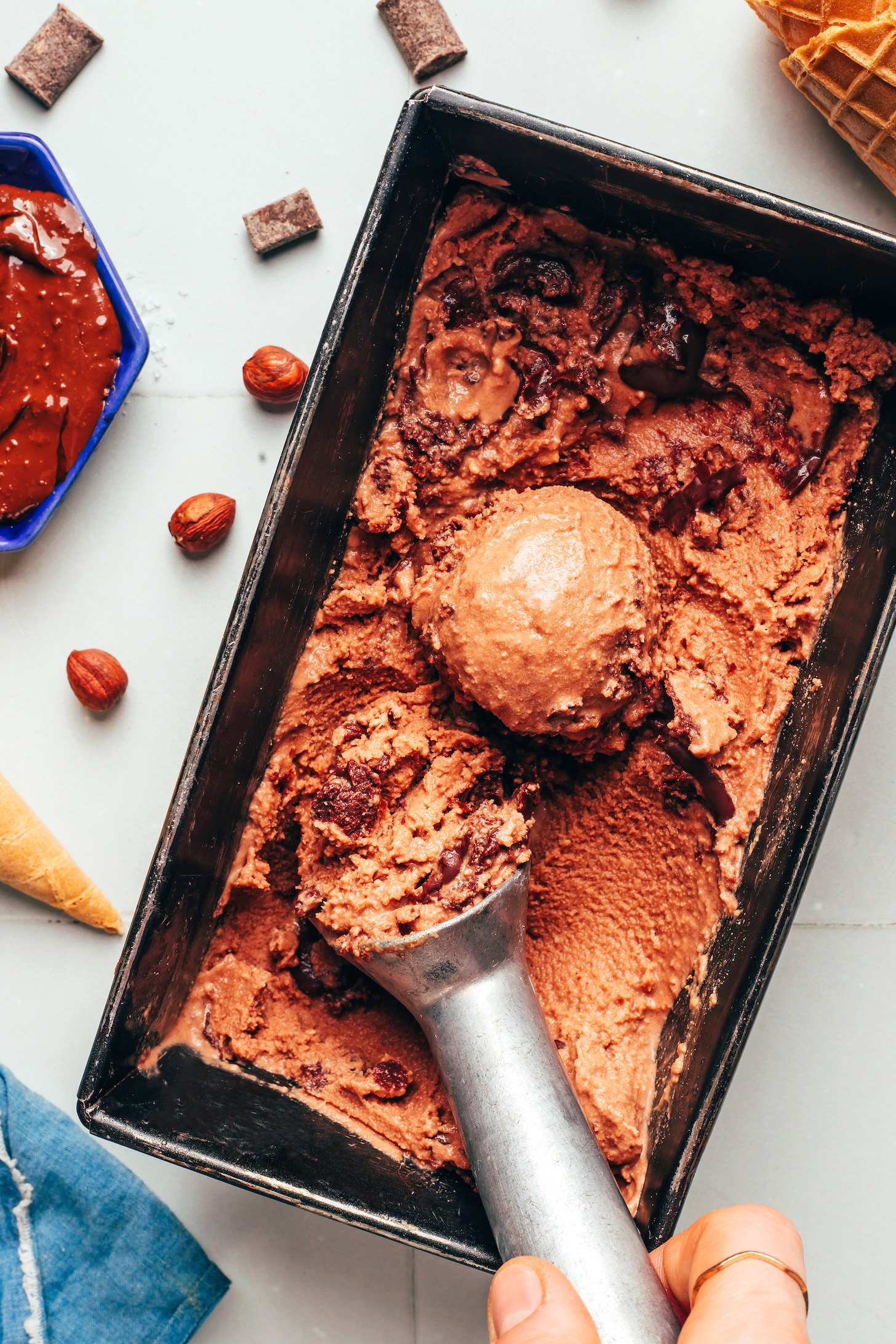
The culinary landscape of plant-based desserts has reached a new milestone with the introduction of a simplified, six-ingredient vegan Nutella ice cream, a recipe designed to bridge the gap between high-end artisanal gelato and accessible home cooking. Developed by the digital culinary platform Minimalist Baker, this recipe utilizes a strategic combination of roasted hazelnuts, dairy-free chocolate, and coconut milk to replicate the complex flavor profile of traditional Gianduja—the 19th-century Piedmontese cocoa and hazelnut paste that preceded modern hazelnut spreads. By focusing on a minimalist ingredient list, the recipe addresses a growing consumer demand for "clean label" treats that avoid the stabilizers and artificial emulsifiers often found in commercial dairy-free frozen desserts.
Technical Composition and Ingredient Synergy
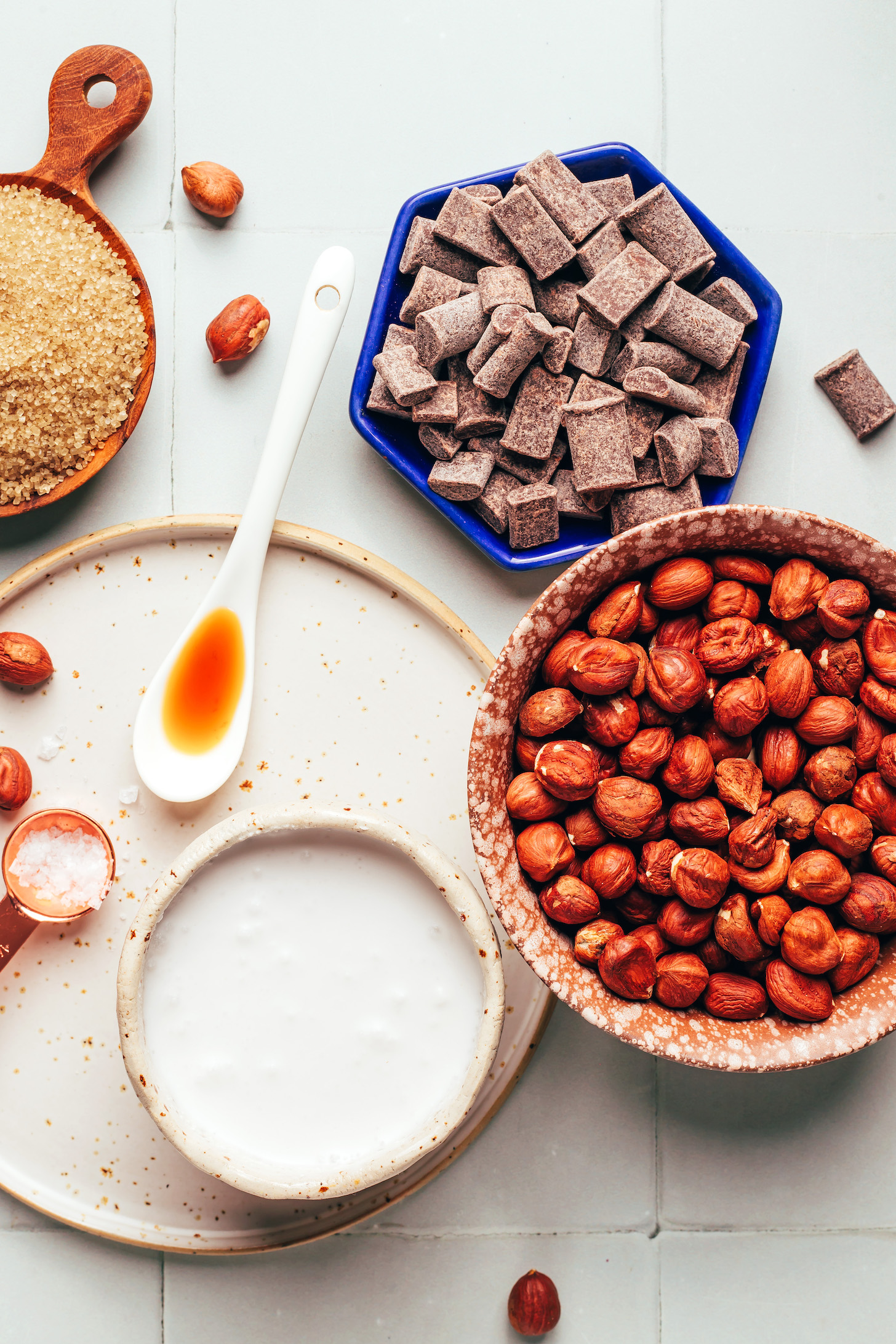
The success of this vegan frozen dessert relies on the chemical interaction between its six primary components: hazelnuts, chocolate chunks, canned light coconut milk, cane sugar, vanilla, and salt. Unlike traditional ice cream, which relies on bovine milk proteins and fats for structure, this version utilizes the monounsaturated fats found in hazelnuts and the medium-chain triglycerides (MCTs) in coconut milk.
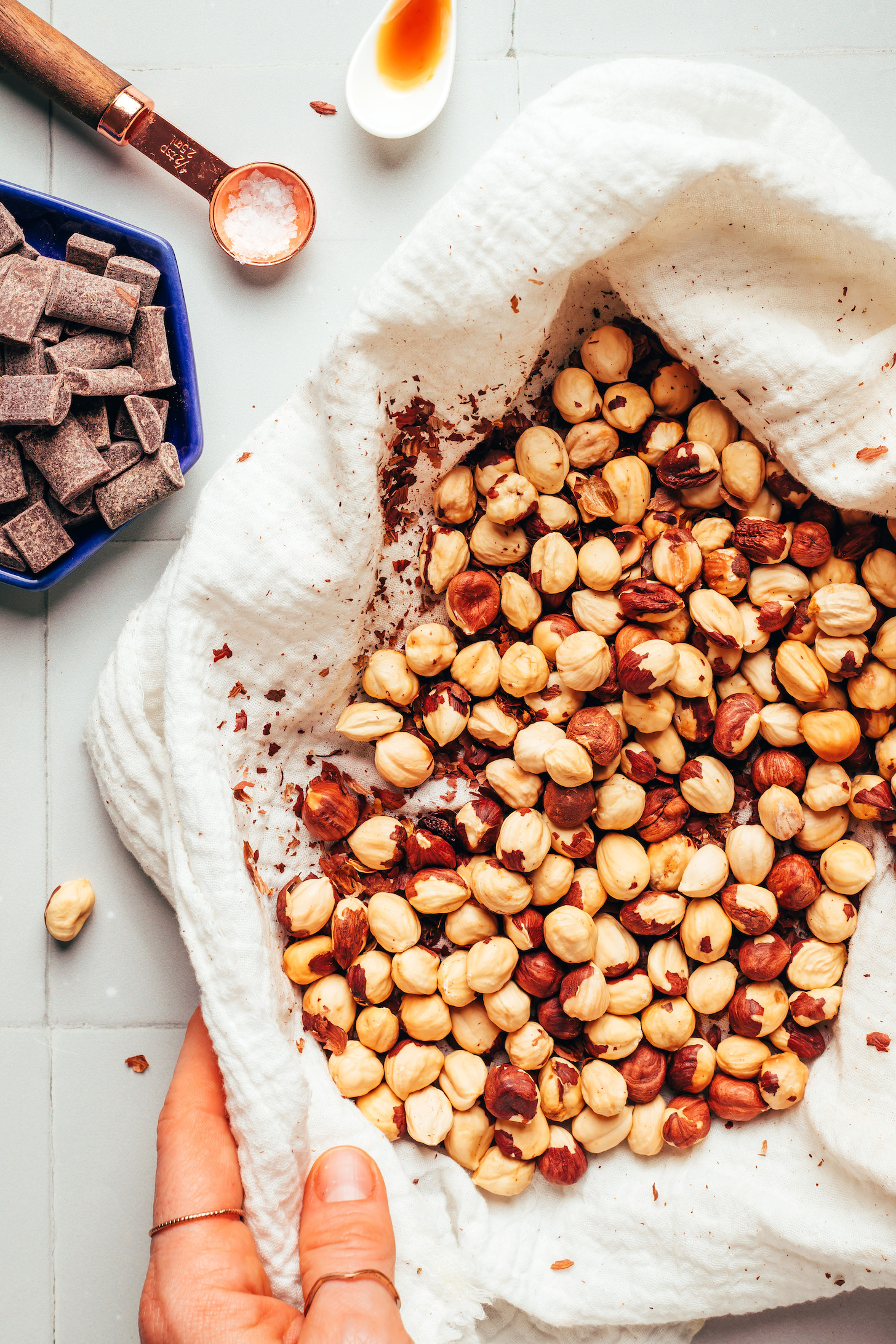
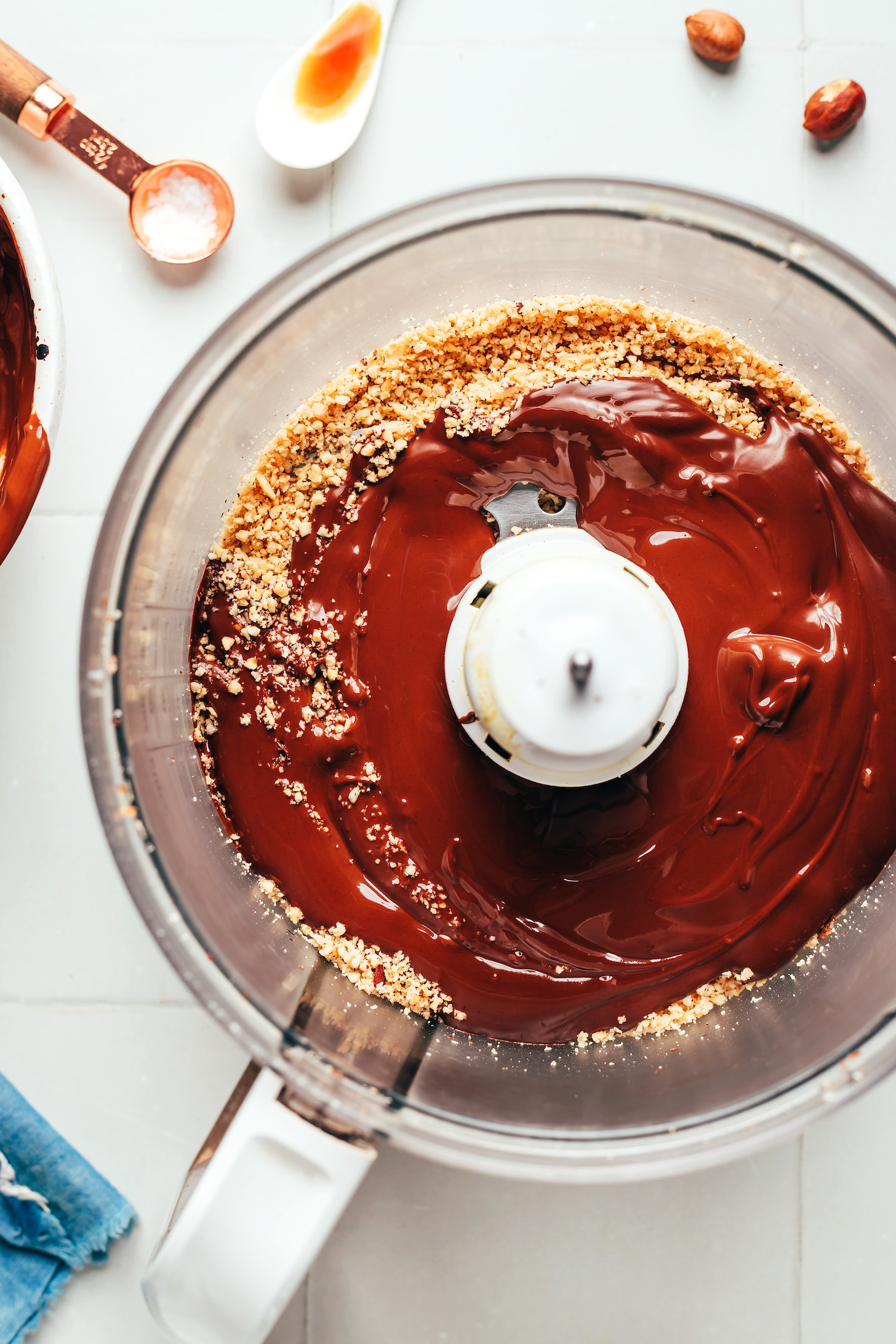
Hazelnuts serve as the structural and flavor foundation. The process begins with roasting the nuts, a critical step that initiates the Maillard reaction, a chemical reaction between amino acids and reducing sugars that gives browned food its distinctive flavor. Roasting not only enhances the aromatic profile but also loosens the skins and warms the natural oils, making the nuts easier to pulverize into a smooth butter. When blended with melted dairy-free chocolate, these oils create a stable emulsion that mimics the mouthfeel of traditional dairy fats.
The choice of canned light coconut milk is equally strategic. While full-fat coconut milk can sometimes lead to a "waxy" texture when frozen due to its high saturated fat content, light coconut milk provides a balanced moisture-to-fat ratio. This ensures the final product remains "fluffy" rather than rock-hard. The addition of cane sugar is not merely for sweetness; sugar acts as a cryoprotectant, lowering the freezing point of the mixture to prevent the formation of large ice crystals, thereby ensuring a smoother scoop.
Chronological Development and Preparation
The preparation of the vegan Nutella ice cream follows a rigorous timeline designed to maximize flavor extraction and texture stability. The process is divided into three distinct phases: the creation of the hazelnut-chocolate base, the cooling period, and the aeration phase.
The initial phase involves roasting raw hazelnuts at a controlled temperature until fragrant. Once cooled slightly, the skins are removed—a step that prevents bitterness in the final product. These nuts are then processed in a high-speed blender with melted chocolate. A portion of this homemade "Nutella" is reserved to be used as a ripple, providing textural contrast against the smooth ice cream base.
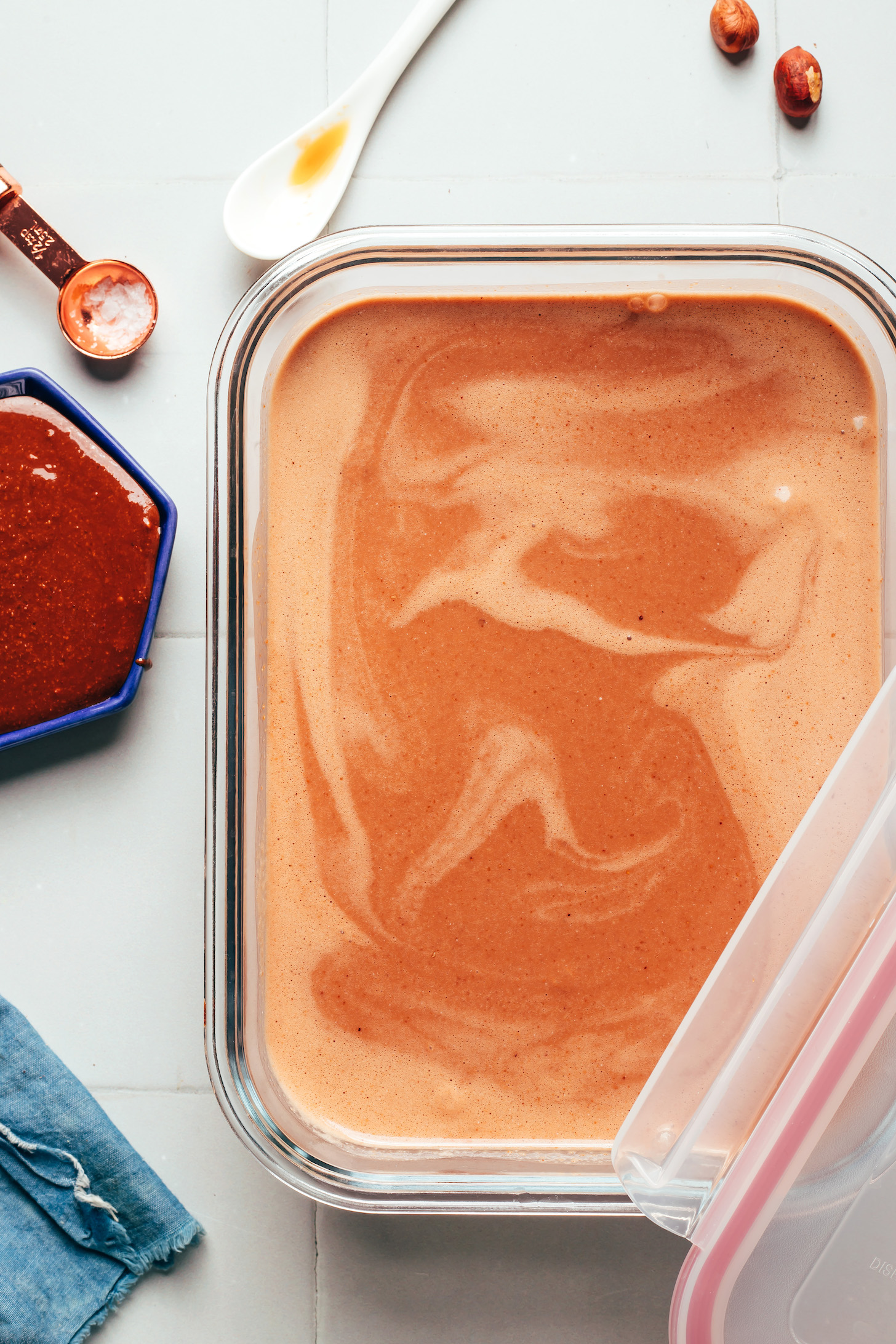
The second phase is the homogenization of the base. The remaining hazelnut-chocolate mixture is blended with coconut milk, sugar, vanilla, and a pinch of salt. According to the recipe’s technical specifications, this mixture must be refrigerated for a minimum of one hour. This cooling period is essential in professional confectionery; it allows the fats to begin crystallizing and ensures the mixture enters the ice cream maker at an optimal temperature, which significantly reduces the churning time and improves the final overrun (the amount of air incorporated into the mixture).
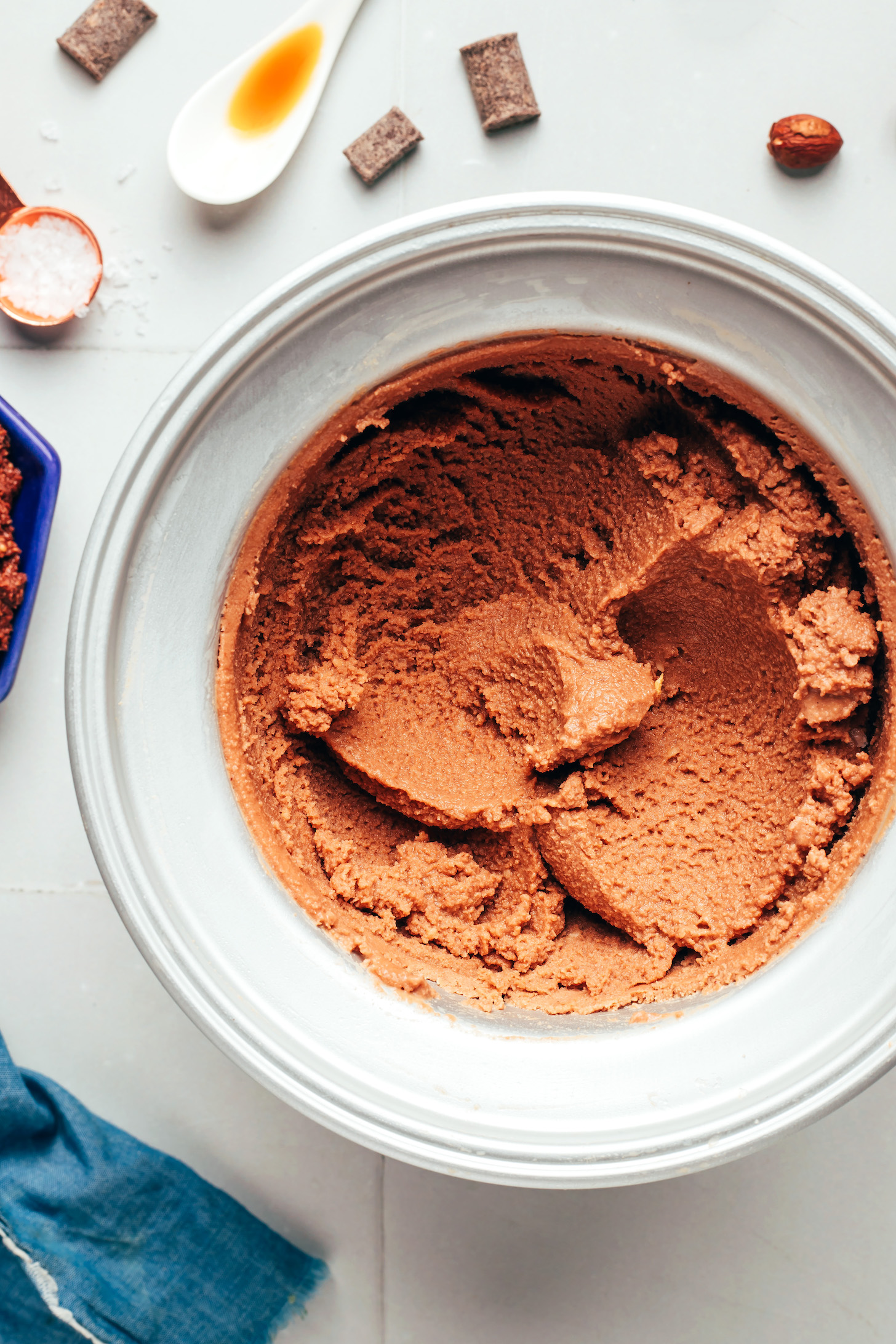
The final phase occurs in the ice cream maker, where the base is churned for approximately 30 minutes. During this time, the paddle incorporates air while the canister’s frozen walls draw heat away, creating a micro-crystalline structure. The reserved hazelnut-chocolate spread is folded in at the very end, creating the signature "swirl" that characterizes premium Nutella-flavored desserts.
Nutritional Profile and Comparative Data
From a nutritional standpoint, the vegan Nutella ice cream offers a distinct profile compared to traditional dairy-based hazelnut ice creams. A single half-cup serving contains approximately 277 calories, with 21.2 grams of fat and 21.5 grams of carbohydrates.
One of the most notable data points is the fat composition. Of the 21.2 grams of total fat, only 9.4 grams are saturated. The remainder consists of monounsaturated (6.9g) and polyunsaturated (1.2g) fats, largely derived from the hazelnuts. Hazelnuts are dense in Vitamin E, manganese, and copper, and while some of these micronutrients are diluted in the freezing process, they provide a more nutrient-dense fat source than the anhydrous milk fats found in standard ice cream.
Furthermore, the recipe contains zero cholesterol, a significant factor for consumers monitoring cardiovascular health. Sodium levels are also kept remarkably low at 31 mg per serving, contrasting with many processed vegan desserts that use high sodium levels to compensate for a lack of dairy flavor depth. With 2.8 grams of fiber and 3.6 grams of protein per serving, the dessert provides a modest level of satiety-inducing macronutrients often absent from sugar-heavy frozen treats.
The Global Context: The Rise of Dairy-Free Indulgence
The release of this recipe comes at a time of significant growth in the global dairy-free ice cream market. According to recent market analysis reports, the global vegan ice cream market was valued at approximately $600 million in 2021 and is projected to reach over $1.2 billion by 2030, growing at a compound annual growth rate (CAGR) of roughly 8%.
This growth is driven by several factors:
- Lactose Intolerance: A significant portion of the global population (estimated at 65-70%) has a reduced ability to digest lactose after infancy, making dairy-free alternatives a necessity rather than a preference.
- Environmental Concerns: Consumers are increasingly aware of the environmental footprint of dairy farming. Plant-based fats, particularly those derived from nuts and coconuts, generally require less water and produce fewer greenhouse gas emissions than bovine milk production.
- The "Clean Label" Movement: There is a rising skepticism toward long ingredient lists. By offering a 6-ingredient solution, Minimalist Baker taps into the "DIY" trend where consumers prefer to control the quality of their ingredients, such as choosing organic cane sugar or fair-trade chocolate.
Inferred Industry Reactions and Culinary Implications
While official statements from large-scale confectionery brands like Ferrero (the makers of Nutella) are rarely issued regarding independent recipes, the broader culinary industry has seen a shift in how professional chefs view veganism. The "Nutella lover’s dream" described in this recipe highlights a shift from veganism as a restrictive diet to one of indulgence.
Professional pastry chefs note that the use of hazelnut oil as a primary fat source is a sophisticated technique. In traditional Italian gelato shops, "Nocciola" (hazelnut) is often considered the benchmark of quality. By replicating this with coconut milk and dairy-free chocolate, the recipe validates the idea that plant-based ingredients can achieve the same "creamy, dreamy" results as their dairy counterparts without the need for chemical thickeners like carrageenan or xanthan gum.
The implication for the home cook is a democratization of gourmet flavors. The requirement of an ice cream maker remains the only technical barrier, though the recipe’s popularity suggests a continued resurgence in home appliance sales as more people opt for homemade versions of luxury food items.
Broader Impact on Sustainable Gastronomy
The long-term impact of such recipes extends beyond the kitchen. As more individuals adopt plant-based recipes for their "sweet treats," the cumulative effect on the food supply chain is notable. The reliance on hazelnuts, a perennial crop that can help with soil carbon sequestration, represents a move toward more sustainable ingredient sourcing.
Minimalist Baker’s approach—prioritizing recipes that are often gluten-free and vegan while remaining under ten ingredients—has fundamentally changed the digital food landscape. This Nutella ice cream is a microcosm of that philosophy: it simplifies a complex, beloved flavor into a manageable process that aligns with modern dietary trends.
As the summer season approaches, the demand for such recipes is expected to peak. The versatility of the chocolate-hazelnut base also suggests further applications in the plant-based sector, including vegan Nutella banana bread, hazelnut milks, and grilled sandwiches, all of which contribute to a robust ecosystem of dairy-free alternatives that do not sacrifice the sensory pleasure of traditional confectionery.
In conclusion, the 6-ingredient Vegan Nutella Ice Cream serves as a case study in modern recipe development. It balances the science of cryogenics and emulsification with the simplicity of whole-food ingredients, providing a high-quality, nutritionally transparent alternative to commercial frozen desserts. For the growing demographic of vegan and dairy-free consumers, it represents not just a dessert, but a sophisticated evolution of plant-based gastronomy.