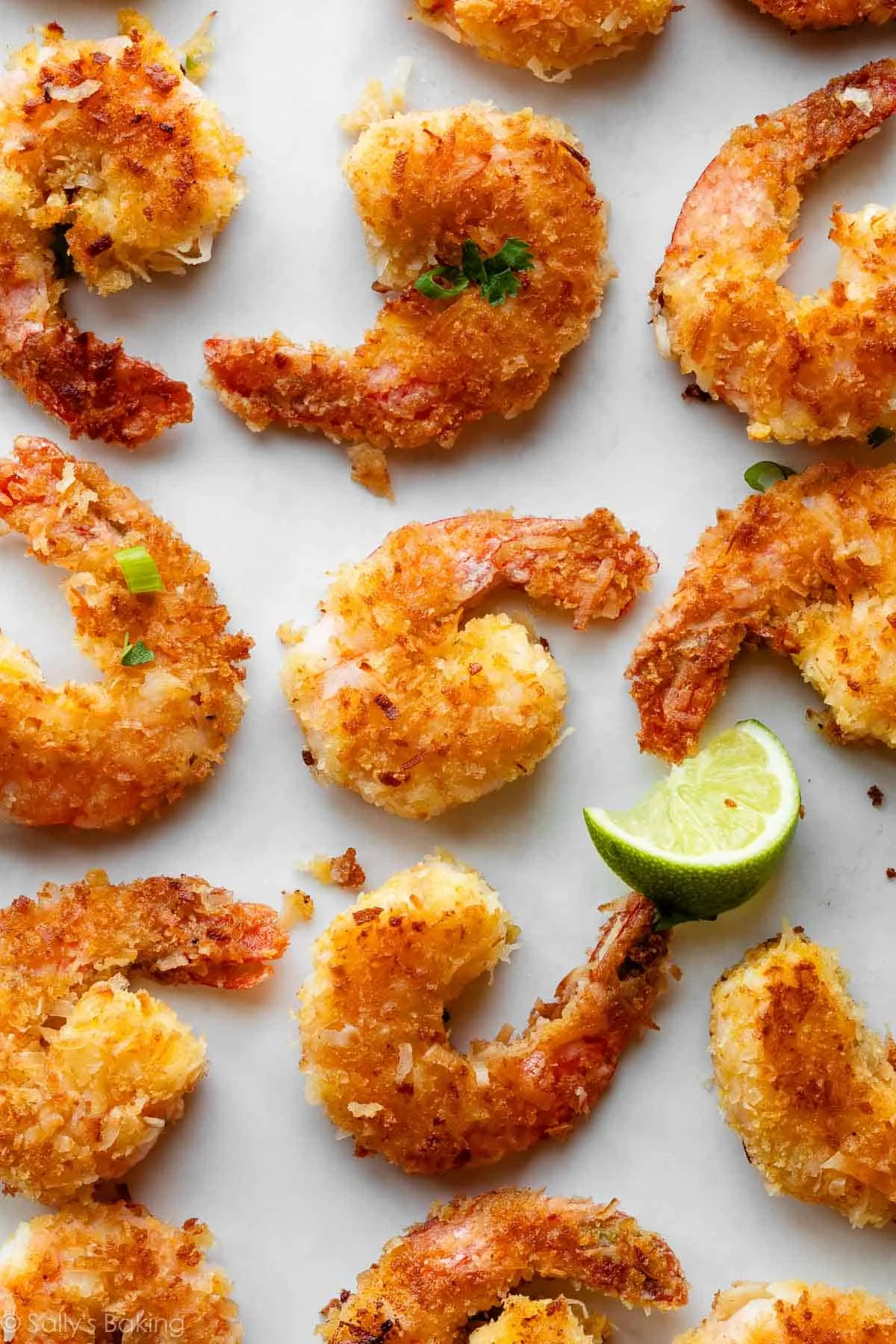

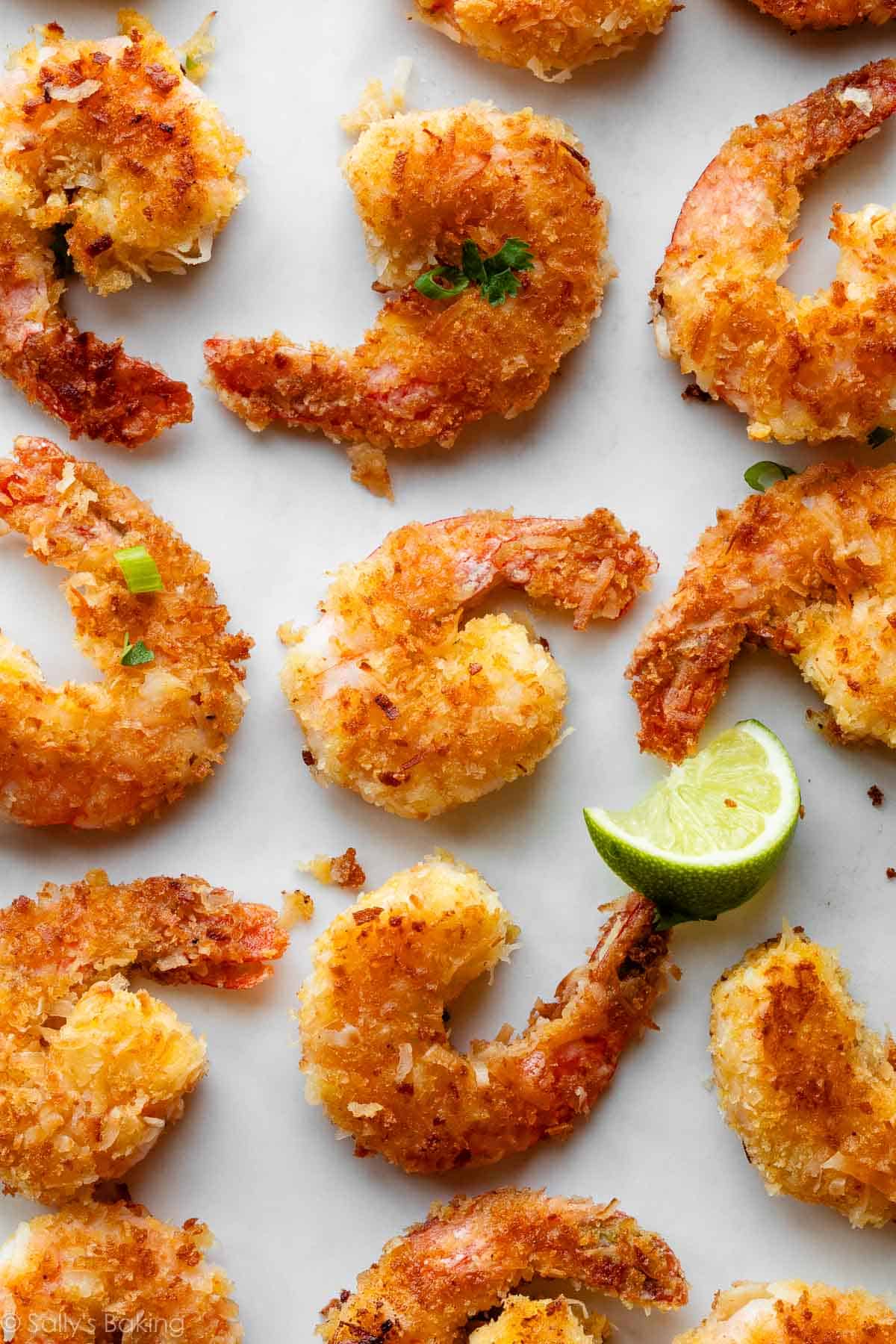
Golden, sweet, and crisp coconut shrimp consistently stands out as a crowd-favorite finger food, frequently disappearing from serving platters with remarkable speed, particularly when paired with a spicy-sweet dipping sauce. The preparation, from recipe to execution, is notably straightforward, rendering this beloved dish an accessible option for home cooks. Whether served as a main course alongside a fresh salad or presented as an appetizer or snack, its universal appeal ensures it will be thoroughly enjoyed.
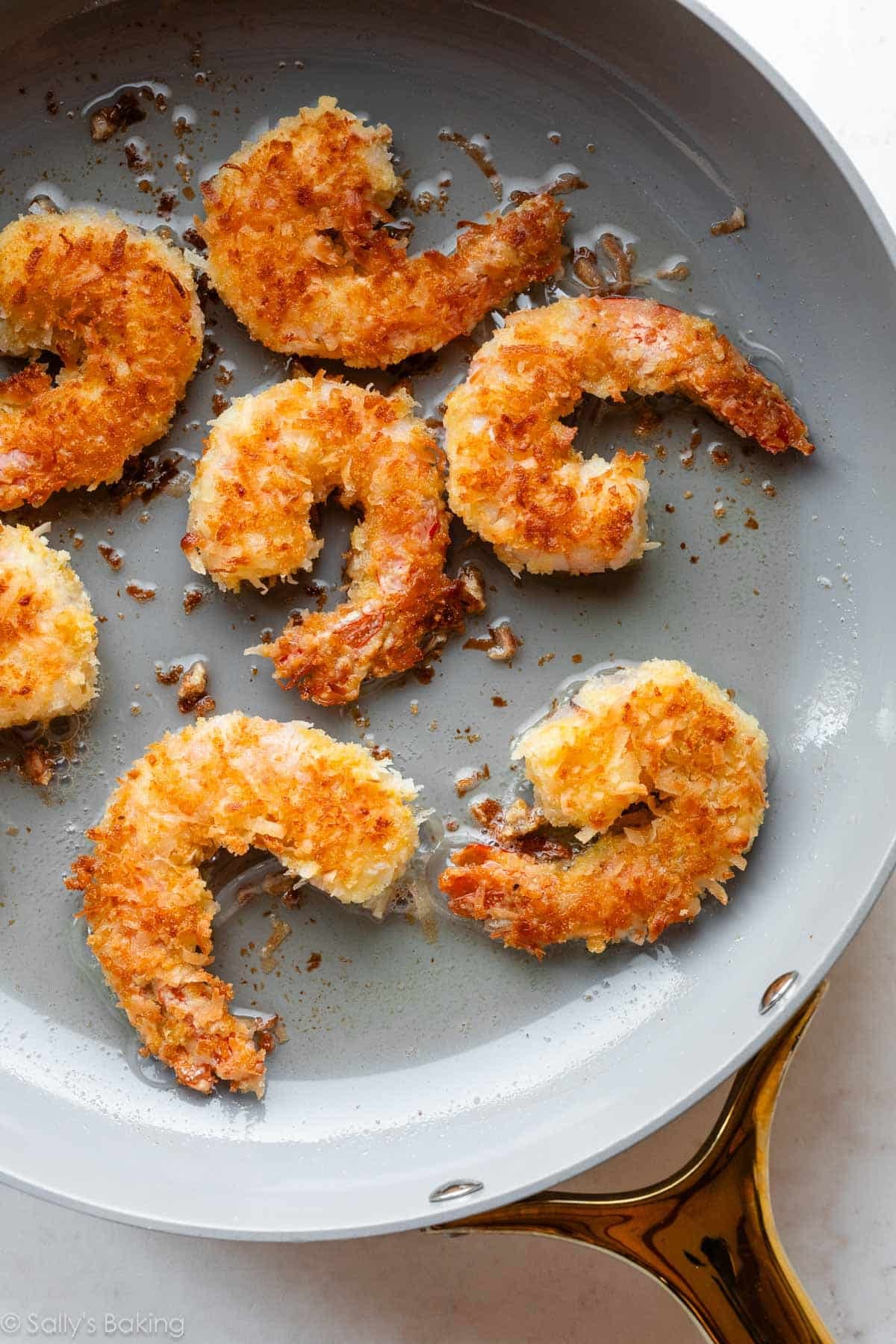
This culinary staple, originally documented in 2014, has since seen its recipe refined with updated visuals and enhanced success tips, underscoring its enduring popularity and the continuous pursuit of perfection in its preparation. The dish embodies the ideal balance of crispy texture and succulent flavor, positioning it as a restaurant favorite that, surprisingly, often tastes even better when prepared at home. Each piece of shrimp, tender and juicy, is enveloped in a meticulously crafted coating of sweetened shredded coconut and Panko breadcrumbs, then pan-fried until it achieves a perfect golden hue and irresistible crunch.
The longevity and reliability of this recipe, which has been a consistent go-to for years, are attributed to its beginner-friendly nature and its efficient preparation time of approximately 30 minutes, utilizing readily available ingredients. For those venturing into homemade coconut shrimp for the first time, comprehensive guidance ensures the coating remains impeccably crisp and adheres perfectly to the shrimp, avoiding common pitfalls. The widespread approval is evident in feedback from home cooks; for instance, a reader identified as Paul remarked, "I made these tonight for an appetizer for us and they turned out PERFECTLY! Thank you so much for such a great recipe. I cannot wait until we have guests to make these for them." This sentiment reflects the recipe’s proven success and the satisfaction it brings to those who prepare it.
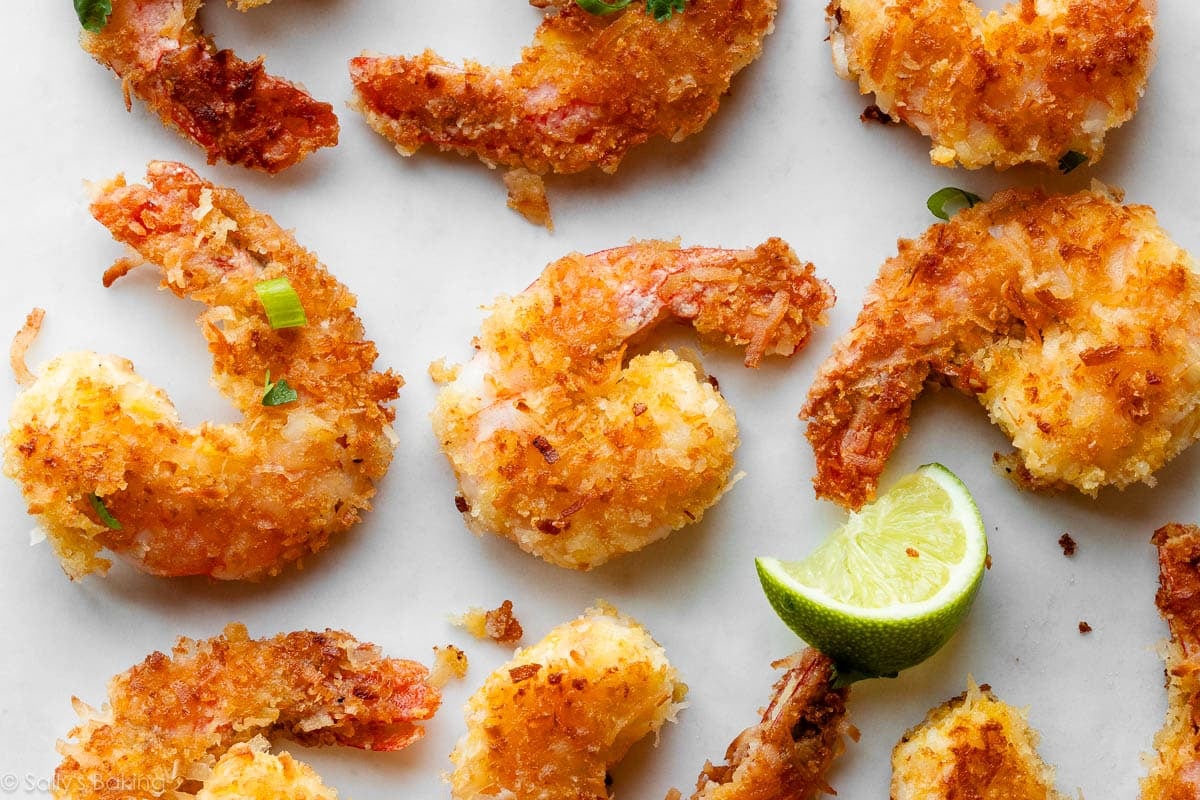
The intrinsic simplicity of ingredients and minimal cooking time make this shrimp recipe an excellent choice for a midweek meal or a swift appetizer. Its appeal lies not just in its flavor but also in its practicality, fitting seamlessly into various dining scenarios.
The Allure of Coconut Shrimp: A Culinary Phenomenon
Coconut shrimp’s ascent to culinary stardom is no accident. Its unique combination of sweet, savory, and subtly spicy notes, coupled with a satisfying crunch, appeals to a broad palate. This dish represents a perfect fusion of tropical flavors with classic frying techniques, making it a versatile addition to menus ranging from casual gatherings to more formal events. The demand for such approachable yet gourmet-tasting recipes has steadily grown, with home cooks increasingly seeking to replicate restaurant-quality experiences in their own kitchens.
The appeal extends beyond taste, encompassing the sensory experience. The visual golden-brown perfection, the aromatic hint of toasted coconut, and the audible crunch upon biting into a perfectly cooked piece all contribute to its status as a highly sought-after dish. This multi-sensory engagement elevates coconut shrimp from a mere food item to a memorable dining experience, explaining its consistent popularity across demographics.
Historical Roots and Global Flavors
To fully appreciate coconut shrimp, it’s beneficial to explore its culinary lineage, drawing from the histories of its core ingredients and preparation methods.
Shrimp: A Global Staple
Shrimp has been a vital food source across cultures for millennia. Its global distribution, ease of harvest, and rich flavor profile have made it a cornerstone of coastal cuisines worldwide. From the elaborate preparations in Asian stir-fries and curries to the simple grilled or boiled versions in Mediterranean and Latin American dishes, shrimp’s versatility is undeniable. In the modern era, advancements in aquaculture and freezing technologies have made shrimp widely accessible, transforming it from a regional delicacy into a global commodity, readily available in most markets, fresh or frozen. This accessibility is a key factor in the widespread adoption of recipes like coconut shrimp in home kitchens.
The Versatility of Coconut
Coconut, another star ingredient, boasts an equally rich history. Indigenous to tropical regions, the coconut palm has provided sustenance, hydration, and materials for countless generations. In culinary applications, coconut milk, cream, and shredded coconut are central to the cuisines of Southeast Asia, India, the Caribbean, and parts of Africa and Latin America. Its ability to impart sweetness, richness, and a distinctive aroma makes it invaluable in both sweet and savory dishes. The use of sweetened shredded coconut in recipes like coconut shrimp likely evolved from traditions where sugar was used to preserve and enhance the flavor of fruits and nuts, adding a caramelized dimension when cooked.
The Art of Frying
Frying as a cooking method also has ancient origins, prized for its ability to create crispy textures and intensify flavors. Across various cultures, deep-frying and pan-frying techniques have been perfected for meats, vegetables, and seafood. Japanese tempura, British fish and chips, and various forms of fritters found globally all attest to the enduring appeal and technical mastery involved in frying. The technique chosen for coconut shrimp, pan-frying, offers a balance between achieving a crispy exterior and ensuring the shrimp remains juicy, without the need for large quantities of oil typically associated with deep-frying.
Evolution of a Classic
While the precise origin of coconut shrimp as a distinct dish is not definitively documented, it is widely believed to have emerged from a confluence of culinary traditions, possibly gaining significant traction in American and Caribbean-influenced restaurant scenes during the latter half of the 20th century. Its popularity likely stemmed from the fusion of tropical flavors (coconut) with a familiar seafood item (shrimp) prepared in a universally appealing crispy format (fried). Restaurants, particularly those specializing in seafood or fusion cuisine, played a crucial role in popularizing the dish, establishing it as a go-to appetizer. The subsequent transition to a widely replicated home recipe speaks volumes about its inherent simplicity and broad appeal, demonstrating how a restaurant highlight can become a domestic favorite through accessible instruction.
Crafting Perfection: The Science of Crispy Coating
The success of coconut shrimp hinges significantly on its signature crispy coating, which is achieved through a precise, multi-layered breading process. Understanding the function of each component is crucial for replicating restaurant-quality results at home.
Optimal Shrimp Selection
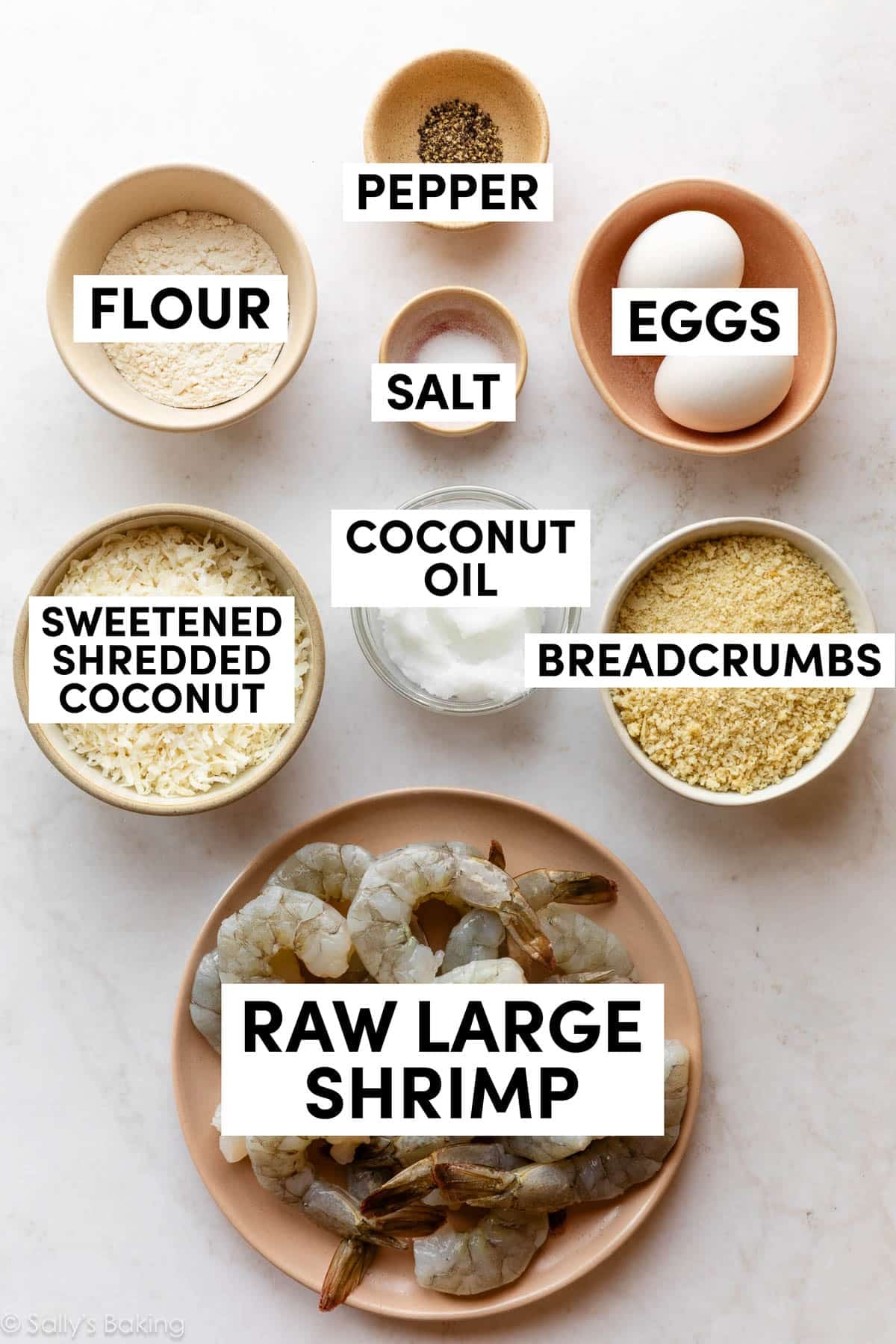
For the best possible outcome, large raw shrimp are highly recommended. These should be peeled and deveined, ideally with the tails left intact. The tails serve a practical purpose, making the shrimp easier to handle during preparation and cooking, and providing a convenient "handle" for diners, especially when served as an appetizer. Large shrimp are preferred because they retain more moisture and juiciness during the cooking process, mitigating the natural tendency of shrimp to shrink. While medium shrimp can be used, they will yield a noticeably smaller final product. Whether fresh or frozen, the quality of the shrimp is paramount. If using frozen shrimp, complete thawing and thorough patting dry are essential steps. Excess moisture on the shrimp surface prevents the coating from adhering properly, leading to a less crispy and potentially uneven texture.
The Three-Layer Breading Technique
The secret to the exceptional crispiness of this coconut shrimp lies in its meticulous three-layer coating system:
- Flour Dredge: The first layer involves dredging the shrimp in all-purpose flour seasoned with salt and pepper. This initial coating creates a dry surface that provides a crucial foundation, allowing the subsequent egg wash to adhere uniformly.
- Egg Wash: Following the flour, the shrimp is dipped into beaten eggs. The egg wash acts as a binding agent, ensuring that the final, flavorful coconut-Panko mixture securely attaches to the shrimp.
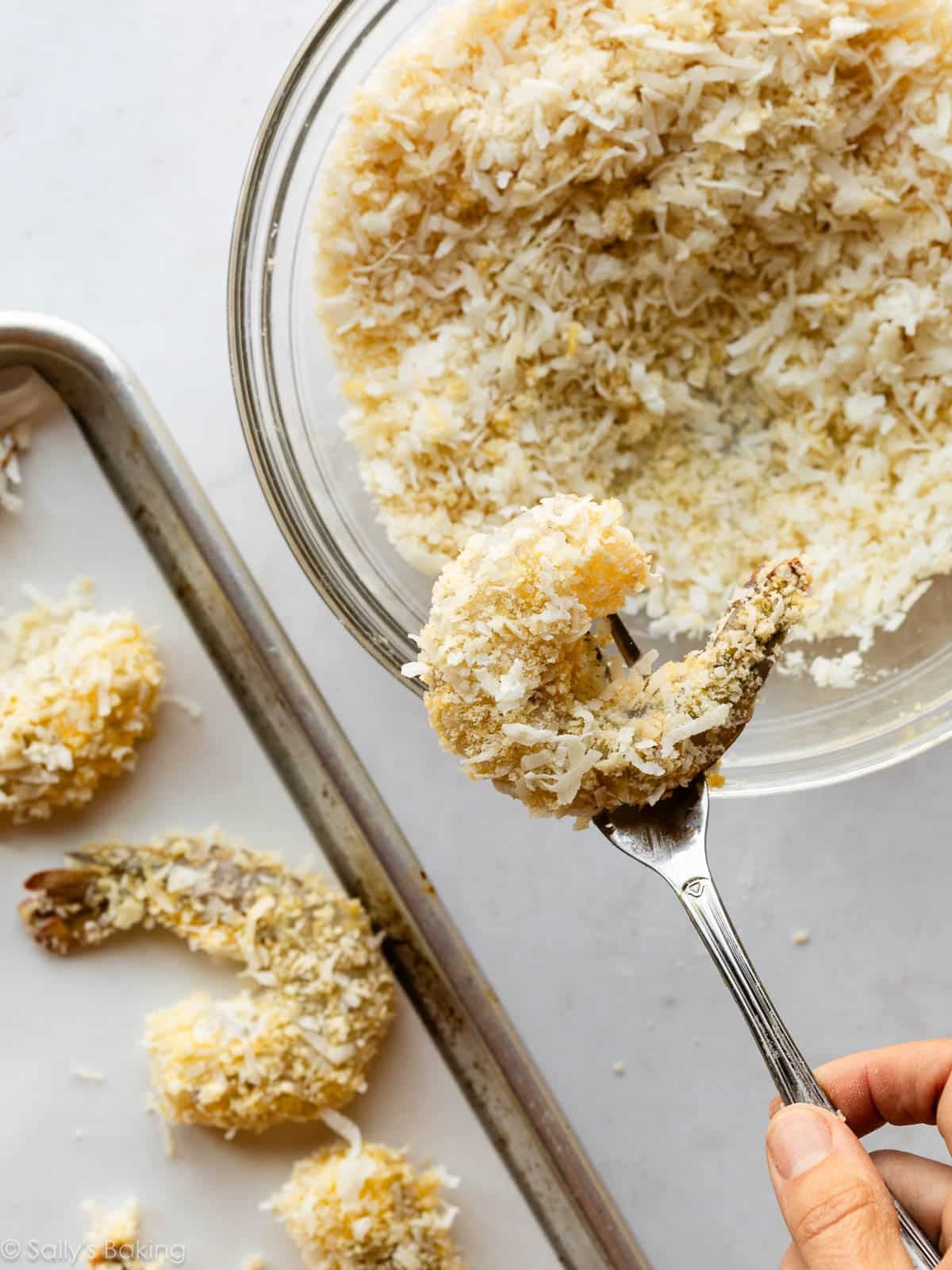
- Coconut-Panko Blend: The final and most critical layer consists of a blend of sweetened shredded coconut and Panko breadcrumbs. Panko, a Japanese-style breadcrumb, is specifically chosen for its light, airy, and flaky texture, which absorbs less oil during frying compared to traditional breadcrumbs, resulting in a superior crispiness. The sweetened coconut caramelizes slightly when cooked, adding a delightful sweetness and an extra layer of crunch. Firmly pressing this mixture onto each shrimp ensures a generous and even coating, which is vital for the desired texture and flavor.
Each layer serves a distinct purpose, building upon the last to create a robust, flavorful, and incredibly crispy crust that encapsulates the succulent shrimp within. Skipping any step or rushing the process can compromise the final texture and adherence of the coating.
Frying for Flawless Texture
The frying process is equally important in achieving the perfect crispy exterior without overcooking the shrimp. Using enough oil to adequately cover the bottom of the skillet is necessary, with cooking tongs being an invaluable tool for easy flipping. Frying in batches is a critical success tip; overcrowding the pan can drastically lower the oil temperature, leading to soggy shrimp that absorb excessive oil rather than crisping up.
Maintaining a consistent medium heat for the oil is paramount. Oil that is too hot will cause the coconut coating to burn quickly before the shrimp has a chance to cook through, while oil that is too cool will result in an overly greasy and less crispy product. Once cooked to a golden-brown perfection, the shrimp should be immediately transferred to a plate lined with paper towels. This step allows any excess oil to drain off, preserving the crispiness and enhancing the overall eating experience.
Beyond the Plate: Dipping Sauces and Culinary Versatility
While delicious on its own, coconut shrimp truly shines when accompanied by a complementary dipping sauce, which can elevate the flavor profile and add another dimension to the dish.
The Essential Accompaniment
Just as zucchini fritters find their perfect partner in a Greek yogurt dip, coconut shrimp benefits immensely from a well-chosen sauce. A popular choice is a simple yet effective 2-ingredient orange chili sauce, combining store-bought Thai sweet chili sauce with orange preserves. This blend offers a delightful sweet-and-spicy kick that beautifully contrasts with the rich sweetness of the coconut and the savory shrimp. The brightness of the orange cuts through the richness, creating a balanced and irresistible bite. Other popular dipping options include mango salsa, pineapple chutney, or a classic sweet and sour sauce, each offering a unique flavor pairing that caters to different preferences.
Serving Suggestions and Adaptations
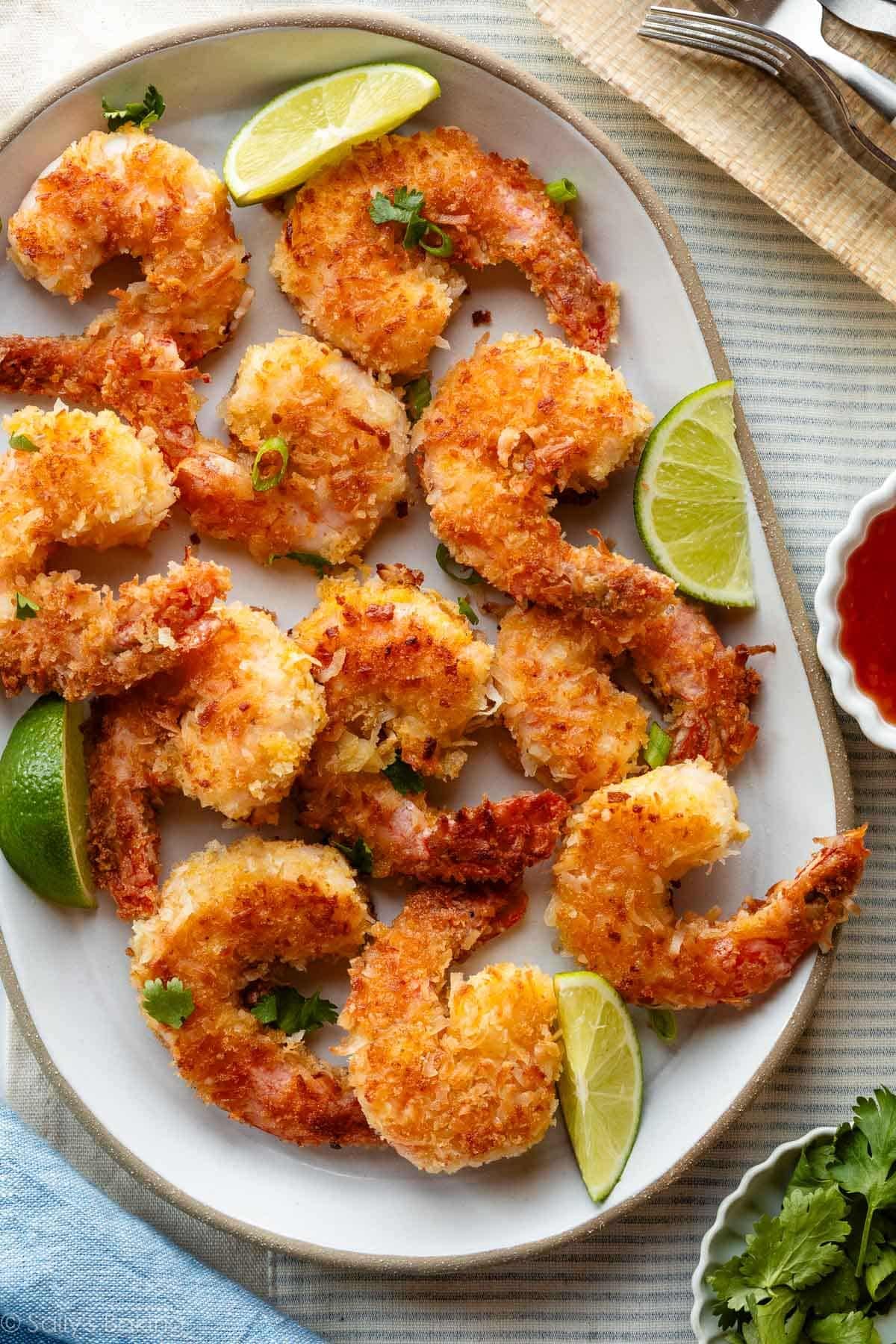
Coconut shrimp’s versatility makes it suitable for various occasions. As an appetizer, it pairs well with lime wedges and a sprinkle of fresh cilantro for garnish, adding a touch of freshness and visual appeal. For a light meal, it can be served alongside a crisp green salad, a refreshing coleslaw, or even coconut rice. The dish’s adaptability also extends to preparation methods. While pan-frying is traditionally preferred for its crispness, contemporary health-conscious trends have led to successful adaptations for oven-baking or air-frying, offering a less oil-intensive alternative without significantly compromising the desired crunch. These methods still benefit from the multi-layer breading technique to ensure proper coating adherence and texture.
Expert Insights and Home Kitchen Success
The consistent positive feedback from home cooks and the endorsement by culinary experts underscore the recipe’s reliability and quality.
From Restaurant to Home Table
The transformation of coconut shrimp from a typical restaurant offering to a widely embraced home-cooked meal highlights a broader trend in modern gastronomy: the democratization of culinary expertise. Recipes like this, characterized by clear instructions and achievable steps, empower individuals to recreate sophisticated dishes in their own kitchens. Food bloggers and culinary websites play a crucial role in this process, demystifying complex techniques and providing practical tips that build confidence among aspiring home chefs. The satisfaction derived from successfully preparing a dish previously enjoyed only in restaurants is a significant driver of its popularity.
Tips for Consistent Excellence
Experienced cooks and culinary instructors often emphasize several key points for consistent success:
- Ingredient Quality: Using fresh, high-quality shrimp and Panko breadcrumbs is non-negotiable for superior taste and texture.
- Dryness is Key: Ensuring the shrimp are thoroughly patted dry before breading is the most frequently cited tip for coating adherence.
- Even Coating: Firmly pressing the coconut-Panko mixture onto the shrimp ensures a substantial and uniform crust.
- Temperature Control: Monitoring oil temperature is critical to prevent burning or sogginess. A food thermometer can be useful for precision.
- Batch Frying: Avoiding overcrowding the pan is essential for maintaining oil temperature and achieving even cooking.
- Sweetened vs. Unsweetened Coconut: While unsweetened coconut can be used, sweetened shredded coconut is recommended for its ability to caramelize and contribute to the dish’s signature crispness and flavor profile. The sugar content aids in achieving that desired golden, slightly toasted finish.
Economic and Cultural Footprint
The sustained popularity of coconut shrimp also has broader implications for the food industry and culinary culture. Its presence on menus supports local seafood suppliers and contributes to the demand for specific ingredients like Panko breadcrumbs and various chili sauces. The dish also exemplifies culinary globalization, showcasing how ingredients and techniques from diverse cultural backgrounds can converge to create universally appealing dishes.
The ease with which this dish can be prepared at home has also fueled interest in other "copycat" recipes for restaurant favorites, encouraging experimentation and skill development among home cooks. This trend suggests a lasting impact on how people engage with food, favoring both convenience and quality in their culinary pursuits. The undeniable appeal of crunchy, juicy, sweet, and savory elements in one bite ensures that coconut shrimp will remain a cherished item for years to come, a testament to its perfectly balanced profile. Its consistent ability to delight diners and home cooks alike positions it as more than just a recipe; it is a culinary experience that continues to evolve and inspire.