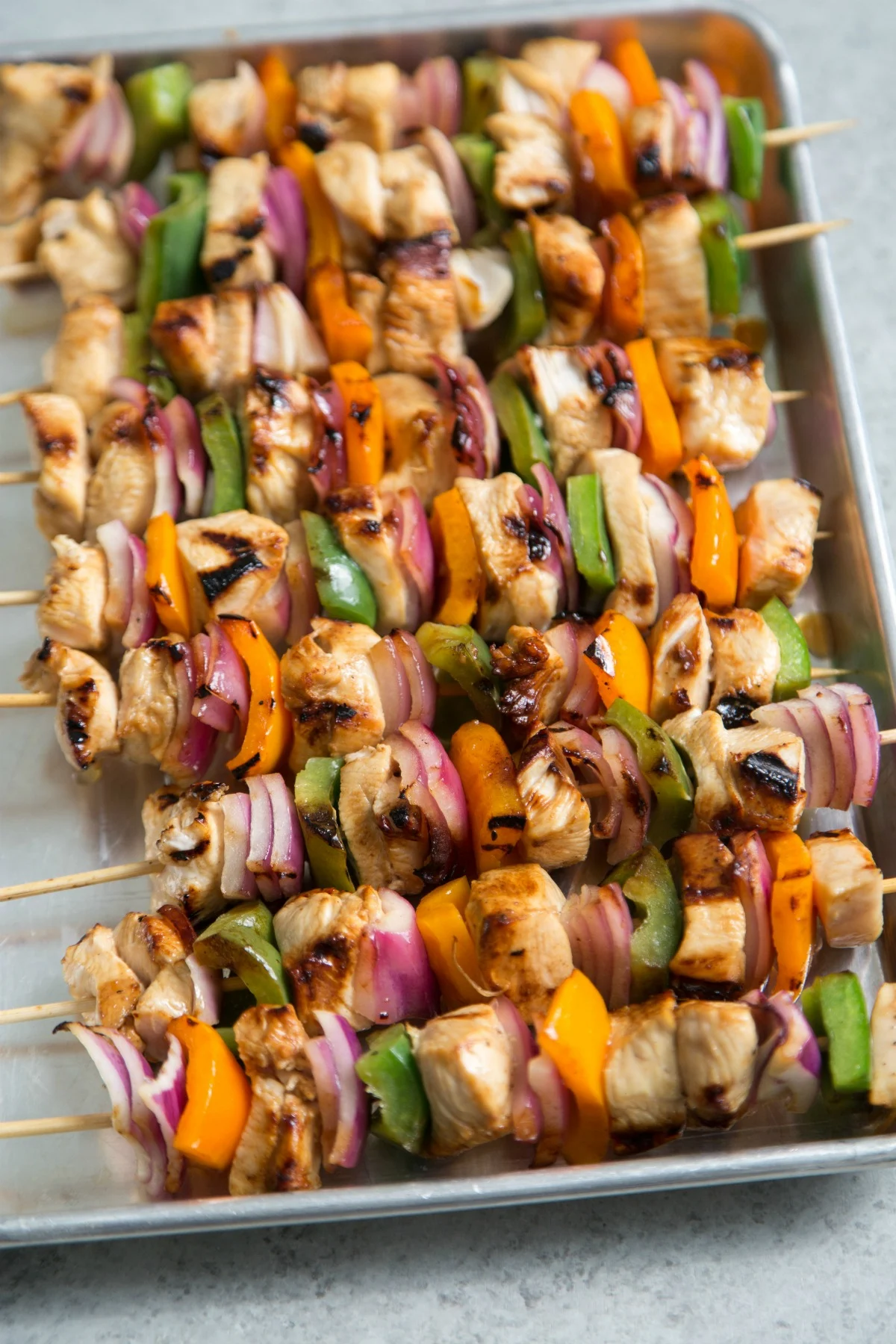

The grilling season is officially here, and with it comes the perennial desire for quick, flavorful, and versatile meals that capture the essence of summer. Kabobs, a universally beloved culinary creation, stand out as an ideal solution for both immediate enjoyment and efficient meal preparation. These skewers, adorned with a vibrant medley of proteins, vegetables, and sometimes even fruits, offer a delightful canvas for culinary creativity. Their inherent ease of preparation, high protein content, and remarkable customizability make them a staple for home cooks and grilling enthusiasts alike. This article delves into the world of kabob preparation, exploring a diverse range of eight enticing combinations designed to elevate your summer dining experience and streamline your meal prep routine.
The appeal of kabobs extends far beyond their visual charm. They represent a practical approach to cooking, allowing for a balanced meal to be cooked simultaneously on a single skewer. This efficiency is particularly valuable during busy summer months when time is often at a premium. The ability to mix and match ingredients ensures that kabobs can cater to a wide array of dietary preferences and nutritional needs, from keto and paleo-friendly options to vegetarian and vegan alternatives. Furthermore, the interactive nature of skewering ingredients can transform meal preparation into a family-friendly activity, fostering engagement and culinary exploration.
The fundamental concept of a kabob is simple: pieces of food threaded onto a skewer and cooked over heat. However, the possibilities for variation are virtually limitless. The foundation of any good kabob is a quality protein. While beef, particularly sirloin, is a classic choice, the culinary landscape opens up considerably when considering other options. Chicken breast or thighs, pork tenderloin, and a variety of seafood such as shrimp, salmon, swordfish, and mahi-mahi all grill beautifully and offer distinct flavor profiles. For vegetarian and vegan diners, firm tofu, tempeh, and hearty vegetables like halloumi cheese (a traditional choice in some regions) provide excellent alternatives.
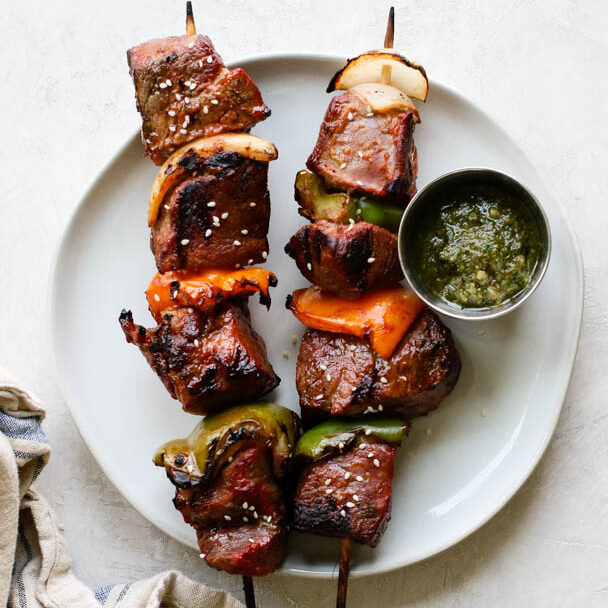
Beyond the protein, the selection of accompanying ingredients is crucial for creating a well-rounded and delicious kabob. Seasonal vegetables are a natural fit, offering freshness and vibrant color. Zucchini, yellow squash, bell peppers (in a rainbow of hues), red onion, cherry tomatoes, and mushrooms are perennial favorites. Their textures and flavors complement a wide range of proteins and marinades. For those looking to add a touch of sweetness or a different textural element, fruits such as pineapple, mango, or even chunks of apple can be incorporated, offering a delightful sweet and savory contrast.
Mastering the art of kabob construction and grilling involves a few key considerations to ensure optimal results. These include proper ingredient preparation, effective marination, and smart grilling techniques.
Essential Tips for Kabob Perfection
To achieve consistently delicious kabobs, several best practices can be employed:
- Uniform Cutting: Ensure all ingredients are cut into roughly uniform, bite-sized pieces. This is critical for even cooking, as smaller pieces will cook faster than larger ones.
- Marination Matters: Proteins, especially tougher cuts of meat, benefit significantly from marination. A marinade not only infuses flavor but also tenderizes the protein. Aim for marinating times that range from 30 minutes to several hours, depending on the protein and the marinade’s acidity.
- Skewer Preparation: If using wooden skewers, it is imperative to soak them in water for at least 30 minutes, or ideally longer, before use. This prevents them from charring or igniting on the grill. Metal skewers are a reusable and durable alternative that do not require soaking.
- Strategic Skewering: When threading ingredients onto the skewer, alternate between protein and vegetables, and consider the cooking times of each component. Place ingredients that cook at similar rates next to each other. Avoid overcrowding the skewer, as this can lead to uneven cooking and steaming rather than grilling.
- Grill Temperature and Management: Preheat your grill to the appropriate temperature. For most kabobs, a medium-high heat is ideal. Turn the skewers frequently to ensure even browning and cooking on all sides.
A Culinary Tour of Kabob Combinations
The beauty of kabobs lies in their adaptability. Here are eight diverse and inspiring combinations that showcase the versatility and delicious potential of this grilling classic:
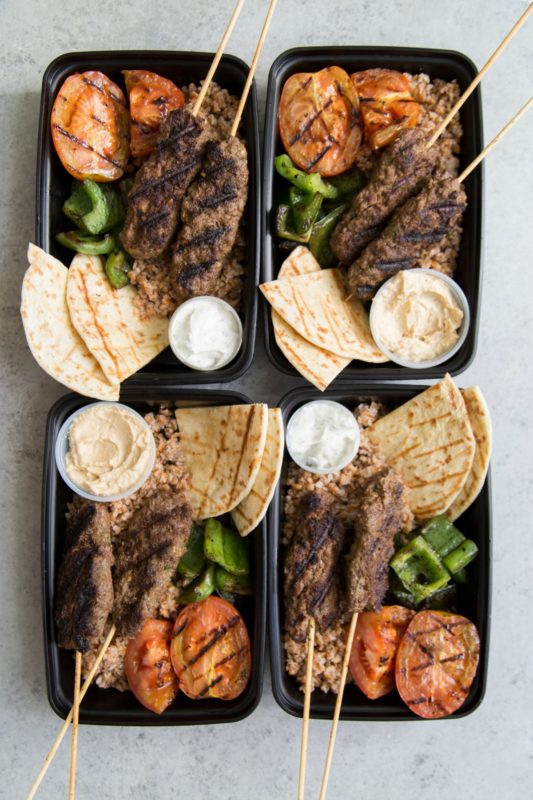
1. Kofta Kebab Meal Prep (Keto, Paleo, Whole30)
This flavorful option features ground beef seasoned with a robust blend of aromatic spices. Kofta, a type of meatball or meatloaf common in Middle Eastern and South Asian cuisines, is transformed into a skewer-friendly format. The lean ground beef is typically mixed with finely chopped onions, garlic, and a symphony of spices such as cumin, coriander, paprika, and a hint of cayenne for warmth. When grilled, the kofta develops a slightly charred exterior while remaining tender and juicy within. This dish is often served with a cooling tzatziki sauce or a creamy hummus, providing a delightful contrast to the spiced meat. Its suitability for keto, paleo, and Whole30 diets underscores its health-conscious appeal, making it a popular choice for those adhering to specific nutritional plans.
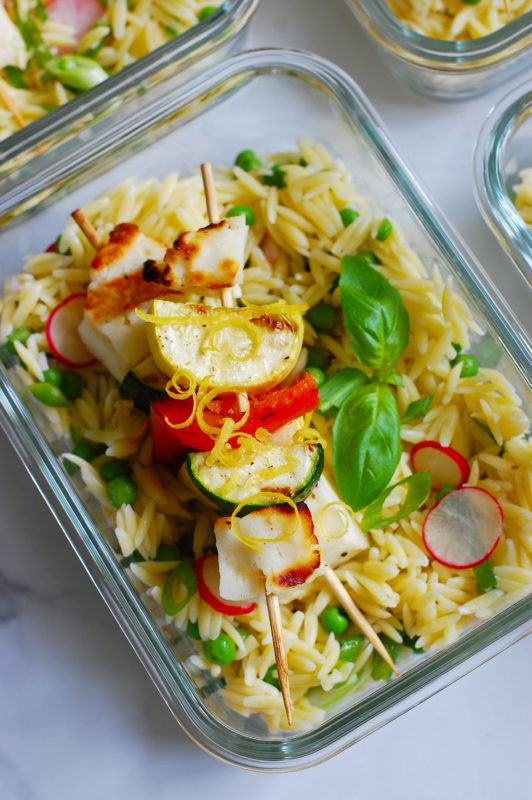
2. Grilled Halloumi & Summer Squash Kabob Meal Prep (Vegetarian)
A delightful vegetarian option, this kabob celebrates the bounty of summer produce. The star ingredient is halloumi cheese, a firm, brined cheese from Cyprus that holds its shape exceptionally well when grilled. Its salty, slightly chewy texture, combined with the tender sweetness of grilled summer squash and perhaps some vibrant bell peppers and red onion, creates a satisfying and flavorful dish. This kabob can be enjoyed warm off the grill, or it can be served chilled, much like a pasta salad, making it an incredibly versatile option for hot summer days. The cheese grills to a beautiful golden-brown, offering a delightful slight crispness on the outside.
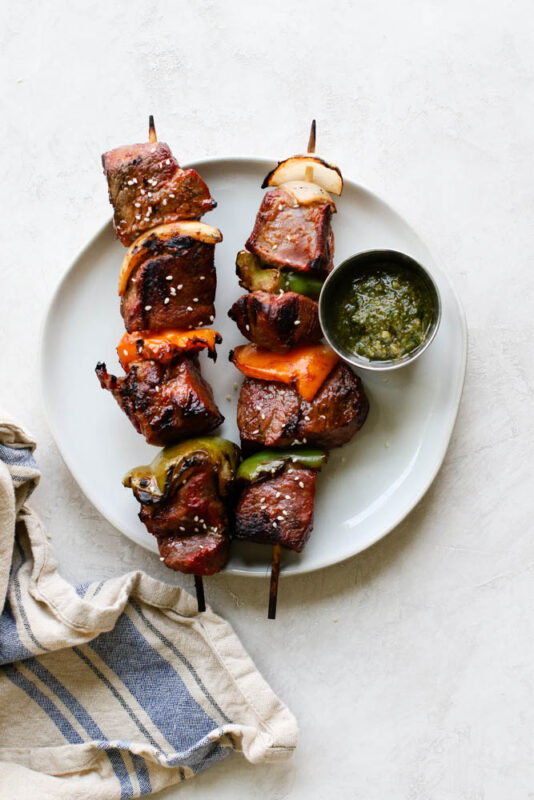
3. Pesto Beef Kabob Meal Prep (Keto, Paleo, Whole30)
Elevating simple beef kabobs, this recipe incorporates the vibrant flavors of pesto. Cubes of tender beef, such as sirloin or tenderloin, are marinated in a zesty pesto sauce, which typically includes basil, pine nuts, garlic, Parmesan cheese, and olive oil. The pesto infuses the beef with a herbaceous and garlicky punch. This combination is not only delicious but also adheres to keto, paleo, and Whole30 dietary guidelines, depending on the specific pesto ingredients used. For those seeking an alternative, a bright and tangy chimichurri sauce offers a similarly delightful flavor profile, adding another layer of culinary possibility. The ease of grilling this indoors on a grill pan also makes it a year-round option.
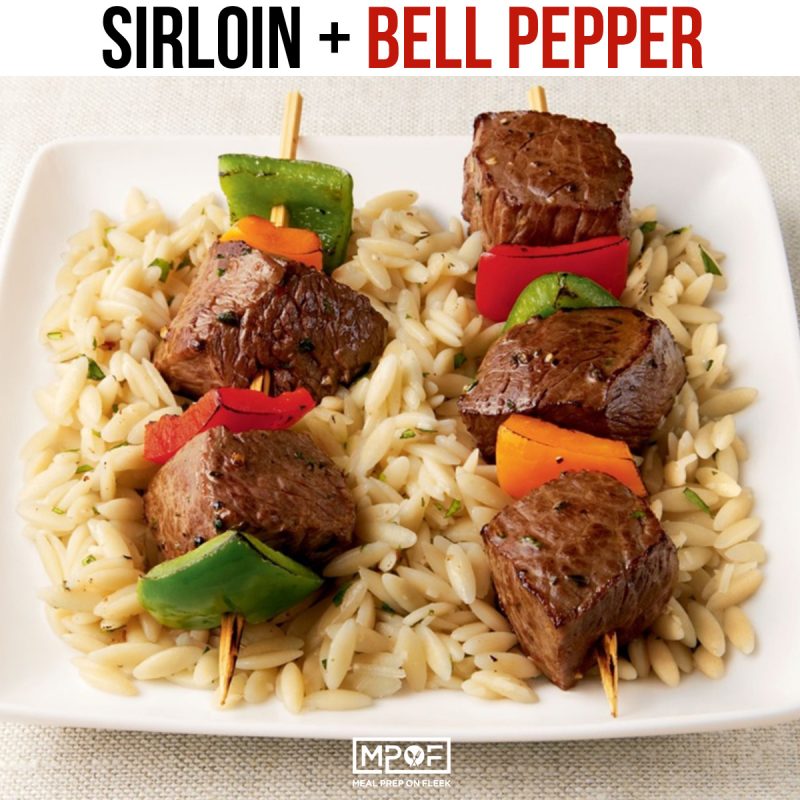
4. Sizzling Sirloin Kabobs on a Bed of Orzo
This hearty and satisfying combination pairs tender sirloin steak with a flavorful bed of orzo pasta. The sirloin is typically cut into cubes and marinated to enhance its tenderness and flavor. It’s then threaded onto skewers, often with complementary vegetables like bell peppers and onions, and grilled to perfection. The grilled kabobs are then served atop a warm, fluffy mound of orzo pasta, which can be cooked in a simple broth or with added herbs and garlic for extra depth. This pairing offers a complete and substantial meal, ideal for those seeking a more filling and protein-rich option. The combination of savory steak and comforting pasta makes this a popular choice for family dinners.
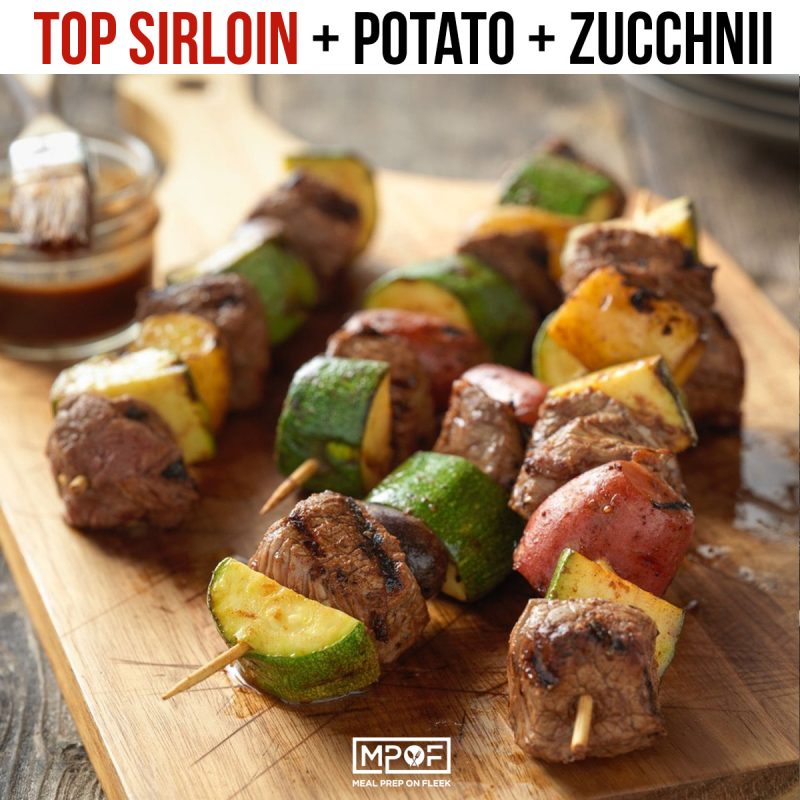
5. Beef Top Sirloin and Potato Kabobs
A modern twist on the classic steak and potatoes, this kabob creation brings the beloved duo to skewer form. The recipe ingeniously combines cubes of beef top sirloin with chunks of potato. To expedite the cooking process and ensure tenderness, the potatoes are often par-cooked, either by microwaving or boiling, before being skewered with the beef and other vegetables like zucchini or bell peppers. This dual-cooking approach ensures that both the beef and the potatoes are perfectly cooked and slightly caramelized on the grill, creating a delightful textural contrast. This method is particularly efficient for meal prepping, as the par-cooking step can be done in advance.
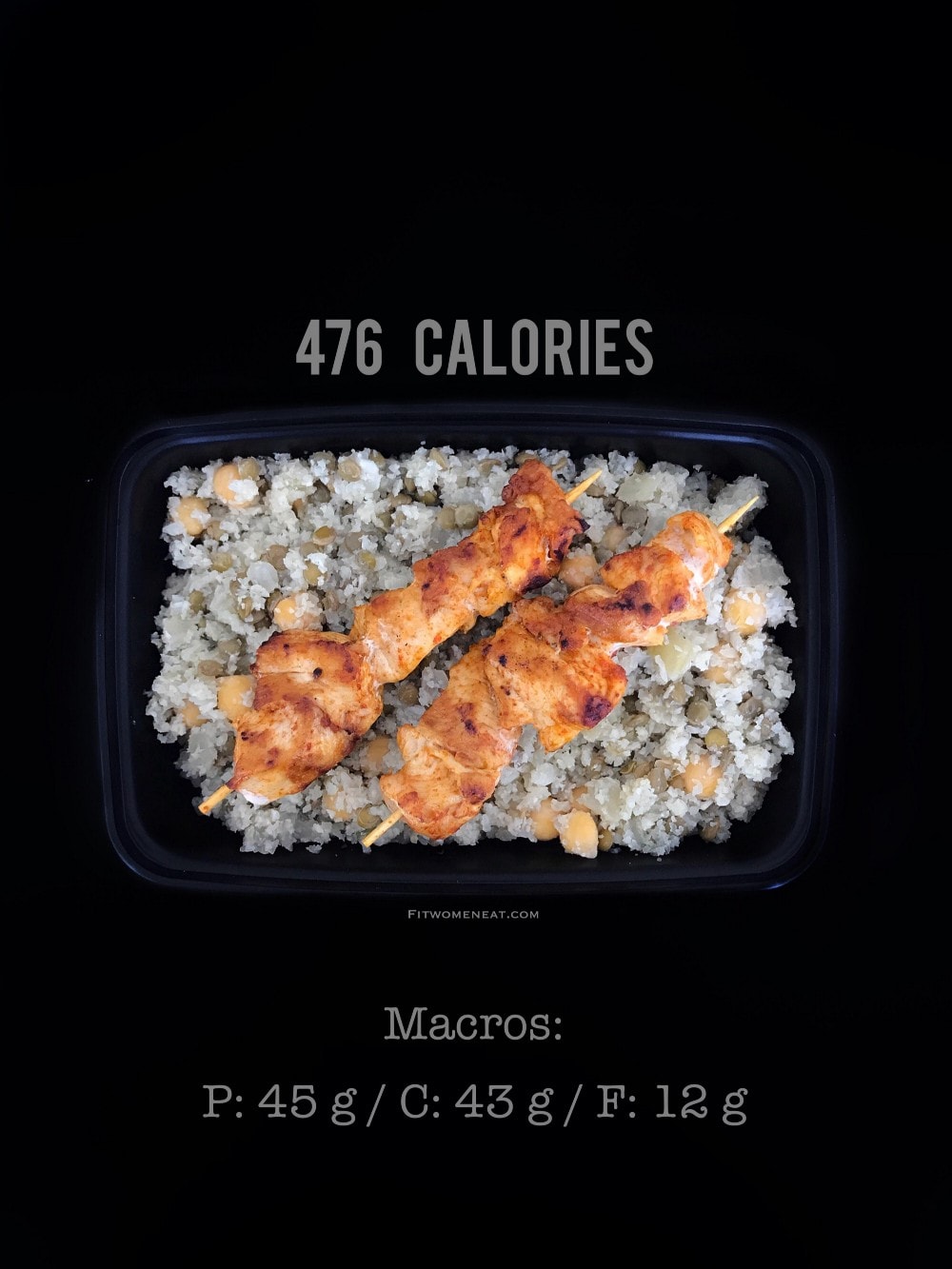
6. Cauliflower Fried Rice with Legumes and Chicken Shish Kabobs
This recipe offers a healthy and protein-packed meal that is ready in a remarkably short time, often within 20 minutes. It masterfully combines the convenience of cauliflower fried rice with the satisfying goodness of chicken shish kabobs. The chicken, cut into bite-sized pieces, is skewered and grilled, offering a lean protein source. The cauliflower rice, a popular low-carbohydrate alternative to traditional rice, is stir-fried with an assortment of legumes and vegetables, adding fiber and nutrients. This dish is a testament to how healthy eating can be both quick and delicious, making it an excellent option for weeknight dinners or a speedy meal prep.
7. Chicken Teriyaki Skewers
A perennial favorite, chicken teriyaki skewers offer a delightful balance of sweet and savory flavors. The key to this recipe lies in the marinade, where bite-sized pieces of chicken are immersed in a paleo-compliant teriyaki sauce. This sauce typically features ingredients like coconut aminos, ginger, garlic, and a touch of sweetness. Marinating the chicken for 30 to 60 minutes allows the flavors to penetrate deeply, resulting in incredibly tender and flavorful skewers. The simplicity of preparation makes this a highly accessible and enjoyable option for cooks of all skill levels. These skewers are often served with a side of steamed rice or a crisp salad for a complete meal.
8. Classic Beef, Mushroom, and Onion Kabob
This timeless combination celebrates the robust flavors of beef, mushrooms, and onions, all brought together on a skewer. Cubes of seasoned, tender steak are grilled alongside earthy mushrooms and sweet, caramelized onions. This classic pairing is not only a satisfying appetizer or snack but also serves as a hearty and fulfilling main course. The simplicity of the ingredients allows the natural flavors of the beef and vegetables to shine. This recipe embodies the essence of a traditional steak dinner, but in a more convenient and visually appealing skewer format, making it a crowd-pleaser for any occasion.
9. Citrus-Marinated Beef Top Sirloin and Fruit Kebabs
A refreshing and innovative approach to beef kabobs, this recipe introduces the unexpected yet delightful combination of citrus-marinated beef with fresh fruit. Cubes of tender beef top sirloin are marinated in a zesty citrus blend, which tenderizes the meat and imparts a bright, tangy flavor. Skewered alongside the beef are pieces of fresh fruit, such as pineapple, bell peppers, or even chunks of orange or grapefruit. The grilling process caramelizes the fruit, intensifying its sweetness and creating a beautiful interplay of flavors with the savory beef. This recipe, certified by the American Heart Association, highlights that healthy eating can be both exciting and delicious, encouraging diners to embrace unconventional yet rewarding flavor pairings.
The Broader Impact of Kabob Culture
The enduring popularity of kabobs can be attributed to several factors that resonate deeply with modern food trends and lifestyles. Firstly, the emphasis on fresh, seasonal ingredients aligns with a growing consumer awareness of health and sustainability. Kabobs provide an excellent platform for utilizing the best produce available during grilling season, supporting local farmers and reducing food miles.
Secondly, the customizability of kabobs caters to the increasing demand for personalized culinary experiences. Whether it’s accommodating dietary restrictions, catering to specific flavor preferences, or simply using up leftover ingredients, kabobs offer unparalleled flexibility. This adaptability makes them a perfect fit for diverse households and social gatherings.
Furthermore, kabobs embody the spirit of casual outdoor dining and social connection. The act of grilling is often a communal activity, bringing people together to share food and conversation. Kabobs, with their inherent visual appeal and interactive preparation, enhance this convivial atmosphere.
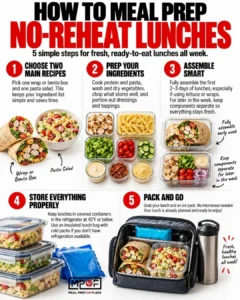
In terms of meal prep efficiency, kabobs are a standout option. The ability to assemble skewers in advance, often up to 24 hours ahead, significantly reduces last-minute cooking stress. This foresight allows for quick grilling on demand, ensuring healthy and delicious meals are readily available throughout the week. This practicality is a significant driver for busy individuals and families seeking to maintain a balanced diet without sacrificing convenience.
The economic implications of kabobs are also noteworthy. By utilizing various cuts of meat and a wide array of vegetables, kabobs can be an economical way to prepare protein-rich meals. They allow for portion control and can be adapted to fit various budget constraints. The use of less expensive cuts of meat, when properly marinated, can yield tender and flavorful results, making gourmet-style meals more accessible.
The evolution of kabob recipes also reflects broader culinary trends. The integration of global flavors, as seen in the Kofta and Teriyaki variations, showcases the increasing interconnectedness of cuisines and the desire for diverse taste experiences. The continued focus on healthy eating, with options like the Keto and Paleo-friendly recipes, demonstrates how kabobs can be adapted to meet contemporary nutritional goals.
As grilling season progresses, the humble kabob continues to prove its versatility and appeal. From quick weeknight dinners to elaborate backyard barbecues, these skewered delights offer a delicious and accessible way to enjoy the flavors of summer, one perfectly grilled bite at a time. The eight combinations presented here serve as a starting point for a culinary adventure, encouraging experimentation and the discovery of new favorite flavor profiles. The enduring charm of kabobs lies in their ability to be both simple and sophisticated, a testament to the power of well-chosen ingredients and a touch of culinary creativity.