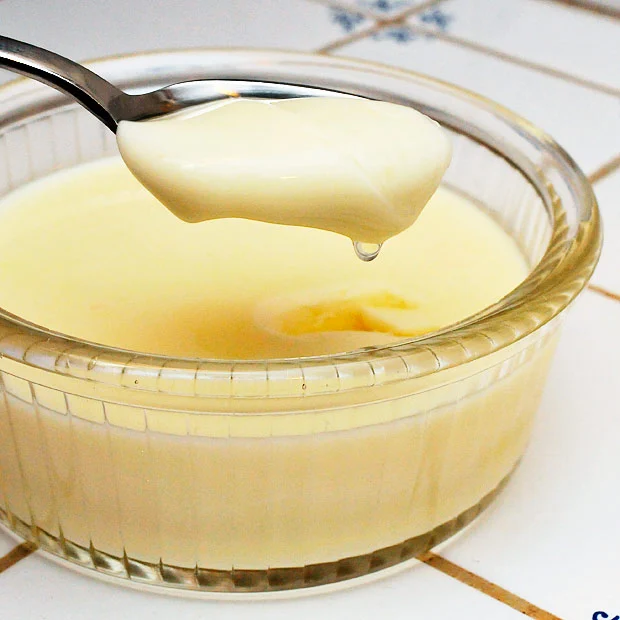

The delicate, aromatic dessert known as ginger milk curd (姜汁撞奶/薑汁燉奶), a staple in Cantonese cuisine, has long captivated palates with its unique texture and warming spice. However, its seemingly simple preparation—requiring just three ingredients: milk, ginger, and sugar—belies a profound scientific complexity that has historically led to widespread inconsistency in home kitchens and even professional settings. What appears to be a straightforward culinary task has often been shrouded in anecdotal wisdom and contradictory instructions, creating a landscape ripe for "kitchen myths" that frustrate aspiring cooks. Recent advancements in culinary science, however, have demystified this beloved dish, offering a reliable, science-backed methodology for achieving a perfectly set curd every time.
The Enigma of Ginger Milk Curd: A Culinary Conundrum
Originating in Shawan, Guangzhou, during the Qing Dynasty, ginger milk curd is traditionally celebrated for its smooth, custard-like consistency and the subtle heat of fresh ginger. Its appeal lies not only in its flavour but also in the almost magical transformation of liquid milk into a tender gel within minutes. Despite its popularity, particularly across East and Southeast Asia, the success rate for preparing ginger milk curd has notoriously varied. Online forums and recipe blogs are replete with stories of cooks achieving success only after multiple attempts, some reporting consistent failures, and others resorting to adding extraneous gelling agents like egg whites, believing the process to demand "a lot of skills and a pinch of luck." This widespread inconsistency points to a fundamental misunderstanding of the biochemical processes at play.
The inherent challenge stems from the specific and narrow conditions required for the natural enzymes in ginger to effectively curdle milk proteins. Without precise control over these variables, outcomes become unpredictable, leading cooks to attribute success or failure to irrelevant actions. For instance, some recipes advocate for specific pouring heights, particular stirring patterns (or lack thereof), or even the phase of the moon. These unverified correlations, born from random success and failure, solidify into pervasive kitchen myths, obscuring the true scientific principles that govern the dish.
Journey into Culinary Science: Unraveling the Myths
The quest to demystify ginger milk curd began with a simple observation: a successful first attempt followed by a string of failures, despite adhering to seemingly similar instructions. This inconsistency prompted a deep dive into available recipes, revealing a spectrum of advice that was often specific yet paradoxically contradictory. What began as a culinary experiment quickly evolved into a rigorous scientific investigation, moving beyond anecdotal kitchen wisdom to peer-reviewed academic literature.
The research unveiled that many traditional recipes, while passed down through generations, contained instructions that were either irrelevant or actively detrimental to gel formation. For example, common advice included:
- "Heat milk to exactly 80°C." (Incorrect: high temperatures denature the active enzyme.)
- "Do not stir the milk and ginger juice." (Correct: stirring disrupts gel formation.)
- "Use only fresh ginger, grated just before use." (Correct: enzyme activity degrades rapidly.)
- "Pour the milk from a great height to ensure mixing." (Partially correct: mixing is needed, but height is less critical than speed and immediate contact.)
These disparities underscored the critical need for a scientifically validated approach. Understanding the underlying biochemistry was paramount to distinguishing effective techniques from culinary folklore.
The Foolproof Formula: Precision in Preparation
Based on extensive research into the enzymatic reactions, a "foolproof" recipe for ginger milk curd has been developed, emphasizing precise temperature control and fresh ingredients. This method eliminates guesswork, offering consistent results that yield a tender, stable gel.
Foolproof Ginger Milk Curd Recipe:
-
Ingredients:
- 250 mL skimmed milk
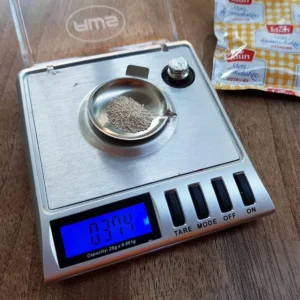
- 18 g fresh ginger juice (approximately 31 g peeled ginger or 43 g raw ginger)
- 20 g sugar
-
Equipment: A digital kitchen thermometer is indispensable.
-
Instructions:
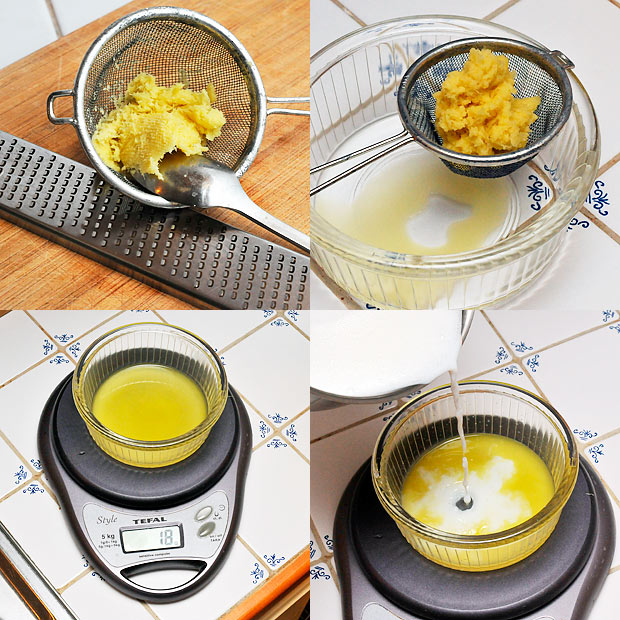
- Prepare the Milk: Combine milk and sugar in a saucepan. Heat carefully, constantly monitoring the temperature with a digital thermometer, until it reaches precisely 65°C. Remove immediately from heat.
- Prepare the Ginger Juice: While the milk heats, peel fresh ginger and microplane it to maximize juice extraction. Squeeze out 18g of juice into a serving bowl. Note: Ginger juice should be prepared immediately before use due to enzyme instability.
- Combine and Set: Pour the heated milk into the ginger juice from a moderate height (e.g., 15-20 cm) to ensure rapid and thorough mixing. Crucially, do NOT stir after pouring, as this can interfere with the delicate gel formation.
- Rest and Serve: Leave the mixture undisturbed at room temperature. A stable gel will typically form within 5-10 minutes. The curd can be served immediately or chilled in the refrigerator for later enjoyment.
This recipe utilizes a milk-to-ginger juice ratio of approximately 14:1. While this ratio provides a strong ginger flavour, experimentation with slightly more or less ginger juice can be undertaken, though the enzymatic activity must be sufficient to set the milk. The emphasis on a digital thermometer cannot be overstated; it is the single most important tool for ensuring consistent success.
The Biochemical Backbone: How Ginger Curdles Milk
The remarkable transformation of milk into a gel is not a simple physical change but a sophisticated enzymatic process. Ginger milk curd belongs to a broad category of foods, including many cheeses, where enzymes are employed to coagulate milk proteins. Traditionally, animal rennet, containing the enzyme chymosin (also known as rennin), has been used for this purpose. Chymosin is a proteolytic enzyme, a protease, capable of breaking down proteins into smaller fragments.
The Role of Ginger Proteases (Zingipain)
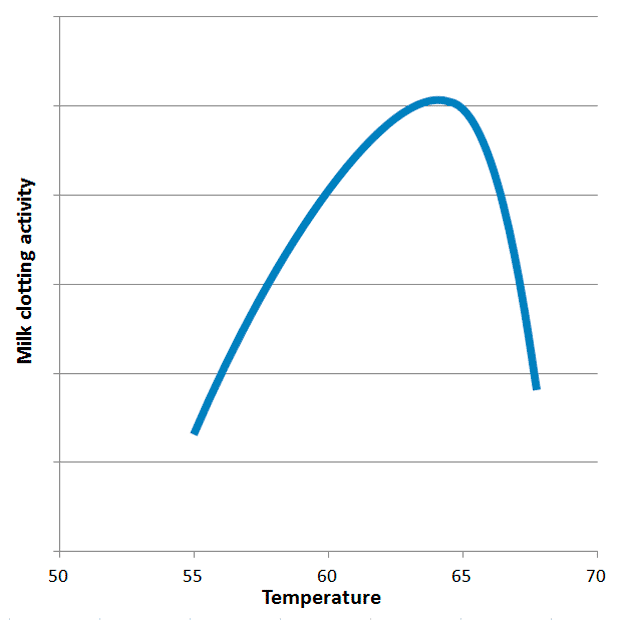
Ginger contains its own powerful proteolytic enzymes, collectively known as ginger proteases (GP), or more specifically, zingipain (EC 3.4.22.67). These plant-derived proteases are the active agents responsible for curdling milk. However, unlike some other enzymes, ginger proteases are highly sensitive to temperature. Their milk clotting activity (MCA) peaks within a remarkably narrow window, typically around 63°C, and declines sharply both above 65°C and below 60°C. Above 70°C, these enzymes are rapidly and irreversibly denatured, rendering them inactive. This precise temperature requirement is the primary reason for many failed attempts at ginger milk curd, as even slight deviations can prevent gel formation.
Casein Micelles: The Building Blocks of Gel
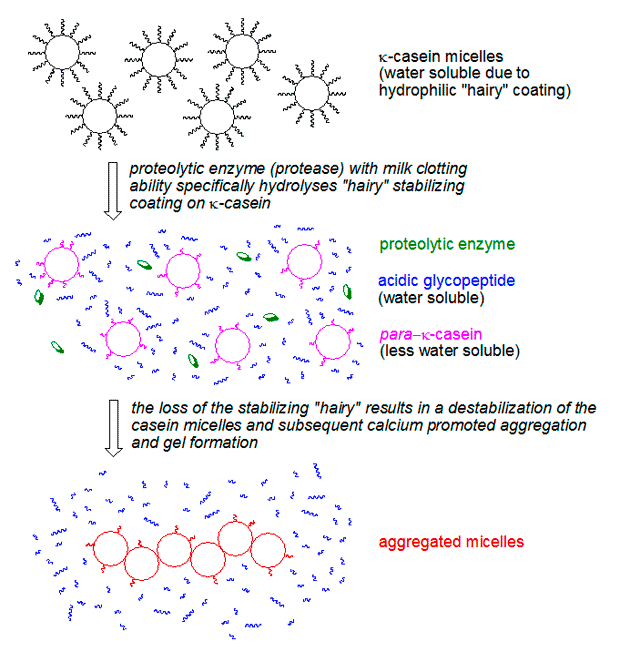
The actual building blocks of the gel are casein proteins, the predominant protein type found in milk. Casein proteins naturally aggregate into large colloidal particles called micelles, which are stabilized in the milk by a "hairy" outer layer primarily composed of kappa-casein. This water-soluble portion of kappa-casein protrudes from the micelle surface, preventing individual micelles from colliding and aggregating, thus keeping the milk in a stable liquid state. Calcium ions also play a crucial role in maintaining the integrity of these micelles.
The Mechanism of Gel Formation
When ginger proteases are introduced to milk at the optimal temperature, they specifically target and cleave the water-soluble portion of the kappa-casein. This process removes the protective "hairy" layer from the casein micelles, leaving behind a less soluble para-kappa-casein. Without this protective barrier, the now "shaved" micelles are free to collide, interact, and, aided by the calcium ions naturally present in milk, rapidly aggregate. These aggregates of destabilized casein micelles intertwine to form a three-dimensional protein network—the tender, fragile gel we know as ginger milk curd. This entire process occurs within a matter of minutes.
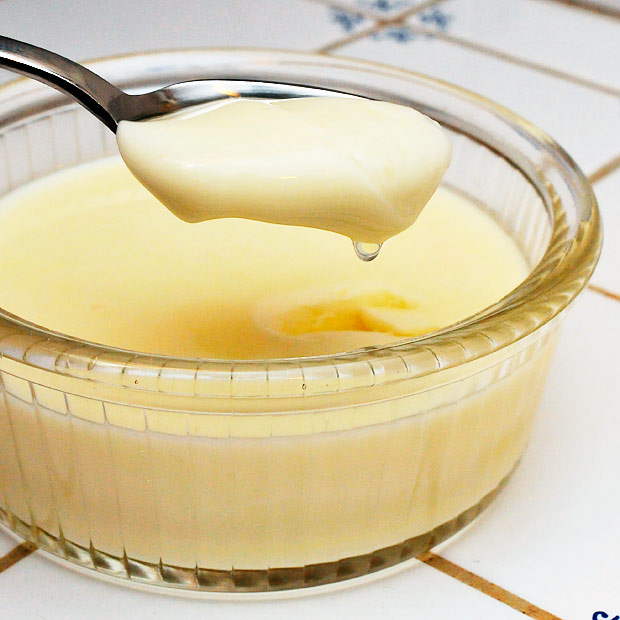
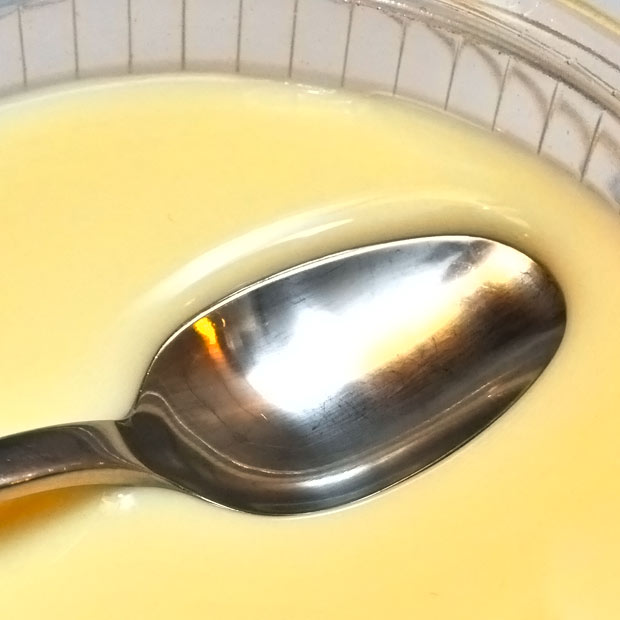
The resulting gel is inherently delicate and prone to syneresis, the process where liquid (in this case, whey) is expelled from the gel matrix. This phenomenon is a natural characteristic of many protein gels and is visible as clear droplets of liquid forming on the surface or beneath the curd, as often observed in the finished product.
Optimizing Conditions: Temperature, Fat, and Calcium
Beyond the critical 60-65°C temperature window for ginger protease activity, other factors significantly influence the strength and texture of the ginger milk curd. Studies have shown that heating milk above 65°C, even if subsequently cooled to the optimal temperature, can reduce the strength of the final gel. This is because higher temperatures cause other milk proteins, particularly lactoglobulins, to precipitate and interact with the kappa-casein, interfering with the enzyme’s ability to cleave it effectively and disrupting the subsequent aggregation process.
Furthermore, the composition of the milk itself plays a role. Skimmed milk generally yields a stronger gel compared to full-fat milk. Milk fat can interfere with the formation of the casein network, leading to a weaker or less consistent curd. Given that calcium ions are essential for the aggregation of the "shaved" casein micelles, a higher concentration of calcium in the milk can also contribute to a stronger and more stable gel.
The Instability of Ginger Juice: A Freshness Imperative
Another critical factor often overlooked is the stability of the ginger juice itself. Freshly squeezed ginger juice, while potent, contains enzymes that degrade rapidly. At room temperature (around 30°C), the ginger proteases have a half-life of approximately 20 minutes. This means that within 20 minutes of grating and squeezing, half of the enzyme’s activity is lost; after another 20 minutes, only 25% of the original activity remains. This rapid degradation explains why ginger juice cannot be prepared significantly in advance or stored without special measures.
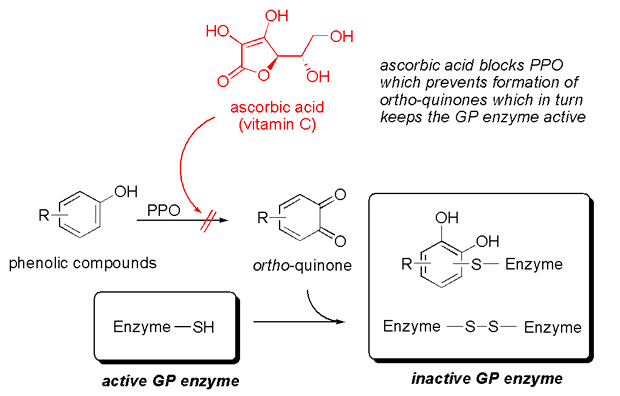
The culprit behind this instability is another enzyme present in ginger: polyphenol oxidase (PPO). PPO is notorious for causing enzymatic browning in fruits like apples. When ginger is grated, PPO is exposed to oxygen and acts on phenolic compounds, producing ortho-quinones. These quinones are highly reactive and can inactivate the ginger proteases, leading to the rapid loss of milk-clotting activity.
Fortunately, there is a simple scientific solution: ascorbic acid, commonly known as Vitamin C. Ascorbic acid acts as an antioxidant and a reducing agent, effectively blocking the action of PPO. By inhibiting PPO, ascorbic acid prevents the formation of quinones, thereby preserving the activity of the ginger proteases. Adding a small pinch (approximately 0.2% by weight) of Vitamin C to freshly squeezed ginger juice can stabilize the enzymes, allowing the juice to be prepared in advance if necessary.
Broader Implications and Future Directions
The scientific demystification of ginger milk curd holds significant implications beyond the home kitchen.
Culinary Impact: For home cooks, this validated methodology means an end to frustrating failures and the consistent production of a beloved dessert. For professional chefs and culinary institutions, it provides a reliable technique, enabling creative innovation with precise control over texture and flavour. This understanding empowers culinary arts by transforming an unpredictable art into a predictable science.
Food Science and Industry: The detailed understanding of ginger proteases opens avenues for further research into plant-based coagulants. As the demand for plant-based alternatives and vegetarian options grows, enzymes from sources like ginger, kiwi, and melon—all known to contain proteases with milk-clotting activity—could find applications in the production of dairy-free "cheeses" or other coagulated milk products. Scientists have already explored the potential of these plant extracts as rennet replacements, evaluating their MCA/PA ratio (milk clotting activity to general proteolytic activity) to ensure specific coagulation without excessive protein degradation.
Educational Value: Ginger milk curd serves as an excellent, tangible example of complex biochemistry at work in everyday cooking. It can be a powerful tool in culinary education and science outreach, demonstrating enzyme kinetics, protein denaturation, colloidal stability, and the importance of precise temperature control. The journey from kitchen myth to scientific validation underscores the value of empirical investigation and critical thinking in understanding the world around us, even within the confines of a humble dessert.
Unanswered Questions and Research Avenues: Despite significant progress, further experimentation can refine the process even more. Future research could explore:
- The optimal pH range for ginger protease activity and whether minor pH adjustments could enhance gel strength or speed.
- The impact of different ginger varieties, which may have varying protease concentrations, on gel formation.
- The precise role of various milk types (e.g., raw milk, pasteurized milk from different sources) and their natural calcium levels.
- The potential for integrating other stabilizing agents or techniques to further reduce syneresis while maintaining the delicate texture.
- Scaling up the process for industrial production, addressing challenges in maintaining enzyme activity and consistency.
In conclusion, the journey from anecdotal recipes to a scientifically robust method for ginger milk curd exemplifies the fascinating intersection of culinary tradition and modern science. By understanding the precise conditions required for ginger proteases to act on milk casein, cooks can now consistently create this delightful dessert, transforming a temperamental dish into a testament to precision and knowledge. The demystification of ginger milk curd not only empowers home cooks but also offers valuable insights for the broader food industry and ongoing scientific inquiry into natural food transformations.