
For those seeking to unlock the full potential of pierogi, understanding the art of the perfect side dish is paramount. As a classically trained chef with deep roots in a Polish family from Jersey, my culinary journey has been intertwined with these beloved half-moon dumplings since childhood. Through countless iterations and enthusiastic taste-testing, a curated selection of accompaniments has emerged, each offering a practical and accessible path to culinary success, regardless of your kitchen expertise. The key, however, lies in considering the pierogi’s filling – whether it’s the classic mashed potato and cheese, the earthy sauerkraut, the savory mushroom, the subtly sweet pumpkin, or the delightful fruit variations – as this will guide the optimal pairing.
The Foundational Pillars: Sour Cream and Caramelized Onions
At the forefront of any pierogi pairing is the timeless duo of sour cream and sautéed onions. These are not merely suggestions; they are culinary cornerstones that have graced tables for generations.
Sour Cream: The Ubiquitous Condiment
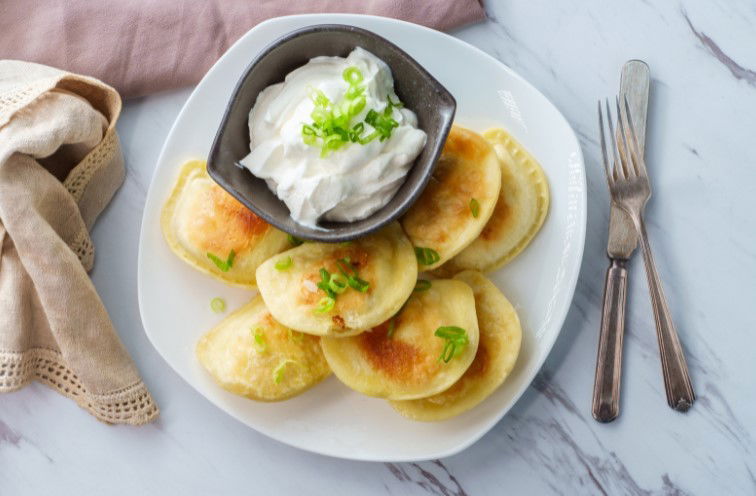
Sour cream, a simple yet profoundly effective accompaniment, transforms a pan-fried pierogi into a complete and satisfying dish. Its creamy texture and subtle tang provide a cooling counterpoint to the warmth and richness of the dumpling. Even when other side dishes are present, a generous dollop of sour cream remains an indispensable element for many pierogi aficionados. Its versatility allows it to complement a wide spectrum of pierogi fillings, from savory potato and cheese to more delicate fruit-based versions. The cool, creamy nature of sour cream provides a crucial textural contrast to the often crispy exterior of a pan-fried pierogi, while its mild acidity cuts through the richness of the dough and filling. This classic pairing is deeply ingrained in Polish culinary tradition, often seen as the quintessential way to enjoy these dumplings.
Sautéed Onions: A Symphony of Sweetness and Savory
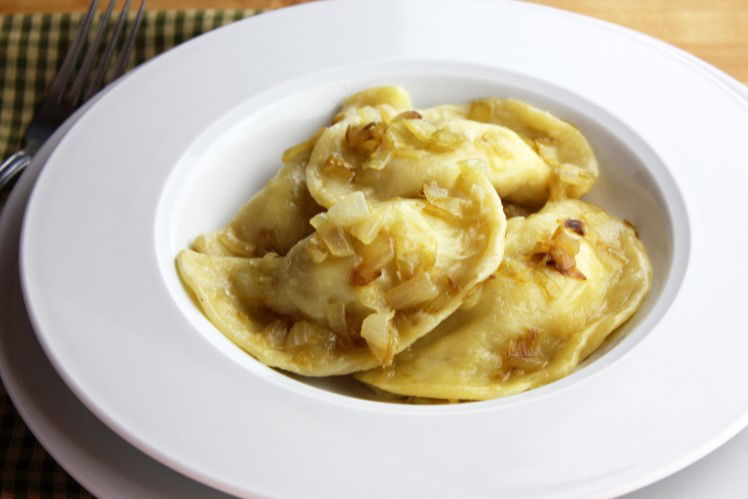
Sautéed onions, much like sour cream, are an "always" side for pierogies. Their inherent sweetness, amplified through the caramelization process, creates a delightful contrast with the savory pierogi. When pierogies are pan-fried, the inherent moisture from the sautéed onions can meld beautifully with the rendered fats in the pan, creating a cohesive flavor profile. The process of caramelizing onions can be approached with varying levels of commitment to time and technique. A quick sauté yields soft onions with delightfully browned edges, offering a swift and flavorful addition. For those with more patience, a slow, low-heat caramelization unlocks the full spectrum of natural sugars in the onions, resulting in a sweet, jammy consistency that adds a sophisticated layer of flavor. This method, while requiring more time, rewards the cook with an intensely flavorful and deeply satisfying condiment. The ability to prepare sautéed onions in the same pan used for frying the pierogies further enhances their appeal as a practical and efficient side dish, minimizing cleanup and maximizing flavor infusion.
Elevating the Experience: Brown Butter and Herbs
Beyond the foundational pairings, more nuanced yet equally accessible options exist to elevate the pierogi experience.
Brown Butter and Herbs: A Nutty Embrace
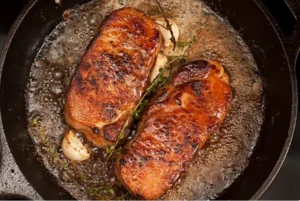
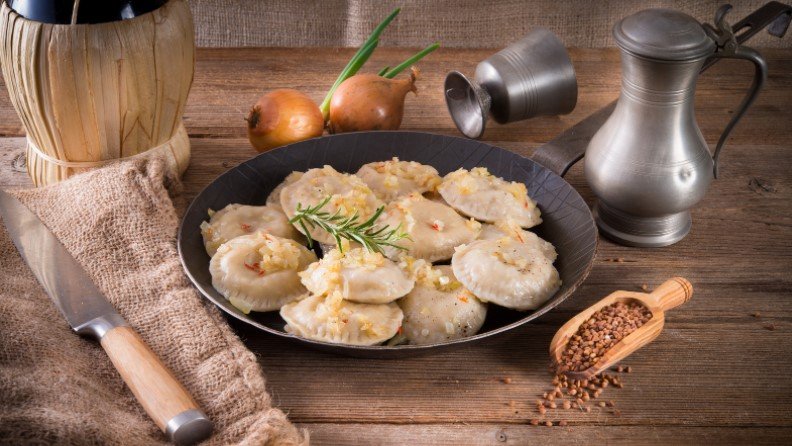
A simple yet elegant accompaniment involves creating a brown butter sauce infused with fresh herbs. This preparation offers a sophisticated flavor profile that harmonizes with a wide array of pierogi fillings and can stand proudly alongside other dishes without overpowering them. While the concept of browning butter might seem daunting to novice cooks, the technique is straightforward and yields remarkable results. The key lies in careful attention to heat and constant stirring. As butter melts, its milk solids begin to toast, imparting a rich, nutty aroma and flavor. This transformation from pale yellow to a deep golden brown is a visual and olfactory cue that the butter is reaching its peak. Incorporating fresh herbs during the foaming stage of the butter allows their essential oils to release, infusing the sauce with their fragrant essence. This method not only adds depth but also introduces a welcome aromatic complexity to the dish. The resulting brown butter sauce offers a luxurious mouthfeel and a depth of flavor that can elevate even the simplest pierogi to gourmet status.
Adding Substance and Savory Depth
For those looking to create a more substantial meal, incorporating ingredients that offer heartiness and a rich, savory character becomes essential.
Cabbage or Brussels Sprouts and Bacon: A Rustic Charm
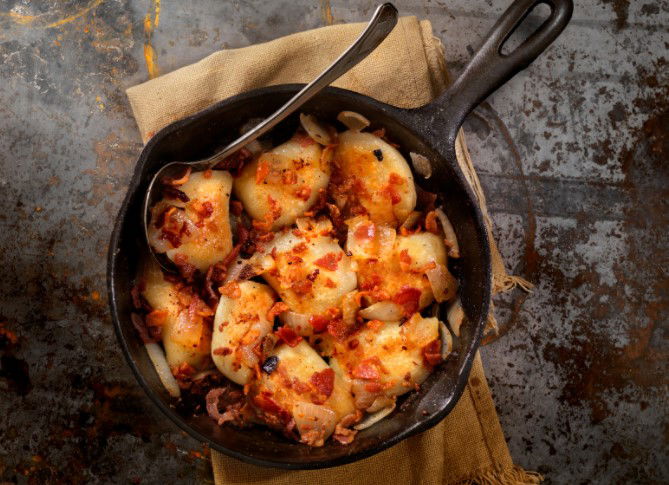
When seeking additional substance without venturing into complex protein preparation, cabbage or Brussels sprouts paired with crispy bacon emerges as an excellent choice. The rendered fat from the bacon serves as a flavorful cooking medium for the vegetables, and can even replace the need for added butter in frying the pierogies. This combination offers a rustic charm and a satisfying textural contrast. The preparation is straightforward: fry the bacon until crisp, reserving some of the rendered fat. This flavorful fat can then be used to sauté shredded cabbage or Brussels sprouts until tender and slightly caramelized. The resulting mixture can be served alongside the pierogies or as a topping, infusing each bite with a savory, smoky, and slightly sweet dimension. This approach is particularly well-suited for pierogi fillings that benefit from a heartier accompaniment, such as those featuring sauerkraut or meat.
Kielbasa: The Quintessential Polish Sausage
No discussion of pierogi accompaniments would be complete without acknowledging kielbasa, the iconic Polish sausage. Whether boiled or pan-fried, kielbasa offers a substantial and flavorful protein element that perfectly complements the dumplings. Its savory, often slightly smoky flavor profile is a natural fit for pierogi. A traditional Polish grandmother’s method of preparing kielbasa – slicing it into medallions, frying them, and then coating them in apricot preserves – exemplifies the delightful interplay of sweet and savory that can be achieved. The apricot preserves melt and warm through, creating a glaze that mingles with the sausage’s juices, offering a complex and irresistible sauce that pairs exceptionally well with pierogies. Kielbasa is readily available in most grocery stores, making it an accessible and convenient option for creating a truly authentic Polish-inspired meal.
Pork: A Versatile and Flavorful Partner
Pork, in its myriad forms, stands as a robust and versatile companion to pierogies. From the simple addition of bacon to more elaborate preparations like pork chops, seared tenderloin, crispy cracklings, or slow-cooked pulled pork, pork offers a satisfying and cost-effective way to round out a pierogi meal. Pork and sausages are historically among the most common proteins served with pierogies, forming an integral part of traditional Sunday meals in Polish households, often alongside sauerkraut. The practice of frying pork in the same pan used for pierogies is a culinary tradition that maximizes flavor by utilizing the rendered lard and browned bits that accumulate. For those seeking a fusion of culinary traditions, incorporating a dish like Pernil – a slow-roasted, marinated Puerto Rican pork shoulder known for its crispy skin – alongside pierogies with caramelized onions and sour cream offers a unique and deeply satisfying gastronomic experience.
Braised Meat: A Slow-Cooked Masterpiece
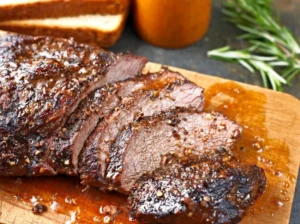
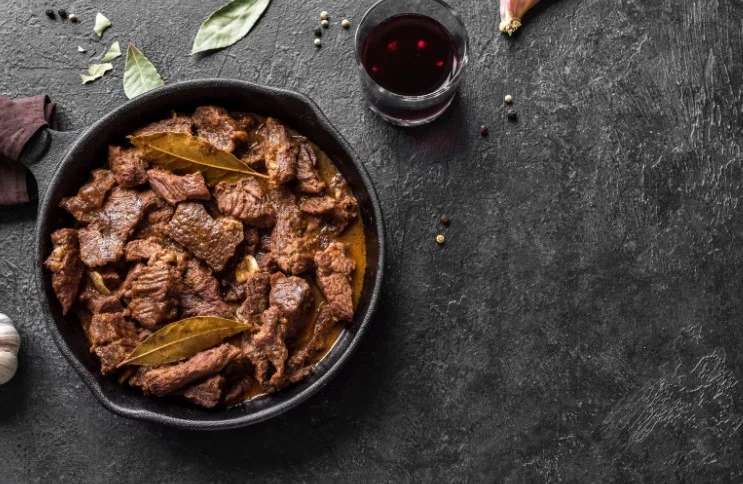
For those who envision pierogies as a delightful side rather than the main event, braised meats present an ideal solution. The process of braising involves an initial sear at high heat to lock in juices, followed by a long, slow cook in liquid until the protein is exceptionally tender and easily falls apart. Cuts like chuck roast, pork shoulder or ribs, or lamb shank are perfect candidates for braising. The resulting tender meat, imbued with the flavors of the braising liquid, provides a rich and comforting counterpoint to the pierogi. This approach allows for the creation of a well-rounded meal when paired with simple steamed vegetables. The inherent richness and depth of flavor achieved through braising make it an excellent choice for making pierogi the supporting player in a sophisticated culinary presentation.
Pro-Tips for an Unforgettable Pierogi Experience
To further enhance the pierogi dining experience, consider combining these elements for a truly harmonious meal. A strategic approach involves preparing each component sequentially, allowing flavors to meld and textures to complement one another.
The Ultimate Flavor Combination: Begin by sautéing your onions, setting them aside. Next, prepare the brown butter and herb sauce, also setting it aside. Finally, fry your pierogies to golden perfection. The ability to layer these distinct yet complementary flavors – the sweetness of caramelized onions, the nutty richness of brown butter, and the herbaceous notes – atop the warm, comforting pierogi creates a culinary symphony. This layered approach ensures that each element contributes its unique character to the final dish, resulting in a complex and deeply satisfying flavor profile.
Leftover Potential: Many of these accompaniments, particularly braised meats and roasted pork, are excellent for preparing in larger batches. Both braised beef and pierogies themselves store well in the refrigerator and can be easily reheated, making them ideal for convenient and delicious leftovers throughout the week. This practicality adds another layer of appeal to these time-tested pairings.

Historical Context and Culinary Evolution
Pierogi, originating in Central and Eastern Europe, particularly Poland, have a rich history rooted in peasant cuisine. Their adaptability to local ingredients and regional preferences has led to a vast array of fillings and preparations. Traditionally, pierogi were often boiled and served with a simple topping of melted butter and fried onions, a testament to their humble origins and emphasis on utilizing readily available ingredients. The evolution of pierogi preparation has seen them move from primarily boiled to frequently pan-fried, a technique that imparts a desirable crispness and allows for richer flavor development through the Maillard reaction. This shift has, in turn, influenced the types of side dishes that best complement them, favoring those that offer textural contrast and robust flavor profiles.
The culinary landscape surrounding pierogi has also been shaped by migration and cultural exchange. As Polish immigrants settled in various parts of the world, they brought their culinary traditions with them, adapting them to new ingredients and tastes. This global dissemination has contributed to the diverse interpretations of pierogi and their accompaniments found today. The inclusion of elements like bacon, kielbasa, and various pork preparations reflects this broader culinary evolution, incorporating influences from neighboring cuisines and adapting to local food availability.
Frequently Asked Questions
Addressing common queries can further demystify the art of serving pierogies.
How are pierogies traditionally served?
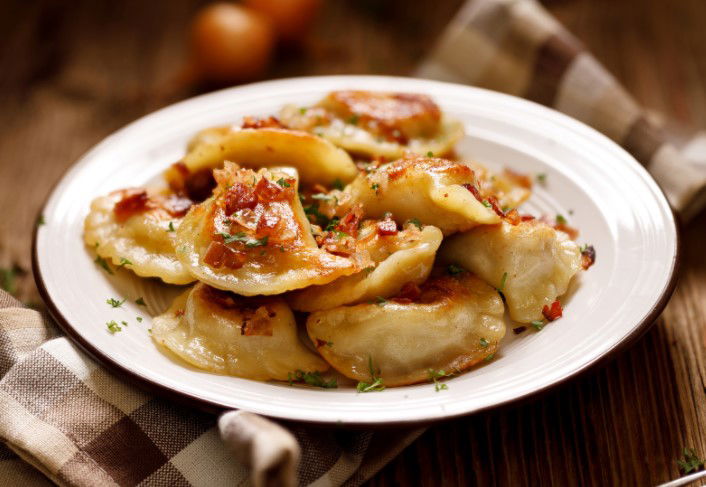
Traditionally, pierogi are pan-fried with a topping of melted butter and fried onions. This classic preparation highlights the simple yet profound flavors of the dumplings themselves.
Do you have to boil pierogies before frying them?
Pre-boiling is generally only necessary if your pierogies are frozen. Fresh or thawed pierogies can be fried directly, achieving a desirable crispy exterior without pre-boiling.
What do you dip pierogies in?
Pierogies are exceptionally delicious when dipped in melted butter or a dollop of cool, creamy sour cream. These simple dips enhance the inherent flavors of the dumplings without overwhelming them.
The art of serving pierogies is a journey of flavor exploration, where time-honored traditions meet contemporary culinary creativity. By understanding the fundamental pairings and embracing the potential for nuanced enhancements, any home cook can transform these humble dumplings into a truly memorable dining experience.