
The culinary landscape has recently seen a surge in interest surrounding an adaptable and flavorful plant-based dish: Bang Bang Tofu. This particular preparation, characterized by its crispy texture, sticky glaze, and vibrant flavor profile, has rapidly gained traction as an effortless yet highly satisfying weeknight meal, particularly when served atop steamed rice. Its burgeoning popularity underscores a broader trend towards accessible, plant-forward cuisine that does not compromise on taste or culinary appeal. The recipe’s ease of preparation, combined with its ability to deliver a restaurant-quality experience in a home kitchen, has positioned it as a significant contributor to contemporary home cooking trends, eliciting widespread positive feedback from diverse demographics, from casual diners to discerning palates.

The Genesis of a Culinary Trend: Adapting the Iconic Bang Bang Sauce
At the heart of the Bang Bang Tofu phenomenon lies the celebrated Bang Bang sauce. Traditionally associated with Sichuan Bang Bang Chicken (棒棒雞, bàngbàngjī), a classic cold dish featuring poached chicken served with a spicy, nutty, and often slightly sweet sauce, this iconic condiment has been reinterpreted for the plant-based era. The original Sichuan preparation typically involves a complex balance of chili oil, sesame paste, soy sauce, vinegar, and sugar, often with a hint of Sichuan peppercorns for their distinctive numbing sensation. The adaptation for tofu retains the core flavor elements—creaminess, a sweet-spicy kick, and umami depth—but shifts the focus to a vegetarian protein. This strategic adaptation has allowed the distinctive taste of Bang Bang sauce to reach an even wider audience, appealing to those seeking plant-based alternatives without sacrificing rich, layered flavors. The inherent versatility of the sauce makes it an ideal candidate for pairing with a neutral, absorbent base like tofu, which readily soaks up and showcases its intricate profile.

The transition of Bang Bang sauce from a traditional chicken accompaniment to a star player in a tofu dish is indicative of evolving global culinary practices. As consumers increasingly explore plant-based options, chefs and home cooks alike are challenged to innovate, applying familiar flavor profiles to novel ingredients. This particular adaptation has proven exceptionally successful, transforming a relatively simple ingredient like tofu into a captivating main course. The "embarrassingly easy" nature of the sauce, as noted by numerous culinary enthusiasts, is a significant factor in its widespread adoption, democratizing a complex flavor for everyday cooking.
Tofu’s Ascent: A Cornerstone of Modern Plant-Based Diets
The widespread embrace of Bang Bang Tofu is also a testament to the growing acceptance and culinary versatility of tofu. Once relegated to niche health food stores or perceived as bland, tofu has undergone a remarkable image transformation. Driven by increased awareness of its nutritional benefits—being a complete protein source, low in saturated fat, and rich in essential minerals—and a global push towards sustainable eating, tofu consumption has seen a significant uptick. According to market research reports, the global plant-based food market, including tofu, is projected to grow substantially, with some estimates predicting a compound annual growth rate of over 10% in the coming years. This growth is fueled by a confluence of factors, including health consciousness, environmental concerns, and ethical considerations.
Modern culinary techniques have also played a pivotal role in elevating tofu’s status. Innovators have discovered myriad ways to prepare tofu that maximize its texture and flavor absorption, moving far beyond simple steaming or stir-frying. For instance, the recipe in question highlights the effectiveness of air frying, a method celebrated for its ability to produce "supremely crispy" tofu with minimal oil and effort. This focus on texture—transforming soft, yielding tofu into golden, crunchy morsels—is crucial for its appeal, providing a satisfying contrast to the creamy, sticky sauce. The subsequent step of transferring the air-fried tofu to a skillet with the Bang Bang sauce allows for a caramelization process that further enhances both flavor and texture, mimicking the desirable qualities often found in high-end restaurant preparations. This meticulous approach to preparation underscores a sophisticated understanding of how to optimize plant-based ingredients for maximum sensory impact.

The Demand for Effortless Weeknight Gastronomy
The Bang Bang Tofu recipe exemplifies a burgeoning demand for "easy dinner" solutions that do not compromise on flavor or quality. In an increasingly fast-paced world, consumers are perpetually seeking meals that can be prepared quickly after a long day, yet still offer a gratifying culinary experience. The original description of the dish as an "easy dinner alert" and "SO easy and SO good" encapsulates this contemporary culinary need. The ability to whip up a dish that is both delicious and requires minimal effort is a key driver of its success.
The recipe’s appeal extends beyond mere convenience; it speaks to a desire for dishes that can impress without demanding extensive culinary expertise. Anecdotal evidence, such as friends requesting the recipe the day after a dinner party, underscores its immediate and memorable impact. This spontaneous positive feedback is a powerful indicator of a recipe’s potential to become a staple in home kitchens. Furthermore, the reported positive reception from "middle schoolers in attendance at our dinner party" highlights its broad palatability, suggesting it can bridge generational taste gaps, a rare feat for many plant-based dishes. This universal appeal makes it an ideal candidate for family meals and casual entertaining alike.
Innovative Techniques and Ingredients: The Recipe’s Blueprint for Success
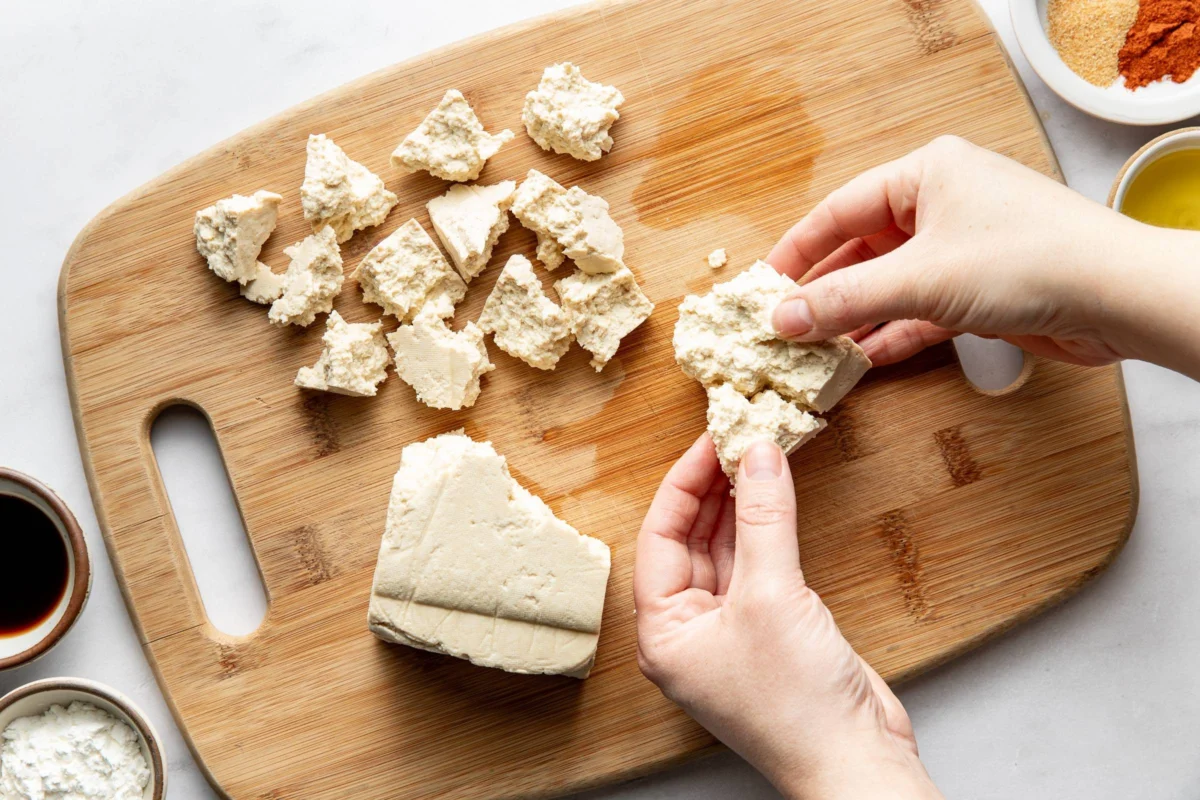
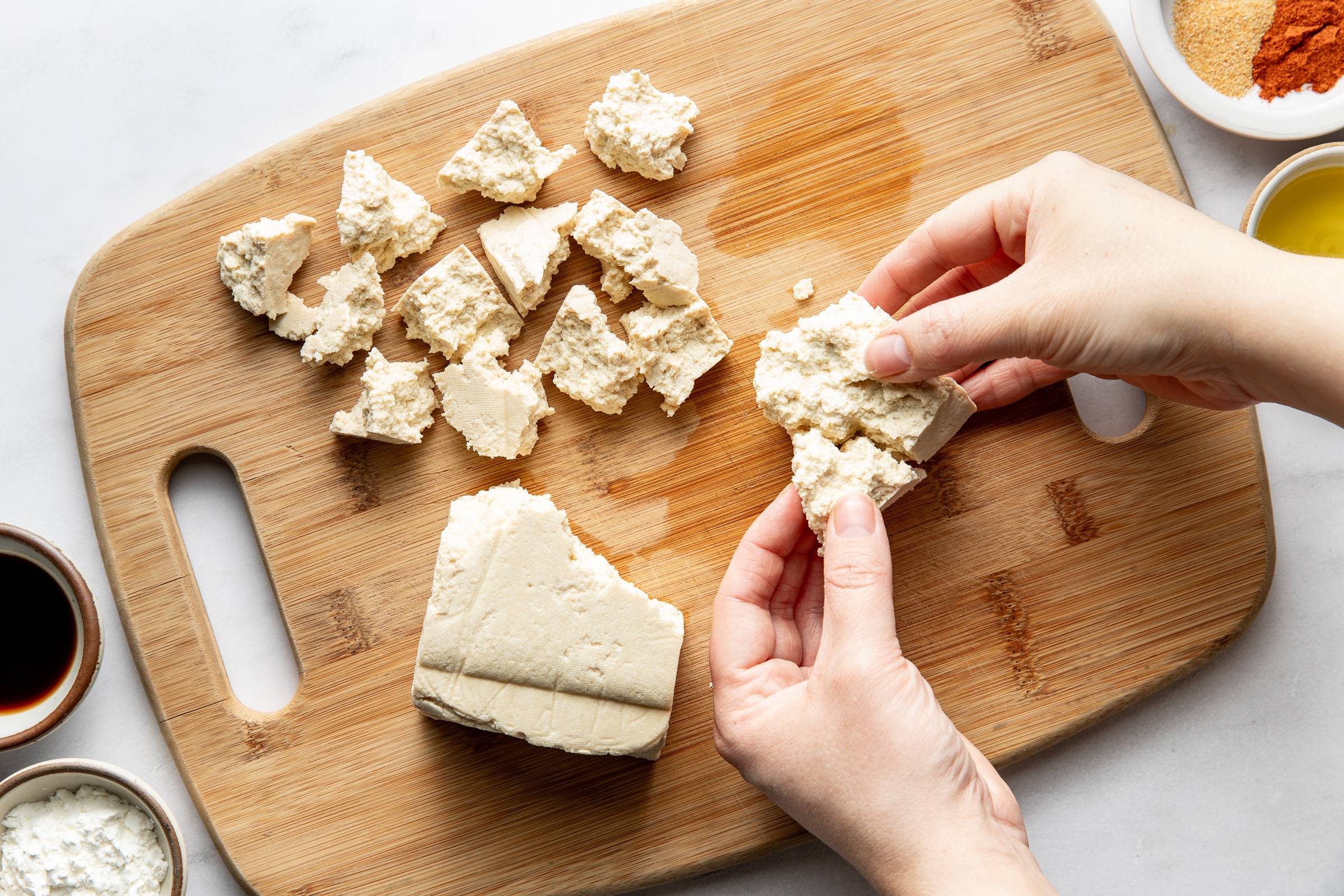
The success of Bang Bang Tofu can be attributed to a combination of carefully selected ingredients and modern cooking techniques. The recommendation of "high protein tofu from Trader Joe’s" that "does not need pressing" points to an awareness of common pain points in tofu preparation. Traditional tofu often requires significant pressing to remove excess moisture, a step that can deter many home cooks due to its time-consuming nature. By identifying and recommending a specific product that bypasses this step, the recipe streamlines the cooking process, making it even more accessible. For those using conventional tofu, the instruction to "wrap it in a clean towel and press it several times" provides clear guidance, ensuring consistent results regardless of the brand.
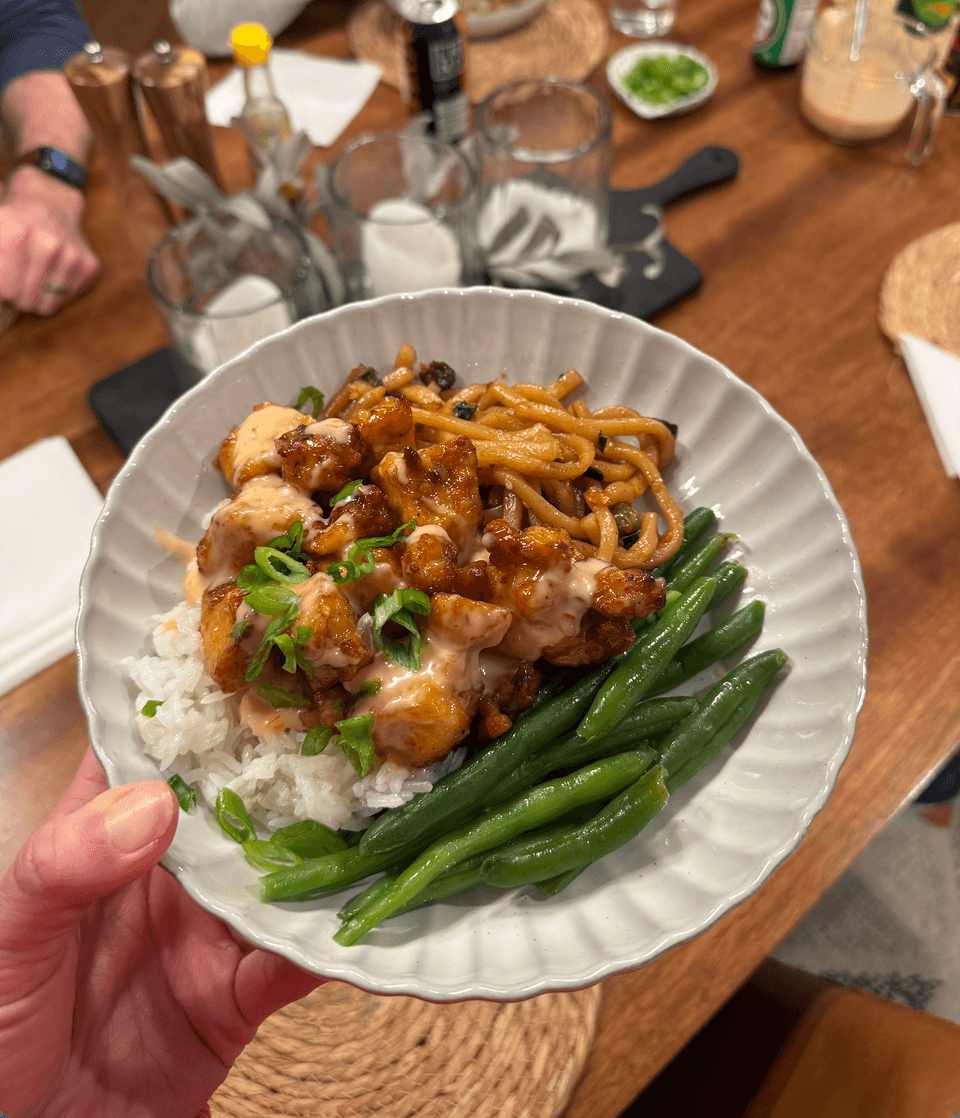
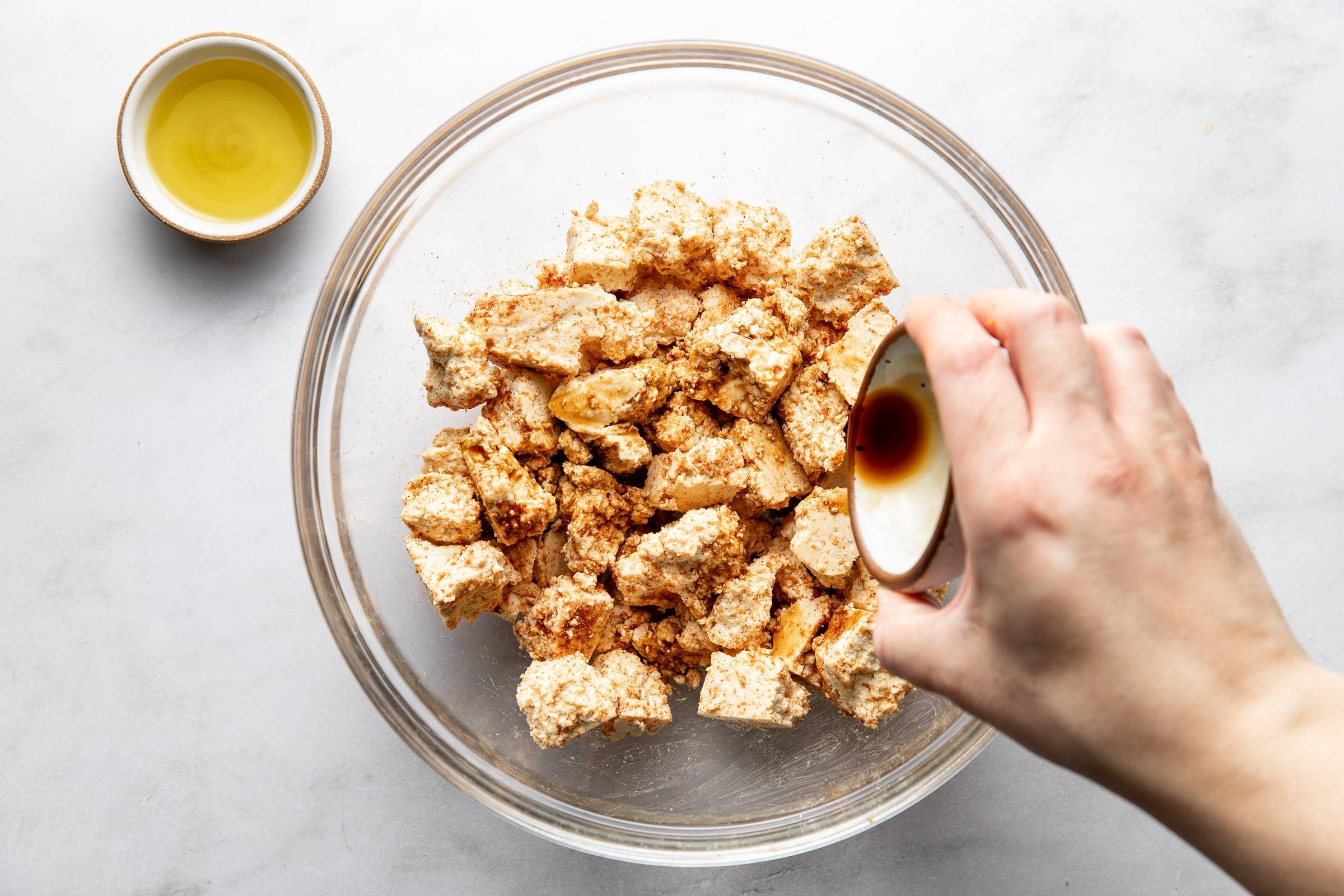
The air fryer emerges as a central technological component in this recipe. Air frying, a relatively new appliance trend, has revolutionized home cooking by offering a healthier and faster alternative to deep frying, while still achieving desirable crispy textures. Its application to tofu is particularly effective, as it quickly dehydrates the surface, creating a perfect canvas for the sticky sauce. This technique, combined with the subsequent skillet caramelization, creates a multi-layered textural experience—crisp exterior, tender interior, and a glossy, flavorful coating—that elevates the dish beyond typical home-cooked fare. The suggestion to serve it with "steamy rice," "fresh green beans," and even "udon noodle stir-fry from Costco" illustrates its adaptability as a complete meal, encouraging customization based on personal preference and pantry availability.

Broader Implications and Culinary Influence
The rise of Bang Bang Tofu signals several broader implications for the food industry and culinary trends:

- Mainstreaming Plant-Based Cuisine: Recipes like Bang Bang Tofu contribute significantly to moving plant-based eating from a niche category to a mainstream dining option. By offering familiar, comforting, and intensely flavorful experiences, they dispel the notion that vegetarian or vegan meals are inherently restrictive or less satisfying.
- The Power of Digital Food Media: The rapid dissemination of such recipes, often originating from food blogs and social media platforms, highlights the immense influence of digital media in shaping contemporary culinary trends. The ease with which a recipe can go "viral" through online sharing underscores the importance of accessibility, visual appeal, and compelling narratives in modern food communication.
- Innovation in Convenience: The emphasis on "easy" and "fast" preparation reflects a growing market for convenience-driven culinary solutions. This pushes food product developers and recipe creators to focus on ingredients and techniques that minimize cooking time and effort without sacrificing quality.
- Fusion and Adaptation: The successful adaptation of a traditional Sichuan sauce to a modern plant-based protein demonstrates the ongoing trend of culinary fusion. This cross-cultural blending of flavors and techniques enriches the global culinary landscape, offering new and exciting taste experiences.
- Economic Impact: The cost-effectiveness of tofu as a protein source, coupled with relatively inexpensive complementary ingredients, makes dishes like Bang Bang Tofu an attractive option for budget-conscious consumers. This economic accessibility further contributes to its widespread appeal and potential for sustained popularity.
In conclusion, Bang Bang Tofu stands as more than just a simple recipe; it is a microcosm of current culinary movements. It embodies the convergence of plant-based eating, the pursuit of effortless weeknight meals, the embrace of innovative cooking technologies, and the enduring power of well-loved flavor profiles. Its journey from a spontaneous dinner party creation to a widely requested and celebrated dish underscores its status as a significant and delicious contribution to the evolving landscape of modern home cooking. As consumers continue to seek satisfying, sustainable, and simple meal solutions, the blueprint provided by Bang Bang Tofu is likely to inspire countless future culinary innovations.