
The preservation of seasonal produce through home canning has seen a significant resurgence in recent years, driven by a global interest in food sovereignty, the "slow food" movement, and a desire for additive-free pantry staples. Among the various fruits and vegetables processed by home enthusiasts, the tomatillo (Physalis philadelphica) holds a unique position. Unlike its relative, the tomato, the tomatillo offers a distinct tartness and firm texture that remains a cornerstone of Mexican and Central American cuisines. To ensure the safety and longevity of this crop, the United States Department of Agriculture (USDA) has established rigorous, science-based protocols for canning whole tomatillos. These procedures prioritize the elimination of foodborne pathogens, specifically Clostridium botulinum, while maintaining the culinary integrity of the fruit.
The Botanical and Culinary Context of the Tomatillo
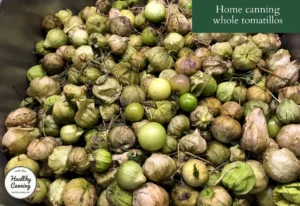
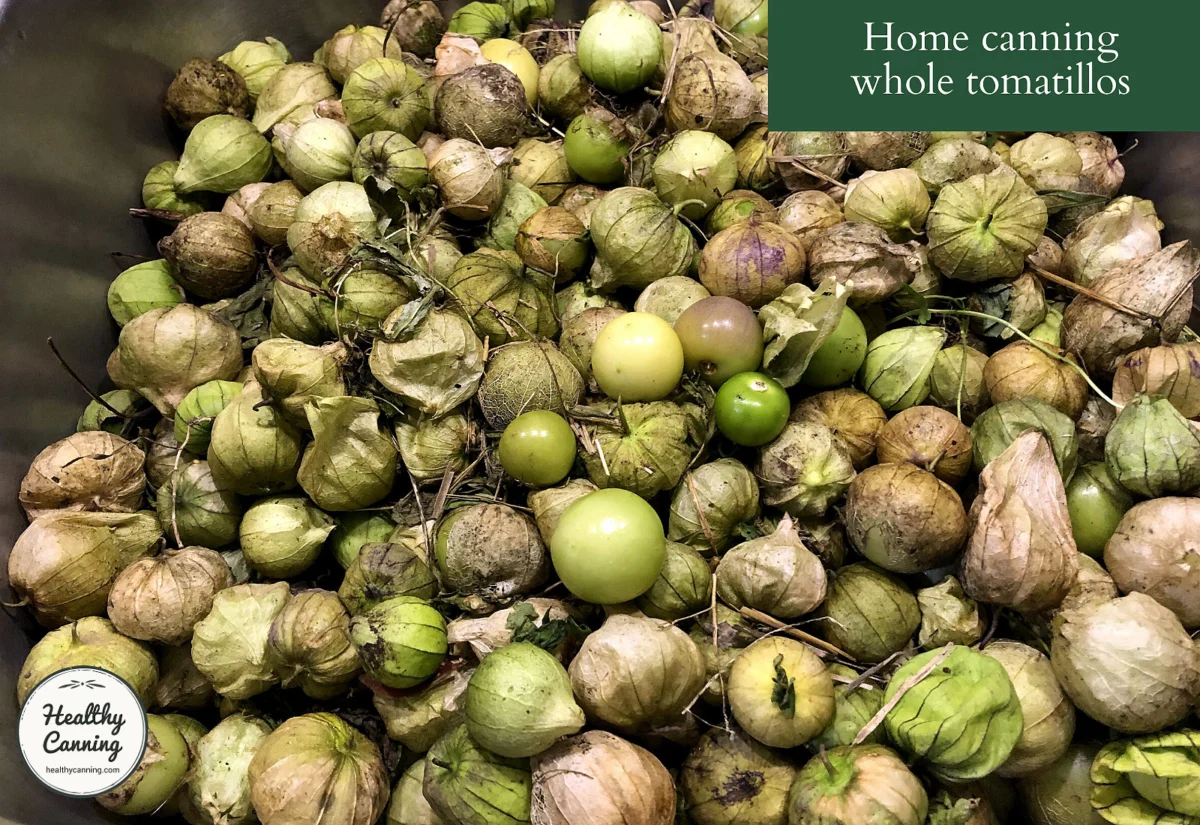
Tomatillos, often referred to as "husk tomatoes," are members of the nightshade family. They are encased in a papery calyx or husk, which must be removed before consumption or processing. Historically, the tomatillo was a staple of the Aztec empire, predating the widespread cultivation of the red tomato. Its chemical profile is notably acidic, which is a critical factor in home preservation. According to data from the USDA’s Center for Food Safety and Applied Nutrition, tomatillos typically possess a pH value of approximately 3.83. This makes them naturally more acidic than many varieties of vine-ripened tomatoes.

Despite this natural acidity, the USDA and the National Center for Home Food Preservation (NCHFP) mandate the addition of supplemental acidifiers during the canning process. This requirement stems from the fact that soil conditions, ripeness levels, and cultivar variations can fluctuate, potentially raising the pH level above the safety threshold of 4.6. By standardizing the acidification process, the USDA ensures that the environment within the sealed jar remains hostile to the growth of dangerous bacteria.
Chronology of the Canning Process: From Harvest to Jar
The successful preservation of whole tomatillos involves a precise timeline of preparation and thermal processing. The procedure begins with the selection of high-quality, firm fruit.
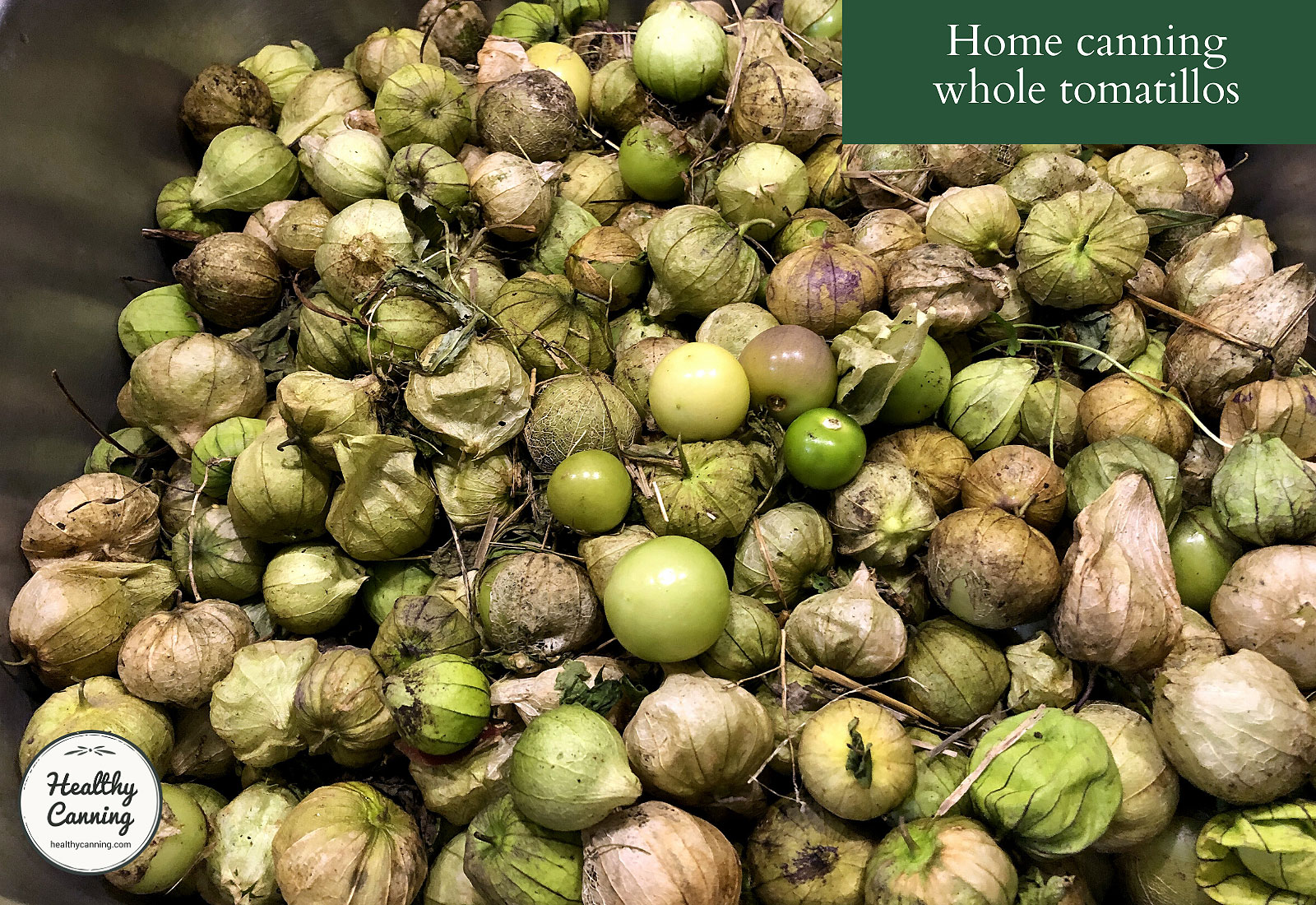
- Initial Preparation and Cleaning: The first step involves removing the papery husks. Unlike tomatoes, which often require blanching and peeling to remove tough skins, tomatillos are canned with their skins intact. After husking, the fruit is washed thoroughly. A characteristic sticky residue often coats the skin of the tomatillo; this is naturally occurring and should be rinsed away with cool water.
- Pre-Cooking (Simmering): To ensure the fruit is heated through and to reduce the amount of air trapped within the tissues, the tomatillos are placed in a large pot of boiling water and simmered for two minutes. This softening process prevents the fruit from bursting or floating excessively once inside the jars.
- Acidification: This is the most critical safety step in the chronology. Before the fruit or liquid is added to the jars, a measured amount of acid must be placed in each container. For a half-litre (pint) jar, the requirement is either one tablespoon of bottled lemon juice or 1/4 teaspoon of citric acid. For a one-litre (quart) jar, the dosage doubles to two tablespoons of lemon juice or 1/2 teaspoon of citric acid. Bottled lime juice may be substituted for lemon juice if a specific flavor profile is desired.
- Jar Filling and Headspace Management: The hot tomatillos are packed into sterilized jars, and the boiling cooking liquid (or fresh boiling water) is poured over them. A headspace of 2 cm (1/2 inch) must be maintained at the top of the jar to allow for expansion during the heating process and to ensure a proper vacuum seal forms during cooling.
- Thermal Processing: The filled and capped jars are then subjected to heat treatment via water bath, steam canning, or pressure canning.
Technical Data: Processing Methodologies and Altitude Adjustments
The USDA provides multiple avenues for the thermal processing of tomatillos, allowing home canners to use the equipment available to them. However, each method requires strict adherence to timing and pressure variables.
Water Bath and Steam Canning
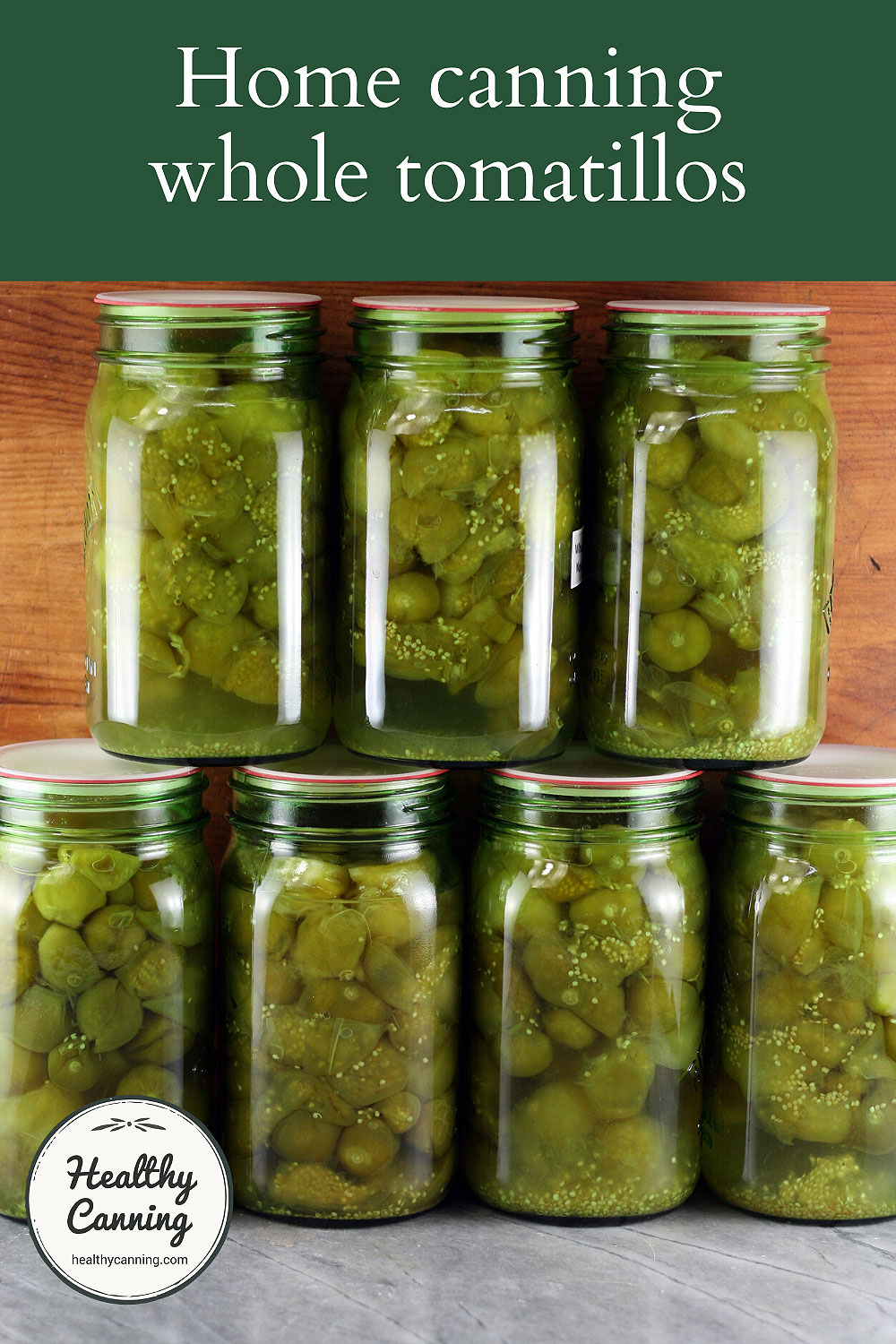
For those using a traditional atmospheric water bath or a modern steam canner, the processing times are standardized based on jar size. Half-litre (pint) jars require 40 minutes of continuous boiling, while one-litre (quart) jars require 45 minutes. It is essential to note that these times are calibrated for sea level. As altitude increases, the boiling point of water decreases, necessitating an increase in processing time to achieve the same level of pathogen destruction.
Steam canning is often preferred for its efficiency, as it uses significantly less water and reaches processing temperature faster than a water bath. However, the NCHFP cautions that steam canning should not be used if the altitude-adjusted processing time exceeds 45 minutes, as the canner may boil dry.
Pressure Canning
Pressure canning is an alternative that significantly reduces the time the fruit is subjected to heat, which can help preserve the texture of the tomatillos. The USDA offers a variety of pressure and time combinations. For instance, at altitudes between 0 and 300 meters (0-1000 feet), tomatillos can be processed for 15 minutes at 5 pounds of pressure, or as little as 1 minute if the pressure is increased to 15 pounds.

Even when using a pressure canner, the addition of lemon juice or citric acid remains mandatory. The pressure canning times provided by the USDA for tomatillos were designed to achieve a specific culinary result in a shorter timeframe, but they do not replace the safety margin provided by the acidification of the product.
Nutritional Profile and Economic Impact
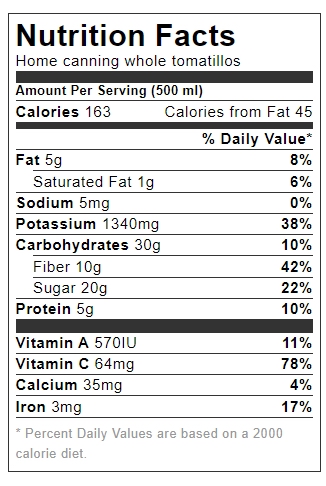
Home-canned tomatillos offer a nutritionally dense addition to the winter pantry. A 500ml (pint) serving of canned tomatillos, processed without added salt, contains approximately 163 calories. They are a significant source of Vitamin C (64 mg), Vitamin A (570 IU), and Potassium (1340 mg). Furthermore, they provide 10 grams of dietary fiber and 5 grams of protein per serving.
From an economic perspective, home canning allows consumers to purchase tomatillos in bulk during the peak of the harvest season—often at a fraction of the cost of out-of-season fresh imports or commercially canned alternatives. On average, approximately 1 kilogram of fresh tomatillos is required to yield one litre of canned product (roughly 2 lbs per US quart). For home gardeners, this process represents the most effective way to manage a surplus harvest, ensuring that none of the nutritional value of the crop is lost to spoilage.
Expert Perspectives and Culinary Applications
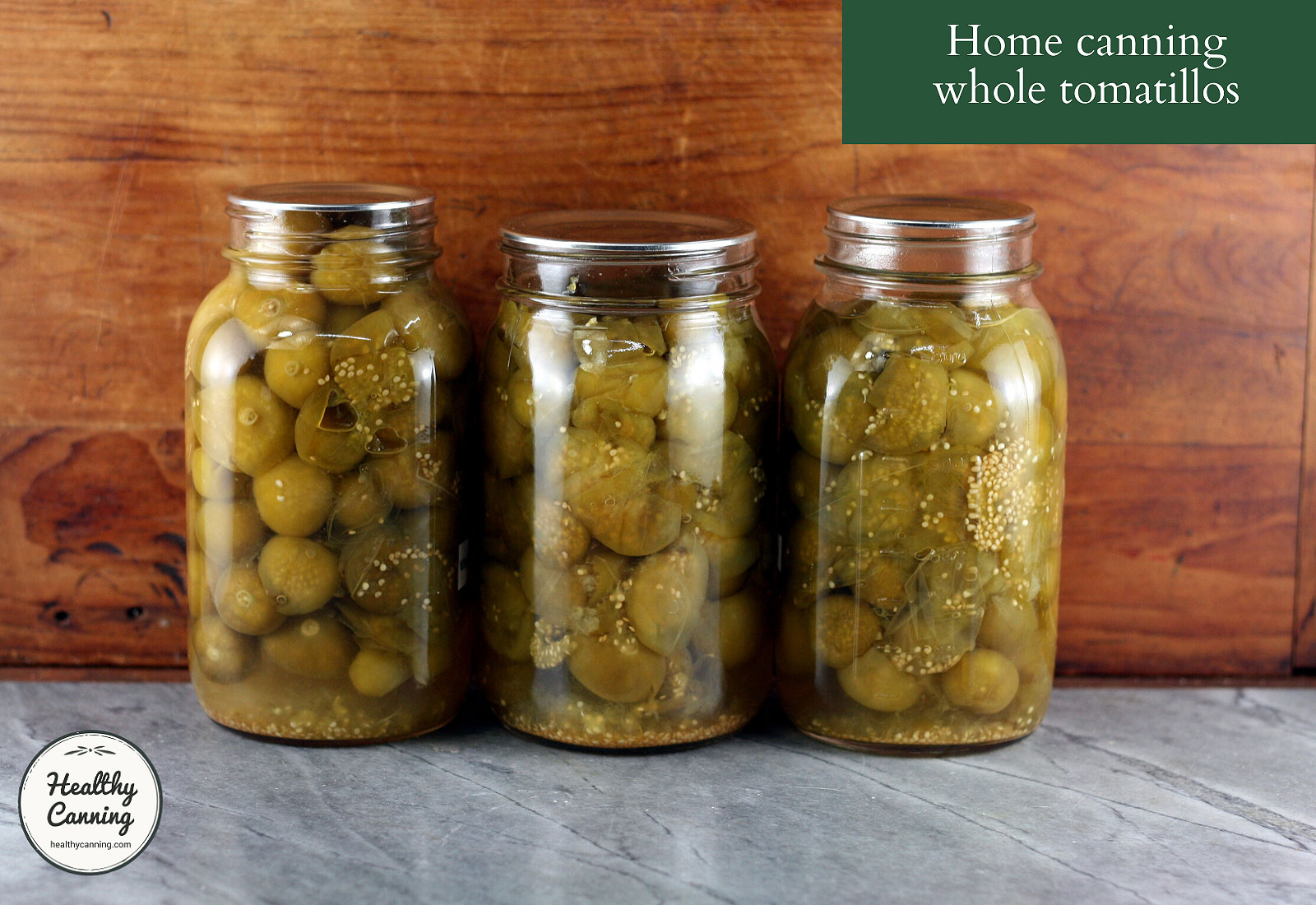
The utility of plain canned tomatillos in the kitchen is extensive, provided the cook understands the changes the fruit undergoes during the canning process. Because the fruit is simmered and then heat-processed in the jar, canned tomatillos are effectively "pre-cooked."
Martha Rose Shulman, a noted culinary columnist for The New York Times, suggests that canned tomatillos are an excellent substitute for fresh ones in cooked applications. "The canned variety has already been simmered until softened," Shulman notes, advising cooks to skip the initial simmering or broiling steps usually required in fresh tomatillo recipes. She suggests that an 11-ounce can (or a home-canned equivalent) can generally replace one pound of fresh fruit.
Similarly, the Joy of Cooking highlights the versatility of the preserved fruit, noting that they serve as an excellent condiment for grilled meats and poultry. They are particularly well-suited for pairing with grilled fish and shellfish, where their acidity cuts through the richness of the proteins.
Beyond simple condiments, these tomatillos serve as the base for salsa verde, enchilada sauces, and various stews. They can also be integrated into modern recipes, such as spicy jalapeño hot sauces, providing a body and tang that vinegar alone cannot achieve.
Broader Implications for Food Safety and Security
The standardization of the tomatillo canning process by the USDA reflects a broader commitment to public health. While home canning is a traditional skill, it is also a rigorous biological exercise. The transition from "folk methods"—which often relied on guesswork regarding acidity and heat—to validated scientific formulas has dramatically reduced the incidence of home-canning-related botulism in North America.
Furthermore, the ability to preserve one’s own food has significant implications for community food security. By mastering the preservation of high-acid foods like tomatillos, individuals reduce their reliance on global supply chains and industrial food processing. The USDA’s "Complete Guide to Home Canning" (Agriculture Information Bulletin No. 539) remains the definitive resource for this practice, ensuring that the intersection of tradition and science results in a product that is both delicious and shelf-stable.
As the agricultural landscape continues to face challenges from climate volatility and economic shifts, the revival of these preservation techniques ensures that the vibrant flavors of the summer harvest remain accessible year-round, safely stored in glass jars on the pantry shelf.