
The quest for the perfect cup of coffee is a fascinating journey into chemistry, physics, and meticulous craftsmanship, revealing a brewing process far more complex than a simple pour of hot water over grounds. Coffee extraction, the process by which soluble compounds are dissolved from roasted coffee beans into water, is a delicate chemical ballet where concentrations can span nine orders of magnitude, making each brew a unique interplay of hundreds of flavor and aroma compounds. This inherent complexity means that achieving an ideal cup often necessitates a selective extraction, rather than a full, exhaustive one, where different compounds are extracted at varying rates, allowing for a nuanced flavor profile.
If the objective were merely to extract the maximum soluble content, one might grind coffee as finely as possible, steep it for an extended period, or even boil it—a method akin to preparing Turkish coffee without additives. Such an approach could yield an extraction efficiency approaching 30%, resulting in a strong, potent beverage. However, this method typically fails to produce what most connoisseurs consider the "best" coffee. Instead, the pursuit of an exceptional brew often involves a deliberate "uneven extraction," chemically speaking, where specific compounds are extracted to different degrees, creating a desirable balance of acids, sugars, and aromatic oils. This selective extraction is most effectively achieved through percolation techniques, commonly known as pour-over brewing, a method distinct from the historical "coffee percolator" devices that relied on convection to circulate water through a coffee bed.
Pour-Over: A Symphony of Variables
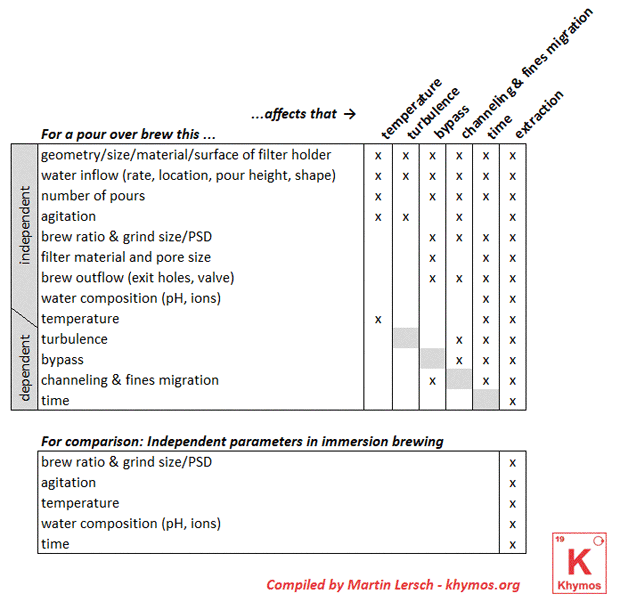
Pour-over brewing, seemingly straightforward, involves pouring hot water over ground coffee, allowing gravity to filter the brew through a paper or metal filter into a receptacle. Yet, beneath this apparent simplicity lies a surprisingly intricate system governed by numerous adjustable parameters. The final outcome is profoundly influenced by factors such as brew ratio, grind size, particle size distribution, water composition, water temperature, and filter material. Beyond these fundamental elements, an array of additional variables further modulates the extraction process. These include the geometry of the brewer, the surface texture of its internal walls, the specific type of filter used, the method of water inflow, the design of the exit holes, and crucially, the control over outflow and the management of bypass.
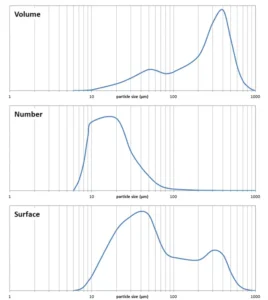
The interconnectedness of these parameters introduces an additional layer of complexity. Many variables are correlated, meaning an adjustment to one can cascade through the system, affecting several others. For instance, grind size and particle size distribution (PSD) are critical. A finer grind increases the total surface area available for extraction, potentially enhancing the dissolution of compounds. However, finer particles also impede water flow, increasing contact time and potentially leading to over-extraction of bitter compounds. Furthermore, a fine grind can clog the filter, drastically slowing the flow and promoting undesirable channeling—where water finds paths of least resistance through the coffee bed, bypassing significant portions of the grounds. This phenomenon is exacerbated by the principle that "water is lazy," always seeking the quickest route, irrespective of whether it optimizes extraction. Brewer designs that minimize contact between the filter paper and the brewer walls, or feature patterns to facilitate flow, can inadvertently increase bypass through the sides of the filter, further diluting the effective extraction.
The Crucial Role of Water: Temperature and Composition
Water, often overlooked, is a pivotal component in coffee extraction. Its temperature directly impacts the solubility and extraction rate of various compounds. Optimal brewing temperatures typically fall between 90-96°C (195-205°F). Below this range, extraction can be insufficient, leading to a sour or underdeveloped flavor. Above it, over-extraction can occur, resulting in bitterness and astringency.
Beyond temperature, water’s chemical composition is equally significant. Minerals, particularly calcium and magnesium ions, play a crucial role in buffering acidity and facilitating the extraction of desirable compounds. Water hardness, alkalinity, and pH levels can dramatically alter the flavor profile of the final brew. For example, water with high alkalinity can mute the bright, acidic notes of certain coffees, while excessively soft water might produce an overly acidic or thin cup. The specialty coffee industry widely recognizes these nuances, with many establishments employing sophisticated water filtration and mineralization systems to achieve consistent and optimal water chemistry for brewing.
Filter Media: Beyond Just Paper
The choice of filter material and design is another critical variable. Paper filters, such as those used in Hario V60 or Chemex brewers, are highly effective at trapping fine particulates and absorbing some oils, yielding a clean, bright cup with minimal sediment. However, paper filters can also impart a subtle papery taste if not pre-rinsed, and their pore size influences flow rate. Metal filters, common in pour-over cones like the Able Kone or some permanent filters, allow more fines and oils to pass through, resulting in a fuller-bodied brew with more texture and occasionally a slight sediment. Cloth filters, less common but still used, offer a unique balance, often providing a clean cup with good body and oil retention.
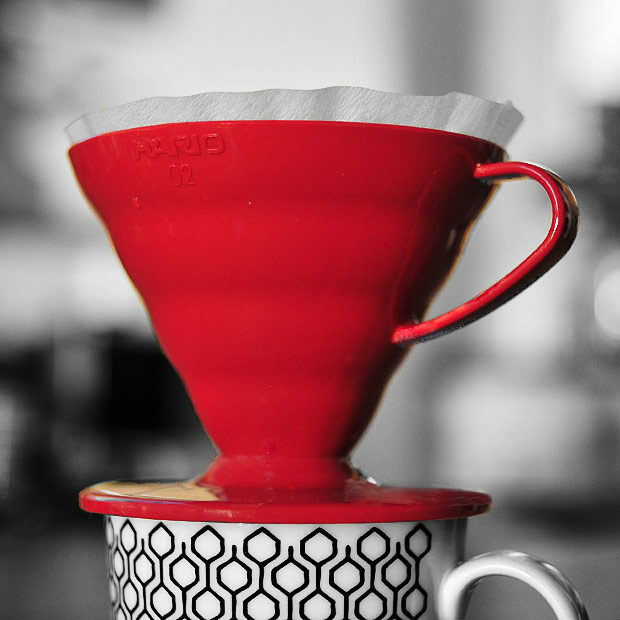
The shape of the filter and its interaction with the brewer’s internal surface are also key. Tapered or cone-shaped filters, like those for the Hario V60, create a deep coffee bed, promoting extended contact time. Flat-bottom filters, exemplified by the Kalita Wave, create a shallower, wider bed, which can lead to a faster flow but also increases the risk of channeling if not managed carefully. The internal ridges or patterns found in many brewers are designed to prevent the wet filter paper from clinging to the walls, ensuring a consistent flow path and mitigating clogging. The Chemex, with its smooth walls and thicker filter, is an exception, where the filter is intended to seal against the glass, virtually eliminating bypass and resulting in an exceptionally clean cup.
Mastering the Flow: Inflow and Outflow Control
The dynamics of water delivery and drainage are paramount. Inflow control, often managed by specialized kettles with gooseneck spouts, allows for precise and gentle pouring, minimizing disturbance to the coffee bed and preventing the creation of preferential flow paths. Advanced systems like the Gabi Dripmaster or Melodrip accessories feature multiple small holes, distributing water evenly across the coffee bed, ensuring a perfectly flat bed and consistent saturation. While effective, these accessories can sometimes lead to temperature loss if not designed with insulation in mind.
Outflow control is equally significant. Many pour-over brewers feature a single large exit hole, while others have multiple smaller ones. The size and number of these holes, combined with the filter’s characteristics and the coffee bed’s resistance, dictate the overall flow rate and extraction time. Innovative designs, such as the Clever Dripper or Hario Switch, incorporate a shut-off valve, allowing for an initial immersion phase followed by a controlled draw-down. This hybrid approach offers baristas greater control over contact time, making it easier to scale recipes and compensate for variables like grind size, which might otherwise lead to inconsistent flow rates.
The Stealthy Saboteur: Bypass
Bypass, the phenomenon of water flowing around the coffee bed rather than through it, is a significant challenge in pour-over brewing. Water that bypasses the grounds does not contribute to extraction and merely dilutes the final beverage. While deliberate dilution might be desired in some cases, uncontrolled bypass leads to an unpredictable and often weaker cup. As noted by coffee expert Jonathan Gagné in his discussions on optimal percolation, minimizing bypass is crucial for efficient and flavorful extraction.
Brewer designs featuring ridges or patterns on their internal walls, or those using fluted/folded filter papers (like the Kalita Wave), can, paradoxically, contribute to bypass by creating channels for water to flow between the filter and the brewer wall. The best way to mitigate bypass is to ensure the filter paper clings tightly to a smooth surface, as seen in the Chemex, or to utilize brewers where the entire filter is situated beneath the coffee bed, such as the Aeropress or Tricolate. The ideal scenario, from an extraction perspective, is for the coffee bed itself to be the primary restrictor of water flow, rather than the equipment, with the exception of brewers featuring an on/off valve for controlled steeping. The limited availability of cylindrical filter holders with flat filters entirely below the coffee bed, despite their efficacy in preventing bypass, remains a curious observation in the market.
Immersion Brewing: The Pursuit of Reproducibility
In stark contrast to the intricate dance of pour-over, immersion brewing offers a more robust and forgiving method. Here, all the coffee grounds are steeped in water for a predetermined duration, typically with initial stirring to ensure saturation and release of trapped gases. After the desired contact time, the brew is separated from the grounds, often via pressure filtration. This method’s inherent robustness means that two individuals following the same recipe are far more likely to achieve similar results, making it a favorite for consistency and ease of use.
The French press is the quintessential immersion brewer, characterized by its relatively coarse wire mesh filter. This filter allows a significant amount of coffee fines and oils to pass into the cup, contributing a rich body and distinct texture, often leaving a noticeable sediment. While this can be appreciated for its full-bodied mouthfeel, the extended contact time with fines can also introduce undesirable bitterness. For those seeking a cleaner, clearer cup from a French press, an additional filtration step through a paper filter is a recommended experiment, demonstrating how particle removal can alter the flavor profile by eliminating sediment and some oils. Despite its robustness, immersion coffee can sometimes be perceived as "muted" compared to the bright, nuanced notes achievable through carefully executed pour-over.
Hybrid brewers like the Aeropress and the Clever Dripper merge elements of both immersion and percolation. The Aeropress typically involves an immersion phase followed by a plunge (pressure filtration), offering a clean cup with controllable body. The Clever Dripper uses a valve to allow for an initial steeping before releasing the brew through a paper filter, combining the consistency of immersion with the clarity of pour-over. These innovations highlight the ongoing effort to balance control, consistency, and flavor in coffee brewing.
A Century of Innovation: The Enduring Quest for the Perfect Brew
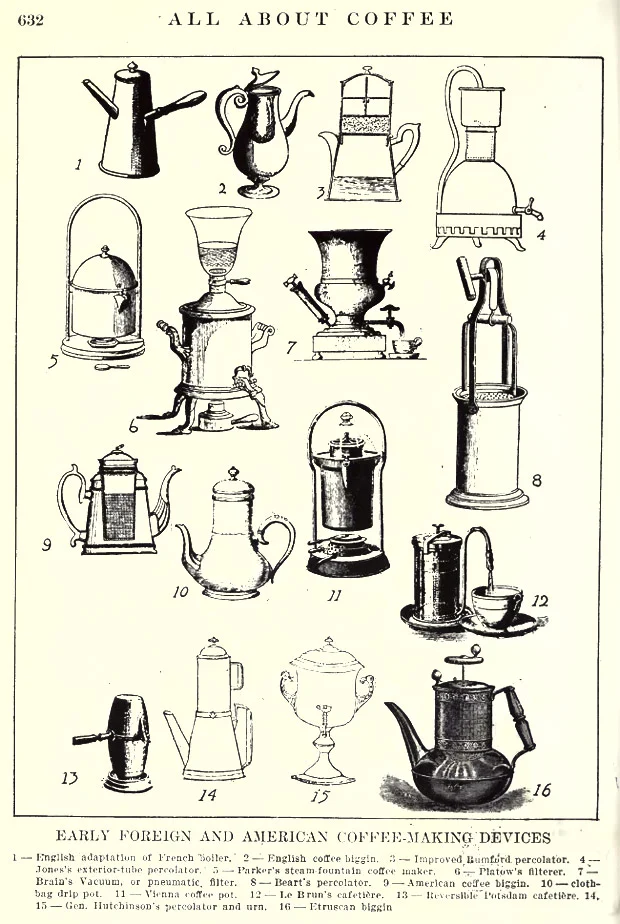
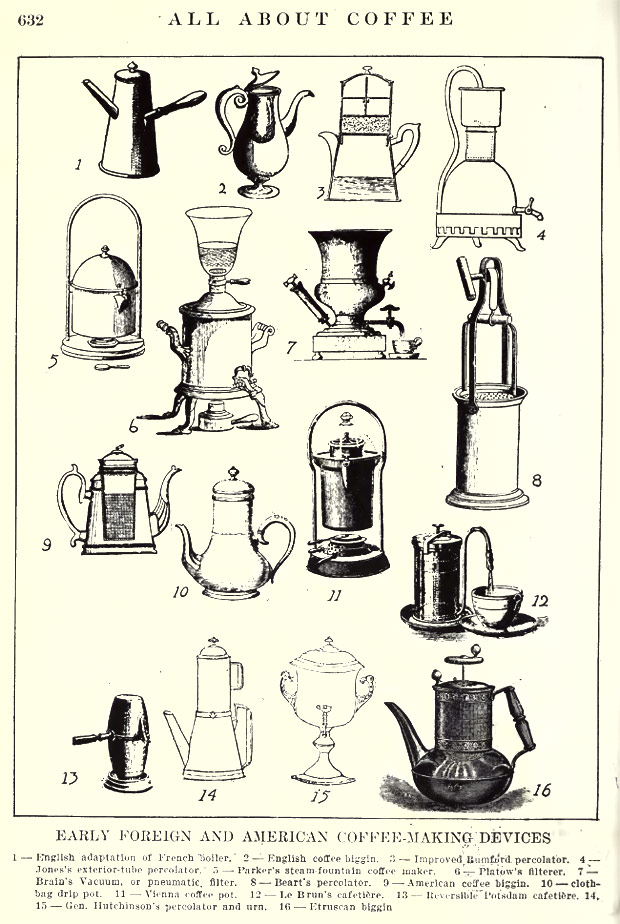
The pursuit of optimal coffee extraction is not a modern phenomenon. Historical records, such as the illustrations from W. A. Ukers’ seminal 1922 book "All About Coffee," reveal a long and rich history of human ingenuity dedicated to designing better coffee makers. These early devices, often elaborate and varied, underscore a persistent fascination with the mechanics of brewing. From the earliest drip pots to the sophisticated siphon brewers, inventors have continuously sought to "untie the coffee knot," addressing challenges like temperature stability, even extraction, and sediment control.
This historical context provides a backdrop for the seemingly endless array of modern pour-over brewers available today, each with subtle design differences intended to address specific aspects of the extraction process. From the thermally insulated Stagg X/XF to the conical Hario V60 and the flat-bottomed Kalita Wave, these devices represent iterative improvements and diverse philosophies in achieving the ideal brew. The choice of materials—plastic for cost-effectiveness and heat retention, ceramic for thermal mass, glass for aesthetic and inertness, and metal for durability—also plays a role in their functionality and appeal. This continuous innovation reflects not only the enduring human desire for a superior sensory experience but also the commercial imperative within the burgeoning specialty coffee industry to offer distinct, high-performance brewing solutions.
The inherent complexity of pour-over brewing, while offering immense control to skilled baristas, also presents a double-edged sword. It can lead to unintended and random variations, contributing to the proliferation of coffee preparation "myths" and making it challenging for two individuals to replicate the exact same results, even when following an identical recipe. This is often because most recipes fail to detail the myriad parameters mentioned above with sufficient precision. The professionalization of coffee brewing, however, is increasingly driven by a scientific understanding of these variables, moving from anecdotal practices to data-informed methodologies.
The journey to the ultimate cup of coffee, as famously depicted by Gale Boetticher in "Breaking Bad," is a blend of scientific rigor and passionate dedication. It captures the essence of what coffee enthusiasts and professionals alike are constantly striving for: that unparalleled sensory experience. While no single method is universally "perfect," the ongoing exploration of extraction science, combining chemical understanding with innovative engineering, continues to bring us closer to consistently achieving that elusive, exceptional brew. The next phase in this ongoing series promises to delve into novel ideas that aim to further refine this intricate process.