
The culinary landscape of the Eastern Mediterranean, particularly the Levant region encompassing Lebanon, Syria, Jordan, and Palestine, has long been celebrated for its focus on fresh produce, vibrant spices, and the resourceful use of staple ingredients. Among the most iconic exports of this region is Fattoush, a traditional "bread salad" that has recently seen a resurgence in global kitchens due to its nutritional density and flavor complexity. A new, streamlined approach to this classic dish highlights a shift toward efficiency in modern gastronomy, offering a one-bowl, 20-minute preparation method that maintains the integrity of traditional Levantine flavors while catering to the time constraints of contemporary lifestyles.
The Historical and Cultural Foundations of Fattoush
To understand the significance of Fattoush, one must examine its etymological and cultural roots. The name is derived from the Arabic word "fatteh," which translates to "crumbs" or "fragments." Historically, Fattoush originated as a "peasant salad," a pragmatic solution designed by farmers and rural families to utilize leftover, stale flatbreads. By toasting or frying these pieces of bread and tossing them with seasonal greens and vegetables, the dish transformed potential food waste into a centerpiece of the Levantine table.
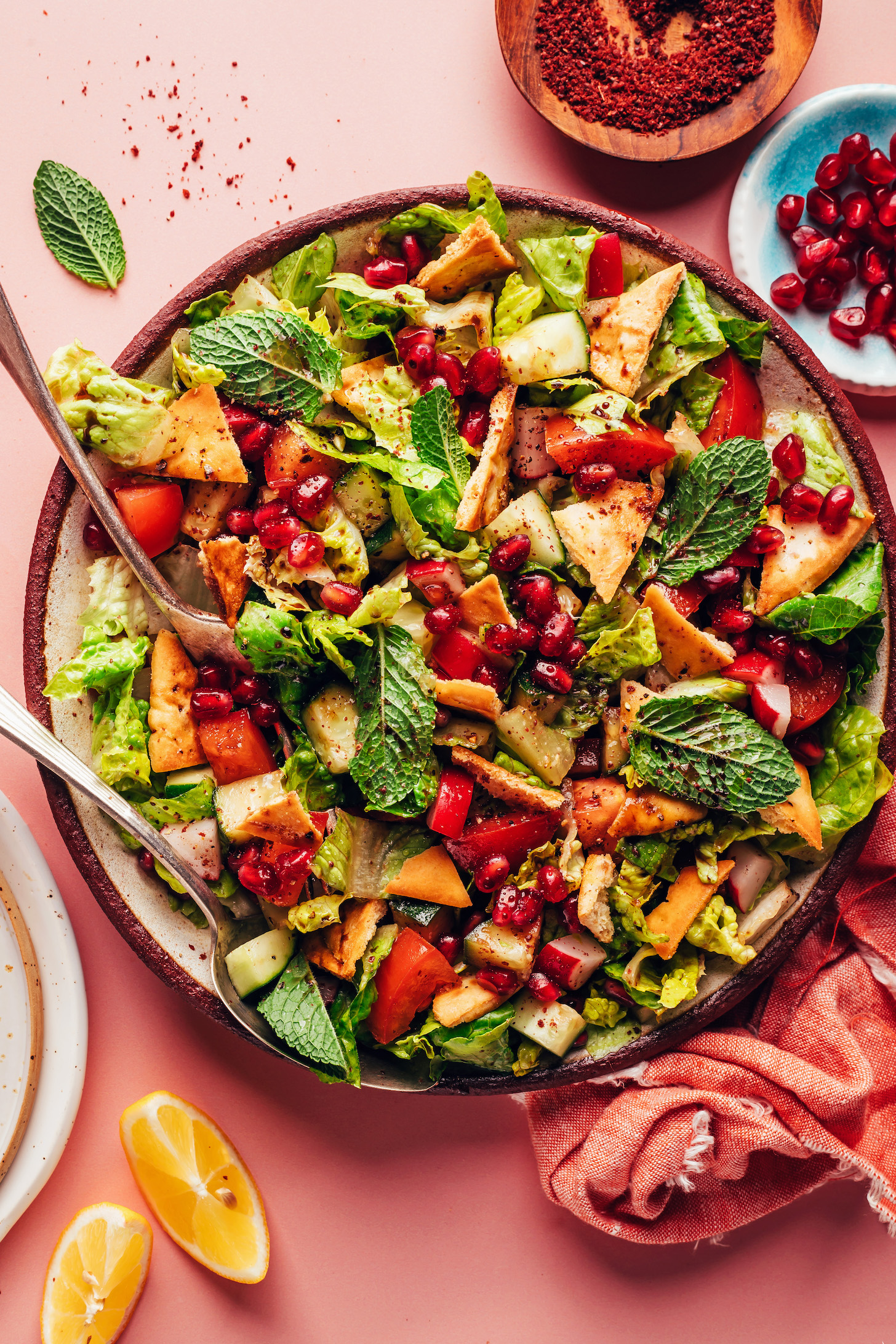
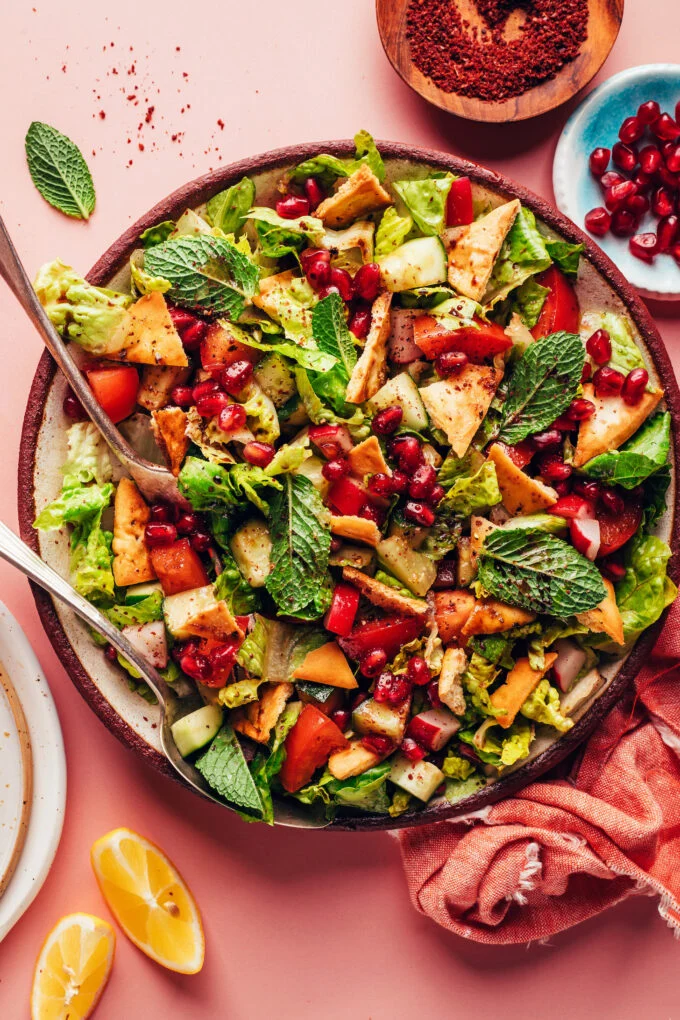
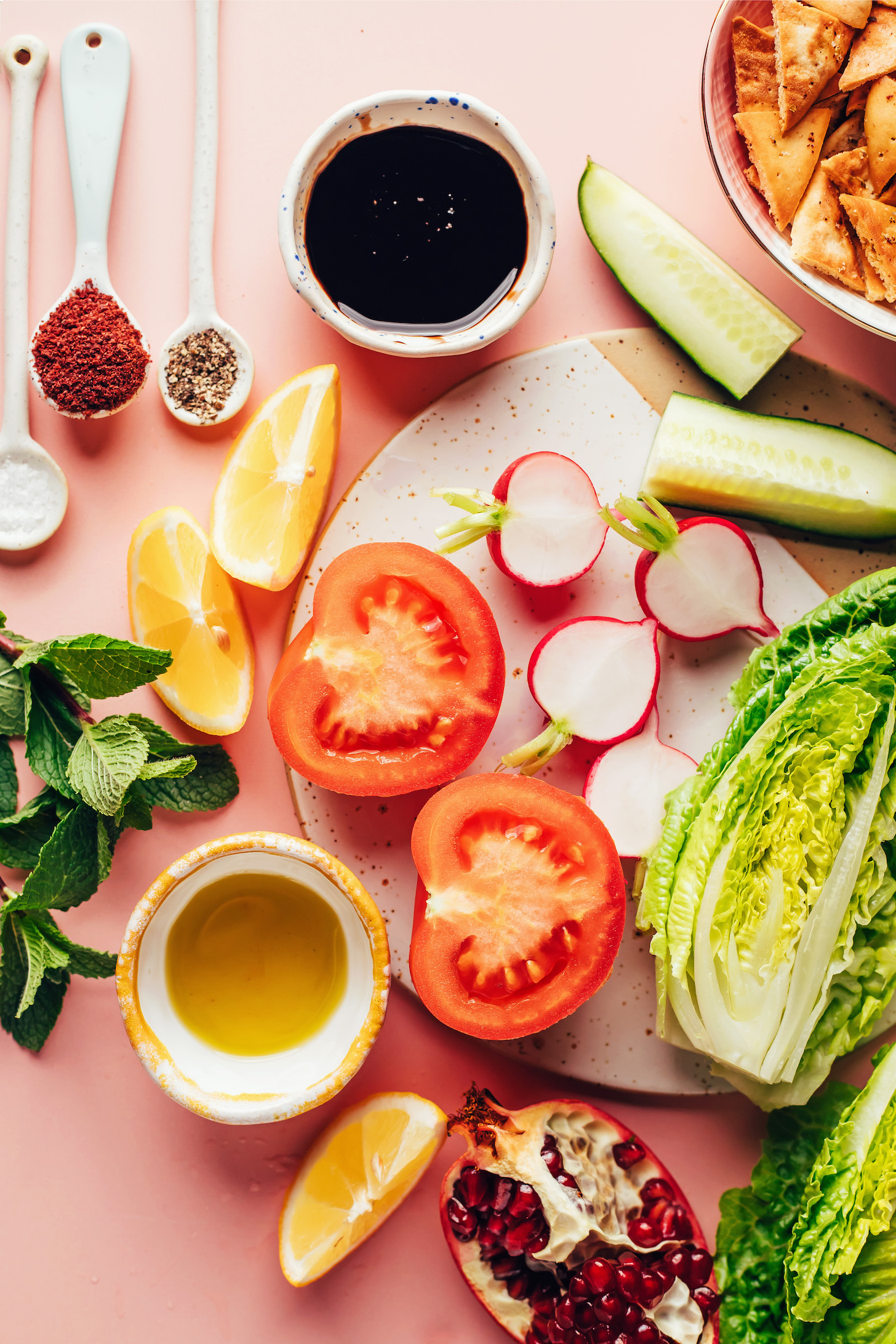
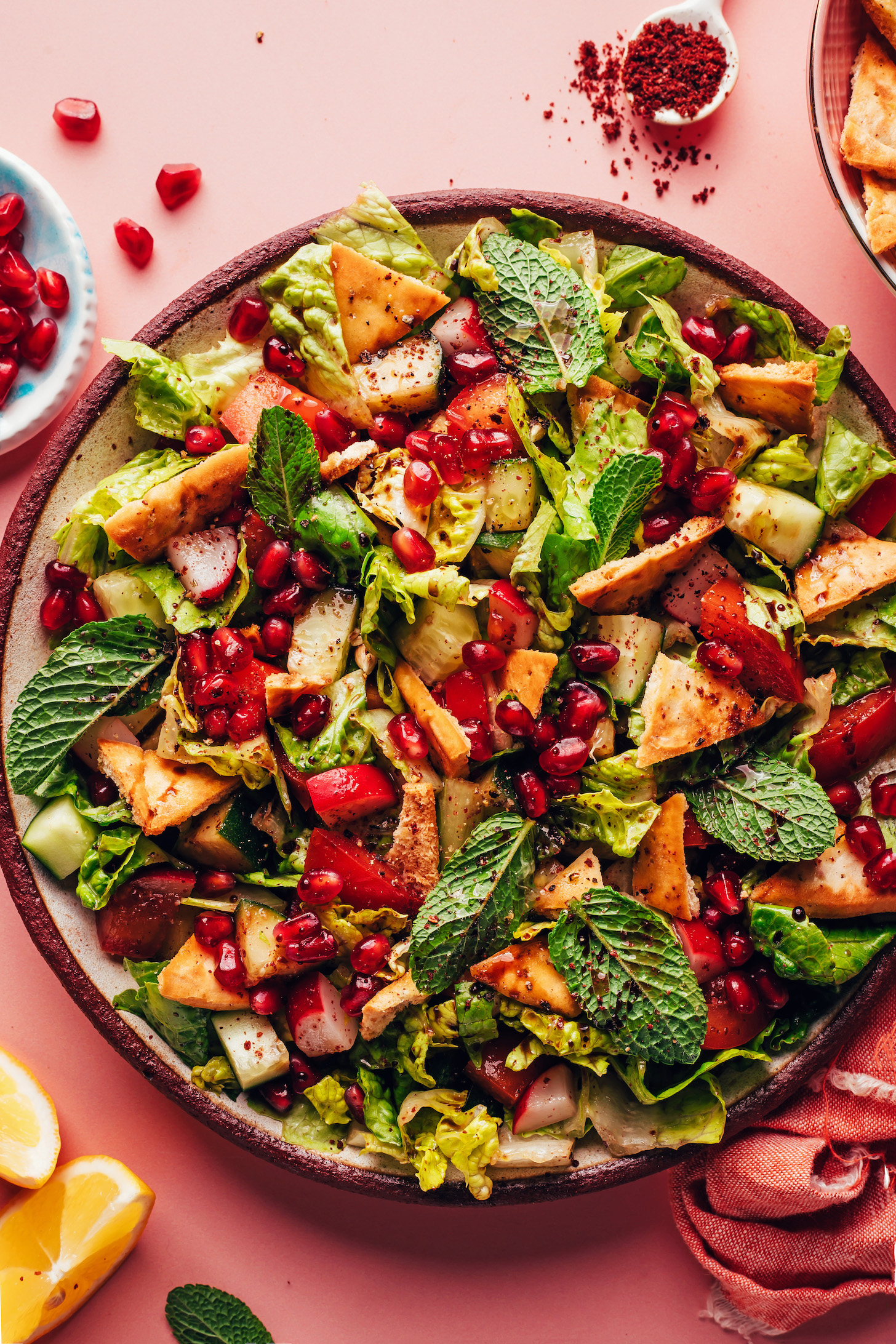
Unlike other regional salads, such as Tabbouleh, which relies heavily on parsley and fine bulgur, Fattoush is characterized by its "rough-cut" nature. Traditionally, it features a diverse array of garden-fresh ingredients, including romaine lettuce, cucumbers, radishes, and tomatoes. The defining element, however, is the dressing, which utilizes sumac—a tangy, deep-red spice derived from ground berries—and pomegranate molasses to achieve a distinctively tart and bright profile.
Technical Breakdown: The Modern One-Bowl Methodology
The evolution of recipe development has increasingly prioritized the reduction of "friction" in the kitchen. The current 20-minute iteration of Fattoush reflects this trend by utilizing a single-bowl preparation technique. This method minimizes clean-up and ensures that the dressing emulsifies directly with the vegetables, allowing the flavors to meld more effectively.
Component Chronology and Assembly
The assembly of a modern Fattoush follows a specific chronological order to maximize texture and freshness:
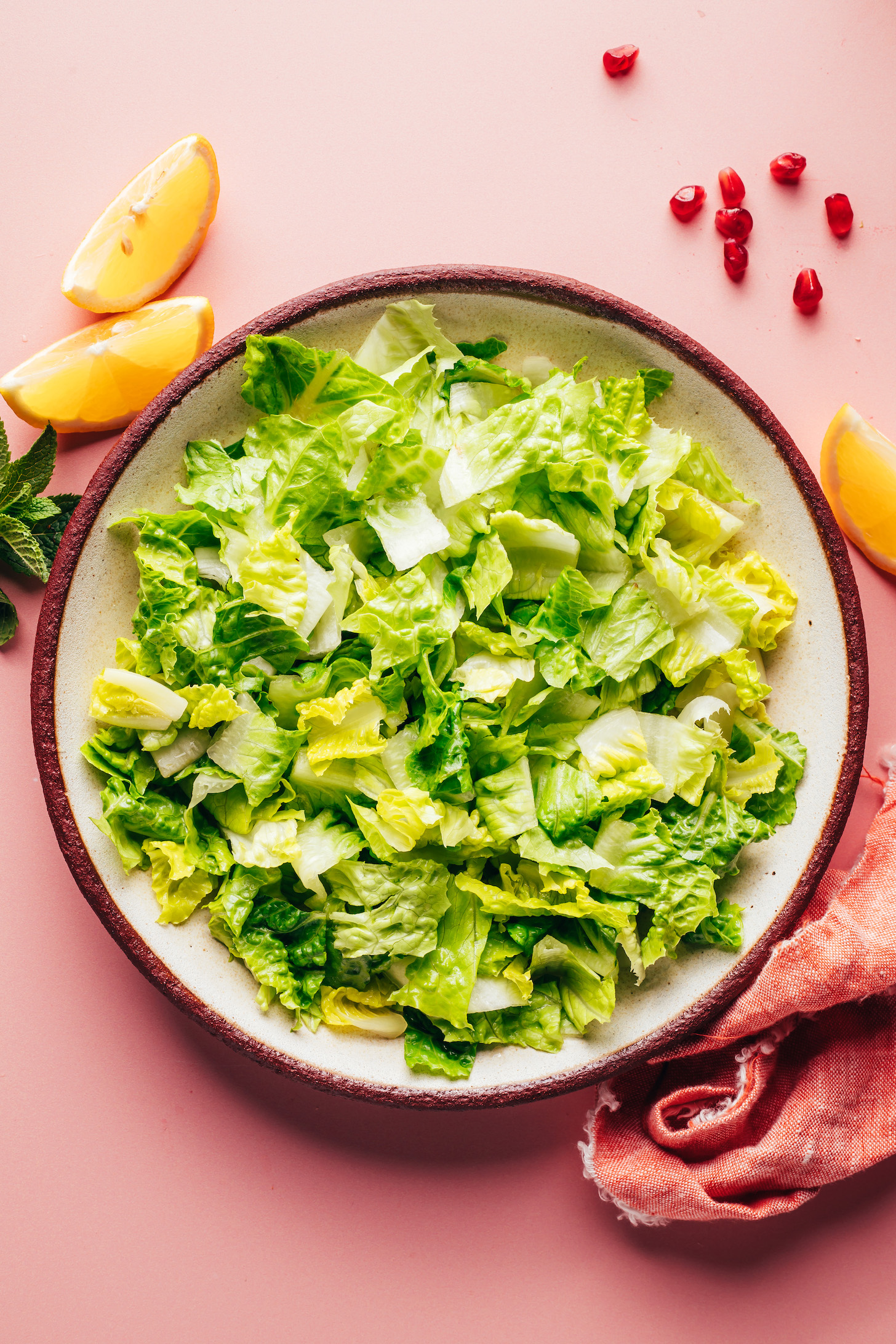
- The Base Layer: Freshly chopped romaine lettuce serves as the structural foundation. Its high water content and neutral flavor profile provide a crisp canvas for the more pungent ingredients.
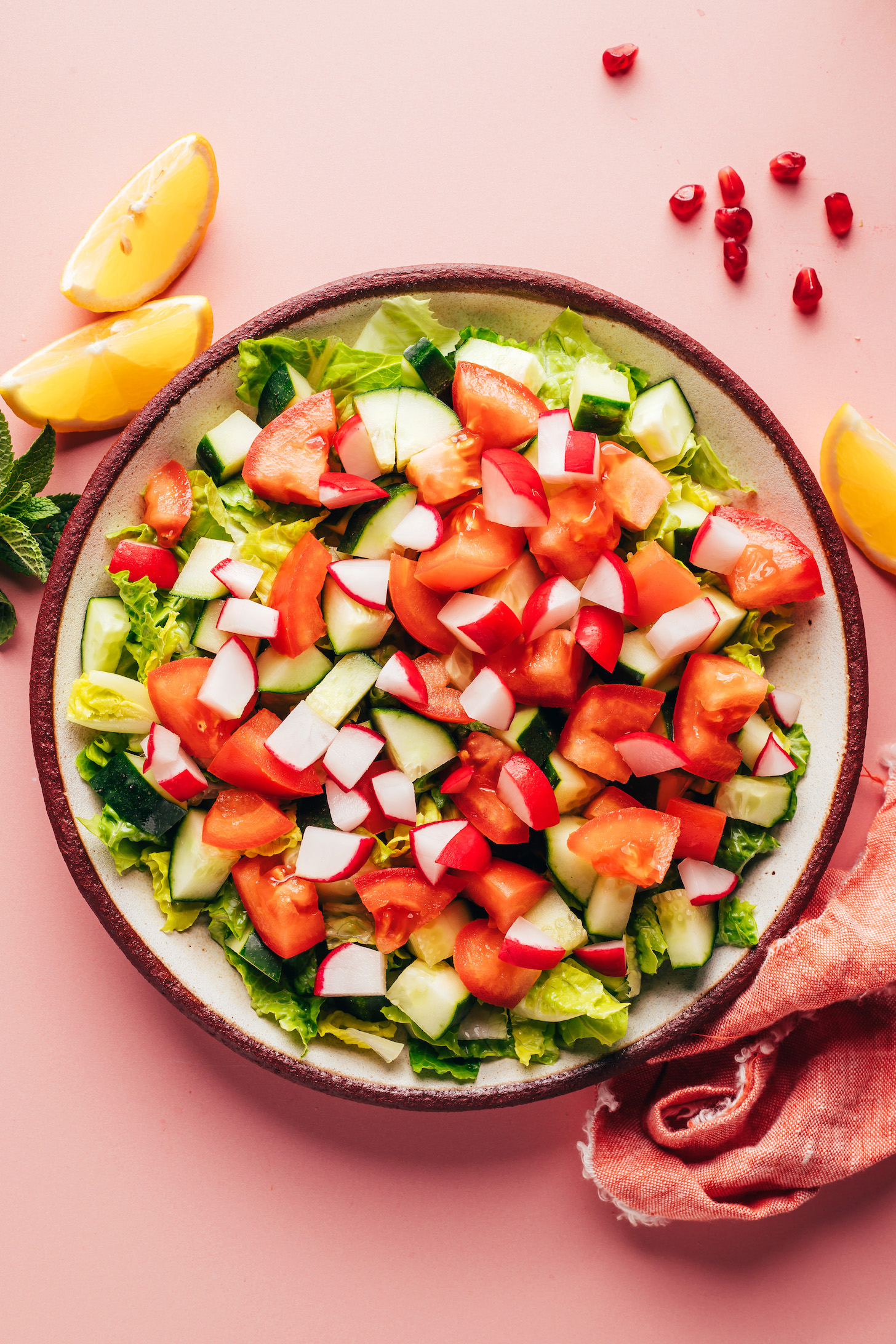
- Vegetable Integration: Seasonal produce, including cucumbers (ideally Persian or Lebanese varieties for their thin skins and concentrated flavor), tomatoes, and radishes, are added. The inclusion of radish is essential for providing a peppery bite that balances the acidity of the dressing.
- The Direct-Seasoning Dressing: Rather than whisking a vinaigrette in a separate vessel, the ingredients—lemon juice, pomegranate molasses, sumac, salt, and black pepper—are added directly to the bowl. This "no-mix" approach relies on the tossing process to distribute the oils and acids evenly across the surfaces of the vegetables.
- Aromatic Finishing: Fresh mint leaves are incorporated whole or roughly torn. Culinary experts suggest that keeping the leaves larger prevents them from bruising and oxidizing, ensuring a more potent herbal aroma upon consumption.
- Textural Contrast: The final stage involves the addition of pita chips and pomegranate arils. The pita chips provide the necessary crunch that defines the "fatteh" style, while the pomegranate arils offer "pops" of sweetness that counteract the sour notes of the sumac.
Ingredient Analysis and Nutritional Profile
From a nutritional standpoint, the Fattoush salad is an exemplar of the Mediterranean diet, which is frequently cited by healthcare professionals as a gold standard for heart health and longevity.
Data provided by nutritional analyses indicates that a standard side serving of this streamlined Fattoush contains approximately 127 calories. The macronutrient breakdown includes 21.6 grams of carbohydrates, 2.8 grams of protein, and 4.1 grams of fat. Notably, the dish is rich in micronutrients, providing 562 IU of Vitamin A and 14 mg of Vitamin C per serving.
The Role of Sumac and Pomegranate Molasses
The two most critical ingredients in Fattoush—sumac and pomegranate molasses—carry significant health implications. Sumac is recognized in various pharmacological studies for its high antioxidant content, specifically its ability to neutralize free radicals. Its tartness allows for a reduction in sodium intake, as the acidity mimics the "brightness" often sought from salt.
Pomegranate molasses, a thick reduction of pomegranate juice, provides a complex carbohydrate source and additional polyphenols. In this specific recipe, it acts as the primary acidifier alongside lemon juice, creating a layered tartness that is more sophisticated than a standard vinegar-based dressing.
Economic and Environmental Implications: Addressing Food Waste
The revival of Fattoush in the modern kitchen also aligns with global sustainability goals. According to the Food and Agriculture Organization (FAO), roughly one-third of all food produced for human consumption is lost or wasted. Bread is among the most wasted food items globally.
The Fattoush recipe provides a direct template for "upcycling" day-old pita or flatbread. While store-bought pita chips are often used for convenience, the traditional method involves slicing stale bread into triangles, tossing them with olive oil, salt, and sumac, and baking them at 350°F (180°C) for approximately 8 to 12 minutes. This practice not only reduces household waste but also enhances the dish’s authenticity and flavor profile through the use of high-quality oils and seasonings.
Market Trends and Global Adaptation
The popularity of Levantine cuisine has surged in Western markets over the last decade. Market research suggests that consumers are increasingly seeking "functional foods"—dishes that offer specific health benefits beyond basic nutrition. The rise of "bowl-style" eating, where various textures and temperatures are combined in a single vessel, has made Fattoush a staple in fast-casual dining and home meal planning.
Furthermore, the adaptability of the recipe has allowed it to transcend dietary restrictions. By substituting traditional pita with gluten-free flatbreads or grain-free crackers, the dish becomes accessible to the growing demographic of consumers with celiac disease or gluten sensitivities. Similarly, the inherently vegan nature of the salad aligns with the global shift toward plant-based eating.
Expert Perspectives and Culinary Analysis
Professional chefs and food historians note that the "one-bowl" Fattoush represents a democratization of Middle Eastern cooking. By reducing the preparation time to 20 minutes, the dish moves from being a labor-intensive weekend project to a viable weeknight meal.
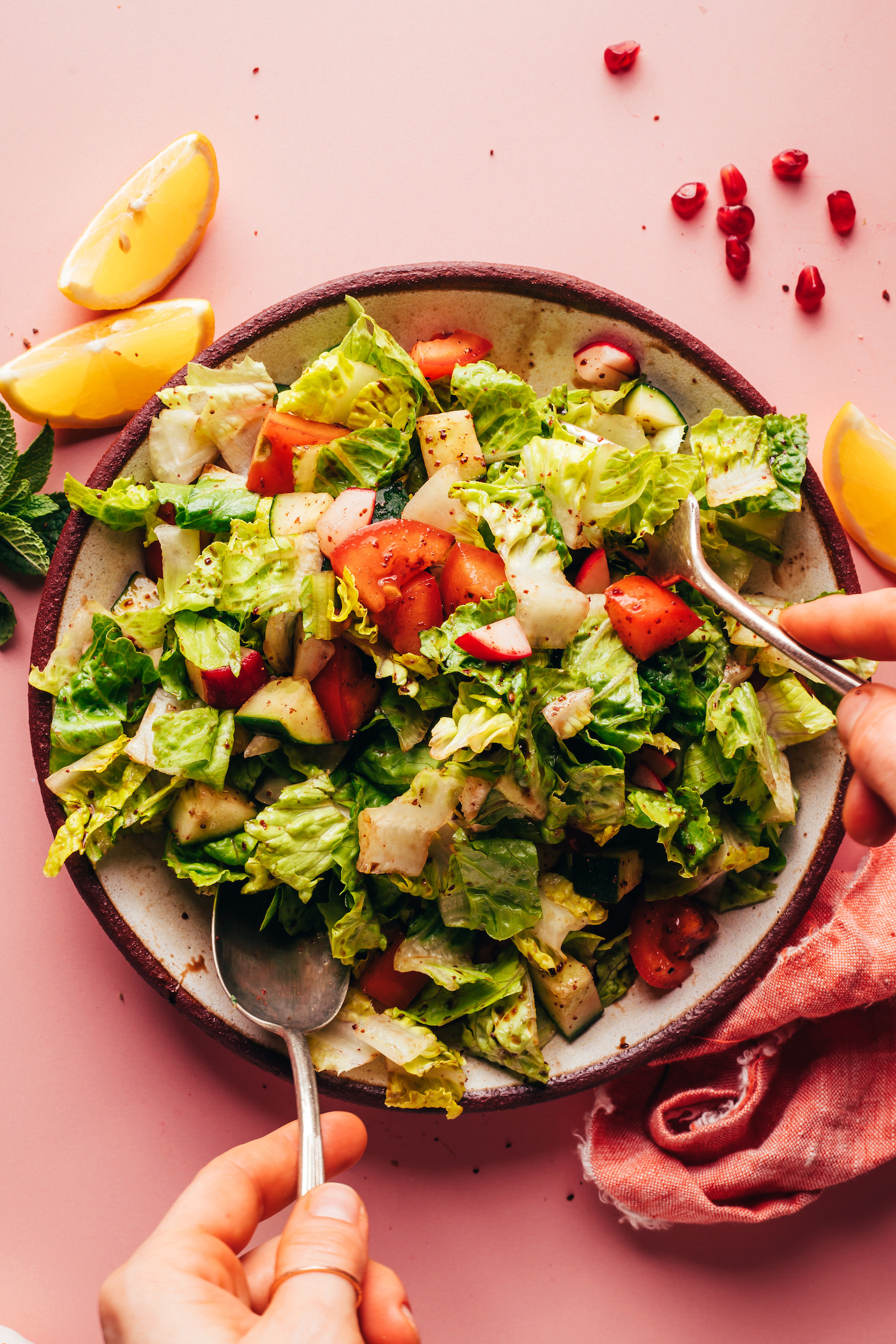
"The key to a successful Fattoush is the balance of textures," notes one culinary analyst. "You have the aqueous crunch of the cucumber, the leafy snap of the romaine, and the brittle, salty crunch of the pita. When you combine those with the astringency of sumac, you create a sensory experience that is both refreshing and deeply satisfying."
Logically inferred reactions from the culinary community suggest that while purists may argue for the traditional, more time-consuming methods of frying bread and finely dicing vegetables, the efficiency of the one-bowl method is a necessary evolution for the survival of traditional recipes in a fast-paced world.
Broader Impact on Public Health
The promotion of recipes like Fattoush has broader implications for public health initiatives. As global obesity rates continue to rise, the introduction of high-fiber, low-calorie, and nutrient-dense meals that do not sacrifice flavor is essential. With 4 grams of fiber per serving, Fattoush aids in digestive health and promotes satiety, making it an effective tool for weight management.
The inclusion of healthy fats—primarily from olive oil—facilitates the absorption of fat-soluble vitamins (A, D, E, and K) found in the greens and vegetables. This synergistic relationship between ingredients is a hallmark of traditional Mediterranean cooking and serves as a model for modern nutritional science.
Conclusion: The Future of Levantine Cuisine
The "Easy Fattoush Salad" is more than a simple recipe; it is a bridge between ancient agricultural traditions and modern culinary requirements. By distilling the essence of the Levant into a 20-minute, one-bowl process, it ensures that the flavors of the Eastern Mediterranean remain relevant and accessible to a global audience. As consumers continue to prioritize health, sustainability, and efficiency, dishes like Fattoush are poised to remain at the forefront of the international gastronomic conversation, proving that the most enduring recipes are those that can adapt without losing their soul.