
The culinary landscape of the Eastern Mediterranean, historically known as the Levant, has long been celebrated for its emphasis on fresh produce, aromatic herbs, and the ingenious use of pantry staples. Among the most enduring exports of this region is Fattoush, a vibrant "bread salad" that has evolved from a rustic peasant dish into a global staple of health-conscious dining. A newly refined methodology for preparing this classic dish emphasizes efficiency and accessibility, condensing the traditional preparation into a single-bowl, 20-minute process. This modernized approach reflects broader shifts in contemporary home cooking, where the demand for authentic international flavors intersects with the logistical constraints of a fast-paced work week.
Historical and Cultural Context of the Levantine Staple
Fattoush belongs to a specific category of Middle Eastern cuisine known as muqabbilat (appetizers) or part of a meze spread. Its origins are deeply rooted in the agricultural traditions of Lebanon, Syria, Jordan, and Palestine. Historically, the dish served a dual purpose: it provided a refreshing use for the abundance of summer vegetables and offered a sustainable solution for utilizing stale flatbread, known as khubz.
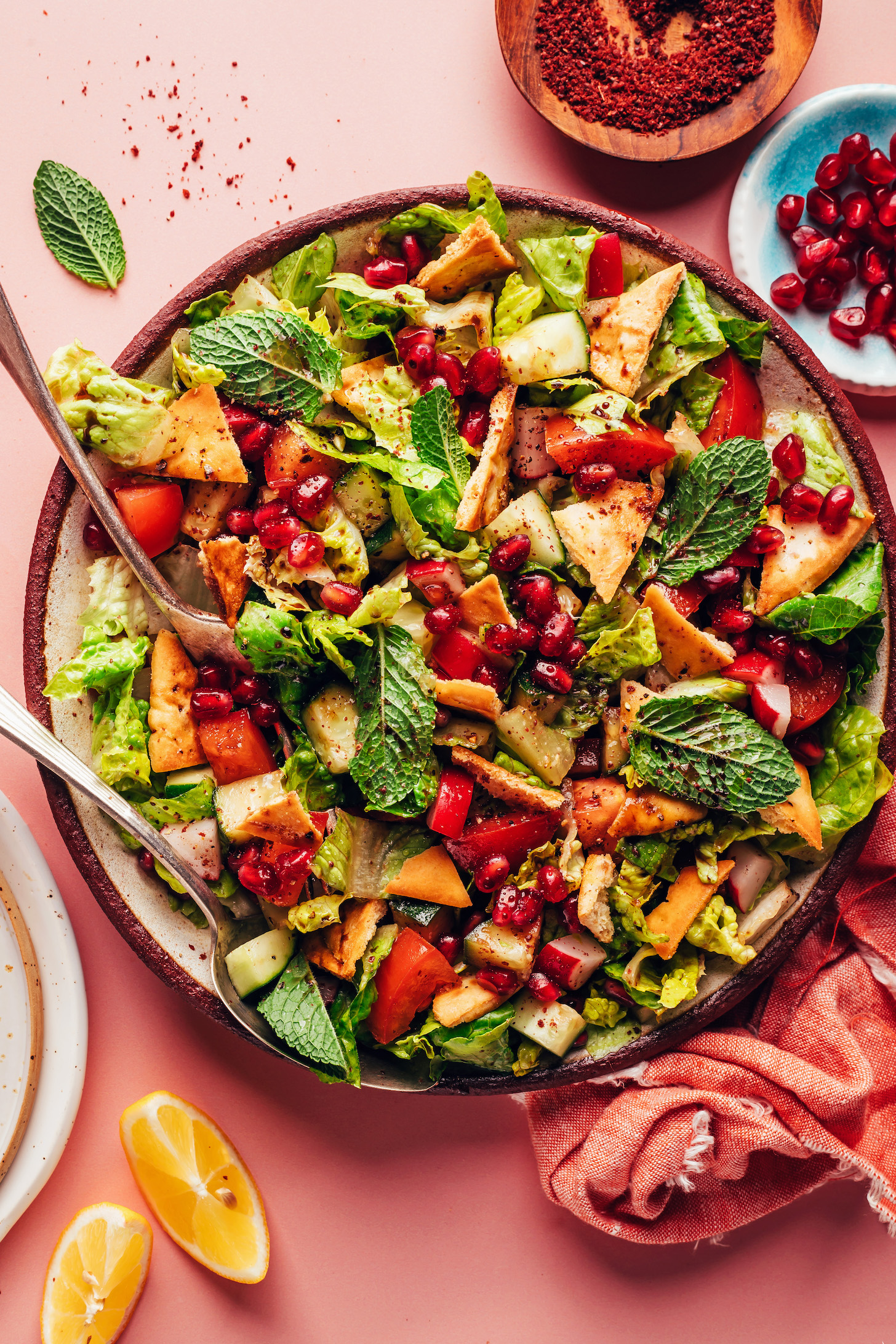
The name "Fattoush" is derived from the Arabic word fatteh, which literally translates to "crumbs" or "fragments," referring to the torn pieces of toasted or fried pita bread that define the salad’s texture. Unlike its Italian cousin, the Panzanella, which relies on soaking dried bread to absorb tomato juices, Fattoush emphasizes the crunch of the bread, creating a structural contrast against the suppleness of the greens and the snap of fresh radishes and cucumbers.
The Evolution of Preparation: The One-Bowl Methodology
Traditional Fattoush preparation often involves multiple stages, including the separate whisking of vinaigrettes and the frying of bread in olive oil. However, the modern "weeknight-friendly" version optimizes this workflow. By utilizing a single bowl, the process minimizes cleanup and ensures that the flavors are integrated through a layering technique.
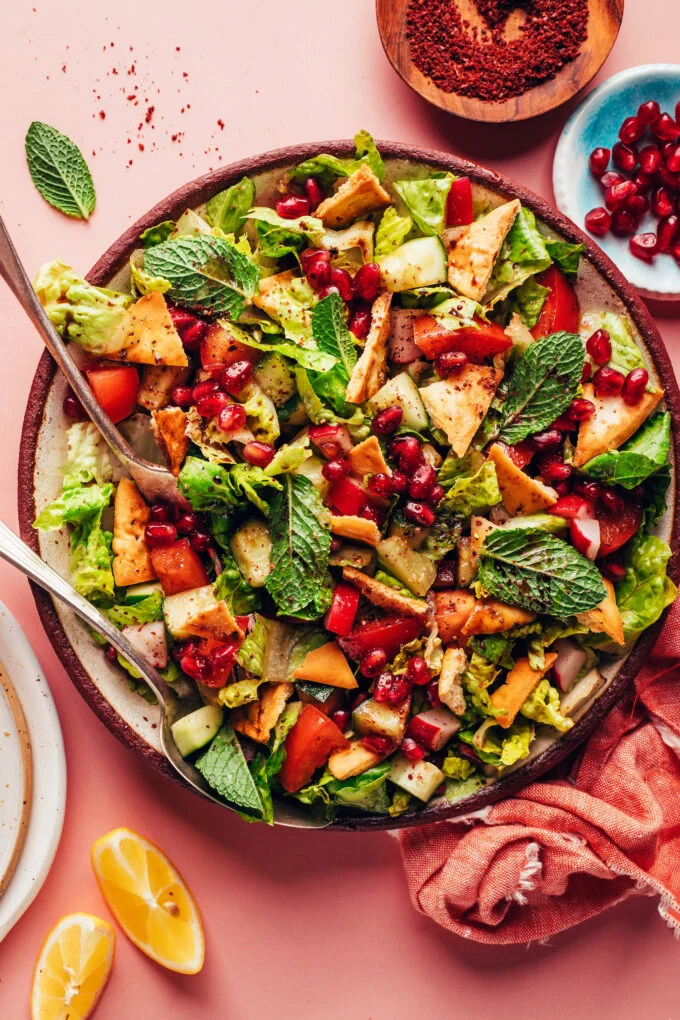
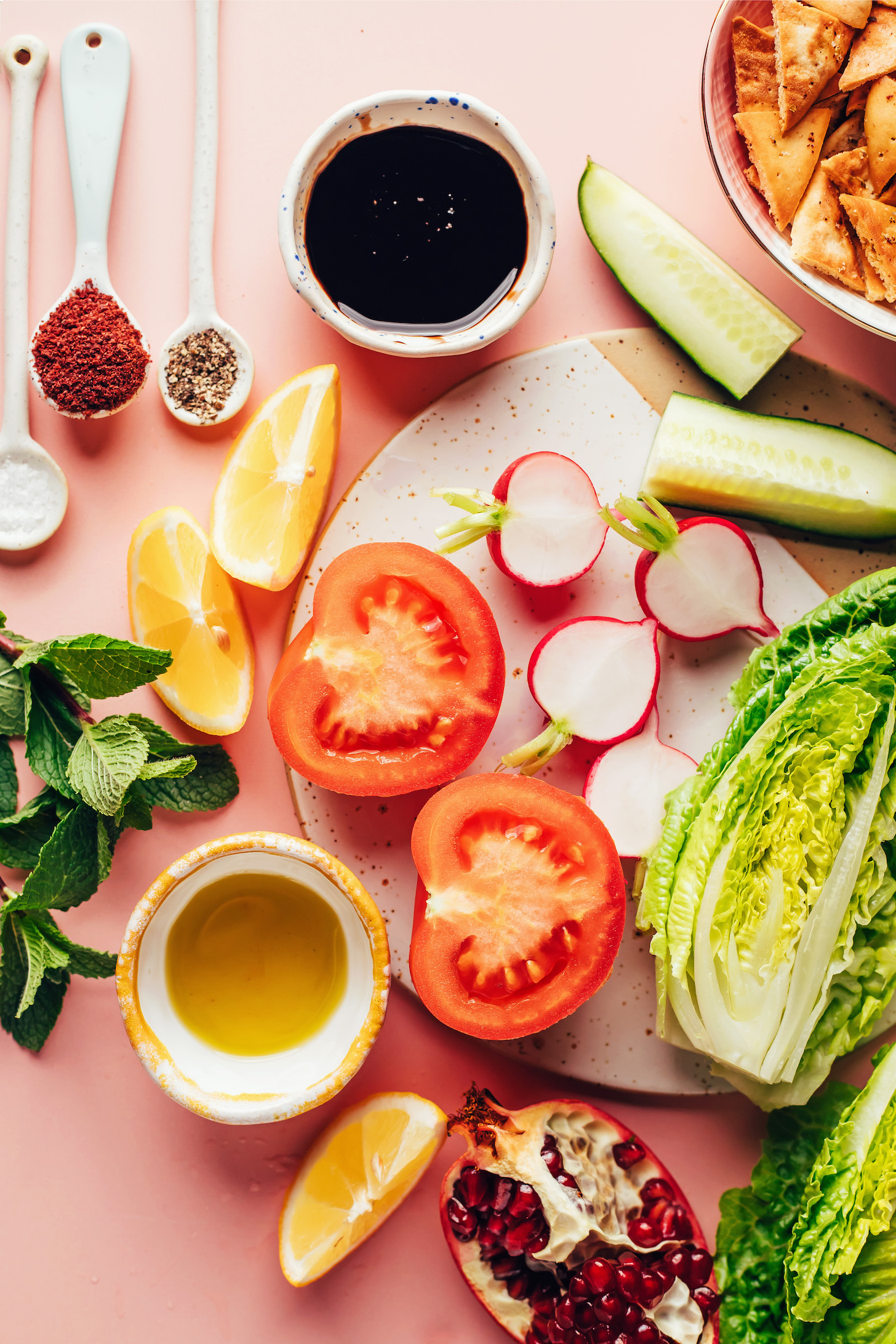
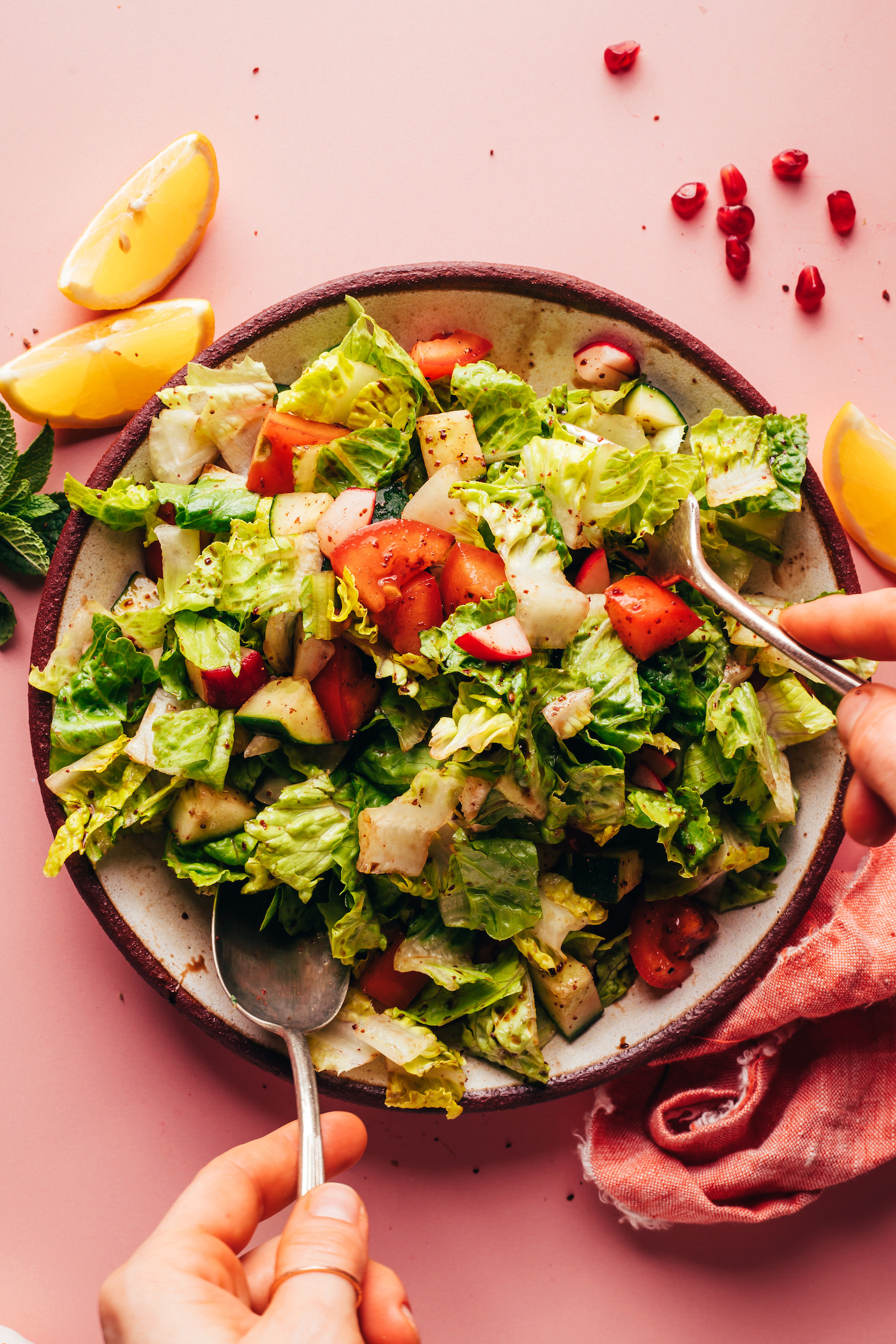
The process begins with a structural base of romaine lettuce. Culinary experts note that romaine is preferred for its high water content and neutral flavor profile, which allows the more assertive herbs and spices to predominate. This is followed by the addition of "high-crunch" vegetables—specifically Persian or Lebanese cucumbers, tomatoes, and radishes. The choice of cucumber is significant; Persian varieties are favored in Levantine cooking for their thin skins and lack of developed seeds, which prevents the salad from becoming overly watery.
Nutritional Profile and Functional Ingredients
The nutritional density of Fattoush is largely attributed to its dressing and garnishes, which feature two powerhouse ingredients of Middle Eastern gastronomy: sumac and pomegranate molasses.
The Role of Sumac (Rhus coriaria)
Sumac is a spice derived from the dried and ground berries of the wild sumac flower. It is characterized by a deep burgundy hue and a sharp, citrusy flavor profile. Beyond its culinary utility as a souring agent, sumac has been the subject of numerous clinical studies. Research suggests that sumac is exceptionally high in antioxidants, specifically polyphenols and flavonoids, which contribute to its anti-inflammatory properties. In the context of a salad dressing, sumac provides the necessary acidity without the volatility of pure lemon juice or vinegar.
Pomegranate Molasses and Arils
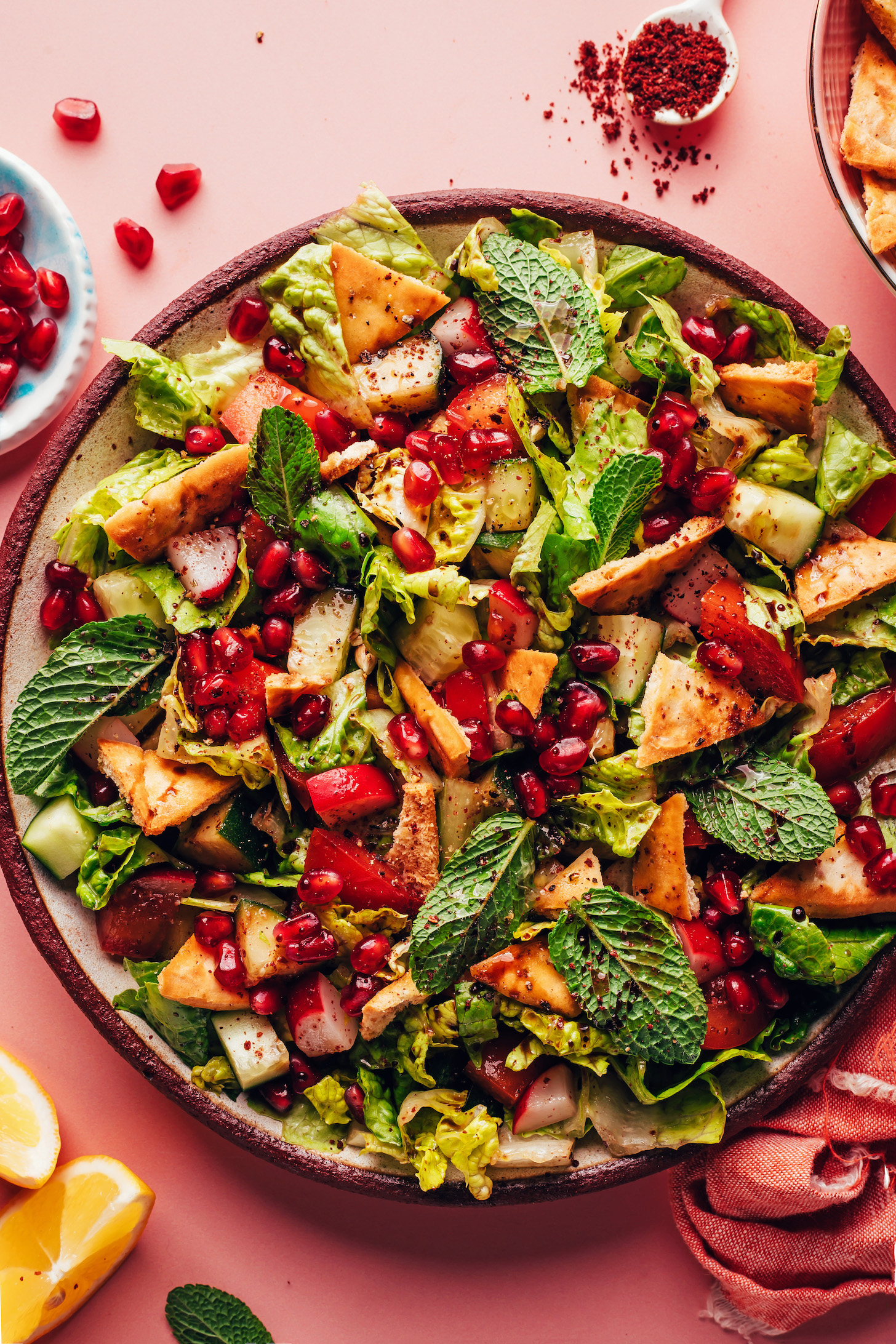
Pomegranate molasses—a thick syrup created by reducing pomegranate juice—adds a complex "tart-sweet" dimension to the dish. This ingredient is a concentrated source of anthocyanins, which are linked to cardiovascular health and improved blood pressure regulation. The addition of fresh pomegranate arils (seeds) provides not only a visual pop of color but also a burst of fiber and vitamin C, aligning the dish with modern "superfood" dietary trends.
Market Trends and the Globalization of Mediterranean Flavors
The rise in popularity of simplified Fattoush recipes mirrors a significant shift in global consumer behavior. According to market research data from the specialty food sector, Middle Eastern and North African (MENA) flavors have seen a 20% year-over-year increase in menu mentions and grocery store shelf space since 2021.
This trend is driven by three primary factors:
- The Health Halo Effect: The Mediterranean diet continues to be ranked by health organizations as the "gold standard" for longevity and heart health.
- Plant-Based Demand: As more consumers adopt vegan or "flexitarian" lifestyles, dishes like Fattoush—which are naturally plant-based—provide a satisfying alternative to meat-heavy entrées.
- Culinary Exploration: Post-pandemic, home cooks are increasingly seeking "low-effort, high-reward" recipes that allow them to experience international cultures without requiring specialized equipment or rare techniques.
Chronology of Assembly: A Professional Workflow
To achieve the optimal balance of texture and flavor, the assembly of the 20-minute Fattoush follows a specific chronological order:
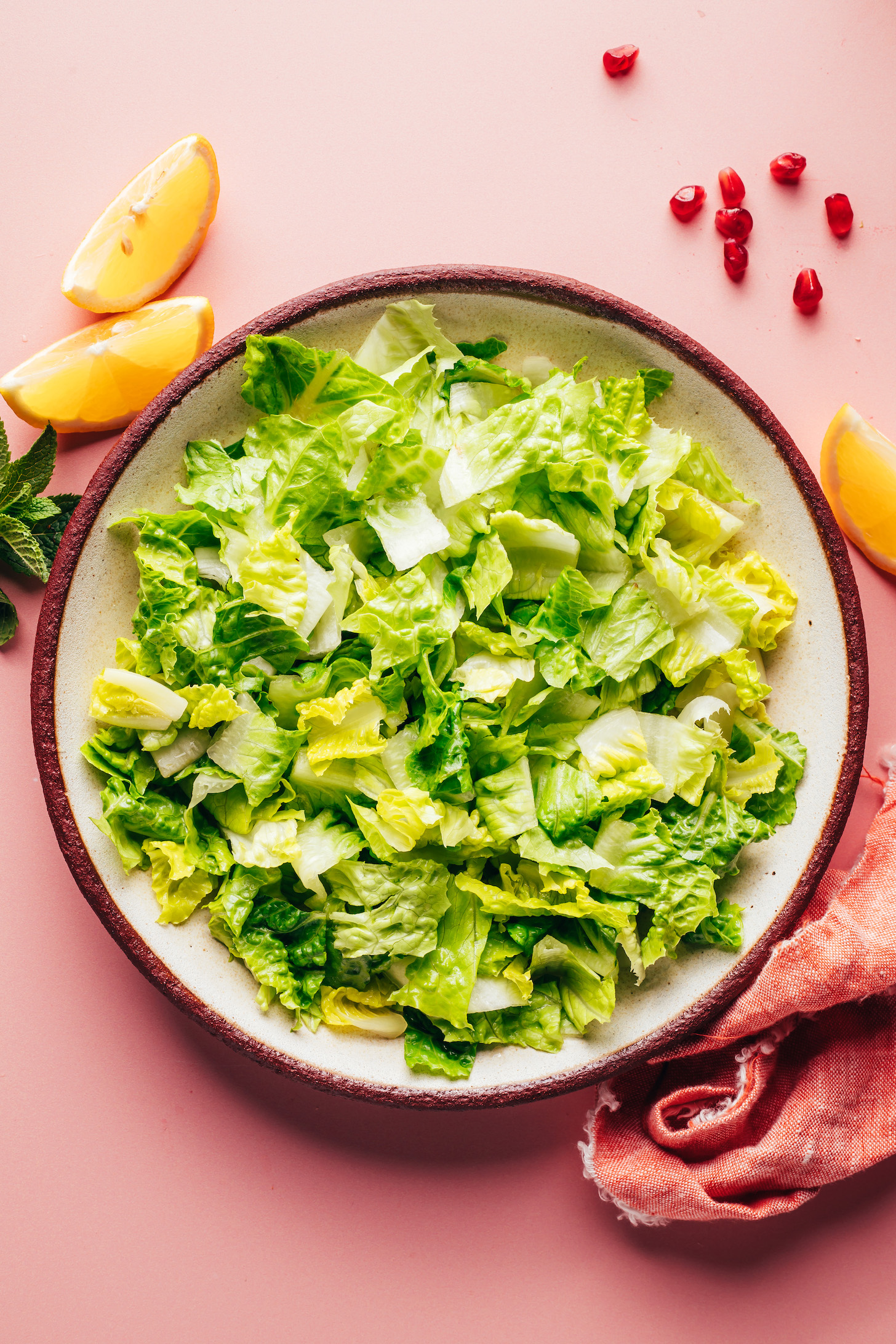
- The Base Layer: Chopped romaine is placed at the bottom of the bowl to act as a foundation.
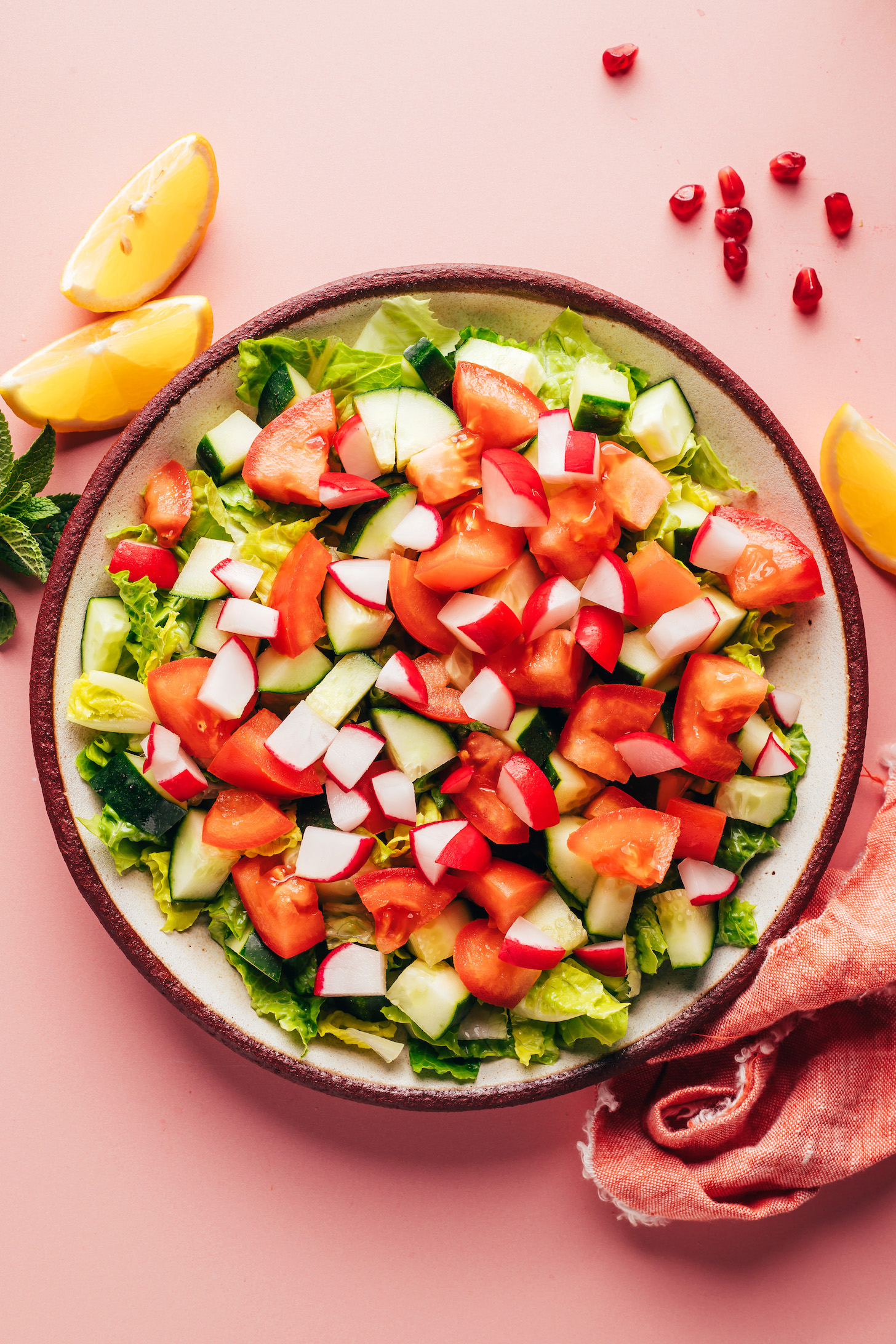
- Vegetable Integration: Diced cucumbers, tomatoes, and sliced radishes are added. The uniformity of the dice is crucial for ensuring that every bite contains a representative sample of all ingredients.
- Direct Dressing: Rather than emulsifying a dressing in a separate vessel, lemon juice, pomegranate molasses, sumac, salt, and pepper are applied directly to the vegetables. This "no-mix" approach allows the salts to begin drawing out a small amount of juice from the tomatoes, creating a natural sauce.
- The Herbing: Fresh mint leaves are added. While many recipes suggest chopping herbs, the modernized version recommends leaving leaves whole or roughly torn to prevent oxidation and to provide "pops" of cooling flavor.
- The Final Crunch: Pita chips are added immediately before serving. This timing is essential; if the bread is added too early, it loses its defining crispness.
Sustainability and Waste Reduction Implications
The "Easy Fattoush" model also addresses the growing concern over food waste. In the United States, bakery products, including flatbreads, are among the most wasted food items in residential kitchens. The inclusion of pita chips—whether store-bought for speed or homemade from day-old bread—promotes a "circular" kitchen economy.
For the homemade variation, stale pita is sliced, tossed in olive oil and sumac, and baked at 350°F (180°C) for approximately 10 minutes. This transformation of a "waste product" into a premium salad component is a hallmark of sustainable Mediterranean cooking.
Analysis of Dietary Adaptability
The versatility of the Fattoush framework allows it to meet various modern dietary requirements without sacrificing its cultural identity.
- Gluten-Free Requirements: The substitution of traditional wheat-based pita with grain-free almond flour crackers or gluten-free flatbreads has made the dish accessible to those with celiac disease or gluten sensitivities.
- Protein Enrichment: While traditionally a side dish, the addition of chickpeas (garbanzo beans) or grilled halloumi can transition the salad into a complete meal. This adaptability is key to its success in the "meal prep" community.
Expert Perspectives on Culinary Impact
Culinary analysts suggest that the "minimalist" approach to Levantine cooking does not represent a dilution of culture, but rather an evolution of it. By reducing the barrier to entry—specifically the time and the number of dishes required—the essence of Middle Eastern hospitality and fresh eating is made available to a wider demographic.
"The brilliance of Fattoush lies in its acidity and its crunch," says one food industry consultant. "When you simplify the process to a single bowl and 20 minutes, you aren’t losing the soul of the dish; you are ensuring that it actually gets made on a Tuesday night when people are tired but still want to eat well."
Conclusion: The Future of Accessible International Cuisine
The Easy Fattoush Salad stands as a testament to the enduring relevance of Levantine flavors in the 21st century. By prioritizing fresh, seasonal vegetables and high-impact pantry staples like sumac and pomegranate molasses, the dish offers a sophisticated sensory experience that belies its simple preparation.
As the boundaries between global cuisines continue to blur, the emphasis on "weeknight-friendly" versions of traditional dishes will likely increase. For the home cook, the 20-minute Fattoush is more than just a recipe; it is a strategic tool for maintaining a healthy, vibrant diet in an increasingly busy world. Whether served as a crisp side to a larger Mediterranean feast or enjoyed as a light, refreshing lunch, it remains a quintessential example of how ancient culinary wisdom can be successfully adapted for the modern table.