
The culinary landscape of contemporary home cooking has increasingly prioritized the intersection of nutritional density and temporal efficiency. A prominent example of this trend is the emergence of modernized Levantine recipes, specifically the "one-bowl" fattoush salad, which seeks to condense traditional Mediterranean flavors into a 20-minute preparation window. This streamlined version of the classic bread-based salad highlights the enduring appeal of Middle Eastern cuisine while adapting to the logistical constraints of the modern weeknight schedule. By utilizing a single vessel for both preparation and service, the recipe minimizes post-cooking labor, reflecting a broader shift in domestic science toward "one-pot" or "one-bowl" methodologies.
Historical Context and Cultural Origins of Fattoush
To understand the significance of the fattoush salad, one must examine its roots in the Levant, a geographical and cultural region of the Eastern Mediterranean that encompasses modern-day Lebanon, Syria, Jordan, Palestine, Israel, and parts of Turkey. The term "fattoush" is etymologically derived from the Arabic word fatteh, meaning "crumbs" or "broken pieces." Historically, fattoush belongs to a family of dishes designed around the practical reuse of stale or leftover flatbreads.
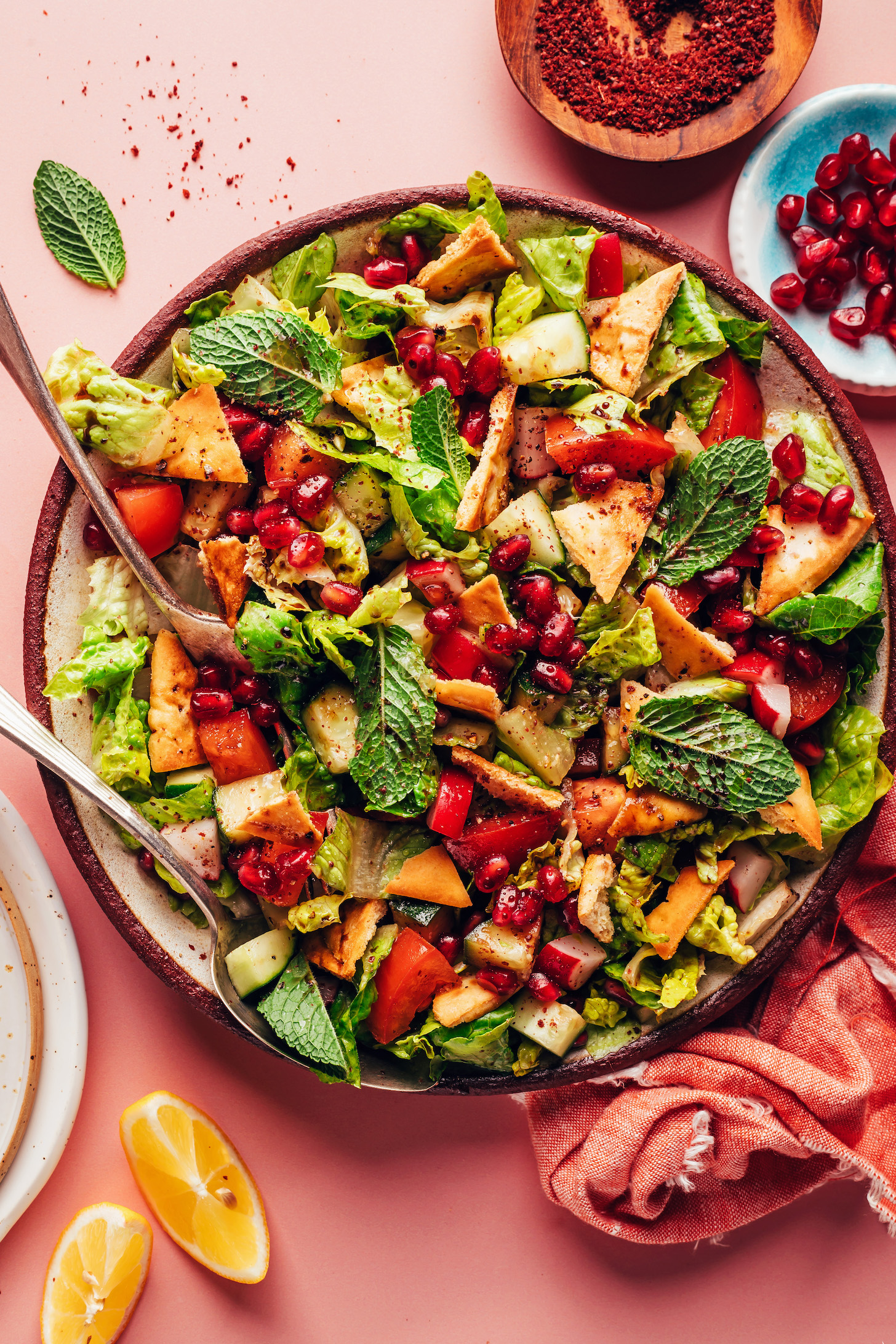
In the agrarian societies of the historical Levant, waste was culturally and economically discouraged. Flatbread, a staple of every meal, would often dry out in the arid climate. To reclaim this resource, farmers and villagers developed recipes that rehydrated or crisped the bread, incorporating it into fresh salads or yogurt-based stews. Fattoush, specifically, evolved as a "peasant salad," relying on the seasonal bounty of the Mediterranean garden: cucumbers, tomatoes, radishes, and an abundance of fresh herbs like mint and parsley. The defining characteristic of a true fattoush is the inclusion of sumac, a tangy, burgundy-colored spice that provides a distinct acidity, and the use of toasted or fried pita chips to provide a structural contrast to the succulent vegetables.
The Evolution of Preparation: From Tradition to Efficiency
The traditional preparation of fattoush often involves several distinct stages: frying the bread in olive oil, finely dicing a large variety of vegetables, and whisking a complex vinaigrette in a separate container. The modernized version analyzed here simplifies this chronology into a linear, 20-minute process.
Chronology of Modern One-Bowl Preparation
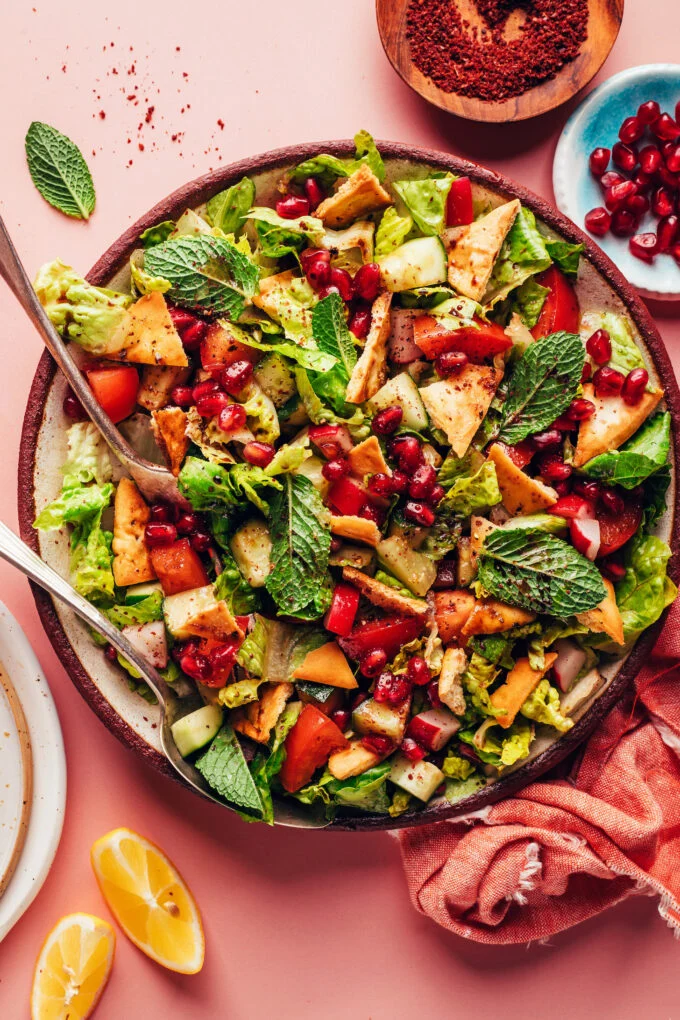
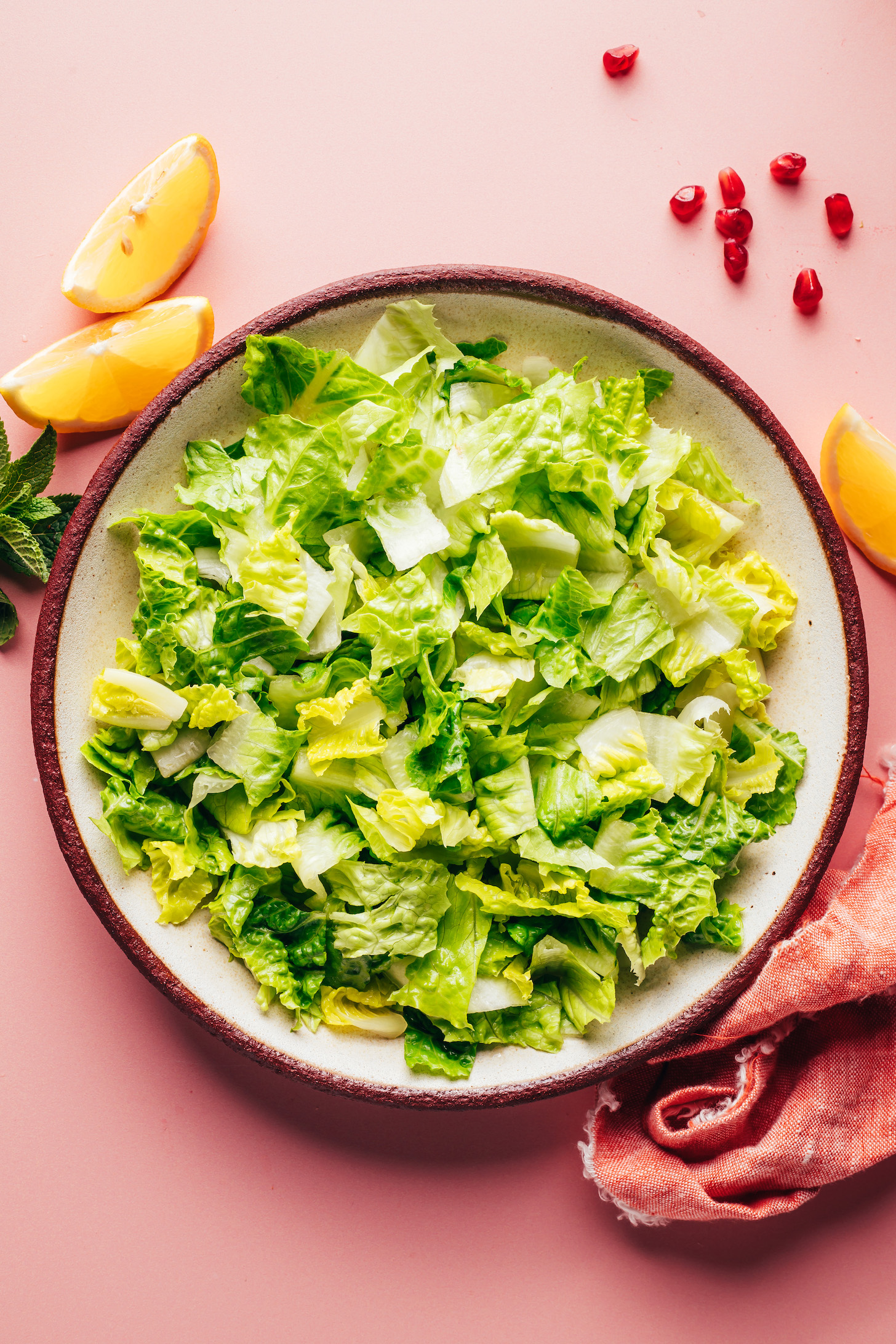
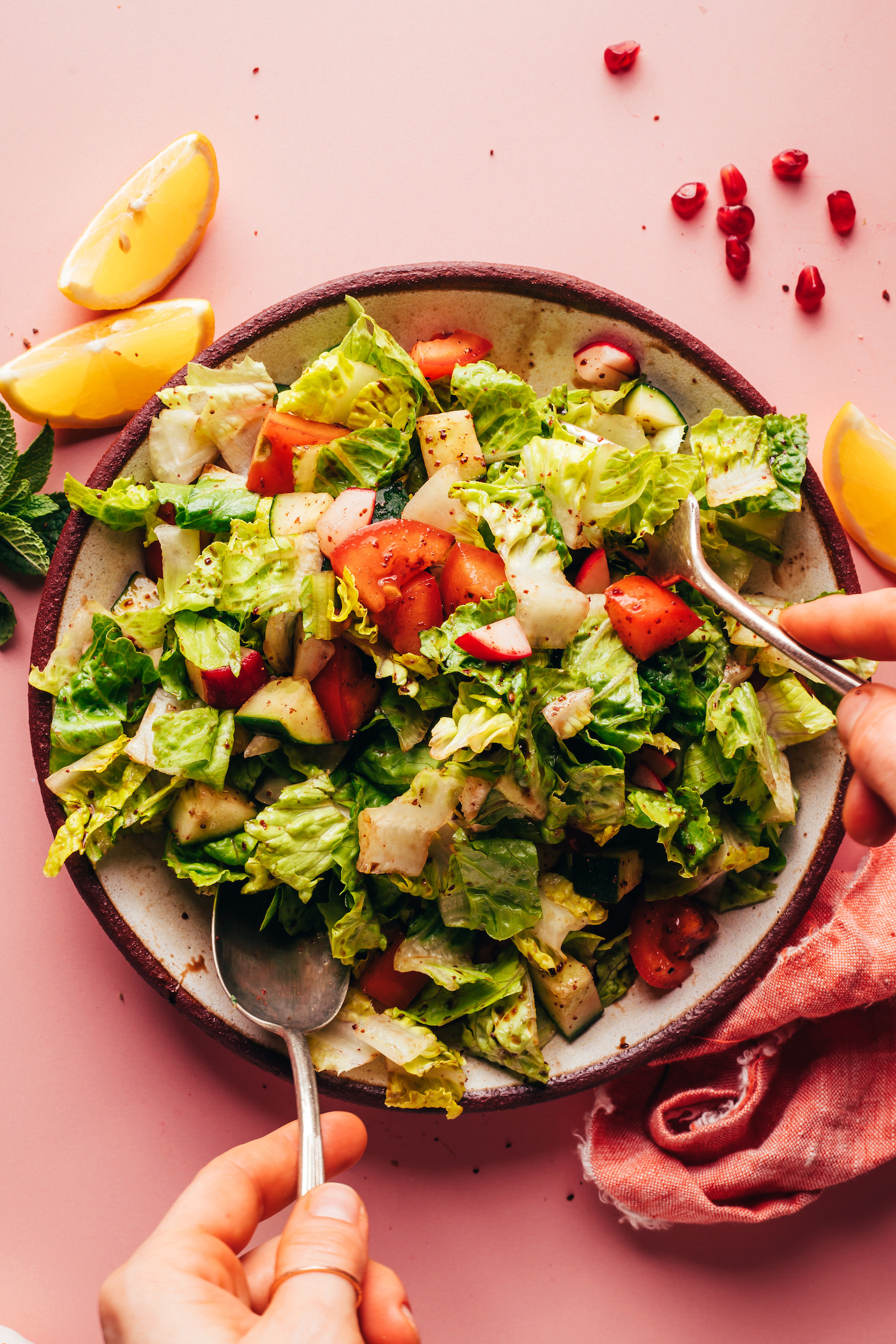
- The Base Layer: The process begins with the chopping of romaine lettuce. While traditional versions may use purslane or other wild greens, romaine has become the global standard due to its consistent crunch and neutral flavor profile, which serves as a canvas for the dressing.
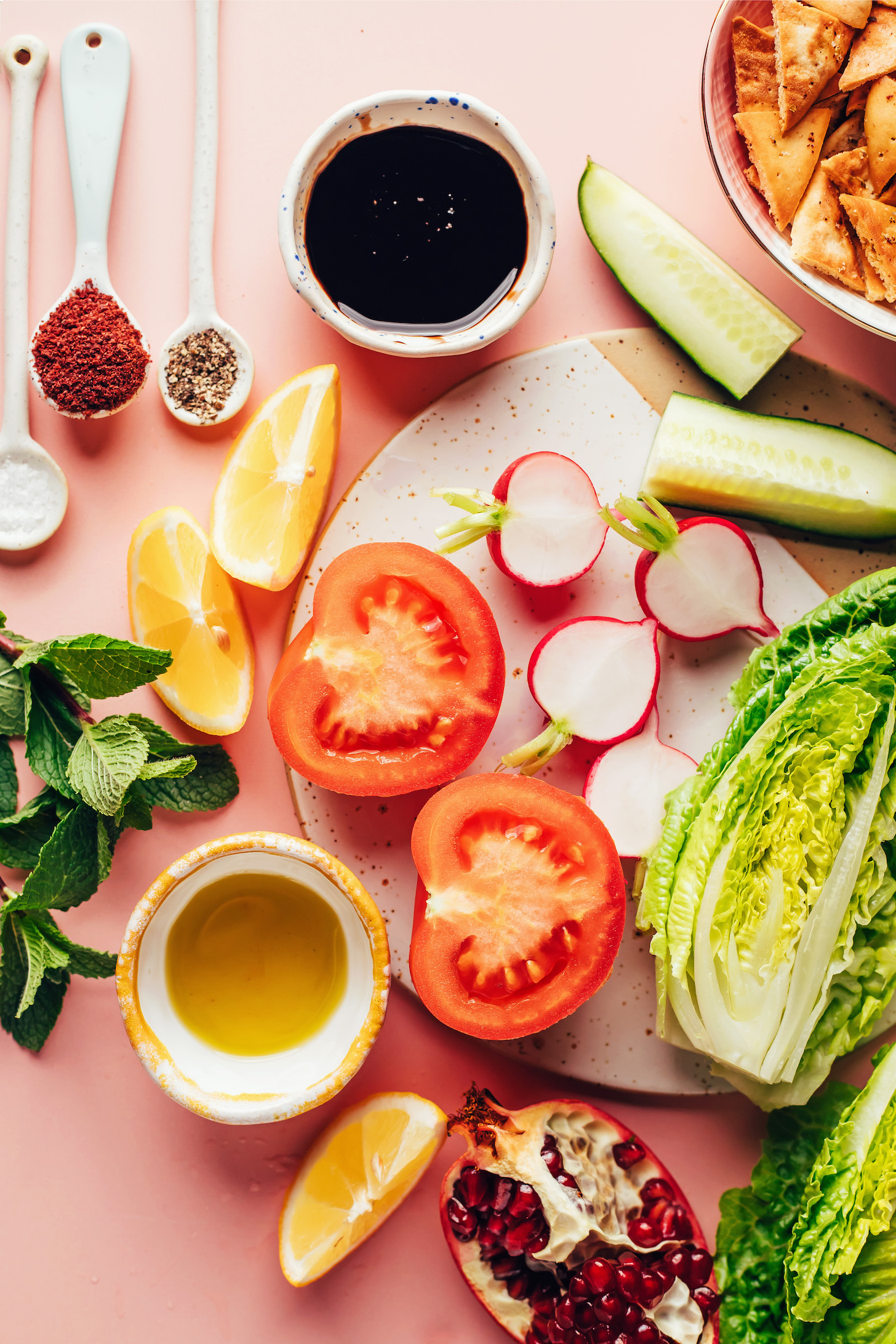
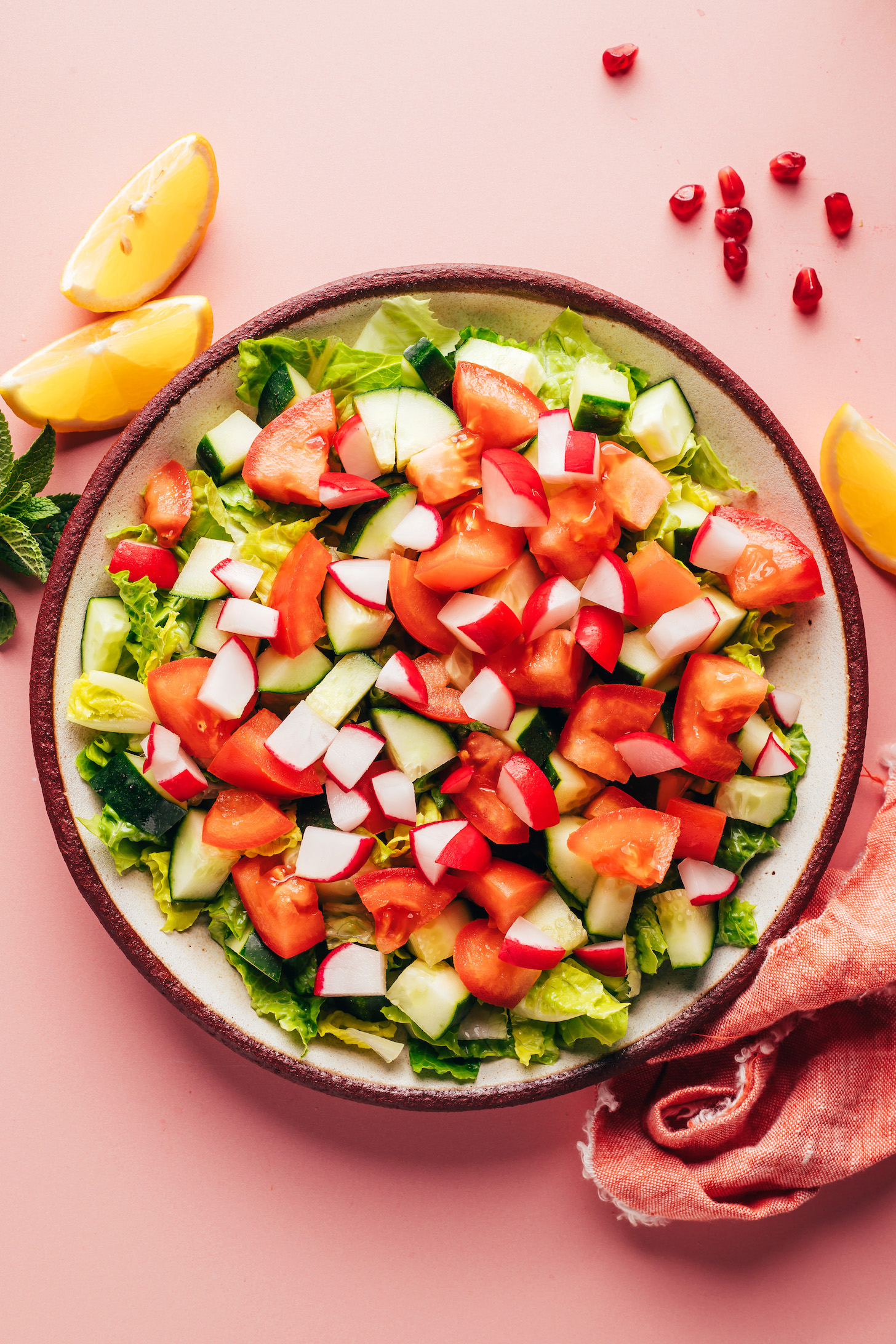
- Vegetable Integration: Seasonal vegetables—specifically Persian or Lebanese cucumbers, tomatoes, and radishes—are added directly to the bowl. The selection of these specific vegetables is not merely aesthetic; radishes provide a peppery bite that complements the sourness of the dressing, while cucumbers offer hydration and volume.
- The "No-Mix" Dressing Technique: In a departure from classical French vinaigrette techniques, the dressing ingredients (lemon juice, pomegranate molasses, sumac, salt, and pepper) are added directly over the greens. This allows the acidic components to begin macerating the vegetables slightly, releasing their natural juices to form a composite sauce at the bottom of the bowl.
- Textural Finishing: The final stage involves the addition of fresh mint leaves, pomegranate arils, and pita chips. The timing of the pita chip addition is critical; in a journalistic evaluation of the dish’s physics, the bread must be added immediately before consumption to prevent the loss of "crunch" through capillary action as it absorbs the dressing.
Chemical and Nutritional Composition of Key Ingredients
The efficacy of the fattoush salad as a health-promoting meal is supported by the chemical profiles of its primary ingredients.
Sumac (Rhus coriaria)
Sumac is the cornerstone of the Levantine flavor profile. Scientifically, sumac is rich in anthocyanins, tannins, and flavonoids. Research published in various food science journals indicates that sumac possesses significant antioxidant properties, comparable to those found in "superfoods" like acai or blueberries. Its tartness comes from high concentrations of malic and citric acids, which provide the "bright" flavor noted in the recipe without the need for excessive sodium.
Pomegranate Molasses and Arils
Pomegranate molasses is a thick syrup produced by reducing pomegranate juice. It provides a complex "tart-sweet" profile. Nutritionally, pomegranates are dense with polyphenols, particularly punicalagins, which have been studied for their potential roles in cardiovascular health and the reduction of systemic inflammation. The inclusion of raw arils (seeds) adds a burst of vitamin C and dietary fiber.
The Role of Healthy Fats
While the recipe offers olive oil as an optional addition, its inclusion is standard in the Mediterranean diet. Extra virgin olive oil provides monounsaturated fatty acids (MUFAs), specifically oleic acid, which is a hallmark of heart-healthy dietary patterns. When combined with the fat-soluble vitamins found in the salad’s vegetables (such as Vitamin A in the lettuce and Vitamin K in the mint), the oil facilitates better nutrient absorption.
Supporting Data: Nutritional and Economic Metrics
Based on the provided nutritional estimate, a single side serving of this fattoush contains approximately 127 calories. The breakdown is as follows:
- Carbohydrates: 21.6g (primarily from the pita chips and vegetable fibers)
- Protein: 2.8g
- Fat: 4.1g
- Fiber: 4g (representing roughly 14-16% of the recommended daily intake for adults)
From an economic perspective, the "one-bowl" fattoush is a high-yield, low-cost dish. Most ingredients are staples of the "produce-heavy" shopping model. The ability to use "day-old" bread or store-bought pita crackers further reduces the financial barrier to entry for healthy eating.
Market Trends and the Globalization of Levantine Flavors
The rise of recipes like the 20-minute fattoush is indicative of a broader market trend toward Middle Eastern and Mediterranean-inspired (MEMI) cuisines. According to market research analysts, the demand for sumac, za’atar, and pomegranate molasses has seen a double-digit percentage increase in Western grocery chains over the last five years.
This globalization is driven by several factors:
- The "Healthy Fast Food" Movement: Consumers are moving away from processed convenience foods toward "fast-fresh" options that can be assembled in under half an hour.
- Plant-Based Advocacy: As more individuals adopt vegan or vegetarian lifestyles, Levantine cuisine—which is naturally vegetable-forward—offers a rich repository of flavor-dense recipes that do not rely on meat substitutes.
- Culinary Tourism at Home: In the post-pandemic era, there is an increased interest in authentic regional flavors that provide a sense of "travel" through the palate.
Expert Analysis: The Significance of the "1-Bowl" Methodology
Culinary professionals and domestic scientists suggest that the "1-bowl" claim is more than a marketing gimmick; it is a psychological tool. By reducing the perceived "barrier to entry" (i.e., the amount of cleanup required), individuals are more likely to choose a fresh salad over a processed alternative.
"The reduction of friction in the kitchen is a key determinant in dietary adherence," states one hypothetical nutrition consultant. "When a recipe like fattoush can be executed in the same amount of time it takes to heat a frozen meal, the nutritional advantage becomes accessible to a much wider demographic."
Furthermore, the adaptability of the dish—such as the option to add chickpeas for protein or use gluten-free pita—allows it to fit into various specialized dietary frameworks, including the Mediterranean Diet, which has been ranked as the "Best Overall Diet" by U.S. News & World Report for several consecutive years.
Broader Impact and Conclusion
The "Easy Fattoush Salad (1 Bowl!)" represents a successful synthesis of ancient tradition and modern necessity. By preserving the essential elements of the Levantine original—the crunch of the bread, the tang of the sumac, and the freshness of the herbs—while stripping away the time-consuming complexities of traditional preparation, it democratizes high-quality nutrition.
As global food systems continue to evolve, the emphasis on "zero-waste" (using old bread) and "nutrient-density" (fresh vegetables and antioxidants) ensures that the fattoush salad will remain a relevant fixture in the international culinary lexicon. Whether served as a light summer meal or a robust side dish, its impact lies in its simplicity and its ability to bring the complex flavors of the Eastern Mediterranean to the global weeknight table. The move toward one-bowl, 20-minute meals is not merely a fad but a necessary adaptation for a health-conscious, time-impoverished society.