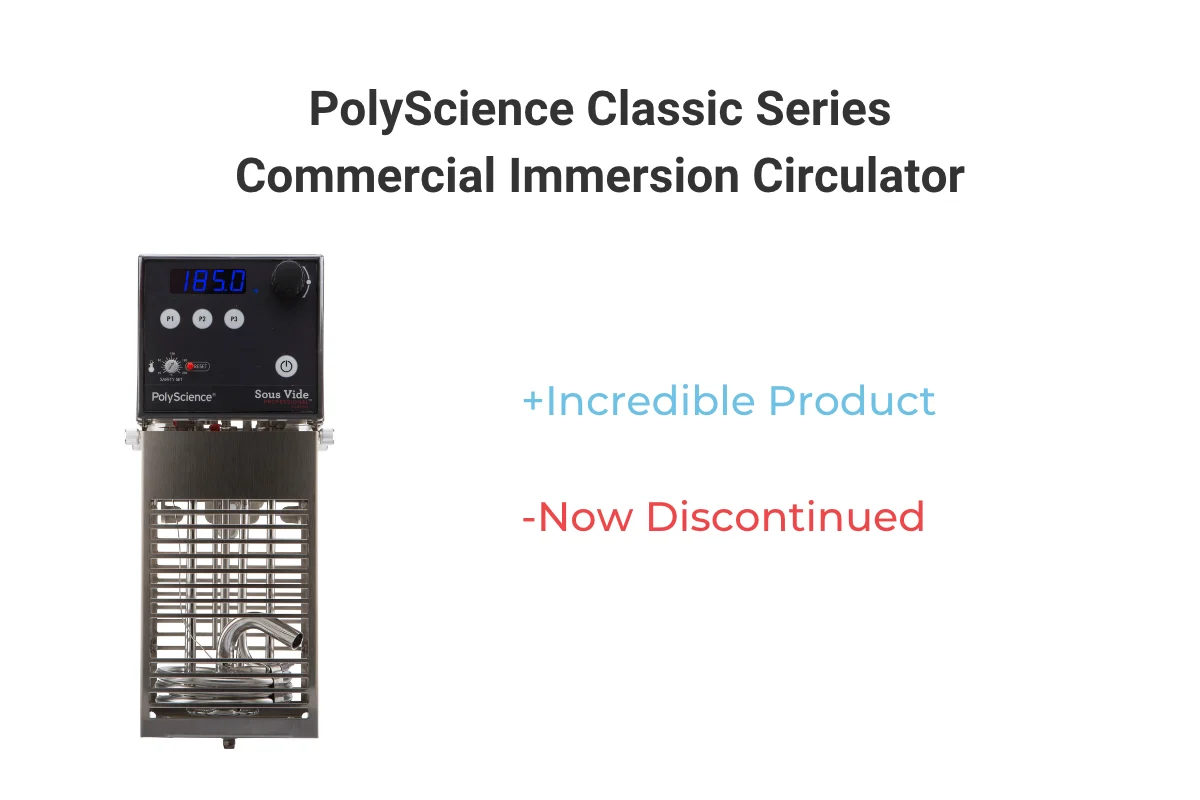

For a decade, the professional kitchens I’ve navigated have relied on a variety of commercial sous vide systems. Among these, the PolyScience Classic Series Immersion Circulator consistently stood out as a benchmark of performance and reliability. However, this esteemed model is no longer in production, a fact that leaves a notable void for culinary professionals who valued its robust capabilities. While direct acquisition of a new unit is now impossible, its legacy and performance characteristics warrant a detailed examination, especially for those who might encounter one in the secondary market, perhaps from restaurant liquidations offering used equipment at potentially attractive prices.
The discontinuation of the PolyScience Classic Series marks a significant moment in the evolution of sous vide technology for professional kitchens. Its absence underscores the rapid advancements in the field, with current production models often boasting increased power, more compact designs, and improved cost-effectiveness. This article aims to provide a comprehensive overview of the Classic Series, detailing its historical significance, performance metrics, design philosophy, and the reasons behind its enduring appeal among chefs. Furthermore, it will explore the current landscape of commercial immersion circulators, highlighting viable alternatives for kitchens requiring immediate access to high-quality sous vide equipment, and offer a specific recommendation for a successor.
The Genesis and Legacy of a Professional Standard
PolyScience, a name synonymous with precision temperature control, introduced its Classic Series immersion circulator at a time when sous vide was transitioning from a niche technique to a mainstream culinary practice in high-end establishments. This series quickly became an indispensable tool in many of the world’s most acclaimed restaurants, prized for its unwavering accuracy and robust construction. Unlike the sleeker, more compact designs that dominate today’s market, the Classic Series embodied a utilitarian, industrial aesthetic. This design choice was not merely cosmetic; it was integral to its functionality and durability.
The series represented a significant investment for professional kitchens, reflecting a commitment to achieving consistently superior results. Its widespread adoption in Michelin-starred restaurants and demanding culinary environments speaks volumes about its inherent quality and the trust placed in its performance. The enduring reputation of the PolyScience Classic Series is a testament to its pioneering role in bringing advanced sous vide precision to the professional culinary world.
Unpacking the Performance: Precision and Capacity
The performance specifications of the PolyScience Classic Series immersion circulator were, and arguably remain, exceptional for its era. It was engineered to manage water baths of up to 8 gallons, a capacity suitable for high-volume operations and larger cuts of protein. This substantial volume capability, combined with its precise temperature control, allowed chefs to execute elaborate sous vide preparations with confidence.
A key feature contributing to its operational efficiency was the auto-restart function. This proved invaluable in professional settings where power fluctuations or accidental disconnections could occur. The circulator’s ability to resume its programmed temperature cycle automatically minimized downtime and ensured the integrity of the cooking process, a critical consideration when dealing with perishable ingredients and strict service schedules.
Furthermore, the dual-speed water pump was a sophisticated element that offered granular control over water circulation. This allowed chefs to tailor the flow rate to the specific needs of their dishes, ensuring even heat distribution throughout the bath without causing undue agitation, which could be detrimental to delicate items.
The temperature accuracy of the Classic Series was a standout feature, often cited as being marginally superior to its contemporary counterpart, the Chef Series (later rebranded as the "Creative" series). The Classic Series maintained temperatures within an astonishing ±0.09°F (±0.05°C), a precision level that, while perhaps imperceptible in many real-world cooking scenarios, underscored PolyScience’s dedication to achieving the pinnacle of thermal stability. This minute difference, while not always practically impactful, represented the company’s commitment to engineering excellence and provided chefs with the assurance of working with a device that offered the utmost in precision. This level of accuracy was crucial for recipes requiring very specific doneness levels, such as delicate fish or custards.
Design and Control: A Fusion of Industrial Robustness and Intuitive Operation
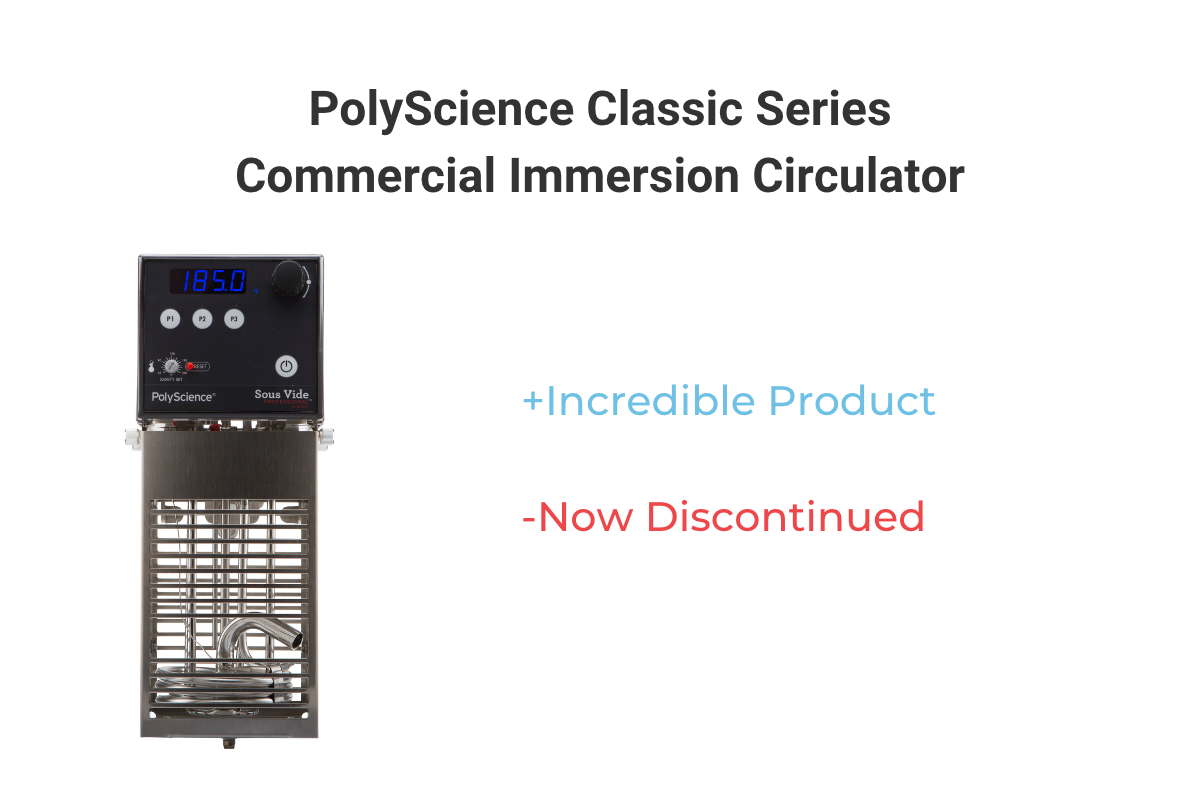
The design and control interface of the PolyScience Classic Series were integral to its operational success and user experience. The unit presented an undeniably industrial aesthetic, characterized by a robust metal cage enclosing the stainless steel heating element and the water pump. This open-cage design was not merely for visual appeal; it facilitated easy inspection of the core components and significantly streamlined the cleaning and maintenance process. The cage itself could be readily detached, allowing for thorough access to the heating coil and pump for degreasing and descaling—essential tasks in maintaining optimal performance and longevity in a commercial kitchen environment.
Operation of the Classic Series was managed through a single, intuitive rotary knob. This minimalist control scheme allowed users to effortlessly set the desired cooking temperature. Beyond basic temperature adjustment, the knob also enabled the engagement of a "lock-out" mode. This crucial feature prevented accidental temperature changes during the cooking cycle, safeguarding against errors that could compromise the outcome of dishes, particularly during busy service periods.
Adding to its user-friendliness were three programmable preset functions. These allowed chefs to store and quickly recall frequently used temperature settings for specific dishes or cooking techniques. This feature, while simple, significantly enhanced efficiency by reducing the time spent manually inputting temperatures for recurring preparations. The ability to pre-program settings for common items like steak, chicken breast, or salmon, for instance, meant that even less experienced kitchen staff could operate the circulator with a high degree of accuracy and consistency.
The Bottom Line: An Enduring Standard, A Market Shift
The PolyScience Classic Series immersion circulator delivered on its promise: consistent, reliable performance. Its enduring presence in the world’s finest kitchens for years was a direct consequence of its unparalleled temperature stability and robust build quality. In an industry where equipment failure can have significant financial and operational repercussions, the Classic Series offered a level of dependability that was virtually unmatched. Its reputation for durability made it a wise investment for any professional kitchen prioritizing precision and consistency.
The cessation of production for the Classic Series can be attributed to a broader shift in the culinary equipment market, particularly following the acquisition of PolyScience’s culinary division by Breville. While the transition brought about more modern, compact, and potentially cost-effective alternatives, it also meant the end of an era for a product that defined a generation of sous vide cooking in professional settings. The Classic Series, despite its powerful capabilities, could have benefited from a design update to align with contemporary aesthetic trends and space-saving requirements in modern kitchens.
For chefs and kitchen managers seeking a replacement or an upgrade, the Breville PolyScience Creative Series stands as the most direct successor. This line, still in production, retains much of the precision and power that characterized the Classic Series but in a more compact and portable form factor. It represents a logical evolutionary step, offering enhanced convenience without sacrificing the core performance attributes that made PolyScience a trusted name.
Navigating the Modern Sous Vide Landscape
The sous vide market has continued to evolve since the discontinuation of the PolyScience Classic Series. Today, commercial immersion circulators are generally designed with a focus on energy efficiency, advanced digital interfaces, and enhanced connectivity options. Many new models offer larger touch screens, app integration for remote monitoring and control, and even more precise temperature regulation capabilities.
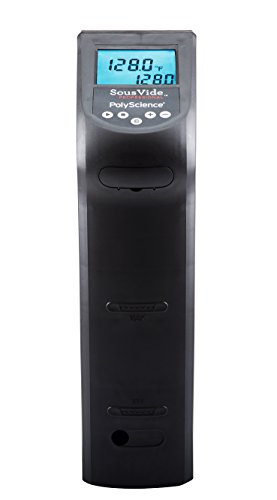
For instance, some contemporary commercial circulators boast integrated timers with audible alerts, Wi-Fi and Bluetooth connectivity for remote operation, and even specialized features for specific applications like pasteurization or aging processes. The emphasis on user-friendly interfaces and diagnostic capabilities also means that troubleshooting and maintenance are often more straightforward than with older, more mechanically oriented units.
When evaluating current commercial immersion circulators, several factors come into play beyond raw power and temperature accuracy. These include:
- Pump Flow Rate: Measured in liters per minute (L/min), this indicates how quickly the circulator can move water, crucial for ensuring uniform temperature distribution in larger baths.
- Maximum Bath Volume: This dictates the size of the vessel the circulator can effectively manage, influencing its suitability for different kitchen scales.
- Heating Power: Measured in watts (W), this determines how quickly the circulator can bring a water bath up to the target temperature.
- Temperature Stability: The precision with which the circulator maintains the set temperature, often expressed as ±°C or ±°F.
- Durability and Build Materials: Commercial kitchens demand robust equipment that can withstand daily use. Stainless steel construction and high-quality components are key indicators of longevity.
- Ease of Cleaning and Maintenance: Simple disassembly and access to components for cleaning are vital for hygiene and performance.
- Safety Features: Over-temperature protection, dry-run prevention, and low-water level alarms are essential for safe operation.
- Connectivity and Smart Features: For some establishments, the ability to integrate with kitchen management systems or monitor operations remotely is a significant advantage.
The market now offers a diverse range of options, from heavy-duty units designed for the most demanding restaurant operations to more versatile models suitable for smaller culinary businesses or even high-end home kitchens. The choice often depends on a careful assessment of the specific operational needs, budget, and desired level of technological integration.
A Recommended Alternative
Given the discontinuation of the PolyScience Classic Series, chefs seeking a reliable and high-performing commercial immersion circulator are well-advised to consider the Breville PolyScience Creative Series Immersion Circulator. This model serves as the direct successor and embodies many of the strengths of its predecessor while incorporating modern design enhancements.
The Creative Series offers a more compact and portable footprint, making it easier to store and deploy in kitchens where space is at a premium. Despite its smaller size, it retains significant power and precision, ensuring that culinary professionals can achieve the same high standards of sous vide cooking. Its user interface is intuitive, and its construction materials are geared towards durability in a professional environment.
While the Classic Series set a high bar, the Creative Series represents a thoughtful evolution, adapting to the changing needs of the culinary industry. It provides a bridge between the trusted legacy of PolyScience and the demands of contemporary professional kitchens, making it a compelling choice for those looking to maintain a high level of culinary execution.
In addition to selecting the right immersion circulator, chefs often consider complementary equipment. For those employing sous vide techniques, a commercial vacuum sealer is an essential companion, ensuring proper food preparation and maximizing the effectiveness of the sous vide process. Investing in a quality vacuum sealer alongside a reliable immersion circulator will further enhance the consistency and quality of prepared dishes.