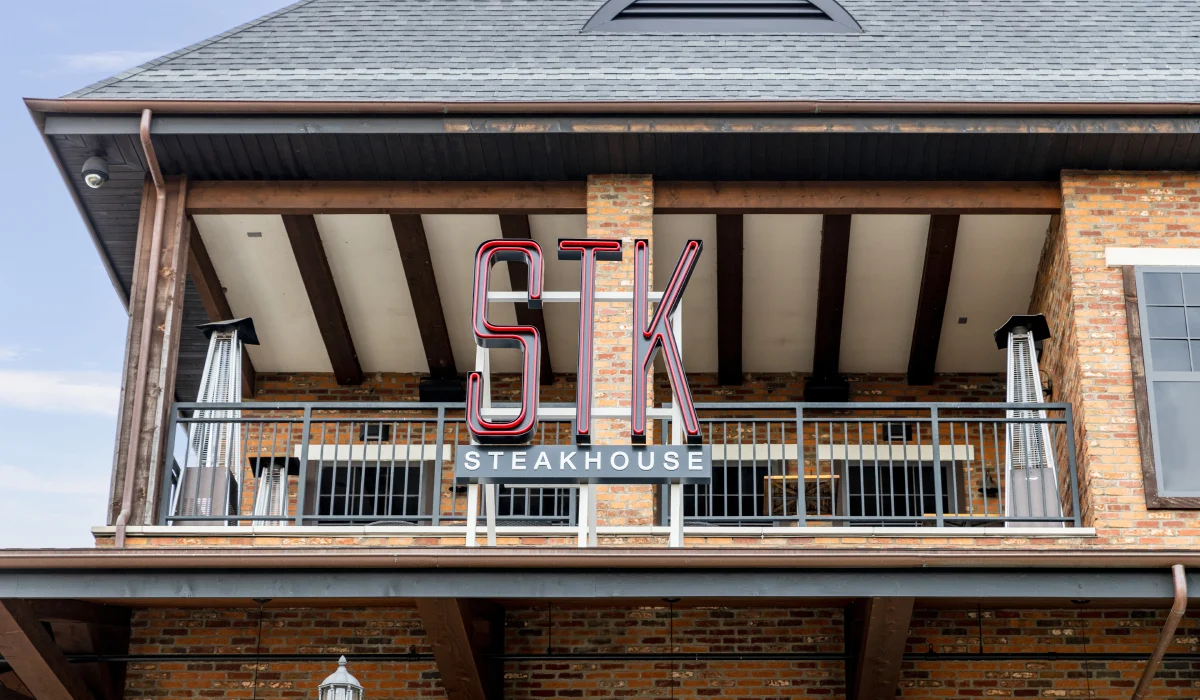

The high-end dining sector is witnessing a significant turnaround for one of its most prominent players as STK Steakhouse, the flagship brand of The ONE Group Hospitality, Inc., reported its second consecutive quarter of positive sales growth, effectively ending a challenging multi-year period of stagnant performance. This resurgence comes at a critical juncture for the hospitality industry, where consumer spending on luxury dining has faced headwinds from inflationary pressures and shifting macroeconomic conditions. By focusing on operational execution, strategic brand conversions, and a disciplined approach to capital allocation, The ONE Group has not only stabilized its premier steakhouse concept but has also laid the groundwork for a broader portfolio transformation that includes the integration of the recently acquired Benihana brand and a restructuring of its casual dining assets.
The first quarter of the fiscal year marked a definitive milestone for STK, which recorded a 1.4 percent increase in same-store sales. While seemingly modest, this figure represents the brand’s strongest performance since the first quarter of 2023 and follows a 0.3 percent rise in the fourth quarter of the previous year. To appreciate the magnitude of this recovery, it must be viewed against the backdrop of the ten preceding quarters, during which STK struggled with negative U.S. same-store sales. The reversal of this trend suggests that the brand’s "vibe-dining" model—which blends a high-energy lounge atmosphere with a traditional steakhouse menu—is regaining its resonance with affluent urban diners.
Operational Excellence and Margin Expansion
Beyond top-line growth, the financial health of STK has seen a marked improvement in profitability. Restaurant-level operating profit margins for the brand expanded by 280 basis points to reach 21 percent in the first quarter. This internal efficiency is part of a wider success story for The ONE Group, which reported total quarterly revenue of $213 million, up from $211 million in the same period the previous year. The company’s consolidated same-store sales, while still slightly negative at 0.3 percent, showed a sequential improvement from the fourth quarter, signaling that the portfolio is nearing a total recovery.
The expansion of margins has been attributed to a sophisticated overhaul of the company’s supply chain and procurement strategies. By renegotiating beef sourcing contracts and optimizing its menu to mitigate waste, The ONE Group achieved a 1.4 percent reduction in food and beverage costs across its brands. These synergies were particularly evident in the Benihana brand—the company’s largest concept with 85 locations—where margins grew by 1.3 percent to 21 percent. Overall, the company’s adjusted EBITDA grew 12 percent year-over-year to $29 million, a result that CEO Manny Hilario emphasized was driven by internal discipline rather than external economic favors.
The Strategic Shift: Converting Underperformers into Powerhouses
A central pillar of The ONE Group’s growth strategy involves a ruthless evaluation of its "Grill Concepts" portfolio, which consists of RA Sushi and Kona Grill. While these brands showed signs of life in the first quarter—with transactions turning positive and a 4.9 percent decline in comps representing the best performance in two years—leadership has identified a more lucrative path forward: brand conversion.
The company is aggressively converting underperforming RA Sushi and Kona Grill locations into STK or Benihana restaurants. This strategy is rooted in the significantly higher average unit volumes (AUV) and return on investment (ROI) associated with the premier brands. A pilot conversion in Scottsdale, Arizona, serves as the blueprint for this initiative. By transforming an RA Sushi into an STK, the company saw the location’s annual revenue run rate leap from $4 million to $7 million. With a conversion cost ranging between $1 million and $1.5 million, the project yielded an ROI of approximately 400 percent.
Currently, five Grill Concepts locations have been shuttered to undergo similar transformations, with all expected to rejoin the active portfolio as STK or Benihana units by the end of 2026. This portfolio optimization ensures that the company’s real estate footprint is occupied by concepts that generate maximum EBITDA per square foot. For the remaining RA Sushi and Kona Grill units, the company remains pragmatic, planning to evaluate each site on a case-by-case basis as leases expire to determine if they should be converted, relocated, or exited entirely.
Leveraging Data and Loyalty to Drive Traffic
In an era where customer acquisition costs are rising, The ONE Group has pivoted toward data-driven loyalty programs to sustain its momentum. The "Friends with Benefits" loyalty program has become a vital engine for growth, adding more than 8,000 organic members per week. Internal data reveals that loyalty members not only visit more frequently but also spend significantly more per transaction than non-members.
This database allows the company to execute surgical marketing campaigns around "key occasion" dates, which have proven to be record-setting for the group. Valentine’s Day and Easter both delivered high single-digit sales growth, and the company is utilizing its loyalty base to drive bookings for Mother’s Day and graduation season. By moving away from broad-based discounting and focusing on targeted value messaging, particularly for lunch and happy hour, the company is successfully filling seats during traditionally slower dayparts.
The company is also seeing a steady return of "everyday" traffic. While the steakhouse model is often associated with special occasions, the emergence of happy hour as a meaningful revenue driver suggests that consumers are seeking the STK experience for more casual, frequent outings. To keep the offering fresh, the culinary team is rolling out new seasonal food and beverage menus four times a year, ensuring that repeat guests always have a reason to return.
Future Development and the Benihana Express Model
Looking ahead to 2026, The ONE Group plans to open between six and 10 new venues, though with a much tighter lens on capital efficiency. The company has set a target of $1.5 million or less in net capital investment for new company-owned developments. This disciplined approach was evident in the first quarter, where capital expenditures declined 23 percent year-over-year.
While STK remains a primary focus—with new locations in development in Phoenix and a relocation in New York City—the company is also betting heavily on the franchise potential of Benihana. A 10-unit development agreement in California is currently progressing, but perhaps the most significant innovation is the "Benihana Express" format. This smaller-footprint model eliminates the traditional teppanyaki tables in favor of a faster, more portable dining experience. For operators, the Express model offers lower labor requirements and a reduced cost of entry, making it an ideal vehicle for rapid expansion in non-traditional venues and high-traffic suburban areas.
Strengthening the Balance Sheet
The ONE Group’s strategic pivot is underpinned by a commitment to financial flexibility. In the first quarter, the company reported a dramatic increase in operating cash flow, which reached $22 million compared to just $9 million in the prior year. This influx of cash has allowed the company to aggressively deleverage its balance sheet. During the quarter, the company paid down $2 million on its term loan and $7 million on its revolving credit facility, leaving the latter with no outstanding balance.
With $33.7 million in available capacity on its revolver and a growing cash reserve, the company is well-positioned to weather any potential cooling in the consumer economy. This "fortress balance sheet" approach allows management to focus on long-term value creation rather than short-term liquidity concerns.
Analytical Perspective: A Resilient Path Forward
The recovery of STK and the broader success of The ONE Group Hospitality highlight a successful transition from a brand-heavy holding company to a lean, execution-focused operator. By identifying that their core strength lies in "experiential" dining—where the atmosphere is as important as the steak—management has successfully differentiated its brands from traditional, stodgy competitors.
The decision to cannibalize their own underperforming casual brands to make room for higher-margin concepts is a bold move that reflects a deep understanding of current market trends. Consumers are increasingly bifurcating their spending: they are either seeking extreme value or high-end, memorable experiences. The ONE Group’s focus on the latter, supported by the operational efficiencies of a consolidated supply chain, positions them as a formidable player in the premium dining space.
As CEO Manny Hilario noted, the company is no longer waiting for a macroeconomic "tide" to lift its boats. Instead, through menu optimization, loyalty integration, and capital-efficient expansion, they are generating their own current. If the current trajectory of STK is any indication, the "vibe-dining" pioneer has not only regained its footing but is preparing for a period of accelerated, profitable growth.