
The casual dining landscape is currently undergoing a significant transformation as major players seek to balance rising labor costs with the heightening expectations of a post-pandemic consumer base. At the forefront of this shift is Bloomin’ Brands, the parent company of Outback Steakhouse, which has officially initiated a comprehensive restructuring of its service model and physical assets. Under the leadership of CEO Michael Spanos, the company is pivoting away from high-volume table assignments in favor of a more concentrated, quality-focused approach designed to reduce employee burnout and elevate the guest experience. This strategic redirection, which began its primary rollout in April, represents a fundamental change in how the quintessential Australian-themed steakhouse operates on a nightly basis.
The Shift to a Concentrated Service Model
Central to the brand’s refresh is the transition from a six-table-per-server ratio to a four-table-per-server model during peak dining hours. This change was prompted by internal feedback from front-of-house staff and a series of pilot programs aimed at identifying the "sweet spot" for service efficiency. According to Spanos, the previous model, which often relied on a server and server-assistant pairing to manage larger sections, frequently led to high stress levels, particularly when staffing shortages occurred. By reducing the table load, servers are granted more autonomy and time to "own the guest relationship," a factor that the company identifies as a primary driver of repeat visits.
During the company’s Q1 earnings call, Spanos emphasized that the four-table model provides a more consistent and enhanced experience. The logic is rooted in the "likelihood to recommend" metric; when a server is not overextended, they can provide more attentive service, leading to higher guest satisfaction. This transition also addresses a critical pain point in the labor market: retention. By lowering the "stress ceiling" during the busiest dayparts, Bloomin’ Brands aims to create a more sustainable working environment, potentially reducing the high turnover rates that have plagued the casual dining sector since 2021.
Addressing Server Compensation and Economics
One of the primary concerns regarding reduced table counts is the potential impact on server take-home pay. In a traditional tipping environment, fewer tables usually equate to fewer opportunities for gratuities. However, Bloomin’ Brands reports that its testing phase yielded surprising results. Overall compensation remained stable, with tips per check actually seeing a slight increase. This phenomenon is attributed to a revised tip-share structure. In the old model, servers often shared a significant portion of their earnings with assistants. Under the new, more autonomous four-table model, the need for assistants is mitigated, allowing servers to retain a larger percentage of the tips generated from their specific tables.
Management noted that on a per-shift basis, earnings have remained competitive, which is vital for maintaining morale during the transition. Furthermore, the company’s internal data suggests that better service—facilitated by the smaller sections—leads to higher percentage tips from satisfied diners, effectively offsetting the reduction in total table volume. This economic recalibration is part of a broader effort to professionalize the server role and align employee incentives with the brand’s goal of "consistent execution."
Strategic Turnaround and Guest Sentiment Metrics
The service model change is not an isolated event but a cog in a larger turnaround machine. Outback Steakhouse has faced stiff competition from rivals like Texas Roadhouse and LongHorn Steakhouse, both of which have seen aggressive growth in recent years. To regain its footing, Outback is focusing on a "back-to-basics" approach centered on food quality and atmosphere.
The company’s efforts appear to be resonating with consumers. In the first quarter, guest sentiment scores improved year-over-year for the third consecutive time. Specific metrics showed significant gains: brand trust rose by 4 points, service by 6 points, and value, atmosphere, and food quality each saw increases between 4 and 5 points. Most importantly, the "intent to return" metric increased by 4 points. Spanos noted that because the average Outback guest visits approximately twice per year, there is a lag between operational improvements and visible traffic momentum. The company expects the cumulative impact of these higher sentiment scores to manifest in stronger traffic trends in the latter half of 2024 and into 2025.
Culinary Integrity and the Steak Leadership Initiative
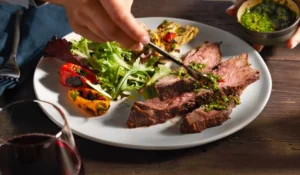
A major pillar of the Outback refresh is the rebuilding of its "steak credibility." In November, the brand launched a revamped steak lineup, focusing on better cuts and improved preparation techniques. To ensure consistency across its hundreds of locations, the company has implemented a rigorous "steak review" process and monthly training sessions.
Technology is also playing a role in this culinary pivot. Operators are now utilizing data from Ziosk tabletop devices to monitor guest feedback in real-time. This allows managers to coach kitchen and floor staff shift-by-shift, addressing issues before they become systemic. The expansion of char-grill capacity is another physical manifestation of this focus, allowing restaurants to handle higher volumes of premium cuts while maintaining the specific flavor profile that defines the brand.
On the value side, the "Aussie Three Course" platform has become a cornerstone of the brand’s pricing strategy. Starting at $14.99, the promotion offers a tiered pricing structure ($17.99 and $20.99) that encourages "trading up." Data shows that 60 percent of guests opt for the higher-tier options, and 20 percent add a dessert, effectively increasing the average check while still providing a perceived high-value entry point for budget-conscious diners.
Infrastructure Reinvestment and the 2028 Vision
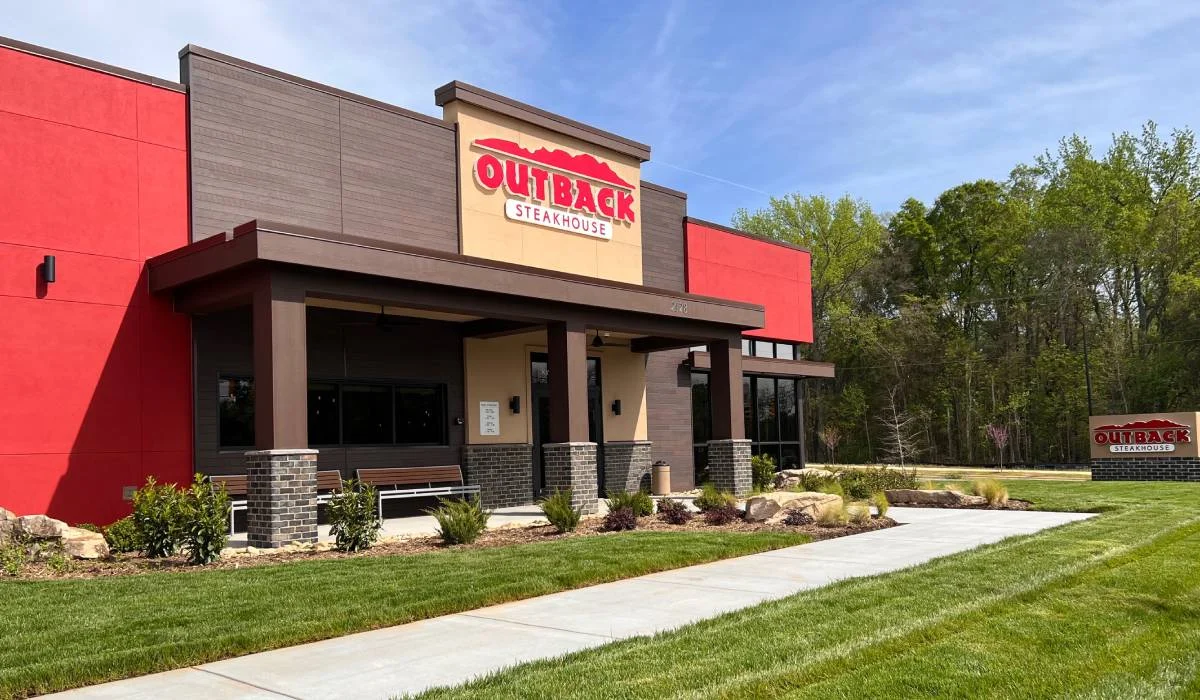
Beyond the menu and the service model, Bloomin’ Brands is committing significant capital to the physical environment of its restaurants. The company has announced a targeted refresh program that will touch nearly all Outback locations by the end of 2028. With an average investment of $350,000 to $400,000 per location, the refreshes will focus on guest-facing elements including updated seating, modern lighting, fresh interior and exterior paint, and improved signage.
This capital expenditure is designed to shed the "dated" image that some critics have associated with the brand. By modernizing the "Aussie" aesthetic while retaining its casual, fun identity, Bloomin’ Brands hopes to appeal to a younger demographic without alienating its core base of older, loyal diners. The physical upgrades are being timed to coincide with a ramp-up in marketing spend, which is expected to accelerate in the second half of the year once management is satisfied that the in-restaurant experience is consistently meeting new standards.
Financial Performance and Portfolio Diversification
The first quarter of the year presented a complex financial picture for Bloomin’ Brands. Total revenues rose approximately 1 percent to $1.06 billion, while U.S. comparable restaurant sales saw a modest 0.9 percent increase. However, traffic was down 1.8 percent, a decline that executives largely attributed to severe winter weather in January and February, which they estimated had a 240-basis-point negative impact on the quarter.
Despite the headwinds at Outback, other brands in the Bloomin’ portfolio showed notable strength:
- Bonefish Grill: The standout performer, with a 6.1 percent increase in comparable sales and a 3 percent rise in traffic. This success was driven by "occasion-based" marketing, such as Martini Mondays and Bang Wednesdays.
- Carrabba’s Italian Grill: Posted its fifth consecutive quarter of positive same-store sales growth (+1.3 percent), bolstered by wine dinners and a revamped happy hour.
- Fleming’s Prime Steakhouse & Wine Bar: Maintained positive momentum with a 0.8 percent comp sales increase, marking its seventh straight quarter of growth, despite a slight dip in traffic.
Analysis of Implications and Future Outlook
The strategic shifts at Outback Steakhouse reflect a broader trend in the casual dining industry: the move toward "affordable luxury." As Spanos noted, consumers are increasingly viewing eating out as a discretionary luxury, and they are becoming more selective about where they spend those dollars. By narrowing the server-to-table ratio, Outback is betting that high-touch service will be the deciding factor for consumers choosing between multiple dining options.
Furthermore, the new managing partner compensation program, which ties pay more directly to restaurant sales and profit growth, suggests a move toward a more entrepreneurial model for local leadership. This aligns the interests of restaurant managers with the corporate goal of "protecting the check" while driving sustainable traffic.
As the company moves toward 2026, the focus will likely remain on balancing price increases with volume. With pricing at roughly 5 percent in the recent quarter, Bloomin’ Brands is walking a fine line to avoid pricing itself out of the value segment. However, if the improvements in guest sentiment continue to climb, the brand may find itself in a position where its "Aussie" identity is once again a dominant force in the American steakhouse market. The coming months will be a critical test of whether "consistent execution" can indeed turn sentiment into sustained foot traffic.